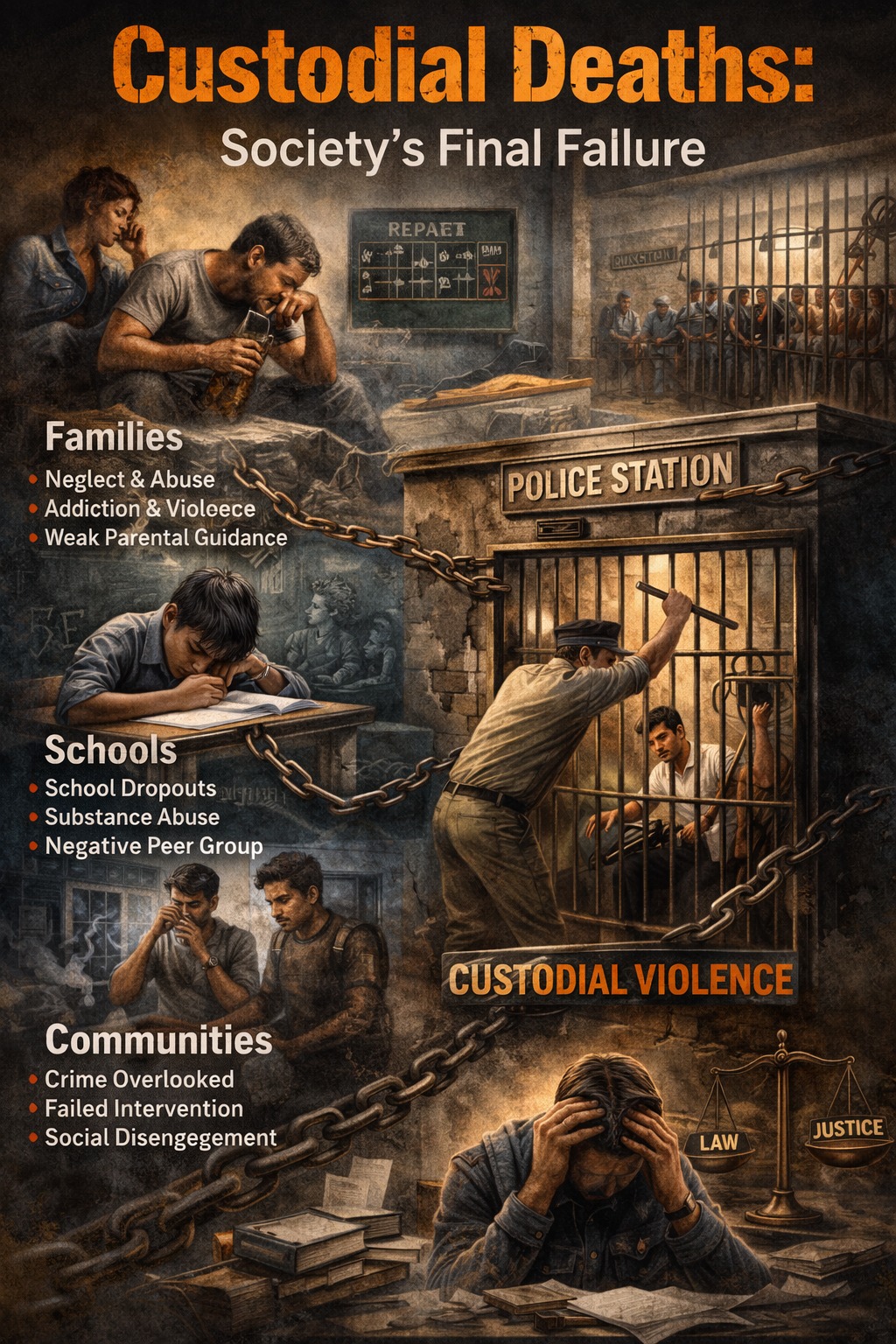
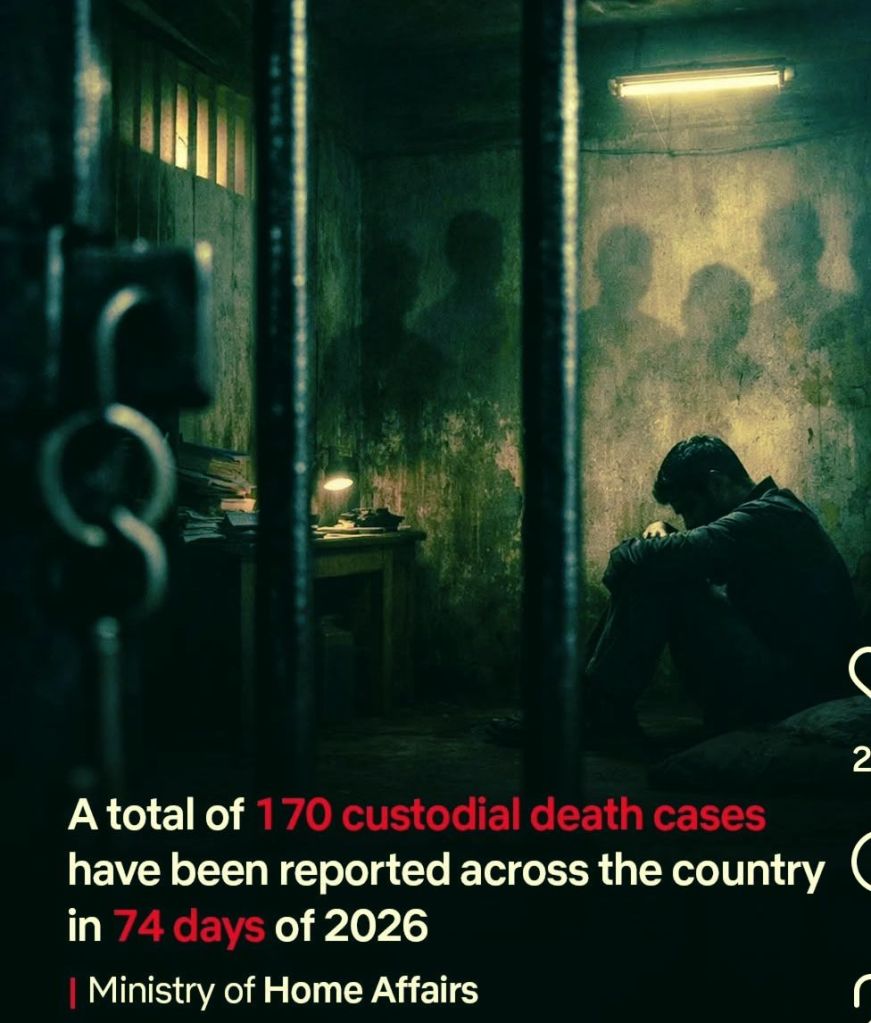
Every custodial death shocks the conscience of a nation, but the tragedy often begins long before the victim enters a police station. Society tends to focus on the final act—the violence, the interrogation, the lockup, and the death. Yet custodial deaths are rarely isolated events born within four walls of a police station. More often, they represent the culmination of a long chain of failures stretching across families, schools, communities, institutions, and governance systems. The lockup merely becomes the stage where years of unresolved social dysfunction finally explode into public view. By the time police intervention occurs, the roots of the crisis may have been growing unnoticed for decades.
Criminology consistently demonstrates that criminal behaviour is seldom spontaneous. Deviance is usually the product of a gradual social process. Weak parental supervision, fractured family relationships, educational disengagement, substance abuse, negative peer influence, and the absence of constructive social role models collectively create conditions in which antisocial behaviour flourishes. The first institution responsible for preventing crime is not the police department but the family itself. Parents serve as society’s earliest guardians of order. They teach discipline before law, responsibility before punishment, and conscience before coercion. When families lose the ability to nurture these values, society eventually inherits the consequences. What begins as private indiscipline slowly evolves into a public problem.
The progression is often predictable. Initially, parents attempt correction through affection, persuasion, or punishment. Relatives intervene. Teachers raise concerns. Community elders offer advice. Neighbours observe behavioural deterioration. Yet when these interventions fail, deviant conduct gradually becomes normalized. Addiction replaces aspiration.
Aggression replaces empathy. Rebellion becomes identity. The family’s inability to exercise influence then transforms into a burden carried by the wider community. What was once a household concern becomes a source of public nuisance, intimidation, violence, theft, or organized criminal activity. At this stage, citizens demand state intervention, and the responsibility shifts from the family to law enforcement agencies.
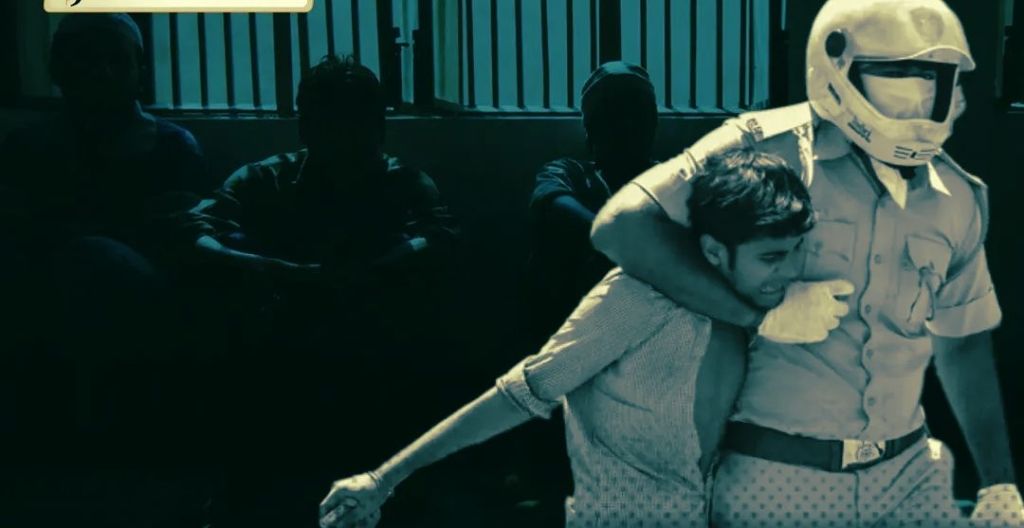
The police therefore enter the story at its most volatile stage. Contrary to popular perception, police officers rarely encounter individuals during moments of stability or cooperation. Their professional lives revolve around conflict, suspicion, violence, disorder, and human distress. Continuous exposure to such environments creates unique psychological pressures. Over time, repeated interaction with offenders can foster cynicism and emotional detachment. Officers may begin viewing suspects not as individuals with rights but as representations of crime itself. This process of dehumanization is among the most dangerous psychological developments in policing because it weakens empathy and lowers resistance to coercive behaviour. Once a suspect ceases to be perceived as human, the moral barriers against mistreatment become dangerously fragile.
Adding to this challenge is what criminologists often describe as the “Dirty Harry Syndrome”—the belief that legal procedures obstruct justice and that force achieves results faster than due process. Popular culture has frequently glorified officers who bypass legal safeguards to deliver immediate outcomes. Such narratives can gradually influence institutional attitudes, especially in environments where success is measured by rapid results rather than procedural integrity. When crime detection, public pressure, political expectations, and media scrutiny converge, some officers begin to perceive constitutional safeguards as obstacles instead of protections. The temptation to substitute investigation with intimidation becomes increasingly attractive under such circumstances.
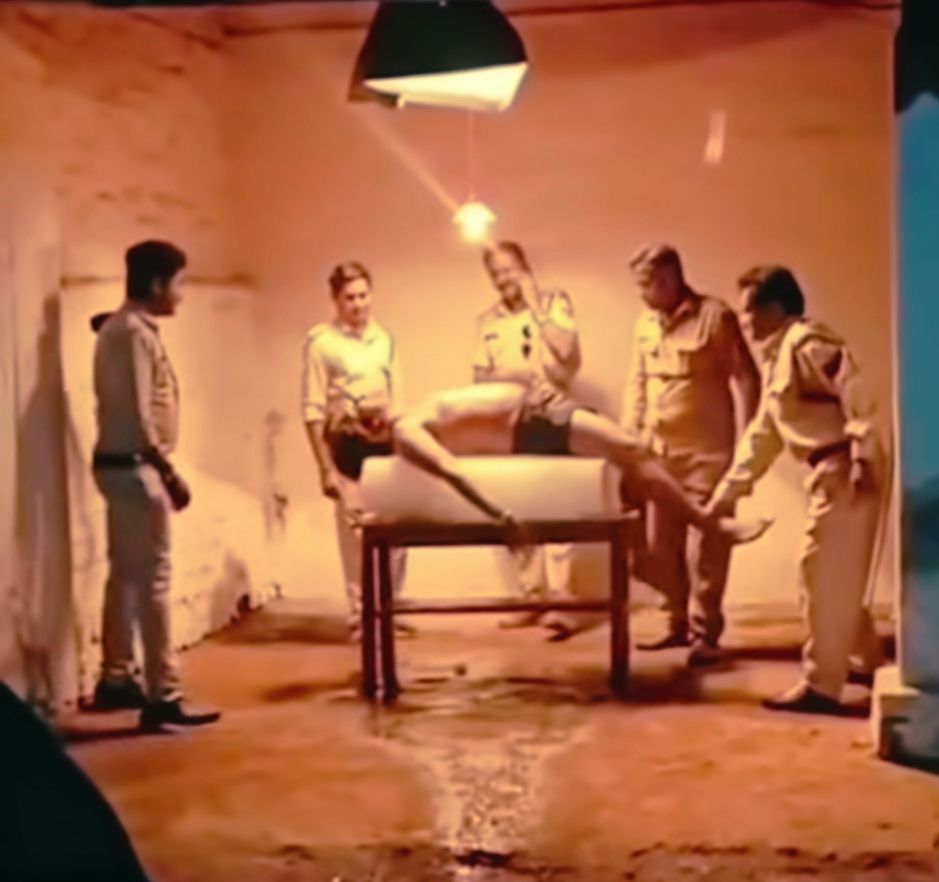
Institutional realities further intensify the risk. Many police organizations operate under severe manpower shortages, inadequate infrastructure, long working hours, and overwhelming caseloads. Simultaneously, society expects immediate solutions to complex criminal problems. Officers routinely deal with violent crimes, domestic disputes, accidents, suicides, communal tensions, and public emergencies, often without adequate psychological support. Research increasingly highlights alarming levels of stress, burnout, depression, anxiety, and emotional exhaustion among police personnel. An exhausted mind is vulnerable to poor judgement. When chronic stress combines with frustration, unchecked authority, normalized aggression, and pressure for quick outcomes, the interrogation room can transform into a dangerous psychological environment where abuse becomes more likely.
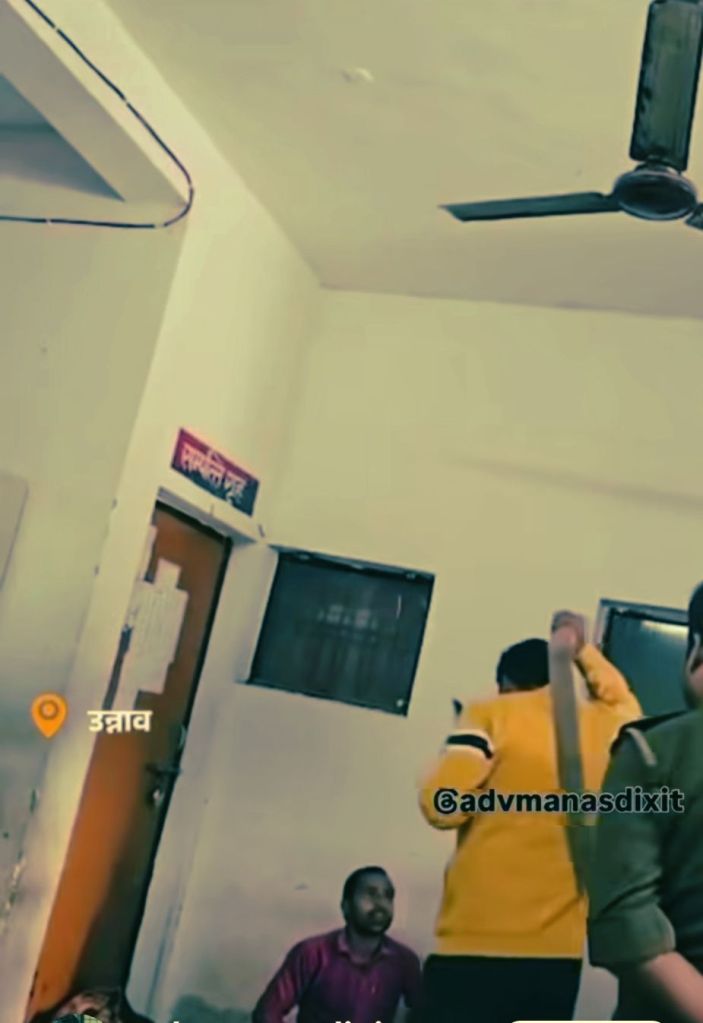
Yet custodial violence cannot be justified merely because it can be explained. Understanding causation is not equivalent to excusing misconduct. Every custodial death represents a catastrophic institutional failure. The victim loses life, liberty, dignity, or health. The officer risks criminal liability, professional disgrace, and moral compromise. The police institution loses public trust. The justice system suffers a credibility deficit. Most significantly, democracy itself is weakened because the rule of law depends upon lawful conduct by those entrusted to enforce it. Torture may produce compliance, but it cannot produce justice. It may generate confessions, but not necessarily truth. Fear may silence people temporarily, but it ultimately erodes confidence in constitutional governance.
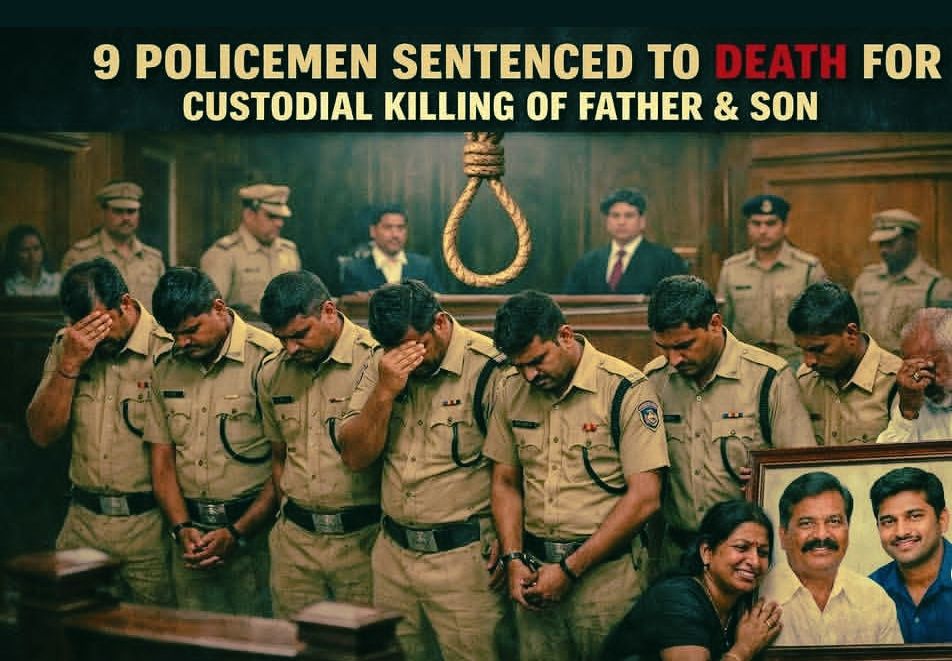
A mature society must therefore reject two equally dangerous extremes. One extreme romanticizes criminal behaviour and ignores the suffering inflicted upon victims and communities. The other glorifies police brutality as a legitimate instrument of justice. Both perspectives are intellectually deficient and morally hazardous. Effective crime control requires neither sentimentalism nor vengeance. It requires institutions that are simultaneously strong and accountable. The solution lies in strengthening every link in the chain of social responsibility—from families and schools to communities, governments, and police organizations. Early intervention, behavioural counselling, addiction treatment, youth engagement programmes, and social rehabilitation are far more effective than reacting after criminality has hardened.
The deepest lesson emerging from custodial deaths is profoundly uncomfortable. These tragedies are seldom born in interrogation rooms alone. They are often the final expression of failures distributed across multiple institutions over many years. Families lose influence.
Communities tolerate deterioration. Social systems fail to intervene. Crime grows. Police inherit the consequences. Sometimes, under pressure, the police themselves lose control. When that occurs, the lockup becomes the site of a tragedy that should have been prevented much earlier. A nation genuinely committed to justice must therefore remember a simple but transformative truth: crime is not prevented by neglect at home, nor by violence in custody. The journey toward public safety begins not with handcuffs or interrogation, but with responsible parenting, social accountability, and the cultivation of human dignity from the very cradle.
VISIT ARJASRIKANTH.IN FOR MORE INSIGHTS


One response to ““From Cradle to Custody: The Invisible Autopsy of a Society Before Every Lockup Death””
Very good analysis Srikanth garu
LikeLike