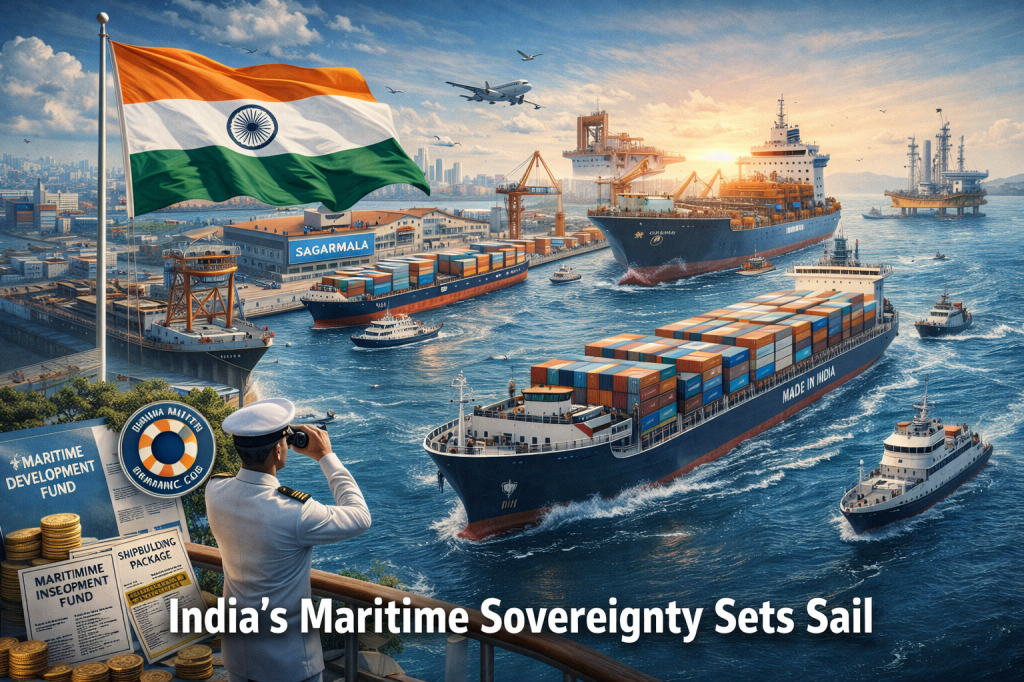
For decades, India has lived with one of the most expensive strategic contradictions in modern economic history. A nation endowed with an 11,098-kilometre coastline, situated at the crossroads of the Indian Ocean, commanding proximity to some of the busiest maritime trade routes on earth, and contributing nearly 12 percent of the world’s seafaring workforce remained astonishingly dependent on foreign shipping. The consequence was not merely commercial inefficiency but a silent transfer of national wealth. Every year, nearly ₹6 lakh crore flowed out of India’s economy through foreign shipping dominance—a figure approaching the country’s annual defence expenditure. What is unfolding today is therefore not just maritime reform; it is a determined attempt to reclaim economic sovereignty from the sea.
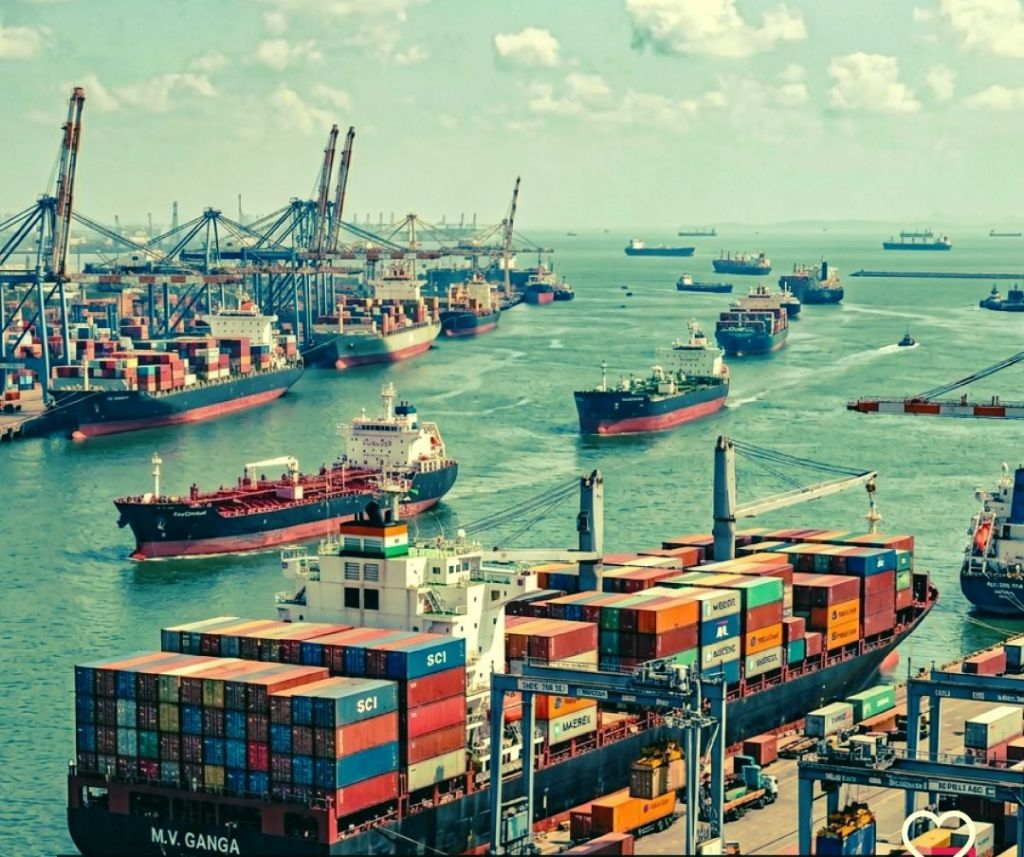
The significance of India’s maritime awakening lies in a fundamental realization that oceans are no longer passive highways of commerce. In the twenty-first century, maritime corridors have become instruments of geopolitical influence, economic leverage, and strategic resilience. Nations that control shipping, ports, logistics, insurance, and maritime finance increasingly shape global trade flows and the distribution of wealth. India’s renewed focus on maritime infrastructure reflects a deeper transformation in strategic thinking: the recognition that national power in the coming decades will be measured not only by military strength or GDP growth but by the ability to influence the movement of goods, energy, capital, and connectivity across oceans.
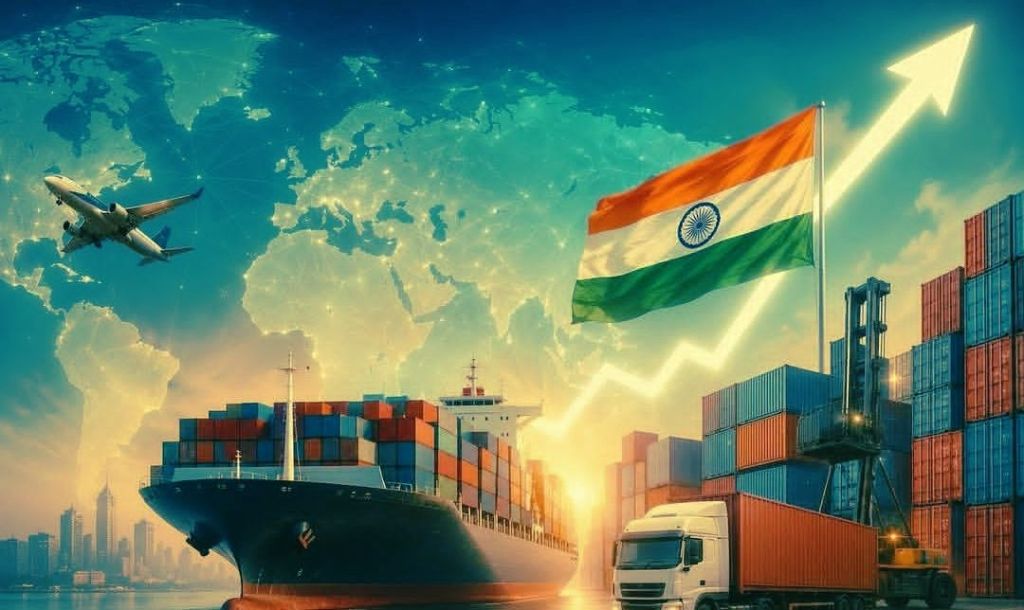
The most revealing statistic is not that India carries barely 5–10 percent of its own cargo while foreign shipping lines dominate the remaining 90–95 percent. More concerning is the hidden economic burden imposed on Indian industry. Logistics costs account for nearly 13–14 percent of India’s GDP, significantly higher than the global benchmark of around 8 percent. This inefficiency acts as an invisible tax on exporters, reducing competitiveness before products even reach international markets. For small and medium enterprises in manufacturing clusters such as Tirupur, logistics expenses often consume a disproportionately large share of revenue. Maritime dependence therefore is not merely a shipping issue; it is a challenge that directly affects industrial growth, export competitiveness, and economic equity.
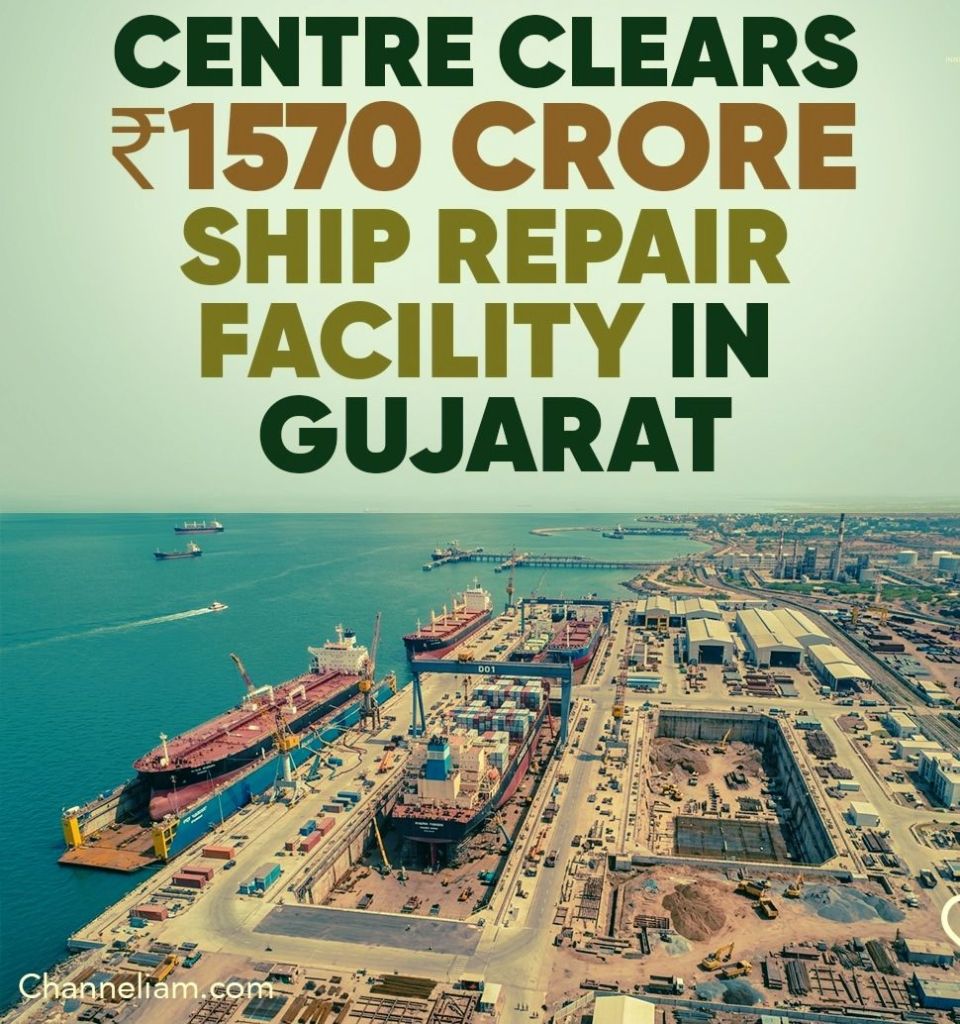
This vulnerability did not emerge accidentally. For years, policy frameworks failed to treat shipping as a strategic sector. Tax structures and regulatory burdens often placed Indian-flagged vessels at a disadvantage compared to foreign competitors. While nations such as China, South Korea, and Japan aggressively nurtured maritime industries, India’s shipping fleet remained relatively stagnant. Today, India accounts for only about one percent of global shipping tonnage and an almost negligible share of global shipbuilding output. In contrast, East Asian maritime powers collectively dominate nearly 85 percent of the global shipbuilding market. Such asymmetry has translated into strategic dependence in an era when control over supply chains increasingly determines economic influence.
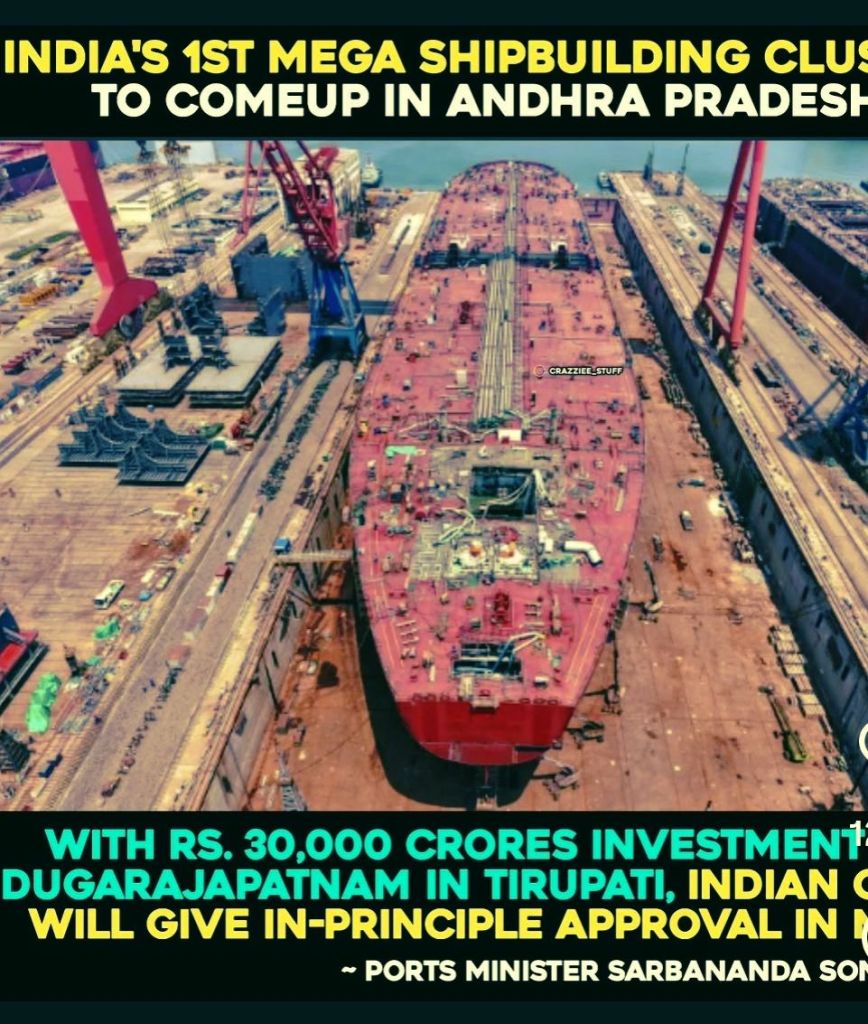
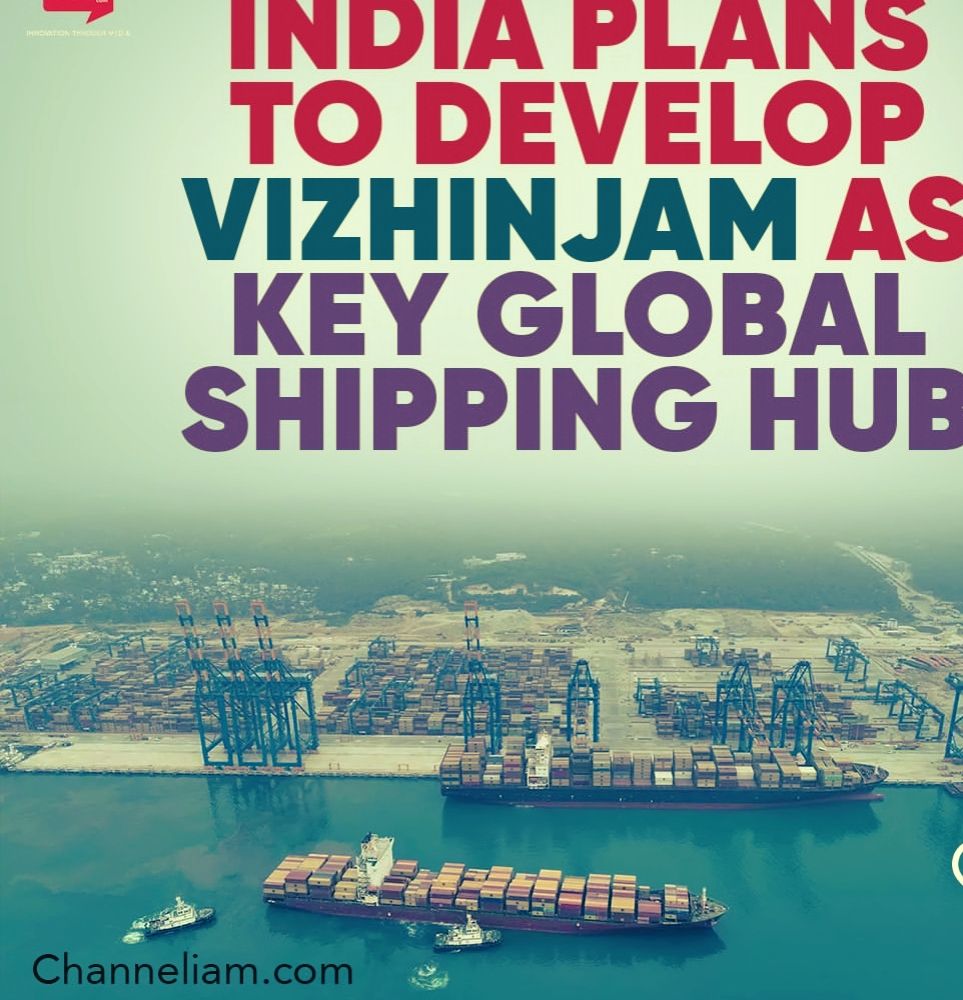
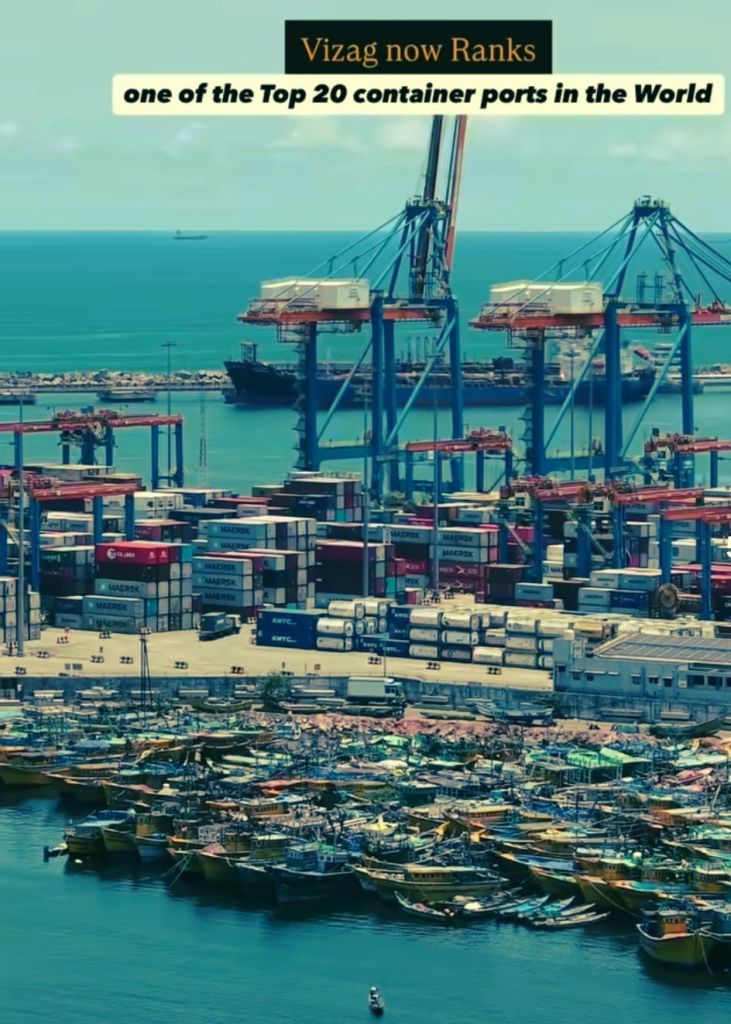
The infrastructure landscape reveals another paradox. The remarkable success of the deep-water transshipment hub at Vizhinjam has demonstrated that demand for world-class maritime services within India was never lacking. The real constraint was capacity. Yet capacity alone cannot solve systemic inefficiencies. For decades, cumbersome documentation processes, excessive regulatory layers, and fragmented governance structures hampered port competitiveness. The introduction of reforms such as “One Nation, One Port” signals an important shift toward standardization and ease of business. However, it also underscores the magnitude of institutional restructuring still required if Indian ports are to emerge among the world’s most efficient maritime gateways.
Recognizing these structural weaknesses, India has embarked upon one of the most comprehensive maritime reform agendas in its history. The introduction of multiple maritime legislations, a ₹69,725 crore shipbuilding package, a ₹25,000 crore Maritime Development Fund, and the expansion of the Sagarmala programme collectively represent a transition from isolated interventions to ecosystem-driven development. Ships are now being recognized as infrastructure assets, improving access to affordable financing. Simultaneously, efforts are underway to strengthen maritime insurance through the Bharat Maritime Insurance Pool, reducing dependence on foreign insurers whose decisions can increasingly be shaped by geopolitical calculations rather than commercial considerations alone.
The insurance dimension deserves special attention because modern maritime power extends beyond ships and ports into the realm of financial architecture. Recent global conflicts and sanctions regimes have demonstrated how insurance can be weaponized as an instrument of strategic pressure. A nation dependent on external insurers remains vulnerable to disruptions that originate far beyond its borders. India’s move toward sovereign-backed maritime insurance is therefore not simply a financial innovation; it is a strategic safeguard. Yet creating credibility in global insurance markets requires more than capital. It demands legal expertise, claims management capability, regulatory maturity, and long-term trust. Building such an ecosystem will test India’s institutional depth as much as its financial commitment.
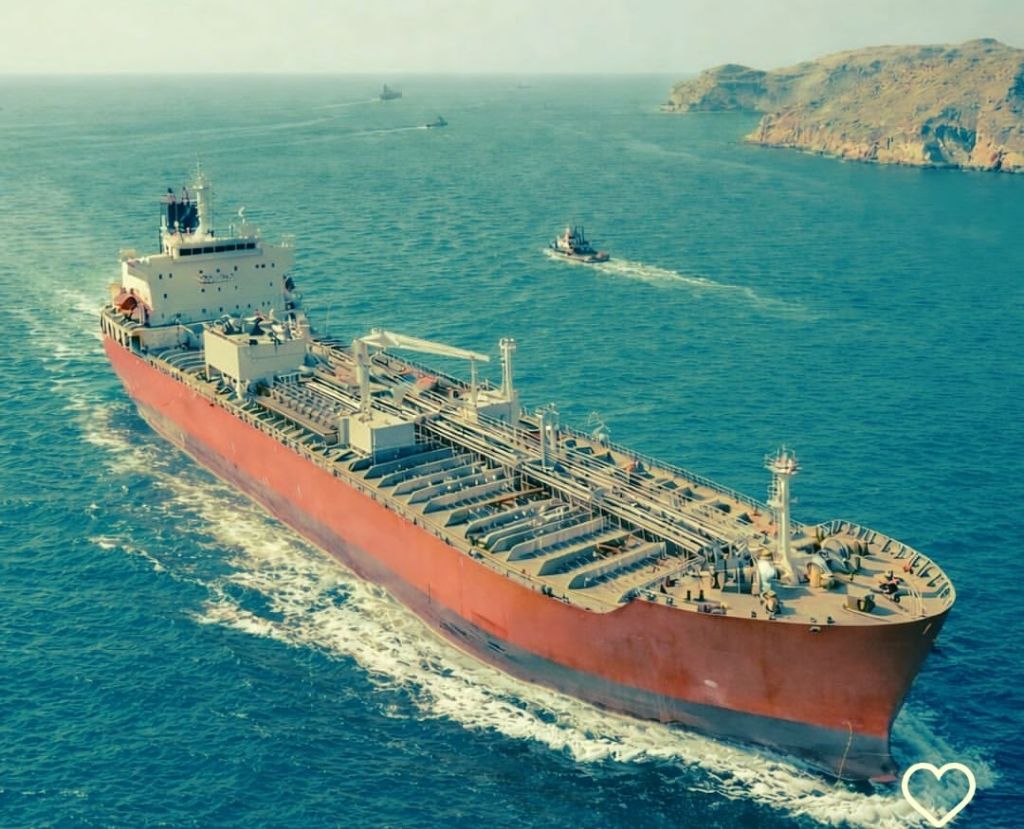
The larger challenge remains scale. Maritime industries reward size with relentless efficiency. Larger fleets reduce operating costs. Larger ports attract more shipping networks. Larger shipyards benefit from economies of scale. Larger insurers distribute risk more effectively. This creates powerful network effects that favor established global players. The dominance of global shipping giants is not the result of chance but of decades of accumulated capital, connectivity, and institutional strength. India’s reforms therefore must be viewed not as short-term corrective measures but as the foundation of a long-term maritime renaissance. International examples—from Singapore’s governance excellence and Rotterdam’s technological sophistication to China’s industrial scale and the UAE’s logistics-finance integration—offer valuable lessons. Yet India’s success will depend on creating a uniquely Indian model that combines infrastructure, finance, technology, regulation, and human capital into a single maritime ecosystem.
Perhaps the most profound transformation, however, is psychological. For much of the post-independence era, India perceived itself primarily as a continental power. The sea remained peripheral to strategic imagination despite centuries of maritime heritage. That mindset is now changing. Initiatives such as SAGAR, MAHASAGAR, Maritime India Vision 2030, and Maritime Amrit Kaal Vision 2047 reflect a nation rediscovering the strategic value of its geography. India is beginning to see the ocean not as a boundary separating it from the world, but as a bridge connecting it to opportunity, influence, and prosperity. The great maritime pivot underway today is therefore larger than ports or shipping lines. It is about transforming India from a passenger in global trade into one of its navigators. The coastline has always existed; what is emerging now is the national determination to convert that coastline into power. The oceans that once symbolized India’s missed opportunities may soon become the arena of its geoeconomics resurgence—and the foundation of its maritime sovereignty.
VISIT ARJASRIKANTH.IN FOR MORE INSIGHTS

