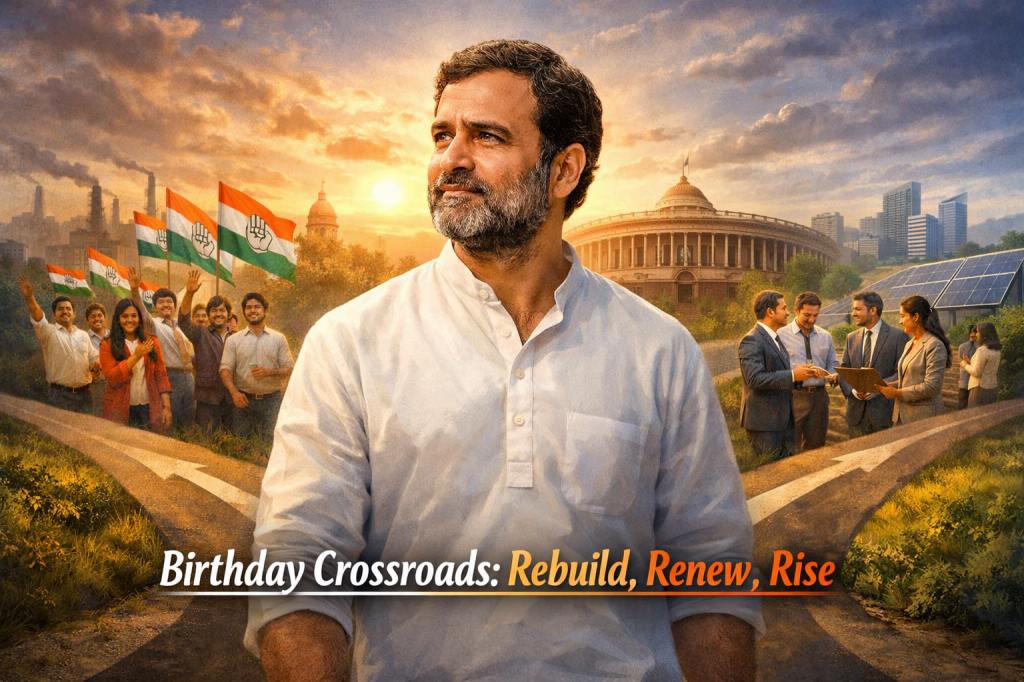
Birthdays are usually occasions for personal reflection, but for political leaders they often become markers of historical significance. As Rahul Gandhi celebrates another year, he stands at one of the most defining crossroads in contemporary Indian politics. Few leaders have experienced such dramatic swings in public perception. Once portrayed as a reluctant inheritor of a political legacy, Rahul Gandhi has gradually evolved into a persistent and resilient political figure whose interventions increasingly influence national discourse. Yet the larger question confronting him extends far beyond his individual political future. The real challenge is whether he can transform the Indian National Congress from a party burdened by its glorious past into an institution capable of shaping India’s future. The answer to that question will determine not only the trajectory of Congress but also the quality of democratic competition in the world’s largest democracy.
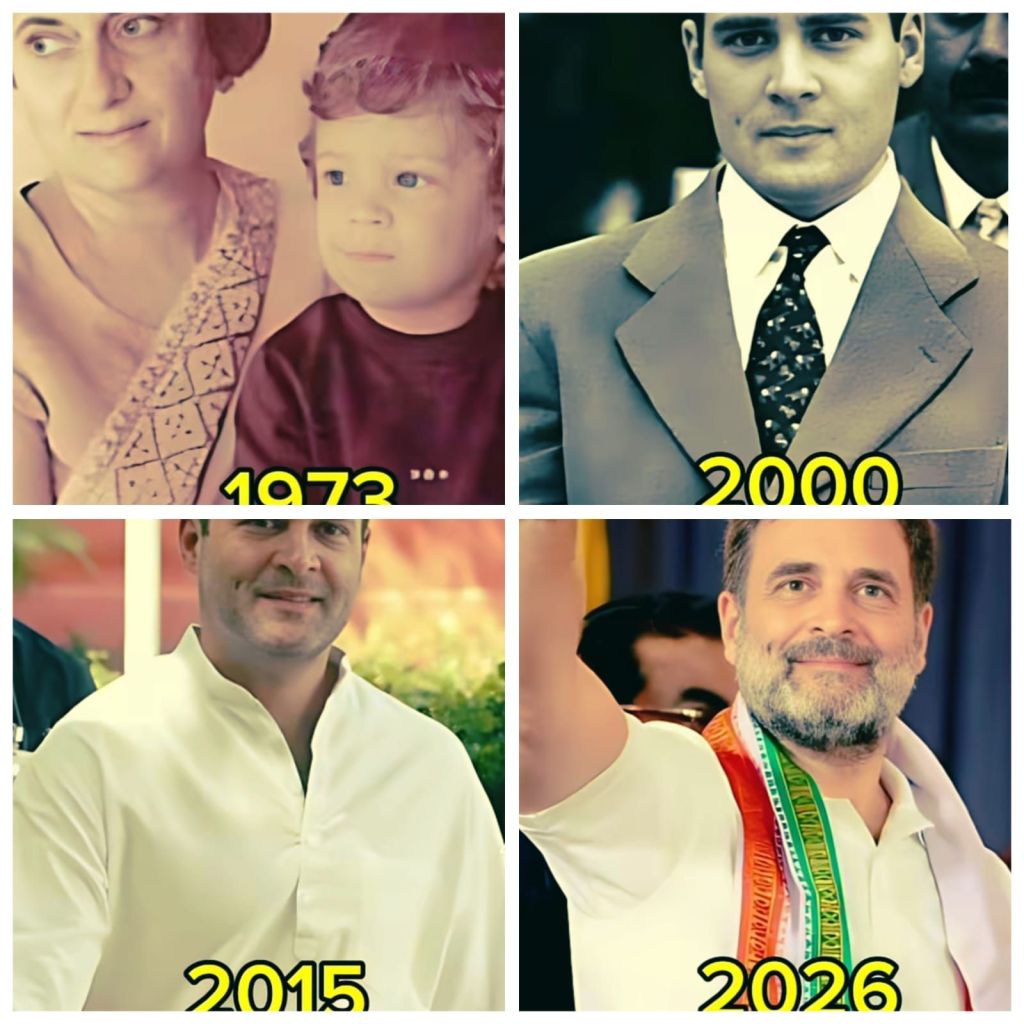
The challenge before him is extraordinary because Congress is not merely another political organization. It is one of the oldest political institutions in the world and a principal architect of modern India. The story of Congress is deeply intertwined with the story of Indian democracy itself. Its rise reflected the aspirations of a nation seeking freedom, while its decline mirrored profound social, economic, and political transformations that reshaped voter expectations. Consequently, rebuilding Congress is not simply an electoral exercise. It is an attempt to restore institutional relevance in an age characterized by rapid technological change, aspirational politics, regional assertiveness, and evolving leadership models. For Rahul Gandhi, success requires understanding that nostalgia alone cannot revive a political movement; only reinvention can.
Ironically, Rahul Gandhi’s greatest opportunity emerges from a paradox. He has become the party’s most recognizable and influential face at a moment when Congress requires less dependence on personalities and greater confidence in institutions. Sustainable political revival cannot rest indefinitely on a single surname, however powerful its historical resonance. The future demands a Congress that is decentralized, participatory, and institutionally robust. Rahul Gandhi’s most consequential contribution may not be as a commander leading a revival but as an architect designing conditions in which thousands of leaders can emerge independently. History often remembers not those who accumulated power but those who created systems capable of producing leadership beyond themselves.

His political evolution over the last several years suggests a significant personal transformation. The Bharat Jodo Yatra was more than a political campaign; it was a national exercise in engagement and listening. By walking across the country, Rahul Gandhi projected an image of a leader willing to absorb diverse perspectives and reconnect politics with empathy. In an era dominated by polarization, digital messaging, and political spectacle, this emphasis on dialogue distinguished his political identity. However, emotional connection alone cannot guarantee electoral success. Politics ultimately rewards organizational discipline, strategic execution, and the ability to convert public goodwill into sustained political momentum. The challenge now is transforming symbolic capital into institutional strength.
For Congress, the first and most urgent imperative is organizational renewal. Across several states, excessive centralization has often weakened local initiative and discouraged leadership development. A revitalized Congress must empower state units, encourage internal debate, and create opportunities for emerging leaders outside traditional power networks. Rahul Gandhi’s most enduring legacy may lie in consciously transferring authority downward rather than consolidating it upward. Strong institutions are not built when leaders control every decision; they are built when leadership is distributed and accountability is shared. Empowered local leadership can create stronger grassroots networks, foster innovation, and reconnect the party with voters who increasingly seek responsive governance rather than hierarchical politics.
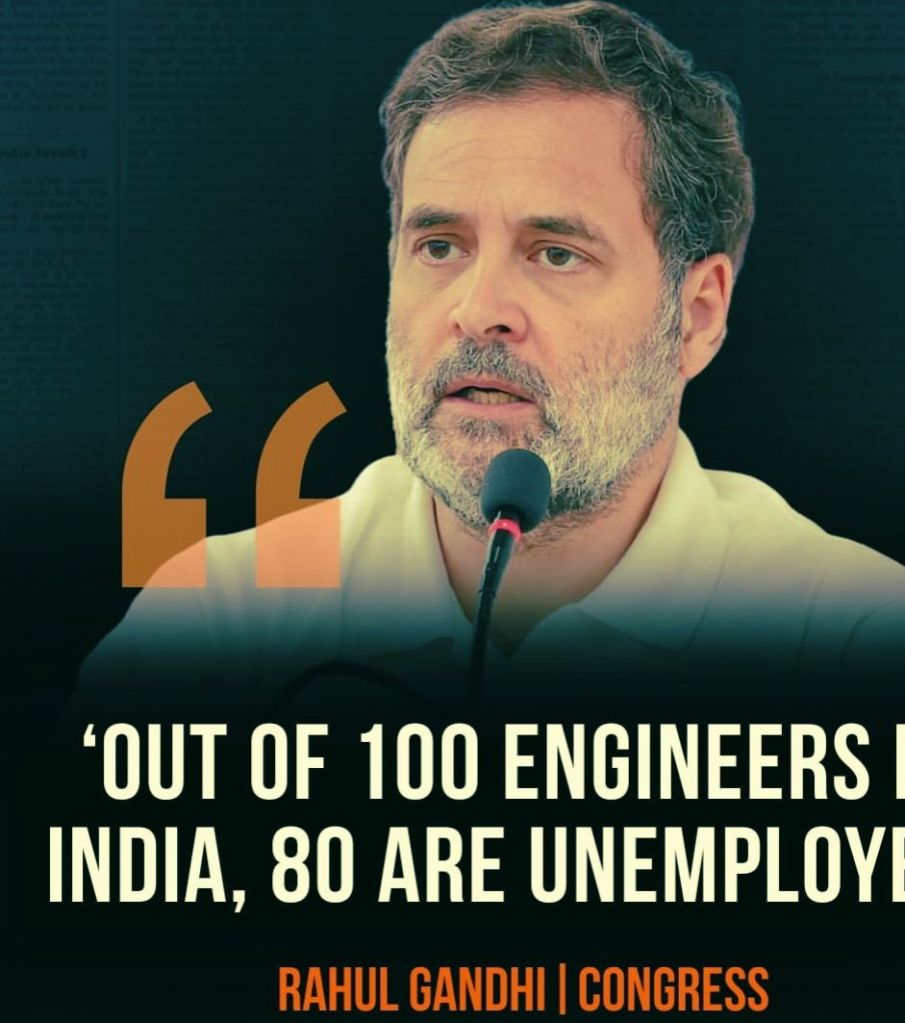
Equally important is the need to craft a compelling political narrative for a rapidly changing India. Congress has historically championed inclusion, social justice, and constitutional values. These remain vital pillars of democratic governance. Yet contemporary India is also powered by aspiration. Millions of young Indians seek not merely protection from hardship but pathways toward opportunity, innovation, and prosperity. They aspire to participate in emerging sectors such as technology, advanced manufacturing, renewable energy, entrepreneurship, and the digital economy. Congress must therefore articulate an economic vision that balances welfare with wealth creation, equity with growth, and social protection with entrepreneurial ambition. Successful politics today requires speaking simultaneously to the farmer seeking security and the innovator seeking opportunity.
The party must also redefine the very nature of opposition politics. Modern electorates increasingly reward those who provide solutions rather than merely highlight problems. Rahul Gandhi has emerged as a more confident parliamentary voice, but the next stage of political maturation requires transforming criticism into credible governance alternatives.
Congress-governed states can become laboratories of innovation by demonstrating practical solutions in education, healthcare, employment generation, digital governance, and social welfare. Effective opposition is not measured solely by its ability to challenge those in power; it is measured by its capacity to convince citizens that it is prepared to govern better. Constructive alternatives create credibility in ways that rhetoric alone never can.
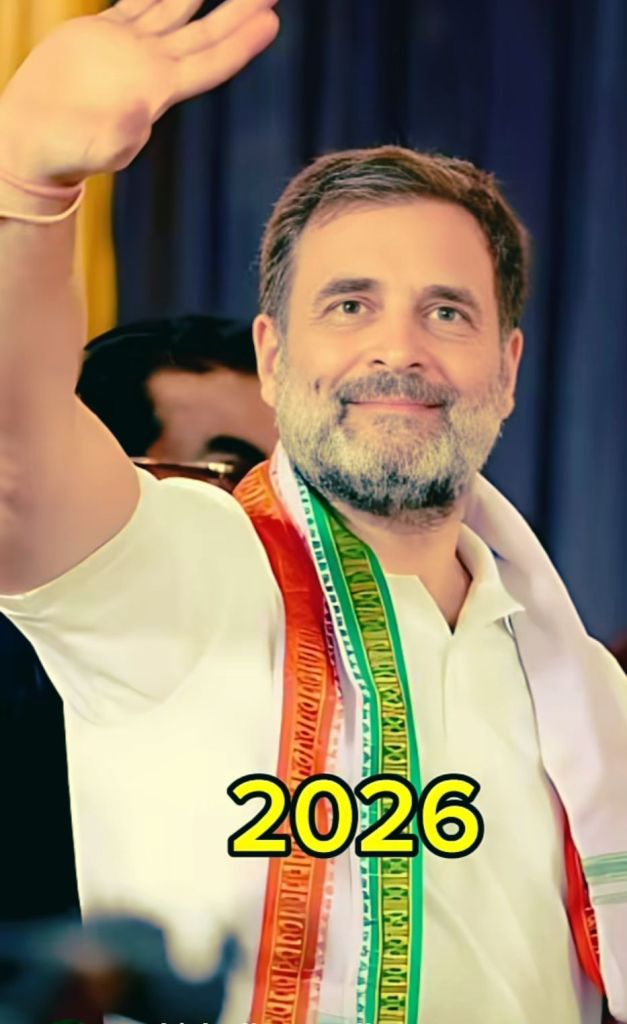
There is a deeper lesson in the evolving architecture of Indian politics. The era of uniform political dominance across every region has largely given way to a more federal and fragmented reality shaped by strong regional aspirations. Success now requires collaboration, coalition-building, and political humility. Rahul Gandhi’s ability to work constructively with regional leaders while simultaneously rebuilding Congress’s organizational capacity will significantly influence the party’s future. Most importantly, Congress must invest in young leaders, women, Dalits, OBCs, tribal communities, and emerging social voices that reflect the diversity of modern India. As Rahul Gandhi celebrates his birthday, he possesses qualities that even many critics increasingly acknowledge—resilience, persistence, empathy, and courage. Yet history reserves its highest honours for leaders who build institutions that outlive them. If he succeeds in transforming legacy into innovation, authority into empowerment, and leadership into collective ownership, this moment may be remembered not merely as a birthday but as the beginning of a second renaissance for India’s Grand Old Party. The candles will fade, but the opportunity to rebuild and rise remains brilliantly alive.
VISIT ARJASRIKANTH.IN FOR MORE INSIGHTS

