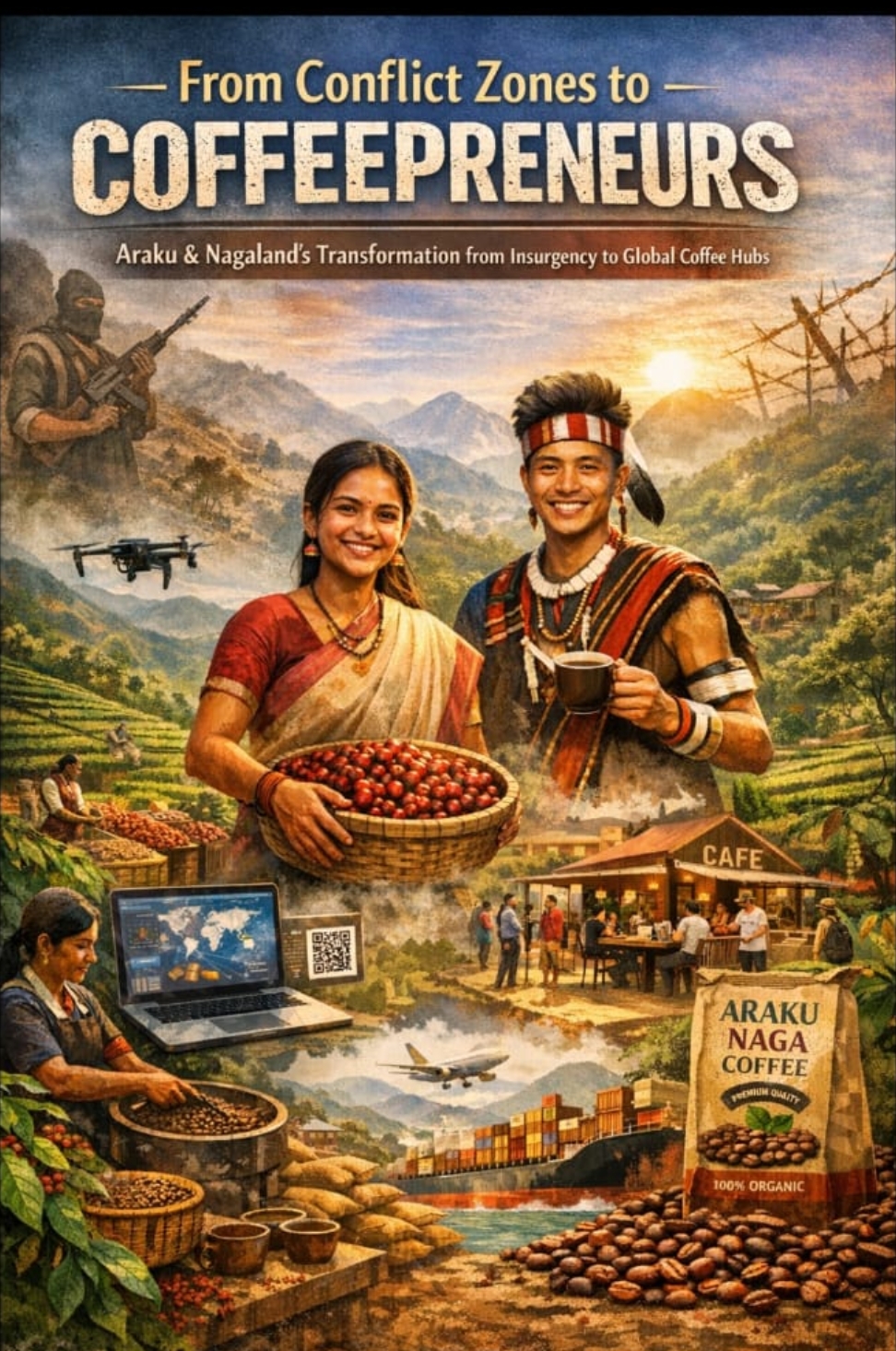
For decades, the valleys of Araku and the rugged hills of Nagaland occupied a troubled place in India’s national imagination. Araku was frequently viewed through the lens of Naxalism, while Nagaland was often discussed in the context of insurgency, political uncertainty, and security challenges. Development conversations revolved around conflict management rather than economic opportunity. Today, however, a remarkable reversal is underway. Some of India’s most remote tribal regions are emerging as globally recognized coffee destinations, powered not by government schemes alone but by a new generation of GenZ tribal entrepreneurs. Their success represents far more than an agricultural achievement; it signals the transformation of conflict geographies into enterprise geographies, where economic aspiration is succeeding where decades of state intervention struggled to deliver lasting change.

The significance of this transformation extends well beyond coffee cultivation. It is fundamentally altering India’s coffee map. For more than a century, the Western Ghats of Karnataka, Kerala, and Tamil Nadu dominated the industry, producing over 97 percent of India’s coffee and controlling established export networks, processing infrastructure, and global market access. The Western Ghats mastered the economics of scale. Araku and Nagaland, by contrast, are mastering the economics of distinction. Their ambition is not to compete through volume but through premiumization. In an era where consumers increasingly seek authenticity, sustainability, traceability, and unique flavor profiles, these tribal coffee ecosystems are creating value where traditional plantation economics cannot.
This new coffee revolution differs profoundly from the plantation model that shaped India’s coffee history. In Araku and Nagaland, cultivation is undertaken primarily by small tribal farmers managing modest plots integrated into forest landscapes. Coffee grows alongside fruit trees, spices, medicinal plants, and indigenous vegetation, creating biodiverse agroforestry systems that naturally align with global demand for climate-resilient and environmentally sustainable agriculture. What conventional economics once viewed as fragmentation is now emerging as a competitive advantage. In the specialty coffee market, uniqueness often commands a higher premium than scale. The forests that once isolated these communities are becoming the source of their global differentiation.
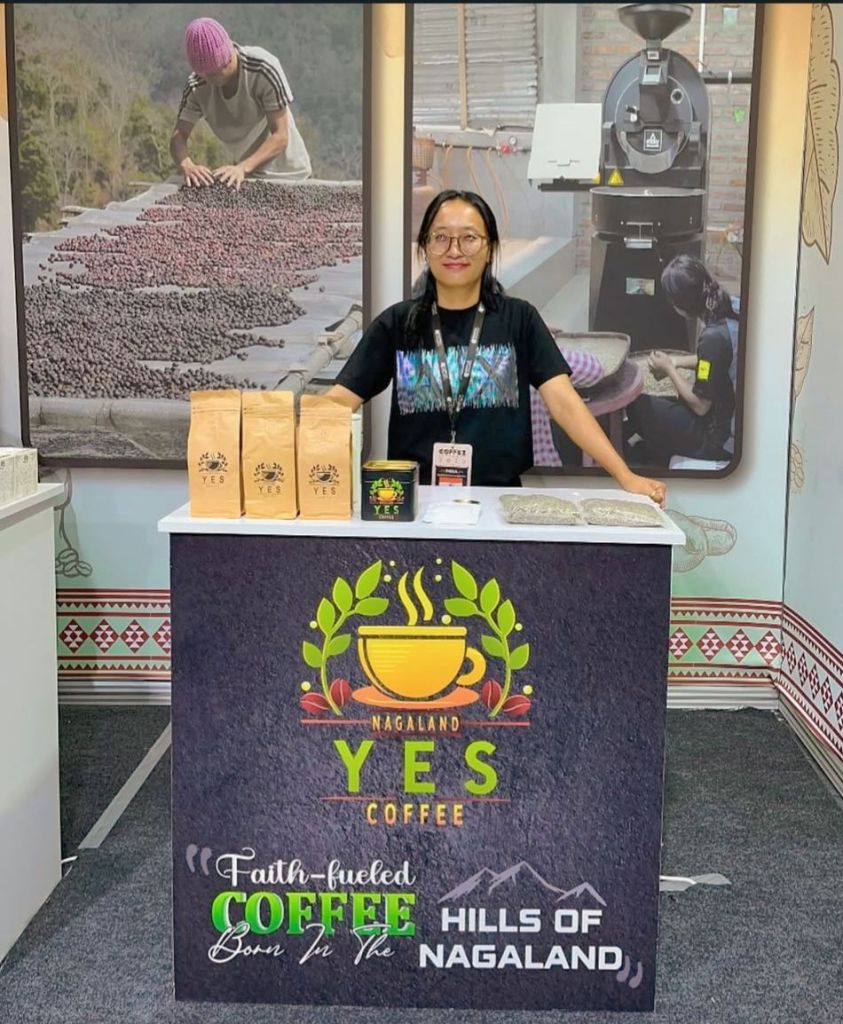
At the center of this transformation stands a generation unlike any before it. These young tribal entrepreneurs combine ancestral ecological wisdom with digital-age business intelligence. They are not merely farmers; they are brand builders, storytellers, marketers, and global networkers. Equipped with smartphones rather than traditional middlemen, they use social media, e-commerce platforms, QR-code traceability systems, and direct-to-consumer channels to connect remote villages with consumers across continents. They understand a critical truth about the modern specialty coffee economy: consumers no longer purchase products alone—they purchase stories. Every cup of coffee from Araku or Nagaland carries a narrative of indigenous heritage, ecological stewardship, community resilience, and post-conflict renewal.

Araku’s rise provides perhaps the most compelling evidence of this model’s transformative potential. Once associated with poverty and Maoist influence, the valley has evolved into one of India’s most celebrated specialty coffee regions. Through organic cultivation, community participation, international partnerships, and strategic branding, Araku coffee has gained recognition in some of the world’s most discerning markets. More importantly, it has challenged the traditional development paradigm. Tribal communities are no longer positioned merely as suppliers of raw commodities. They are increasingly becoming owners of brands, controllers of value chains, and custodians of intellectual property. The transformation of Araku demonstrates that economic empowerment is most sustainable when communities move beyond production into ownership.
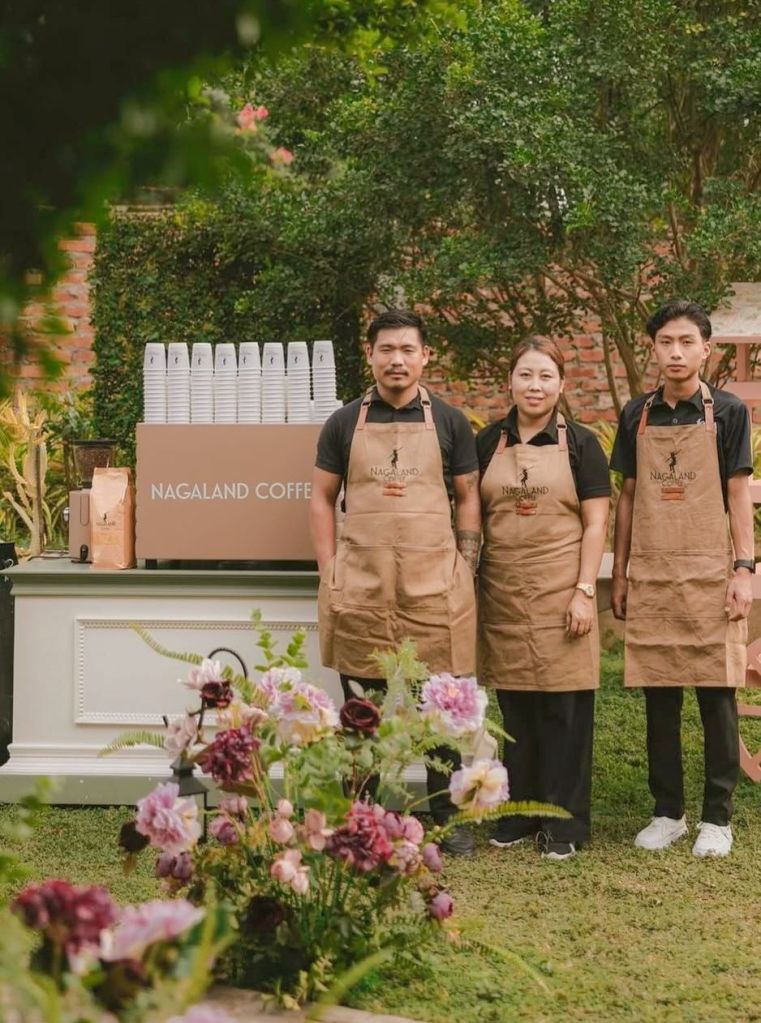
Nagaland’s coffee journey is equally significant because it represents a deliberate rejection of conventional agricultural development models. Rather than chasing mass production, the state is pursuing premiumization, quality differentiation, and niche global markets. Coffee cultivation remains modest compared to the Western Ghats, yet its growth trajectory is remarkable. Thousands of tribal farmers now participate in an expanding ecosystem supported by local processing units, specialty roasters, government initiatives, and entrepreneurial ventures. Young Nagas trained as baristas, cuppers, coffee tasters, and specialty coffee professionals are building careers that connect remote mountain villages directly to global consumer markets. Their success challenges the long-standing assumption that modernization requires migration to metropolitan centers.
Technology has become the great equalizer in this rural renaissance. Digital mapping, geotagging, satellite monitoring, mobile payments, online marketplaces, and precision agriculture tools are overcoming historical barriers of remoteness and weak infrastructure. Compliance with demanding international regulations, including stringent sustainability and deforestation standards, is becoming increasingly achievable through digital traceability systems. For the first time, tribal farmers in some of India’s most isolated regions can participate directly in global value chains while retaining ownership and control over their products. Technology is not replacing indigenous knowledge; it is amplifying its economic value.
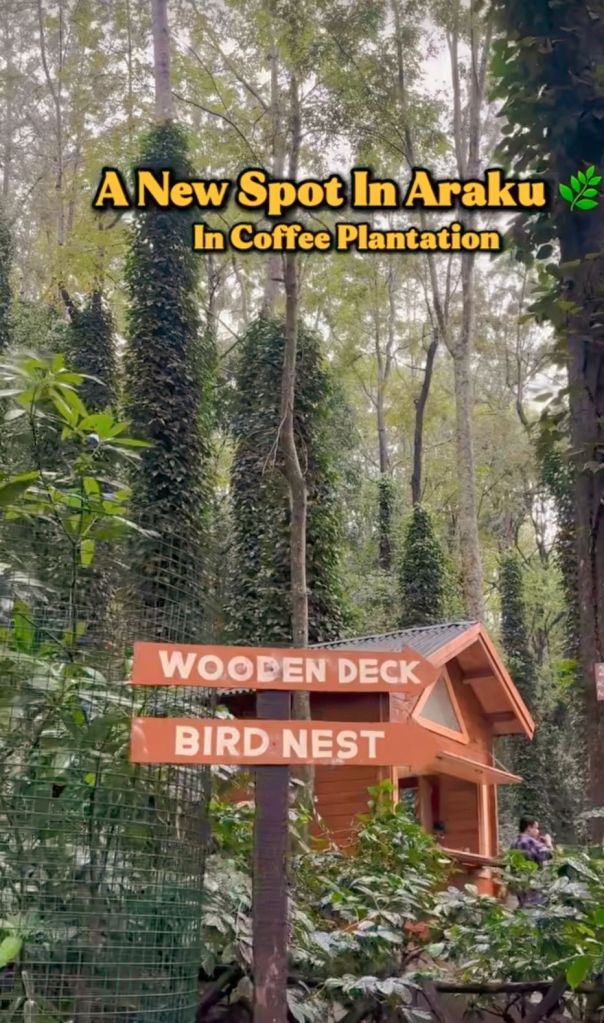
The broader implications of this transformation are profound. Coffee is generating livelihoods far beyond the farm gate. Nurseries, processing centers, logistics networks, tourism ventures, cafés, branding agencies, training institutions, and export services are creating a diversified rural economy. The emergence of coffee tourism is particularly transformative, attracting visitors seeking authentic cultural and ecological experiences. Regions once associated with conflict are becoming destinations of curiosity, investment, and aspiration. Most importantly, young people increasingly view agriculture not as a symbol of economic stagnation but as a platform for entrepreneurship and global engagement. The coffee bean is becoming a vehicle of social mobility.
The story unfolding in Araku and Nagaland is therefore not fundamentally about coffee. It is about the power of economic imagination to rewrite the destiny of regions long trapped by conflict narratives. The GenZ tribal entrepreneurs of India’s eastern frontiers are proving that prosperity can emerge from places once dismissed as peripheral. They are replacing the language of insurgency, extremism, and marginalization with the language of innovation, sustainability, and enterprise. If the twentieth century belonged to the plantation empires of the Western Ghats, the twenty-first may well belong to the connected, confident, and globally ambitious tribal coffee-preneurs of Araku and Nagaland. In this extraordinary transformation, the most powerful instrument of change is neither the state nor the market alone—it is a coffee bean in the hands of a tribal entrepreneur determined to redefine the future.
VISIT ARJASRIKANTH.IN FOR MORE INSIGHTS

