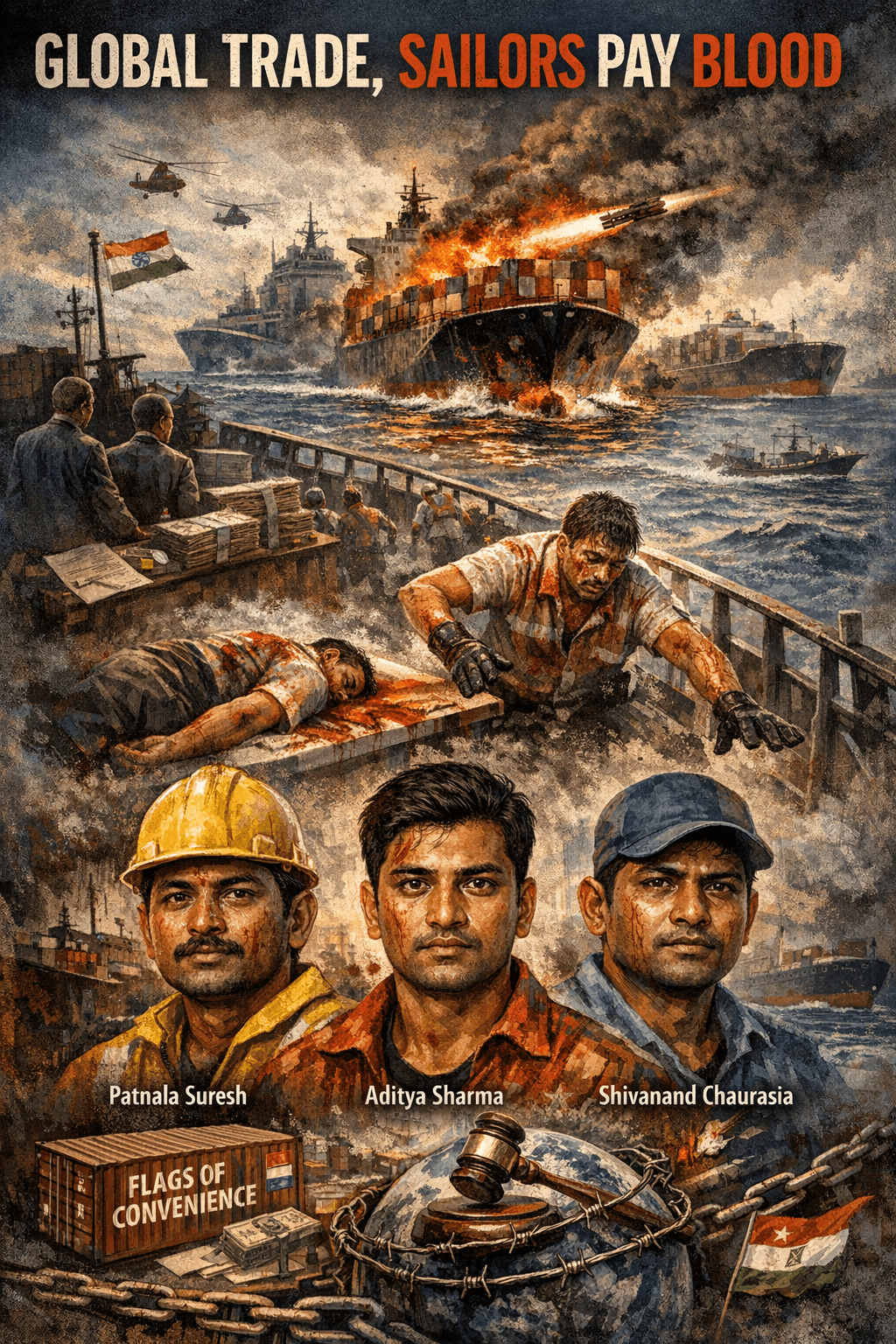
The deaths of Indian seafarers Patnala Suresh, Aditya Sharma, and Shivanand Chaurashiya near the Strait of Hormuz are not merely tragic consequences of escalating tensions between the United States and Iran. They expose a far deeper structural failure embedded within the architecture of global commerce itself. Beneath the celebrated narrative of globalization lies an uncomfortable truth: the international maritime system has evolved into a sophisticated mechanism that protects capital, shields corporations, and disperses liability while transferring the greatest risks onto the shoulders of ordinary sailors. These men did not die because the sea was unforgiving. They died because a legal order designed to facilitate trade increasingly prioritizes commercial efficiency over human security.
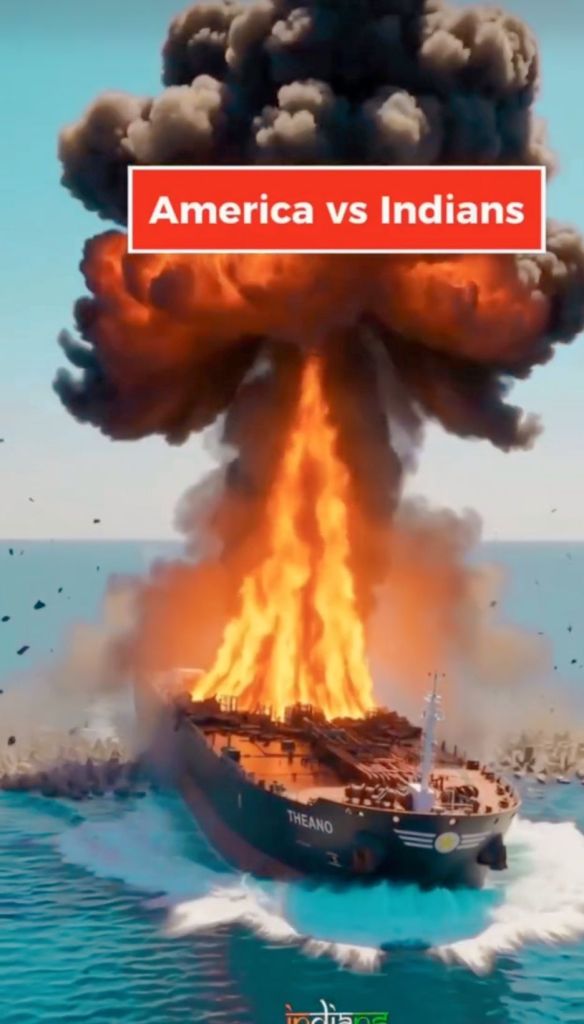
Modern shipping remains the invisible bloodstream of the global economy. Nearly ninety percent of international trade travels by sea, carrying the energy, food, and manufactured goods that sustain modern civilization. Yet the legal framework governing this immense network has gradually transformed into a system of regulatory arbitrage. The Gulf of Oman incidents reveal how quickly commercial vessels become collateral damage when geopolitical rivalries intersect with maritime commerce. What appears to consumers as a seamless supply chain is, in reality, a fragile network operating under legal arrangements that often obscure responsibility and dilute accountability.
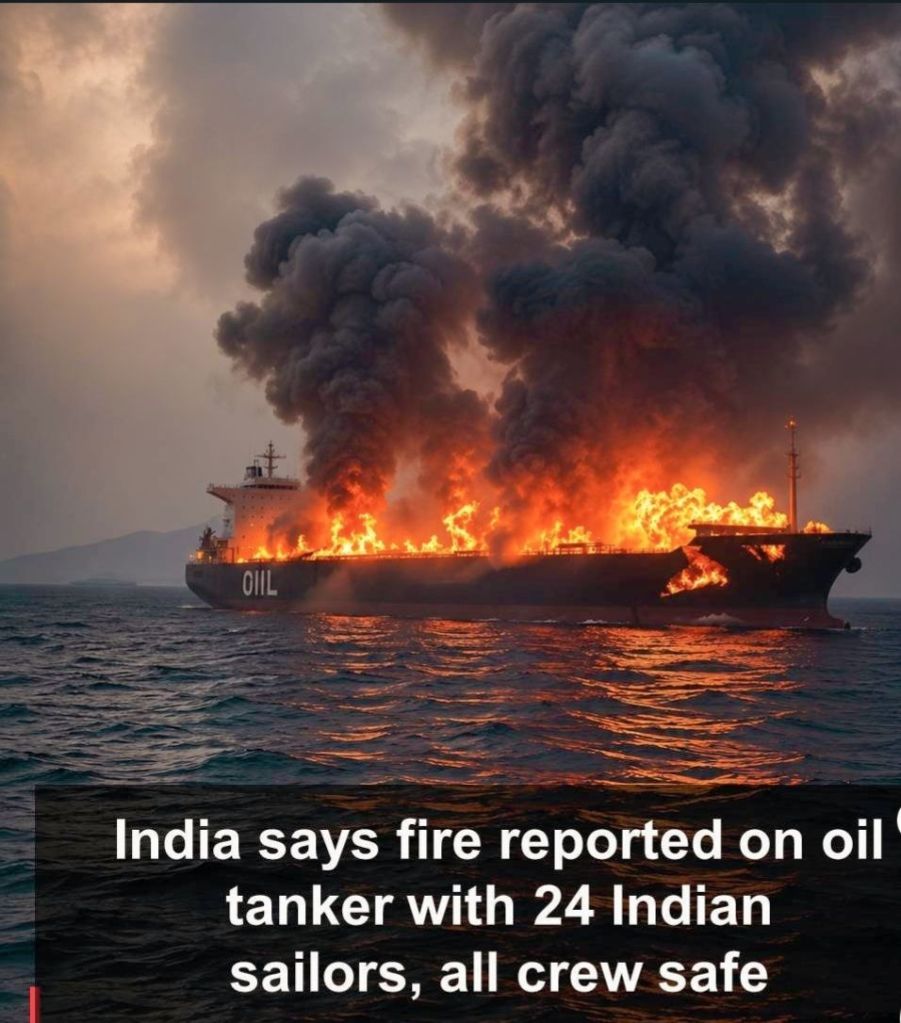
At the heart of this system lies one of the most controversial features of international maritime law: the doctrine of “flags of convenience.” Under current regulations, shipowners may register vessels in countries with which they have little or no genuine economic, political, or operational connection. Consequently, a vessel may be owned in one nation, managed from another, insured through a third jurisdiction, crewed by sailors from developing countries, and yet legally sail under the flag of a small state thousands of miles away. The MT SetetBello and MT Marivex sailed under Palau’s registry, while MT Jalveer operated under Guinea-Bissau’s flag. These choices were not driven by national affiliation; they were commercial calculations designed to minimize regulation and maximize flexibility.
Over time, several flag states have effectively transformed maritime identity into a commodity for sale. Their registries compete globally by offering lower costs, lighter inspections, weaker labor obligations, and reduced regulatory scrutiny. This competition has produced what economists describe as a “race to the bottom,” where commercial advantage is achieved through diminished oversight rather than improved standards. While shipowners enjoy lower operating costs, the hidden price is often paid by crews through weaker protections, fewer safeguards, and limited recourse when crises occur. In effect, legal distance becomes a shield for corporate interests and a vulnerability for workers.
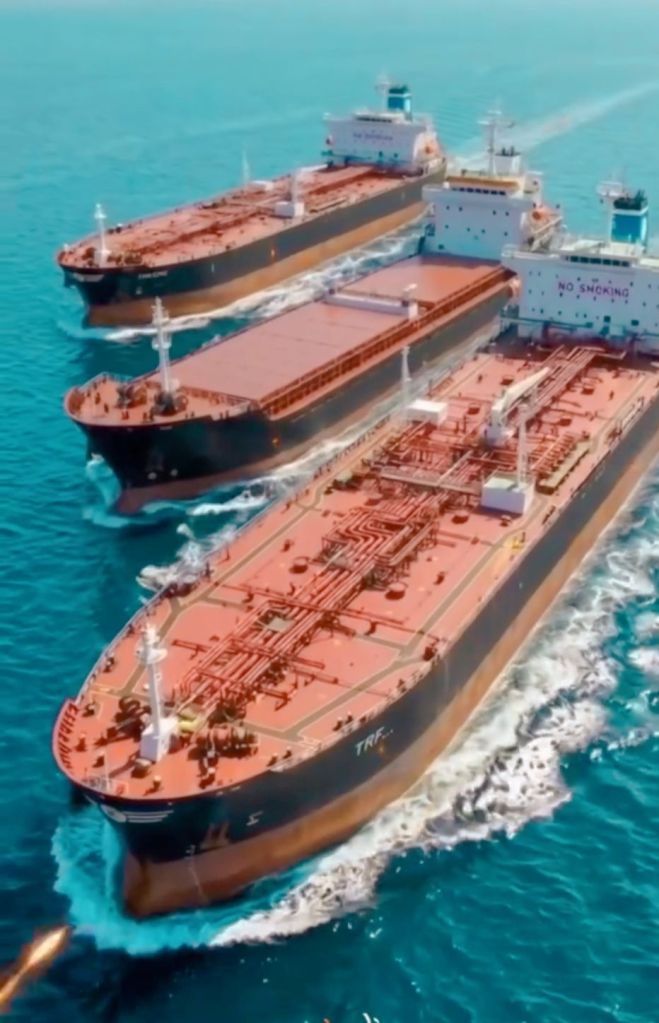
The dangers of this model become acute during geopolitical confrontations. Reports surrounding the Gulf attacks indicate possible links to the so-called shadow fleet—a complex network of vessels engaged in transporting sanctioned commodities through opaque ownership structures, frequent flag changes, ship-to-ship transfers, and periods of operating with disabled tracking systems. Such practices exploit gaps within international law while enabling commerce that would otherwise face restrictions. Yet the individuals onboard rarely possess any influence over these strategic decisions. Sailors do not determine sanctions policies, ownership arrangements, cargo destinations, or geopolitical alignments. Nevertheless, when missiles are launched or blockades enforced, it is the crew—not the financiers, charterers, insurers, or beneficial owners—who stand directly in the line of fire.
This reality exposes one of the greatest moral contradictions of contemporary maritime governance. International humanitarian law provides extensive protections for civilian populations during armed conflict, yet merchant mariners increasingly occupy a dangerous grey zone between civilian status and strategic utility. Economic warfare is frequently presented as a cleaner alternative to conventional military confrontation. In practice, sanctions, maritime interdictions, and blockade enforcement often generate casualties that remain largely invisible to the public. Unlike soldiers, these victims receive little national recognition. Unlike civilians on land, they often perish far from public scrutiny. Their deaths become administrative statistics rather than political events.
The burden falls disproportionately on countries such as India, Bangladesh, and the Philippines, which supply a significant share of the world’s maritime workforce. Hundreds of thousands of Indian sailors serve aboard foreign-flagged vessels across the globe, often accepting assignments in high-risk waters because maritime employment remains one of the most reliable pathways to economic mobility. The rewards of globalization flow upward through shipping conglomerates, commodity traders, insurers, and logistics networks. The risks flow downward toward seafarers whose bargaining power remains limited. This imbalance transforms global shipping into a system where profit is privatized while danger is outsourced.
The Strait of Hormuz incidents demonstrate how rapidly this imbalance can become fatal. As tensions escalated between Washington and Tehran, commercial tankers operating within contested maritime corridors effectively became strategic assets in a larger geopolitical contest. Advisories instructing vessels to remain anchored or await clearance provided only an illusion of security. A tanker trapped within a conflict zone remains vulnerable regardless of whether it is moving, drifting, or stationary. For the sailors onboard, the distinction between commercial commerce and military significance vanishes the moment a missile strikes the hull. In that instant, global geopolitics becomes intensely personal.

Perhaps the most troubling dimension of these tragedies is the near impossibility of establishing accountability. Flag states frequently lack the institutional capacity or geopolitical influence to defend their registered vessels. Ownership structures are intentionally fragmented across jurisdictions. Operators, financiers, charterers, insurers, and managers often reside in separate legal systems, creating layers of separation that obscure responsibility. When disaster occurs, liability dissolves into a maze of contractual arrangements where every participant can claim technical compliance while no one accepts moral responsibility. The result is a maritime order capable of protecting ships, cargoes, and profits, yet astonishingly ineffective at protecting the human beings who make global trade possible.
The deaths of Patnala Suresh, Aditya Sharma, and Shivanand Chaurashiya should therefore be understood as more than casualties of a regional confrontation. They are casualties of a global maritime system that has normalized opaque ownership, tolerated regulatory arbitrage, and institutionalized the transfer of risk from corporations to crews. Until international maritime governance embraces ownership transparency, enforceable labor protections, and accountability that extends beyond the flag state, similar tragedies will recur. The ocean has always been dangerous, but in the twenty-first century the greatest threat to seafarers is no longer the storm. It is a legal architecture sophisticated enough to protect everything except the sailor standing on the deck.
VISIT ARJASRIKANTH.IN FOR MORE INSIGHTS

