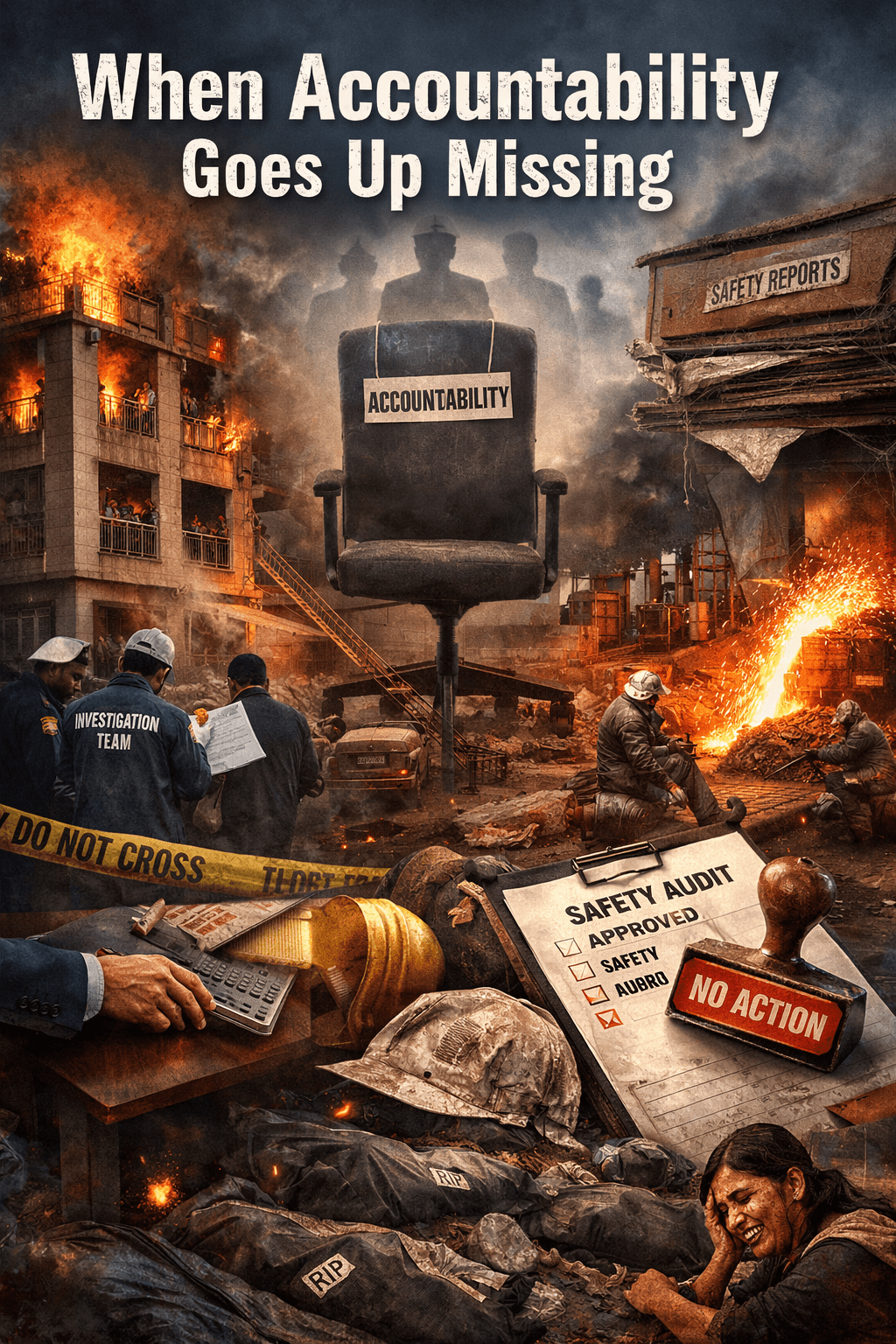
India has become remarkably efficient at investigating disasters it should have prevented. Every few months, another catastrophe erupts somewhere in the country—a hotel fire, an industrial explosion, a residential building collapse, a hospital blaze, or a factory accident. The script rarely changes. Emergency sirens wail, television cameras arrive, compensation packages are announced, inquiries are ordered, and officials solemnly promise that lessons will be learned. Yet before those promises are forgotten, another tragedy arrives. The recurring pattern reveals an uncomfortable truth: India’s greatest safety challenge is not the absence of regulations, but the absence of accountability.

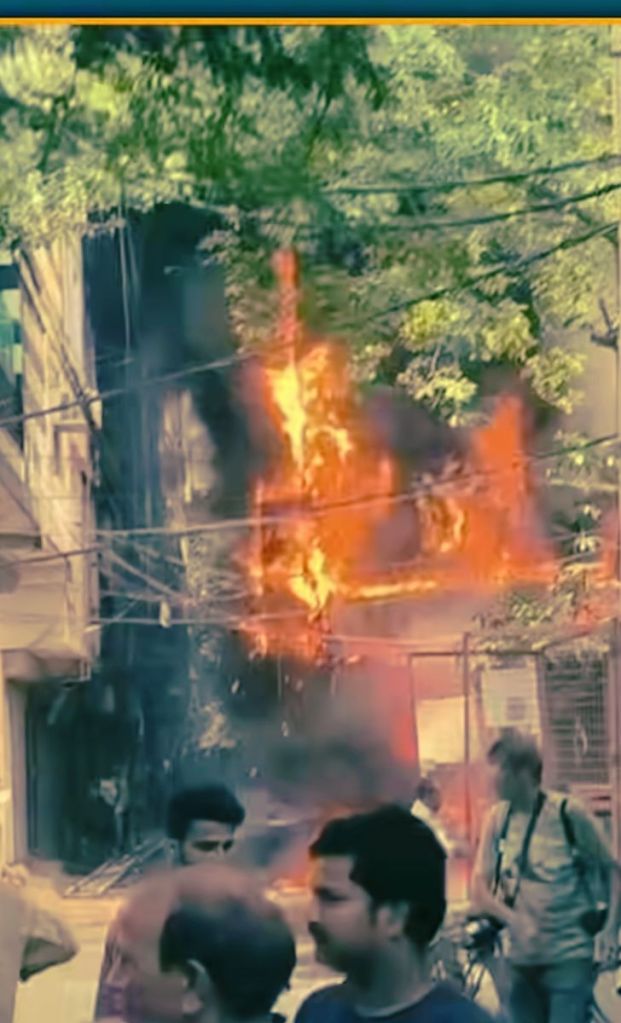
The devastating June 2026 fire at the illegally operated Flourish guesthouse in Malviya Nagar, New Delhi, stands as a chilling symbol of this governance failure. Twenty-one people lost their lives, including foreign medical tourists who had come to India seeking treatment and recovery. They did not die because of an uncontrollable natural calamity. They died because a building that was never designed to safely accommodate its occupants was allowed to operate for years in violation of basic safety norms.
The facts are staggering. A structure reportedly approved for six rooms across three floors was functioning as a twenty-five-room commercial establishment spread over five floors with additional basement facilities. The building relied largely on a single staircase for evacuation. Fire safety systems were either inadequate or ineffective. Ventilation was poor. Escape routes were limited. The result was predictable: when smoke spread through the building, it became a vertical coffin.
The true scandal, however, lies not in the fire itself but in the years of administrative indifference that preceded it. Illegal floors do not appear overnight. Unauthorized commercial operations do not remain invisible for years. Fire clearances, municipal permissions, inspections, and local enforcement mechanisms are all designed to identify precisely such violations. For a structure of this scale to function continuously, multiple layers of regulatory oversight had to fail—or look away.
Yet, as is often the case, the aftermath focused on arresting owners and managers while the institutional ecosystem that enabled the violations remained largely untouched. The bureaucratic chain that approved, ignored, certified, or failed to inspect the property rarely faces scrutiny equal to that imposed on frontline operators. Accountability descends downward; it rarely travels upward.
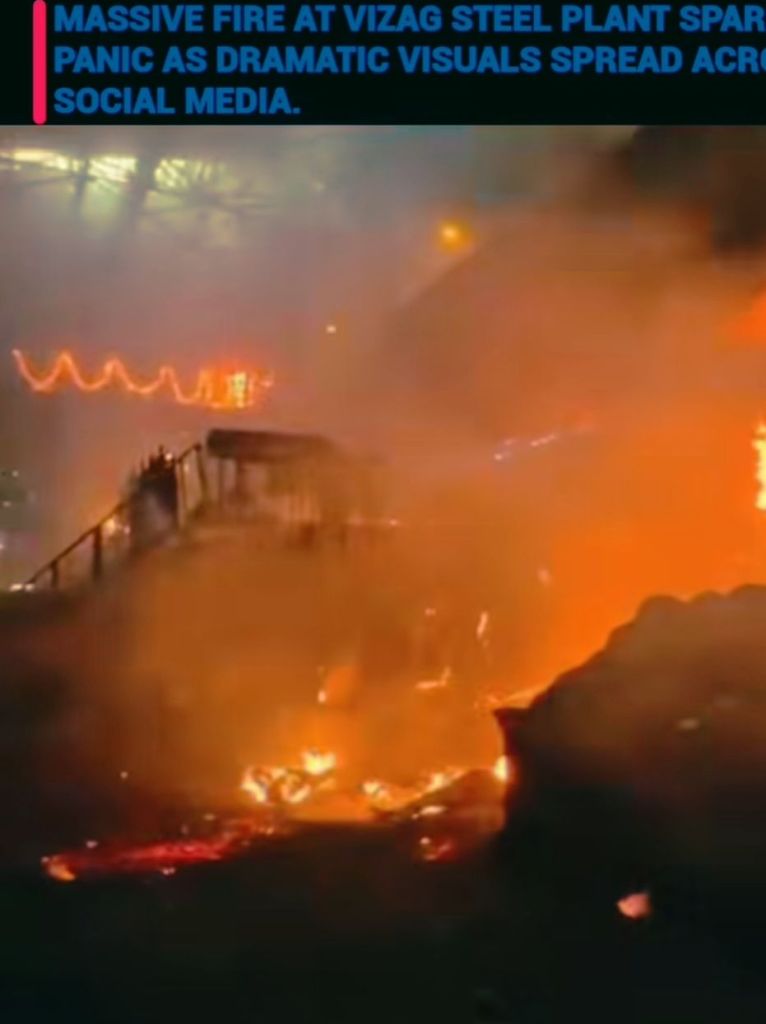
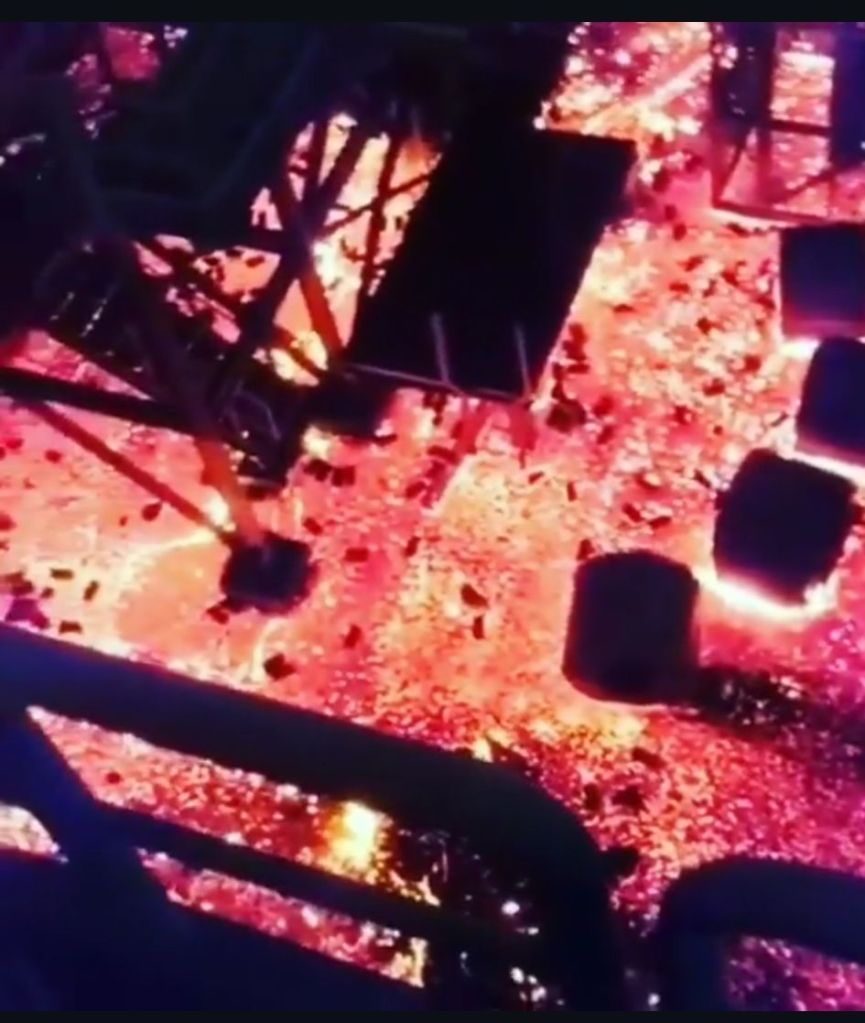
A similar pattern is visible in India’s industrial landscape. The repeated fatal accidents at the Visakhapatnam Steel Plant provide another sobering example. The June 2026 molten metal spill, reportedly triggered by a malfunctioning ladle carrying steel heated to nearly 1,600 degrees Celsius, transformed a workplace into a death zone within seconds. Yet this was not an isolated incident. The plant’s history includes the catastrophic 2012 oxygen pressure-reducing station explosion that killed nineteen workers, along with numerous fatalities caused by crane failures, slag eruptions, gas leaks, rail accidents, and structural collapses.
Each incident is frequently attributed to “human error.” While convenient, this explanation often conceals deeper systemic failures. Modern safety science demonstrates that catastrophic accidents rarely result from a single mistake. They emerge when multiple safeguards fail simultaneously. Deferred maintenance, ignored warnings, production pressures, inadequate training, aging equipment, weak supervision, and poor safety culture gradually create conditions where disaster becomes inevitable.
By the time molten steel spills or oxygen systems explode, the accident has often been incubating for years. What connects Malviya Nagar and Visakhapatnam is not merely fire or death. It is a governance culture that confuses compliance with safety. Across sectors, safety is too often reduced to certificates, inspection reports, No-Objection Certificates, and regulatory paperwork. Documentation becomes an end in itself rather than a means of preventing harm. Institutions become adept at generating files while remaining incapable of managing risk.
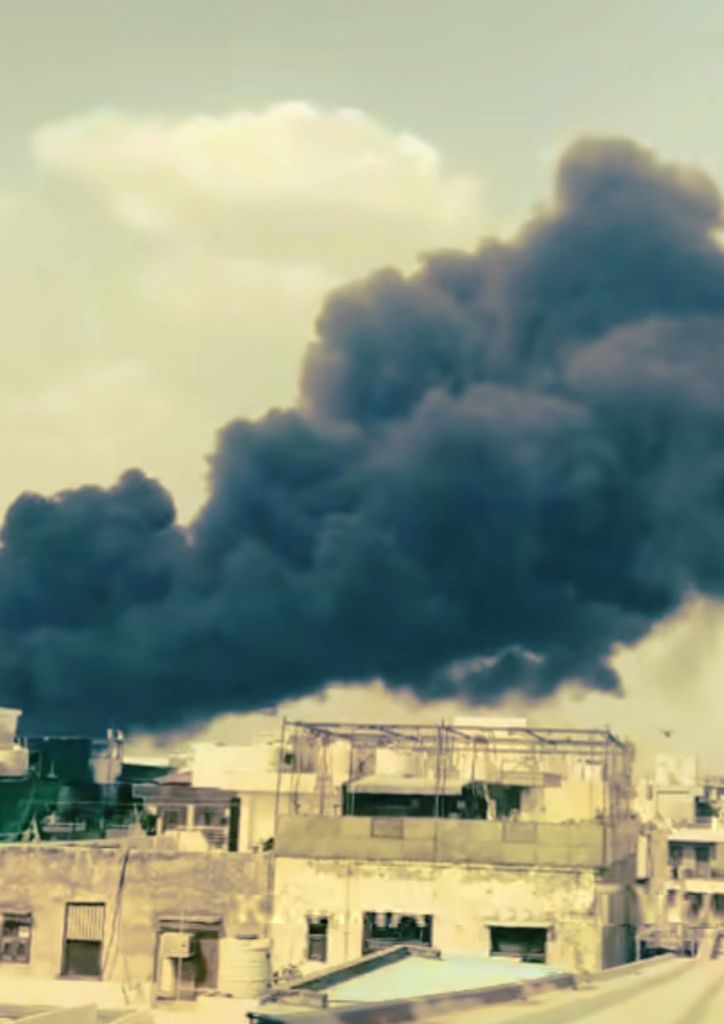
This paperwork-driven approach creates a dangerous illusion of preparedness. Buildings appear compliant because certificates exist. Factories appear safe because audits were completed. Yet when emergencies occur, the gap between documented compliance and operational reality becomes horrifyingly visible. The economic consequences are equally severe. Every major industrial accident undermines investor confidence, disrupts production, increases insurance costs, and damages institutional credibility. Urban disasters discourage tourism, strain healthcare systems, and weaken confidence in public administration. Beyond the immediate human loss, preventable accidents impose long-term economic costs that rarely enter official calculations.
Perhaps the most troubling aspect is the asymmetry of consequences. A building owner may be arrested. A supervisor may be suspended. A contractor may be blacklisted. Yet the approving authority who overlooked violations, the inspector who ignored deficiencies, or the executive who tolerated unsafe conditions often escapes meaningful accountability. The larger the institution, the more responsibility becomes diffused until nobody is truly responsible.
This creates a profound moral hazard. When systems know that accountability will stop at the lowest rung, preventive action loses urgency. Safety audits become rituals. Inspections become formalities. Warning signs become paperwork. Human lives become secondary to administrative convenience. India does not suffer from a shortage of laws, guidelines, committees, or regulatory agencies. It suffers from a shortage of consequences. Buildings must face rigorous safety audits. Unauthorized structures should be shut down before tragedy occurs, not afterward. Industrial facilities handling hazardous materials require predictive maintenance, independent safety oversight, and continuous risk monitoring. Most importantly, accountability must extend to decision-makers, certifying authorities, and institutional leaders—not merely operators on the ground.
The tragedies of Malviya Nagar and Visakhapatnam expose a disturbing reality. India has mastered the language of condolence but has yet to master the discipline of prevention. Until accountability climbs the ladder of power instead of stopping at its base, disasters will continue to repeat themselves with frightening regularity. The deadliest fire in India is not the one that consumes buildings or factories. It is the one that consumes responsibility itself. And until that fire is extinguished, the nation will continue constructing memorials where systems of safety should have stood.
VISIT ARJASRIKANTH.IN FOR MORE INSIGHTS

