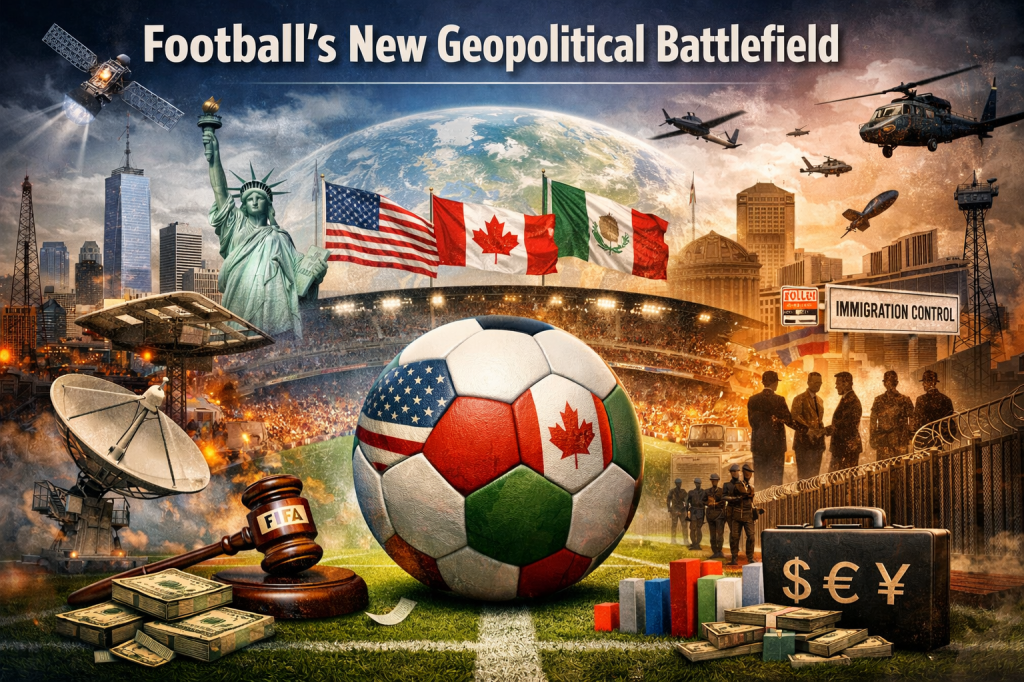
For generations, the FIFA World Cup stood as the ultimate celebration of sporting purity—a rare global event capable of transcending borders, ideologies, and conflicts. Every four years, billions of people suspended political disagreements and economic anxieties to embrace a shared passion played on a simple rectangular field. Football earned its reputation as humanity’s universal language because it united nations that often shared little else in common. Yet as the world approaches FIFA 2026, that romantic narrative appears increasingly outdated. The tournament is no longer merely a competition between national teams; it has evolved into a vast geopolitical, commercial, and diplomatic enterprise where the game itself often seems secondary to the forces surrounding it.
Jointly hosted by the United States, Canada, and Mexico, FIFA 2026 will be the largest World Cup ever organized. The expansion to 48 participating nations, dozens of host cities, and projected revenues surpassing billions of dollars has been presented as a triumph of inclusivity and global representation. However, beneath the celebratory rhetoric lies a more complex reality. The tournament reflects the defining characteristics of the twenty-first century: globalization, economic competition, migration debates, strategic diplomacy, and the growing influence of multinational corporations. Rather than existing above politics, FIFA 2026 has become a mirror reflecting the political and economic architecture of the contemporary world.
The commercial transformation of football is perhaps the most visible aspect of this evolution. The World Cup is no longer simply a sporting event; it is one of the most valuable entertainment products on the planet. Every component—from broadcasting rights and sponsorship agreements to hospitality packages, digital content, and ticketing systems—is meticulously designed to maximize revenue. FIFA justified the expansion from 32 to 48 teams as a democratization of global football, enabling broader participation from emerging nations. While that argument carries merit, the financial incentives are equally significant. More teams mean more matches, larger audiences, additional advertising inventory, and greater opportunities for commercial monetization.
The dynamics surrounding broadcasting rights in India offer a revealing example of this new reality. Traditionally, the World Cup enjoyed near-sacred status among media properties. Yet broadcasters today evaluate sporting events through hard economic calculations rather than emotional attachment. Because many FIFA 2026 matches will be played according to North American time zones, Indian audiences will often face inconvenient late-night or early-morning schedules. This reduces advertising potential and weakens commercial returns. Consequently, broadcasters have reportedly resisted paying premium prices simply because the event carries the World Cup brand. The episode illustrates a striking shift: even football’s greatest spectacle is now subject to the ruthless logic of market economics.
Beyond immediate revenues, media companies view global sporting rights as strategic assets in a larger battle for influence. Although cricket continues to dominate the Indian sports landscape, football remains a rapidly expanding market with immense long-term potential. Securing access to premium international football content strengthens audience engagement, enhances brand positioning, and creates future growth opportunities. As a result, the World Cup has become not merely a sporting competition but also a battleground for media conglomerates competing for cultural relevance and market dominance in emerging economies.
Yet commerce tells only part of the story. The political dimensions of FIFA 2026 are arguably even more profound. For decades, international sporting organizations insisted that sport and politics should remain separate spheres. FIFA repeatedly emphasized neutrality, inclusiveness, and universal participation. However, the realities of the contemporary international system make such separation increasingly difficult. Visa regulations, immigration policies, diplomatic disputes, security concerns, and geopolitical rivalries now directly influence tournament planning and execution. What was once a straightforward sporting festival has become a highly complex exercise in international coordination and political management.
The World Cup has also emerged as one of the most powerful instruments of modern soft power. Governments understand that mega sporting events offer unparalleled global visibility and symbolic influence. Opening ceremonies, stadium inaugurations, official receptions, and trophy presentations are no longer merely ceremonial occasions; they are carefully curated opportunities for image-building and diplomatic signalling. In an era where perception often shapes power, association with a successful World Cup enhances national prestige and international legitimacy. Unsurprisingly, decisions involving hosting rights, sponsorship partnerships, and institutional relationships are increasingly interpreted through political lenses, reinforcing the perception that football has become deeply embedded within global power structures.
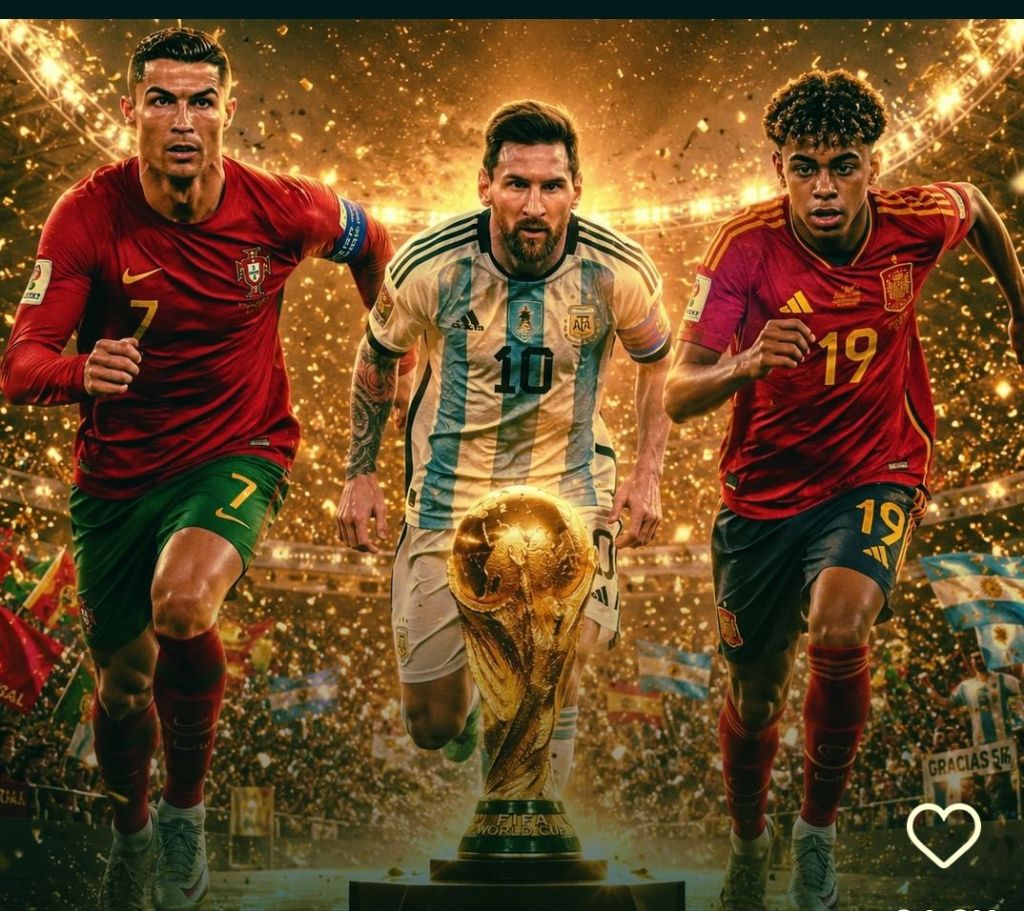
The three-nation hosting model perfectly encapsulates these complexities. The United States, Canada, and Mexico possess distinct political priorities, immigration systems, security frameworks, and economic realities. Coordinating the largest sporting event in history across three sovereign nations requires unprecedented levels of diplomatic cooperation. Border management, fan mobility, infrastructure integration, and security coordination all carry political implications extending far beyond football. The tournament will undoubtedly produce unforgettable sporting moments, new heroes, and dramatic narratives on the field. Yet future historians may remember FIFA 2026 less for the goals scored and more for what it revealed about the modern world. The matches will still last ninety minutes, but everything surrounding them belongs increasingly to the realms of diplomacy, commerce, influence, and power. FIFA 2026 may therefore be remembered not as a football tournament hosted by three countries, but as a global political summit that happened to include football.
VISIT ARJASRIKANTH.IN FOR MORE INSIGHTS

