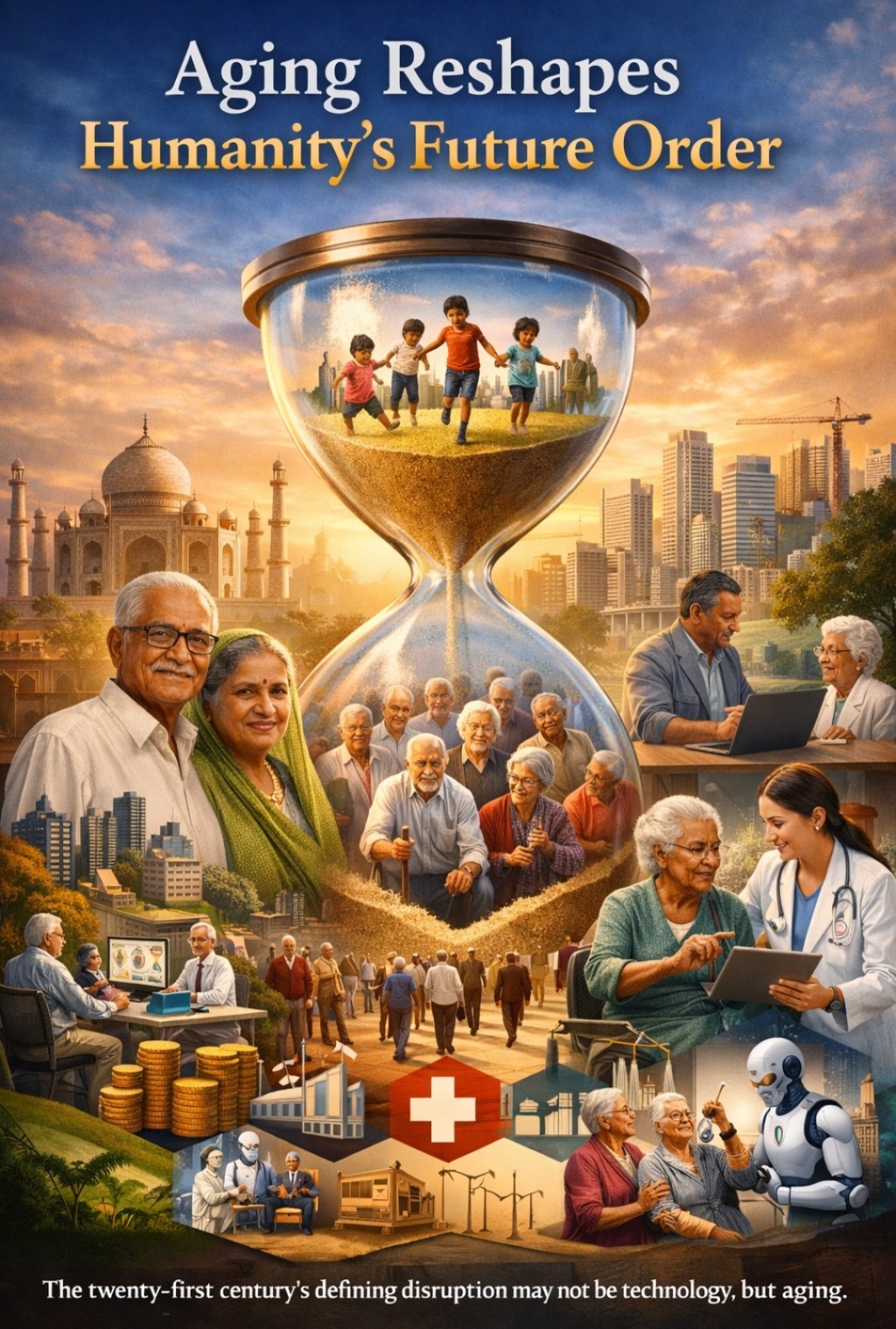
Human civilization spent centuries worshipping youth, speed, disruption, and perpetual economic expansion. Yet the defining force of the twenty-first century may not be artificial intelligence, quantum computing, or even geopolitical rivalry. It may be aging. Quietly, almost invisibly, the world is entering the largest demographic transformation in human history. By the late 2070s, the global elderly population is projected to exceed 2.2 billion, surpassing the number of children under eighteen for the first time ever. Even more startling, by the mid-2030s, people aged above eighty will outnumber infants globally. What was once dismissed as a welfare concern has now evolved into a civilizational challenge capable of reshaping labour markets, healthcare systems, fiscal policy, urban planning, political power, and social stability itself. Nations that ignore this transition may face economic stagnation and social fracture. Nations that prepare intelligently could unlock an entirely new economic frontier — the longevity economy.

The global geography of aging reveals a dramatic and uneven revolution. Japan has already become the world’s oldest society, with nearly one-third of its population elderly. Europe is rapidly greying, while countries like South Korea, Italy, and Spain are approaching demographic inversion, where senior citizens outnumber the young. Yet the deeper transformation is unfolding across the developing world. By 2050, nearly 80 percent of the global elderly population will reside in low and middle-income countries across Asia, Africa, and Latin America. Aging is no longer a phenomenon of wealthy welfare states; it is becoming the central governance reality of emerging economies. The speed of this transition is equally alarming. France took more than a century for its elderly population to double. India, Vietnam, and several Asian economies are experiencing similar demographic shifts within a single generation. Governments are racing against a demographic clock that is moving faster than institutional adaptation.

India stands at the epicentre of this silent upheaval. Today, the country has over 100 million citizens above the age of sixty. By 2050, that number could rise to nearly 347 million, meaning one in every five Indians may be elderly. States like Kerala, Tamil Nadu, and Punjab are already entering advanced stages of demographic aging, while Bihar and Uttar Pradesh continue to retain younger population structures. This unevenness creates a dangerous illusion that India remains permanently youthful. Beneath the surface, however, a massive elderly wave is building steadily. It carries with it rising healthcare expenditure, pension stress, chronic disease burdens, dependency ratios, loneliness, and mental health crises. India’s demographic dividend narrative may therefore conceal a demographic contradiction: the country is aging before becoming economically secure.

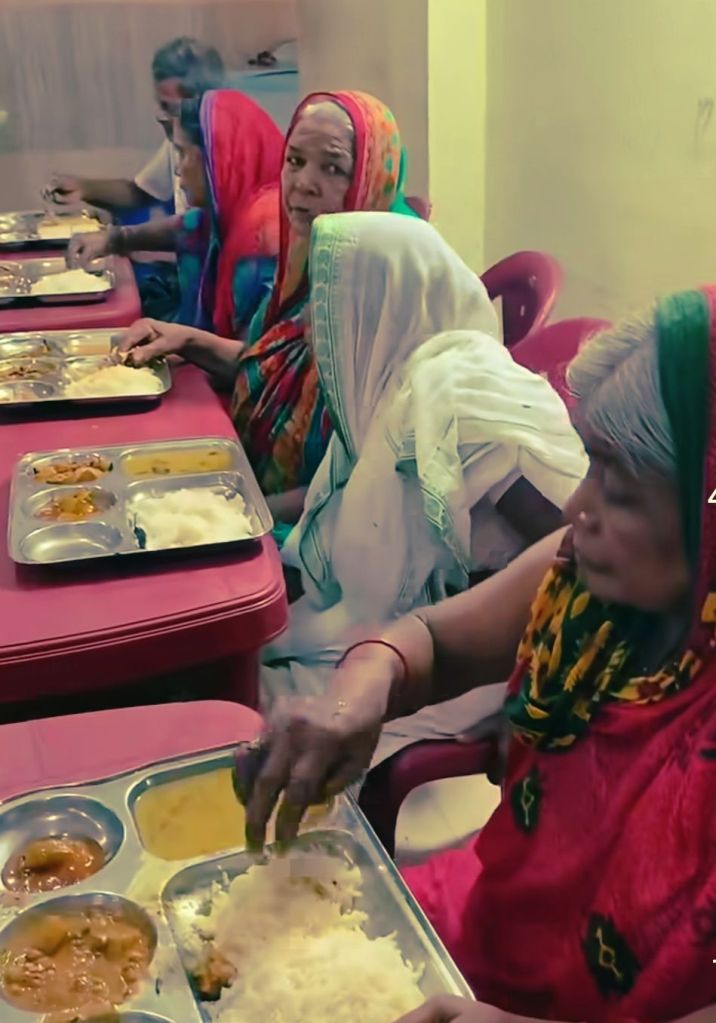
This is where India’s challenge becomes uniquely severe. Unlike Europe or Japan, which accumulated wealth before aging, a substantial proportion of India’s elderly remain financially insecure. Nearly seventy percent remain economically dependent on family support or informal labour. Many continue working not out of ambition, but out of necessity. Elderly hunger, once considered socially unthinkable, is emerging as a disturbing reality. Millions silently reduce meal consumption, avoid medical treatment, or continue physically demanding work despite declining health.
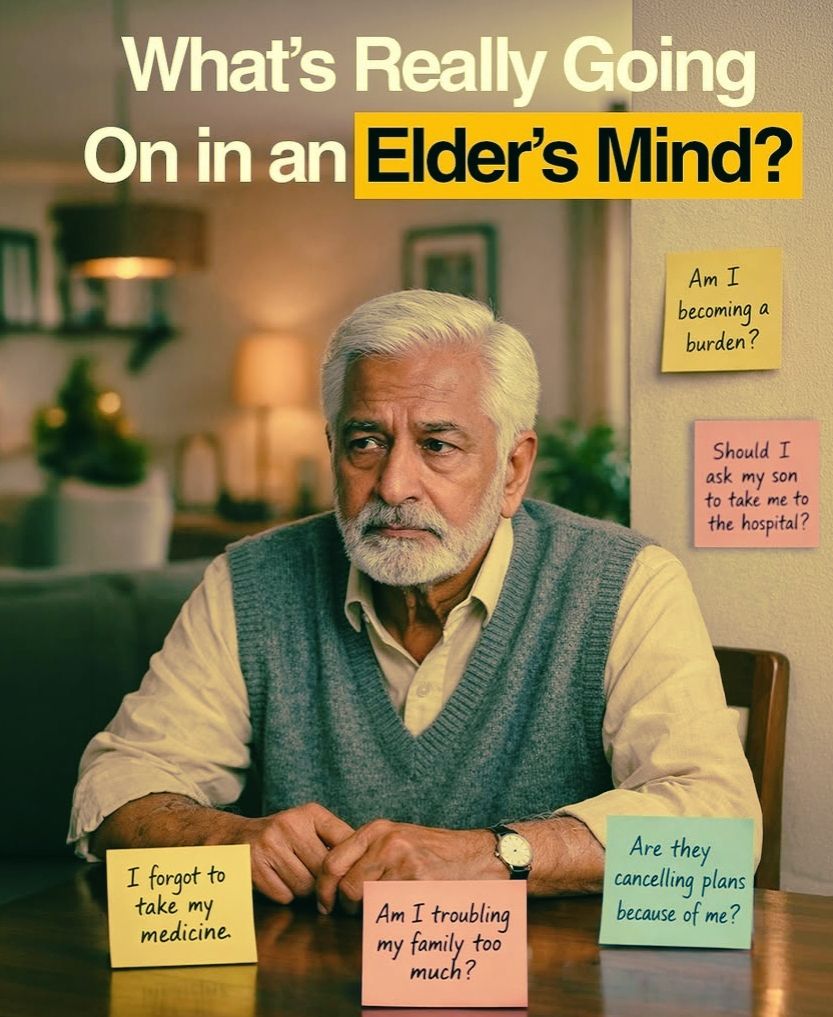
Chronic illnesses such as diabetes, hypertension, cardiovascular disorders, and dementia are increasing rapidly. Widowed women face particularly acute emotional and financial vulnerability. Simultaneously, the traditional joint family system — once India’s informal social security architecture — is weakening under urbanization, migration, and nuclear living patterns.
The elderly are gradually losing both economic relevance and social authority. Loneliness is replacing intergenerational belonging.
Yet the greatest strategic error would be viewing aging solely as a burden. That mindset itself belongs to an outdated industrial economy.
Elderly citizens are not merely pension recipients waiting for welfare support. They are repositories of institutional memory, professional expertise, social capital, cultural continuity, and civic wisdom. Countries that marginalize older populations are effectively discarding decades of accumulated human intelligence. The future will belong not to nations that merely increase birth rates, but to those capable of redesigning society around productive longevity. Japan recognized this early by integrating robotics, healthcare innovation, delayed retirement, and home-based care into its governance architecture. Singapore created Active Ageing Centres focused on preventive health and community participation. Germany integrated senior workers into multigenerational workplaces instead of forcing abrupt retirement. The Netherlands pioneered dementia-friendly communities that prioritize dignity over isolation. These societies understood a critical truth: older citizens do not merely require protection; they require participation.
India must therefore build its own aging model rooted in scale, affordability, and cultural realities. The first requirement is universal social protection. Pension systems restricted only to below-poverty-line categories are grossly inadequate for a nation approaching mass aging. India needs a phased universal old-age income architecture indexed to inflation and linked with healthcare access. Simultaneously, every district should develop integrated elderly support centres combining recreation, counselling, preventive healthcare, telemedicine, caregiver assistance, and community interaction. Healthcare systems themselves require structural redesign. India’s medical infrastructure remains excessively hospital-centric and illness-centric, whereas aging societies require preventive, decentralized, and long-term care ecosystems. ASHA workers and primary healthcare networks must receive geriatric training. District hospitals should establish dedicated geriatric clinics. Digital health records, AI-assisted monitoring, and telehealth systems can reduce pressure on tertiary hospitals while enabling “aging-in-place” models that allow senior citizens to live independently for longer periods.
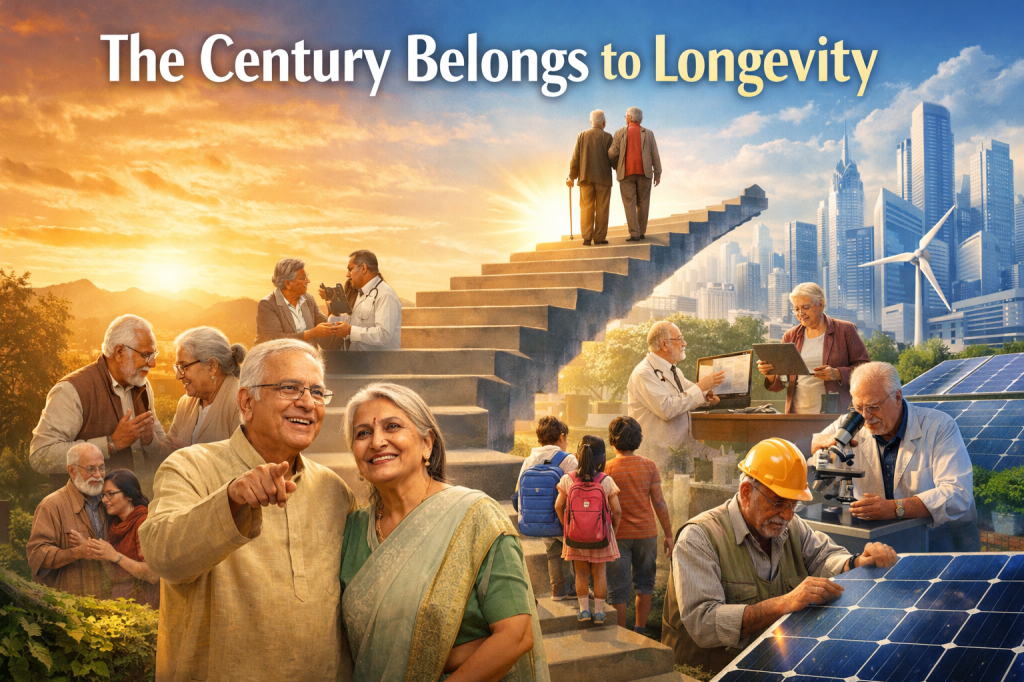
The most transformative opportunity, however, lies in building India’s future “silver economy.” Aging populations can become engines of economic activity rather than fiscal liabilities. Older adults can contribute through flexible employment, mentoring ecosystems, digital consulting, education, governance advisory roles, and social mediation. Retirement must become gradual rather than abrupt. Universities should institutionalize lifelong learning systems for senior citizens. Startups can innovate in assistive technologies, elderly tourism, home-care systems, nutrition products, age-friendly housing, and AI-enabled caregiving. Senior citizens can strengthen democratic governance itself by serving as community ombudsmen, school mentors, mediation facilitators, and local institutional advisors. India often speaks of demographic dividend through youthful labour. The coming century may demand something equally valuable: demographic wisdom.
Ultimately, the challenge is not merely economic but civilizational. India must confront ageism with the same seriousness with which it confronts caste inequality or gender discrimination. A society that once revered elders increasingly risks treating them as economic leftovers in a hyper-competitive economy obsessed with youth. This cultural erosion may prove as dangerous as fiscal unpreparedness. Aging with dignity must become a constitutional ethic rather than a charitable afterthought. The coming decades will determine whether India converts demographic transition into democratic maturity. The elderly population is not a sunset generation waiting passively for welfare. It is a strategic national asset waiting for recognition. If India acts decisively, it can build a society where longevity becomes a source of national strength, where older citizens remain empowered participants rather than abandoned dependents, and where aging itself evolves into an engine of nation-building. Otherwise, the world’s largest democracy may discover too late that the gravest demographic crisis is not population explosion, but population abandonment.
VISIT ARJASRIKANTH.IN FOR MORE INSIGHTS

