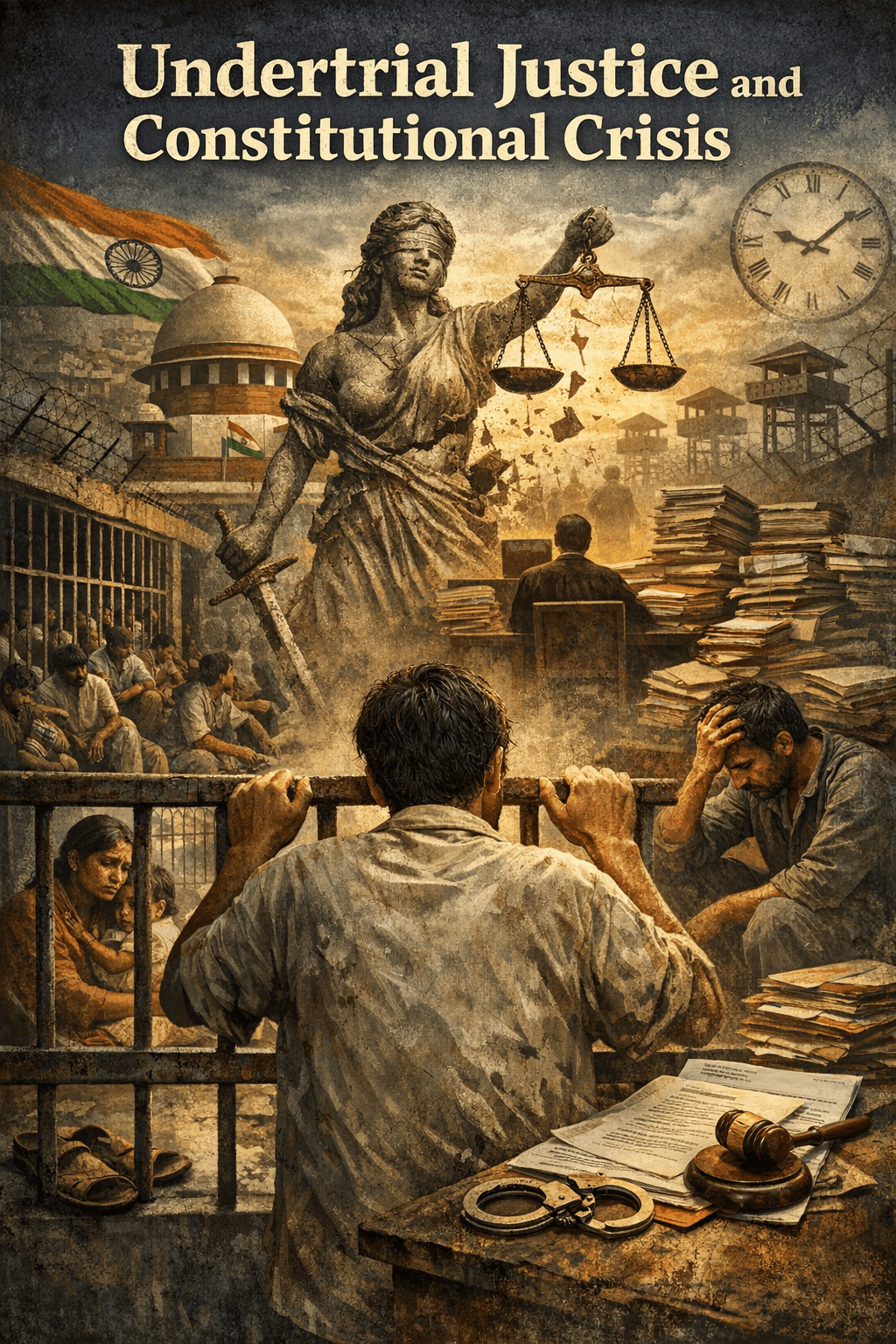
A Constitution derives its legitimacy not merely from the rights it proclaims but from its ability to protect those rights when institutions are under strain. India’s constitutional framework guarantees personal liberty, equality before the law, due process, and the presumption of innocence—principles that form the foundation of a democratic republic. Yet behind the walls of overcrowded prisons lies a troubling contradiction. Thousands of individuals remain incarcerated for years without ever being convicted of a crime. Their confinement is not the outcome of judicial determination but the consequence of procedural delay, institutional inefficiency, and systemic inertia. In many cases, punishment begins long before guilt is established. What appears on the surface to be a prison management challenge is, in reality, a profound constitutional crisis. When liberty remains suspended indefinitely while justice remains pending, the prison becomes a visible manifestation of democratic failure.
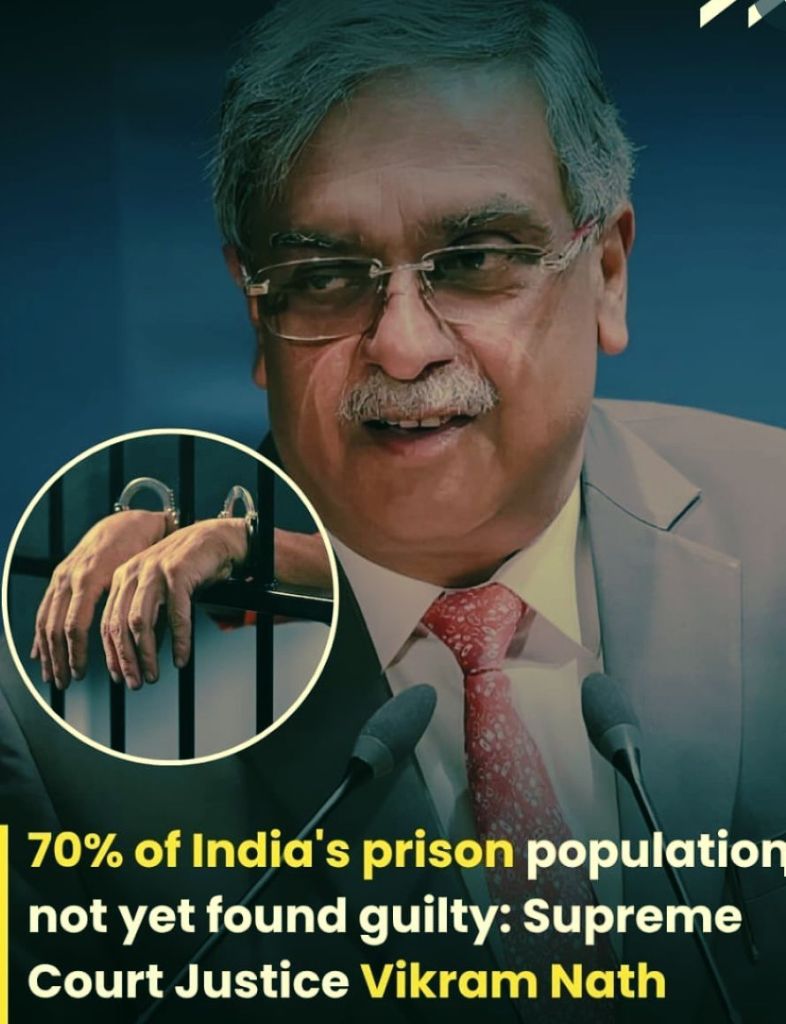
India’s prison overcrowding is not an isolated administrative problem but a symptom of deeper weaknesses within the criminal justice architecture. Correctional facilities designed for a specific capacity frequently operate far beyond their intended limits, creating conditions that undermine both human dignity and institutional effectiveness. Overcrowding places immense pressure on healthcare services, sanitation systems, legal aid mechanisms, rehabilitation programmes, and prison administration. Facilities intended to serve as regulated institutions of custody increasingly resemble warehouses of unresolved legal cases. The consequences extend beyond physical discomfort. Lack of privacy, inadequate medical care, poor living conditions, and restricted access to education and rehabilitation erode the very principles of humane incarceration. A justice system that tolerates such conditions risks weakening public faith in the rule of law itself.
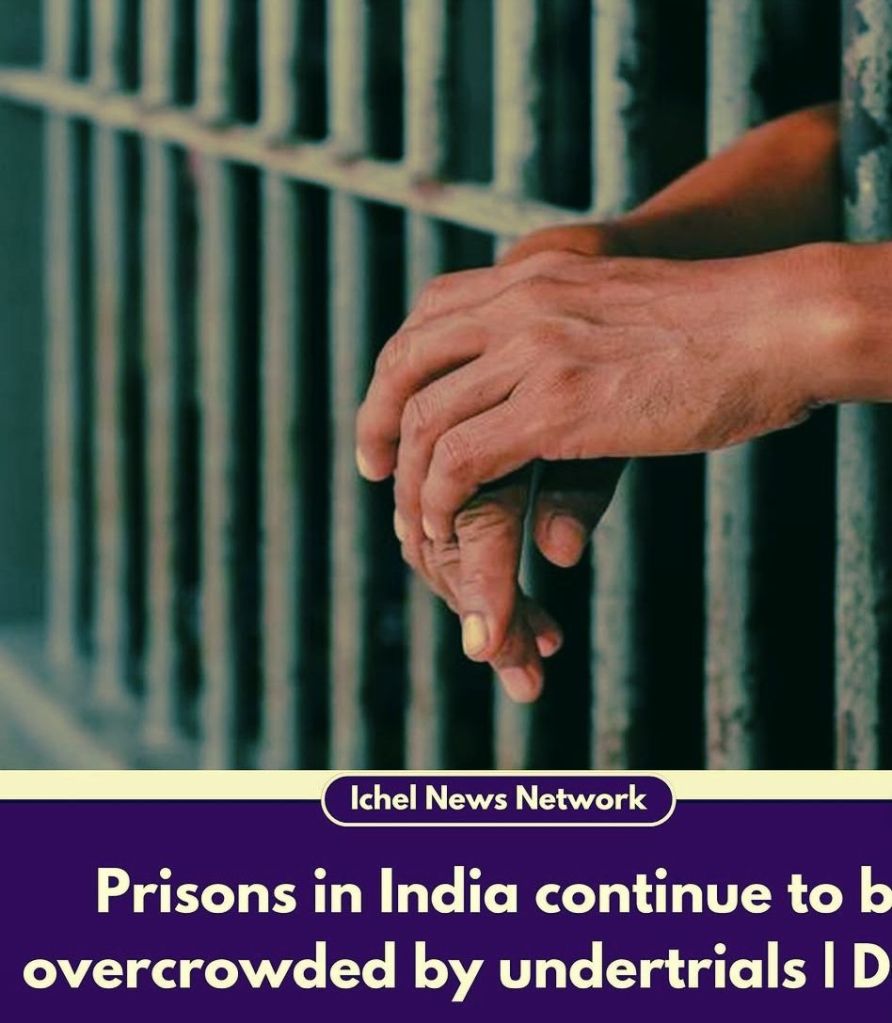
The most disturbing feature of this crisis is the overwhelming presence of undertrial prisoners. These are individuals whom the law continues to regard as innocent until proven guilty. Yet countless undertrials spend months, and often years, awaiting investigations, charge framing, witness examinations, and final judgments. In numerous instances, detention periods exceed the maximum sentence prescribed for the alleged offence. Such situations represent a direct challenge to the constitutional guarantee of personal liberty. The right to a speedy trial, repeatedly affirmed as an integral component of justice, becomes meaningless when legal proceedings move at a pace disconnected from human realities. Every unnecessary year spent behind bars represents liberty lost not through lawful conviction but through institutional delay. The cost is irreversible, for time unjustly taken can never be restored.
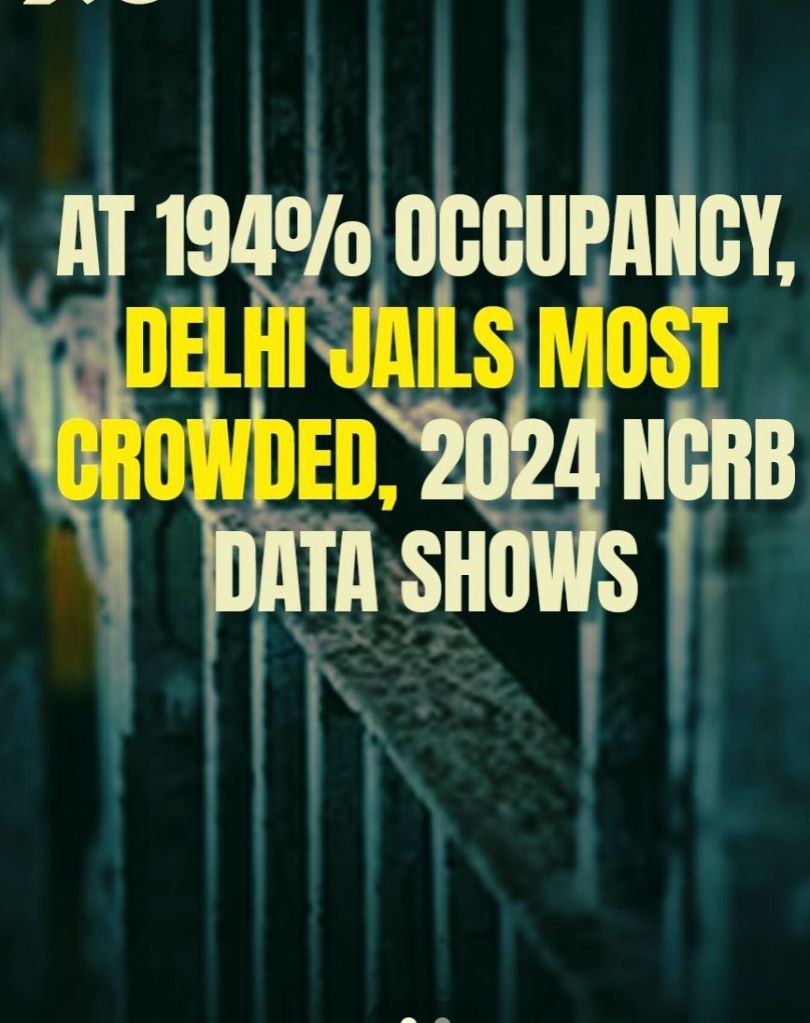
The impact of prolonged pre-trial incarceration extends far beyond prison walls. Families lose breadwinners, children lose emotional and financial support, and communities lose productive members capable of contributing to economic and social development. The burden falls disproportionately upon society’s most vulnerable groups—the poor, migrant workers, marginalized communities, and individuals lacking access to effective legal representation. For many, bail exists more as a theoretical entitlement than a practical remedy. Financial conditions, procedural hurdles, documentation requirements, and legal complexities often transform freedom into a privilege reserved for those with resources. Consequently, socioeconomic inequality becomes embedded within the administration of justice itself. The experience of incarceration before conviction often reflects not the seriousness of the alleged offence but the individual’s ability to navigate an expensive and complex legal system.
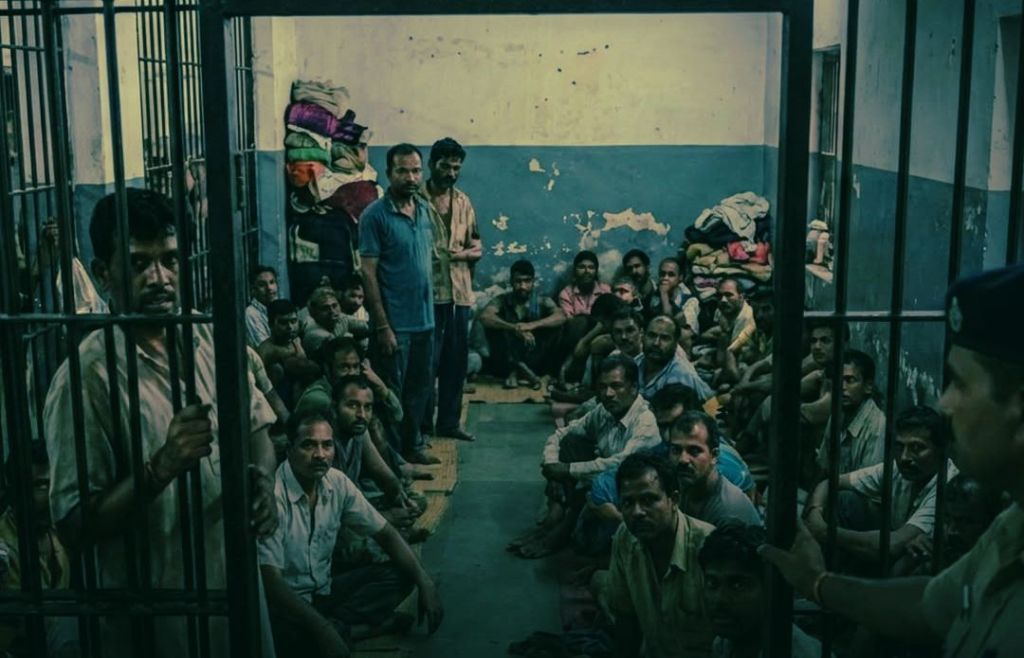
Recognizing these concerns, courts have repeatedly emphasized that pre-conviction detention must remain an exception rather than the norm. Judicial pronouncements have consistently reiterated that liberty cannot be sacrificed at the altar of administrative inefficiency. Yet constitutional ideals continue to collide with structural realities. Massive case backlogs, shortages of judges, understaffed courts, inadequate prosecutorial capacity, weak legal aid systems, and poor coordination among investigative agencies collectively create a cycle of delay that perpetuates overcrowding. The challenge facing India is not the absence of legal safeguards but the inability to implement them efficiently and equitably. Laws that remain inaccessible in practice provide little comfort to individuals whose lives are consumed by procedural stagnation.
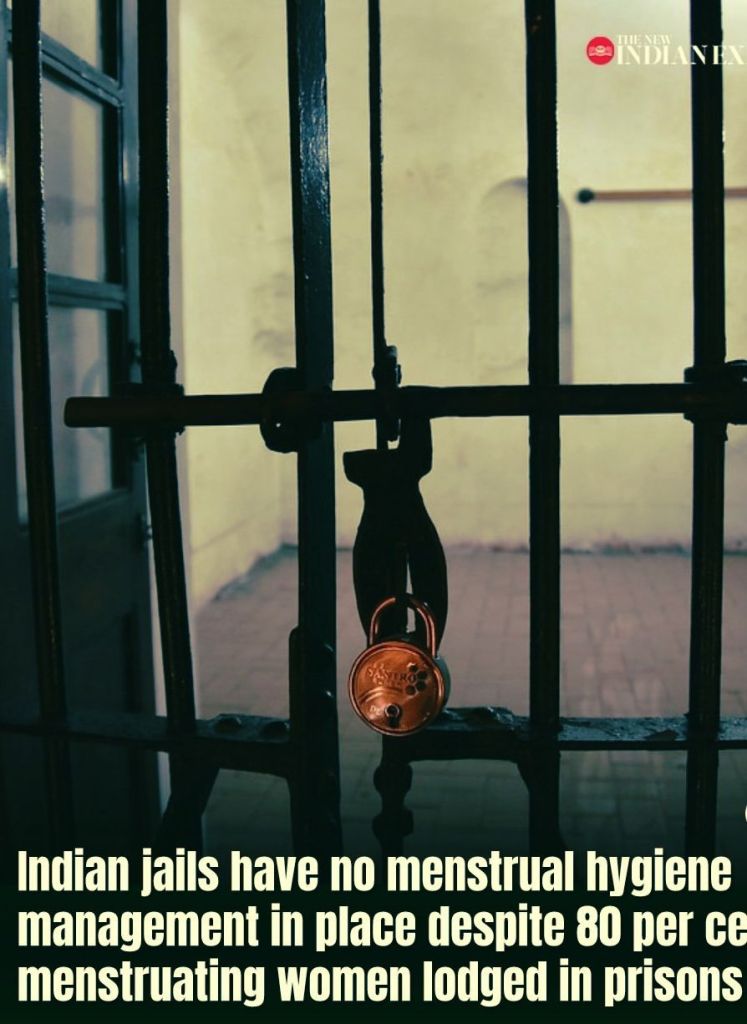
Amid this crisis, the growing interest in open and semi-open prison models offers an opportunity to rethink the philosophy of incarceration. Unlike conventional prisons that prioritize confinement and control, these institutions emphasize rehabilitation, responsibility, and gradual reintegration into society. Eligible inmates are allowed to work, develop skills, maintain family connections, and contribute economically while remaining under structured supervision. Such models recognize that society benefits more from preparing individuals for productive citizenship than from subjecting them to prolonged isolation. Open prisons foster accountability, preserve mental well-being, reduce institutional dependency, and encourage social reintegration. They embody a correctional philosophy rooted not merely in punishment but in the belief that human beings possess the capacity for reform and renewal.
However, open prisons should not be viewed as a simple solution to overcrowding. Their purpose extends beyond reducing inmate populations or lowering operational costs. Without adequate investment in education, vocational training, mental health support, healthcare, digital literacy, childcare facilities, and gender-sensitive infrastructure, such institutions risk becoming administrative substitutes rather than transformative reforms. More importantly, prison reform alone cannot address the root causes of congestion because a substantial proportion of inmates are undertrials. The real solutions lie within the broader justice ecosystem: expanding judicial capacity, strengthening legal aid, promoting the use of personal bonds, integrating technology across criminal justice processes, enforcing safeguards against prolonged detention, and undertaking meaningful bail reform. The objective should be to reduce unnecessary incarceration rather than merely manage its consequences more efficiently.
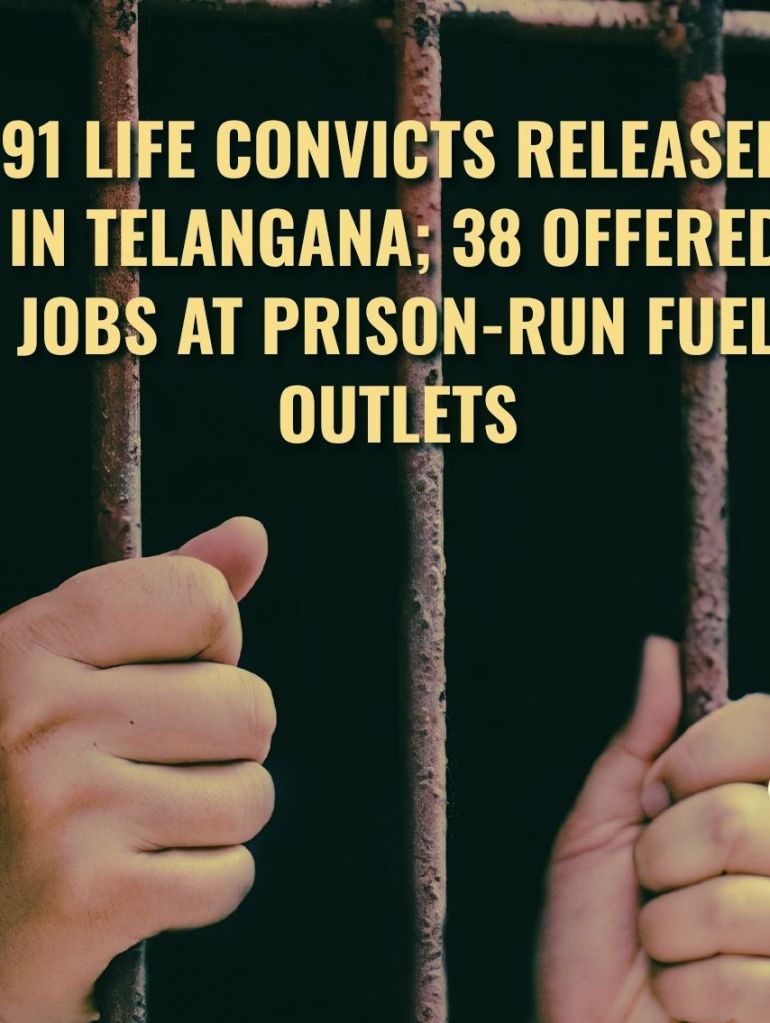
Ultimately, the debate transcends prison administration and reaches the heart of constitutional democracy itself. It concerns the balance between state power and individual liberty, between procedural authority and human dignity. Every individual in custody represents human potential that should not be squandered through neglect or delay. Whether awaiting trial or serving a sentence, prisoners should have access to education, skill development, meaningful work, psychological support, and pathways to reintegration. Equally important, those leaving prison require assistance in securing identity documents, housing, employment opportunities, and access to welfare programmes. A civilized society is judged not by how it treats its most privileged citizens but by how it safeguards the rights of its most vulnerable. Overcrowded prisons filled with undertrials are not merely administrative shortcomings; they are reminders that justice delayed can become liberty denied. India does not simply need more prisons—it needs a justice system capable of protecting freedom, accelerating fairness, strengthening rehabilitation, and ensuring that no citizen serves a sentence before a verdict has ever been delivered.
VISIT ARJASRIKANTH.IN FOR MORE INSIGHTS

