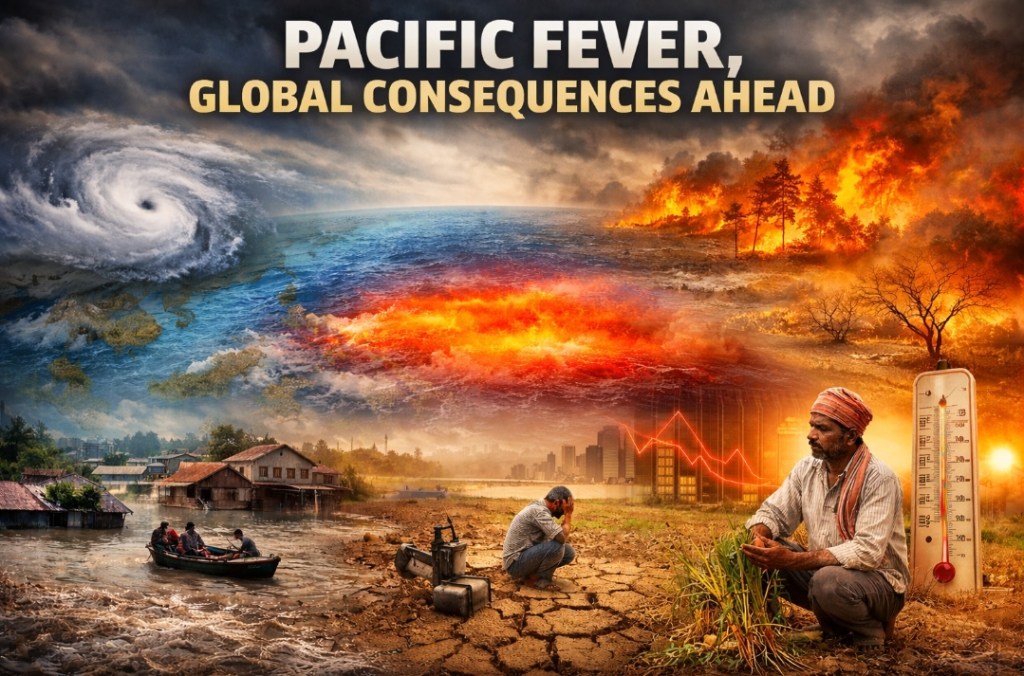
Every few years, an invisible force awakens in the Pacific Ocean and quietly alters the destiny of nations. There are no armies crossing borders, no financial crashes flashing across trading screens, and no dramatic political upheavals commanding headlines. Yet the consequences often rival those of major global crises. Crops wither, reservoirs decline, forests ignite, food prices surge, and economic growth falters. This phenomenon, known as El Niño, is among the most powerful natural climate oscillations on Earth. Today, scientists are warning that the world may be approaching another major episode—possibly a Super El Niño—capable of reshaping weather patterns, economies, and livelihoods across continents.
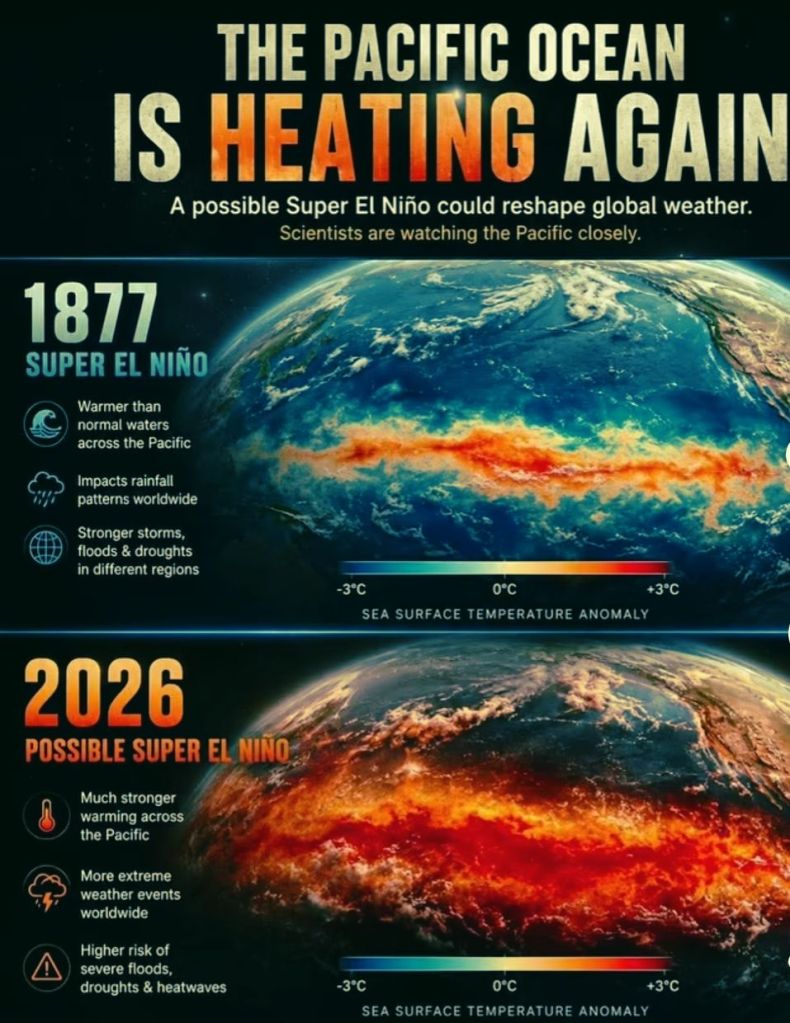
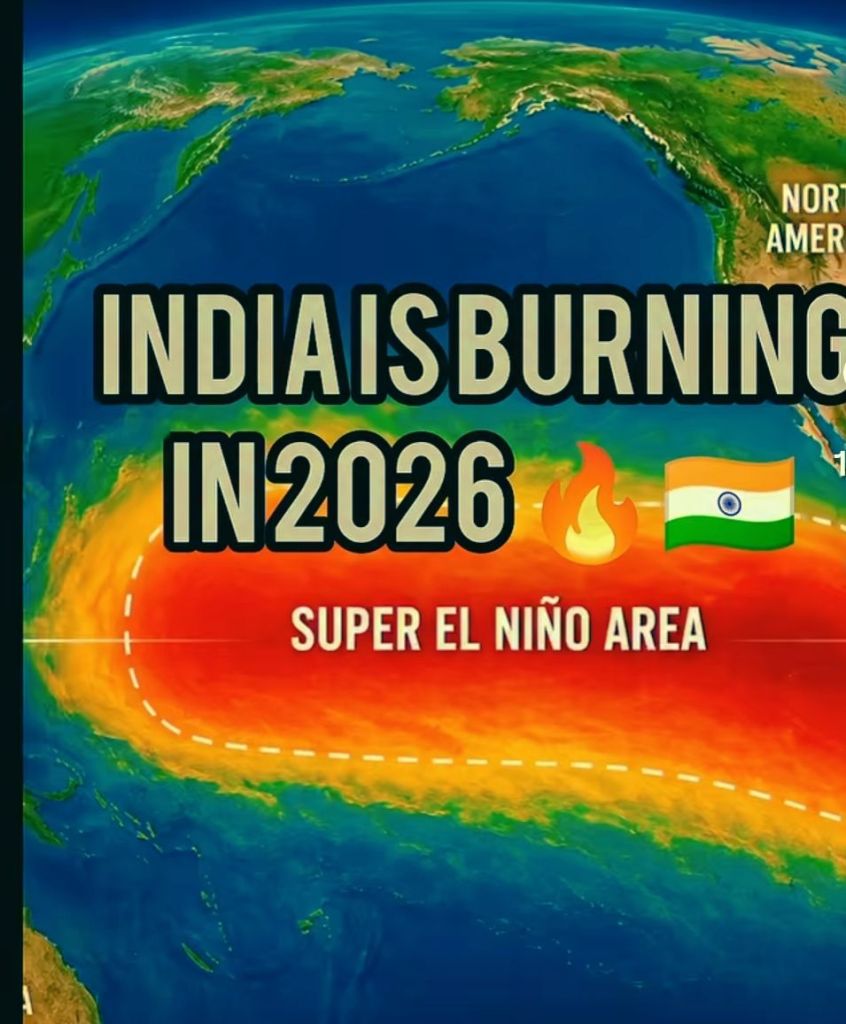
The warning signs are becoming increasingly difficult to ignore. Climate agencies and oceanographic institutions have detected an enormous accumulation of heat beneath the tropical Pacific Ocean, with temperature anomalies in some regions reaching nearly six degrees Celsius above average. Such conditions resemble the early stages of several historically powerful El Niño events. What makes the present situation particularly concerning is that it is unfolding against a backdrop of unprecedented global warming. The climate system is no longer operating on the same baseline that existed decades ago. An El Niño today is effectively amplified by a warmer planet, creating the potential for more intense and far-reaching consequences.
To appreciate the significance of El Niño, one must understand the remarkable interconnectedness of Earth’s climate system. Under normal circumstances, trade winds push warm ocean waters westward toward Indonesia and Australia, allowing cooler, nutrient-rich waters to rise near the South American coast. During an El Niño event, these winds weaken or even reverse. Vast quantities of stored ocean heat migrate eastward, warming the eastern Pacific and disrupting atmospheric circulation. What begins as a localized oceanic disturbance rapidly evolves into a global climatic chain reaction. Rainfall patterns shift, pressure systems reorganize, and weather behaviour becomes increasingly erratic across vast regions of the world.
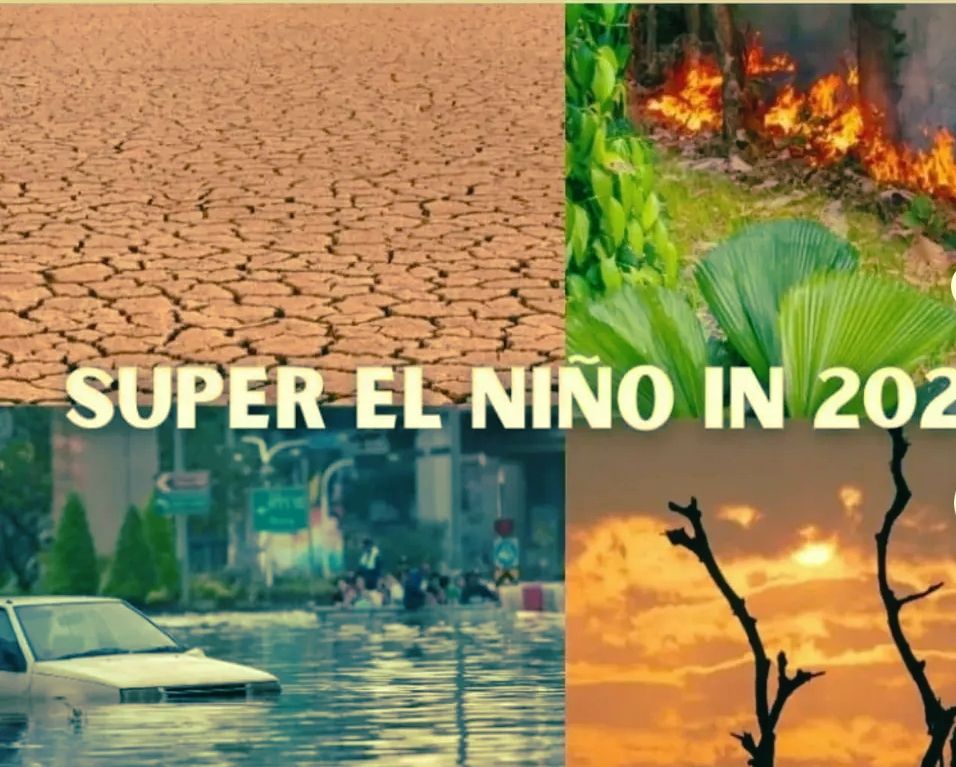
The global consequences are profound. Australia and Indonesia frequently experience severe droughts and heightened wildfire risks. Countries along the western coast of South America often face intense flooding, landslides, and infrastructure damage due to excessive rainfall. Large parts of Africa confront agricultural stress and food insecurity as traditional rainfall patterns become unreliable. Central America experiences prolonged dry spells, while tropical cyclone activity across multiple ocean basins may be altered significantly. The result is not merely unusual weather but a temporary destabilization of climatic expectations upon which economies and societies depend.
The economic implications are equally serious. Modern agriculture, despite technological advancements, remains fundamentally dependent on climatic predictability. When multiple food-producing regions experience weather disruptions simultaneously, global commodity markets react with remarkable speed. Food prices rise, export restrictions emerge, supply chains tighten, and inflationary pressures intensify. The poorest populations are invariably affected first and most severely. What appears to be a meteorological event quickly transforms into a socioeconomic challenge with implications for public welfare, political stability, and global development.
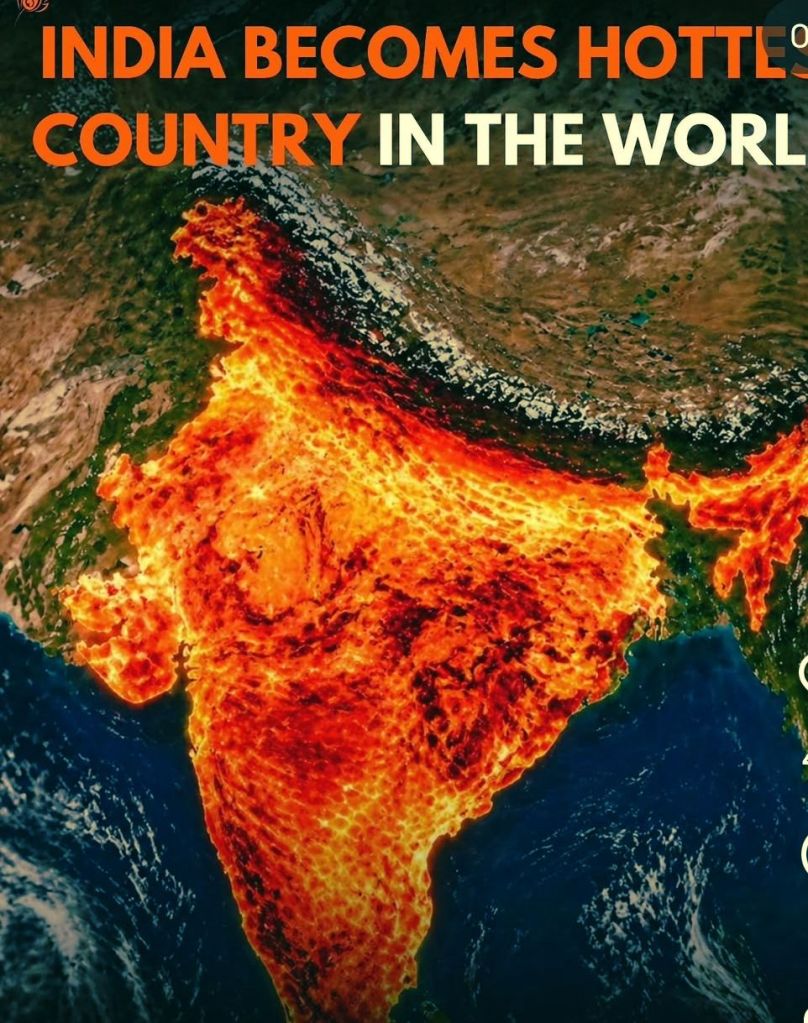
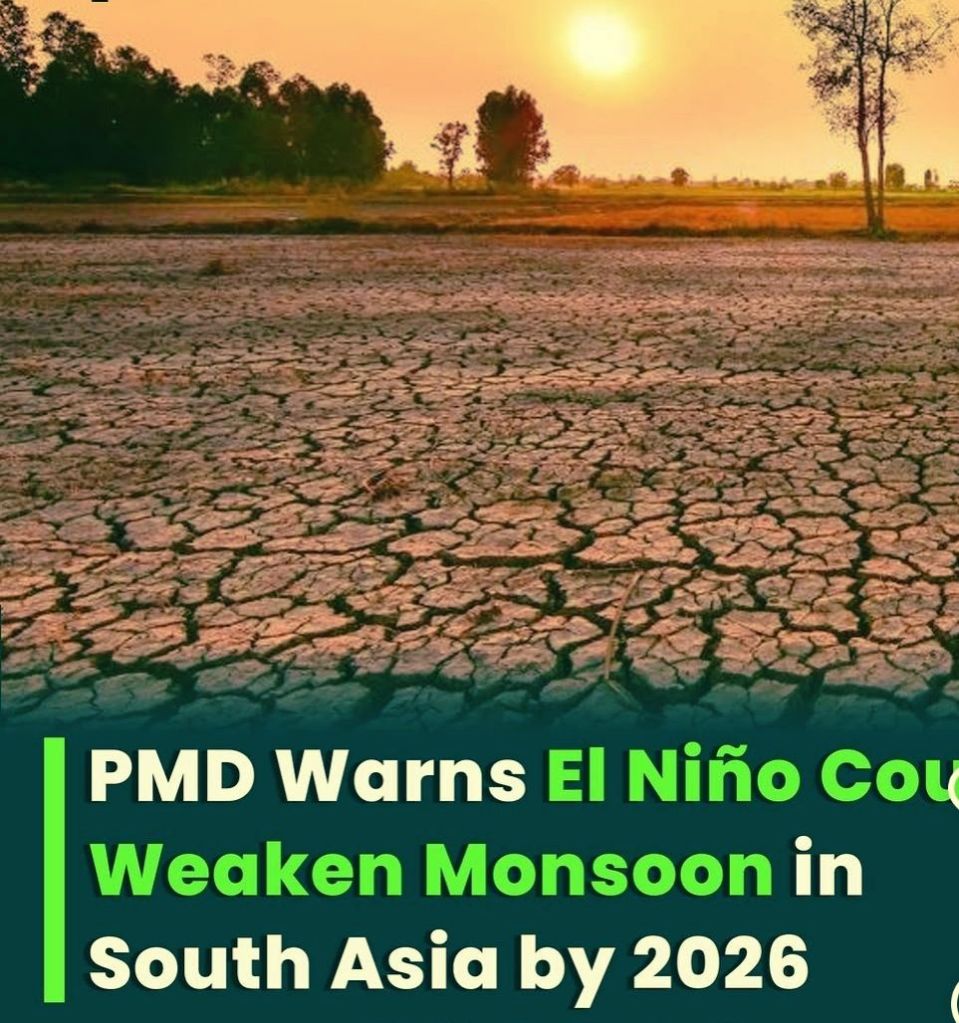
For India, however, El Niño represents a uniquely significant risk. Few major economies remain as closely linked to seasonal rainfall as India. The southwest monsoon contributes more than seventy percent of the country’s annual precipitation and serves as the lifeblood of agriculture, water security, hydropower generation, and rural livelihoods. A weak monsoon is not merely a weather anomaly; it is an economic event with nationwide consequences. Current forecasts suggest the possibility of below-normal rainfall during the upcoming monsoon season, raising concerns about agricultural output and water availability. Historically, strong El Niño years have often coincided with weaker monsoons, particularly during the critical months of August and September when many crops require sustained moisture.
India’s agricultural vulnerability remains substantial despite decades of investment in irrigation infrastructure. More than half of the nation’s cultivated land still depends directly on rainfall. These rain-fed regions contribute significantly to the production of pulses, oilseeds, coarse cereals, and rice. Reduced rainfall can depress yields, lower farm incomes, and accelerate rural distress. Simultaneously, inadequate rainfall limits groundwater recharge and lowers reservoir storage levels. Farmers frequently respond by extracting additional groundwater, placing further pressure on already stressed aquifers. This creates a dangerous cycle in which water scarcity, energy consumption, and agricultural productivity become increasingly intertwined.
Perhaps the most immediate and visible threat lies in the intensification of heatwaves.
El Niño events generally elevate global temperatures, and the world today is already approximately 1.2°C warmer than in pre-industrial times. Consequently, even a moderate El Niño can push temperatures into dangerous territory. Across India, extreme heat events exceeding 45°C are becoming more frequent and prolonged. Outdoor workers—including farmers, construction labourers, street vendors, transport workers, and migrant labourers—face elevated risks of heat exhaustion, dehydration, cardiovascular complications, and reduced productivity. Unlike floods or storms, heat-related mortality often unfolds silently, making it one of the most underestimated consequences of climate variability.
Yet El Niño should not be viewed solely through the lens of disaster. Unlike earthquakes, volcanic eruptions, or sudden cyclones, it develops gradually and can be monitored months in advance. Modern satellites, ocean buoys, climate models, and forecasting systems provide valuable lead time for preparedness. Governments can strengthen drought-management strategies, improve reservoir operations, distribute climate-resilient seeds, expand farmer advisories, and protect vulnerable populations before impacts become severe. The approaching El Niño is therefore not merely a test of weather resilience but a test of governance, planning, and institutional capacity.
Ultimately, the significance of El Niño extends far beyond meteorology. It serves as a reminder that climate risks are now economic risks, agricultural risks, health risks, and national security risks. A warming patch of water thousands of kilometres away in the Pacific possesses the power to influence harvests in Punjab, groundwater levels in Telangana, reservoir storage in Karnataka, and food prices in Delhi. In an age of planetary interdependence, geography offers no immunity. When the Pacific Ocean develops a fever, humanity discovers that the Earth’s climate operates not as separate regions but as a single interconnected system—and every nation feels the symptoms.
VISIT ARJASRIKANTH.IN FOR MORE INSIGHTS

