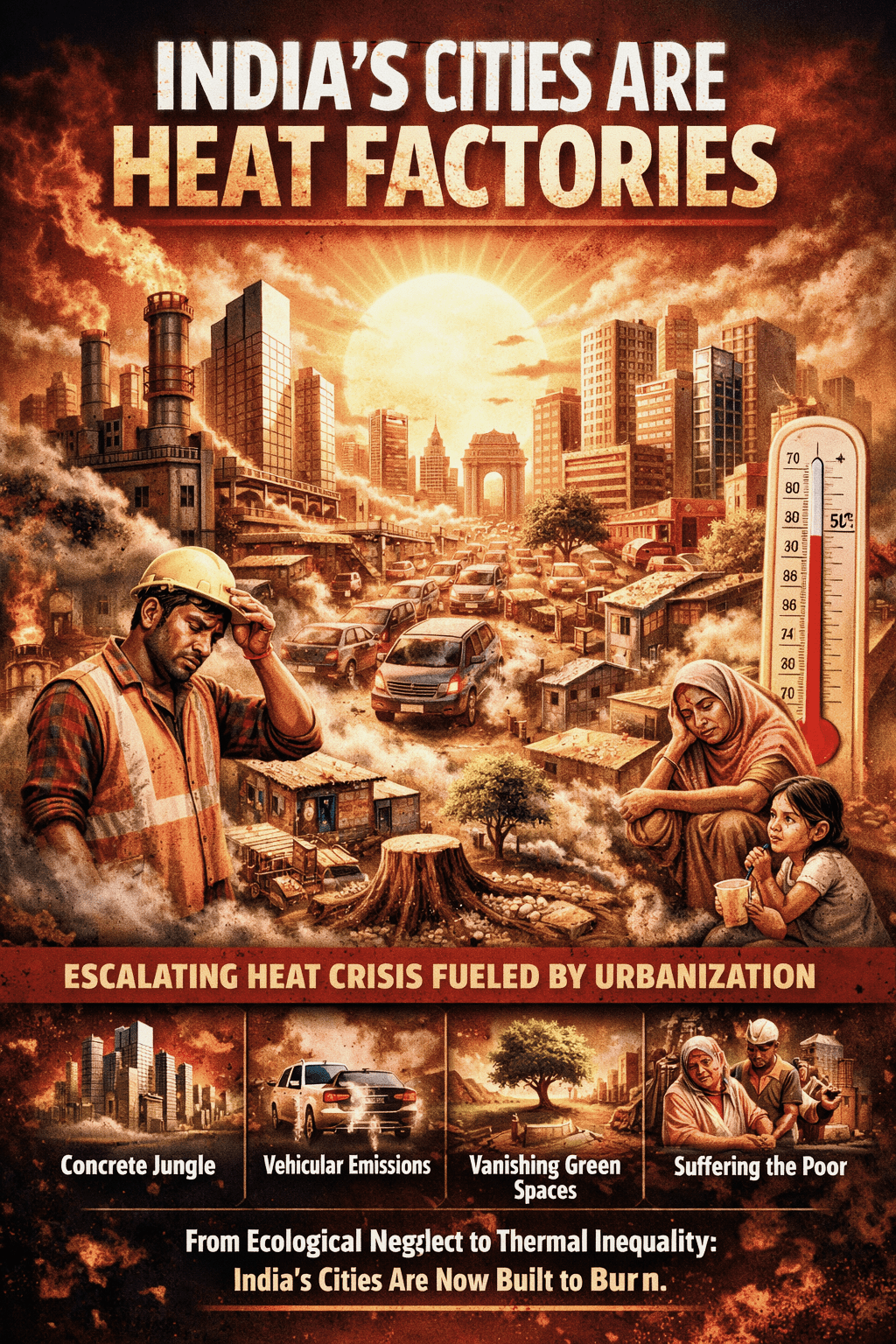
India is no longer merely enduring heatwaves; it is manufacturing them. The horrifying reality that nearly 95 of the world’s 100 hottest locations recently emerged from India is not simply a climate statistic. It is a civilizational warning. What India faces today is not just global warming descending from the atmosphere, but heat engineered from the ground upward through decades of ecologically blind urbanization. The modern Indian city has evolved into a gigantic thermal battery where concrete, asphalt, glass, steel, and vehicular exhaust absorb solar radiation all day and radiate it back relentlessly through the night. The heatwave is no longer merely meteorological. It is architectural, political, and economic.

Climate change undoubtedly provides the planetary backdrop. Rising greenhouse gas concentrations, warming oceans, El Niño disruptions, weakened monsoon circulation, and persistent atmospheric instability have intensified extreme heat across South Asia. The 2024–25 El Niño episode particularly aggravated dryness and elevated baseline temperatures across the subcontinent. Yet climate change alone cannot explain why dense corridors of Gurgaon, East Delhi, Chennai, Ahmedabad, or Hyderabad remain significantly hotter than surrounding greener zones. The deeper explanation lies in the Urban Heat Island effect — a phenomenon where cities trap, amplify, and recycle heat because of the surfaces and structures humans construct. India’s urban landscapes have become giant heat-storage systems.
For decades, India pursued urban growth as a race against time rather than a negotiation with ecological limits. Trees were treated as obstacles to road widening. Wetlands became real-estate opportunities. Lakes disappeared beneath apartment towers and parking lots. Open soils that once absorbed rainwater and moderated temperatures were buried beneath concrete and tar. Public transport remained neglected while automobile dependency exploded. Glass façades multiplied across tropical cities despite being thermally disastrous in hot climates. Every mall, flyover, gated colony, and commercial complex added another layer to India’s expanding thermal armour. The tragedy is not that Indian cities grew rapidly. The tragedy is that they grew without climatic intelligence.

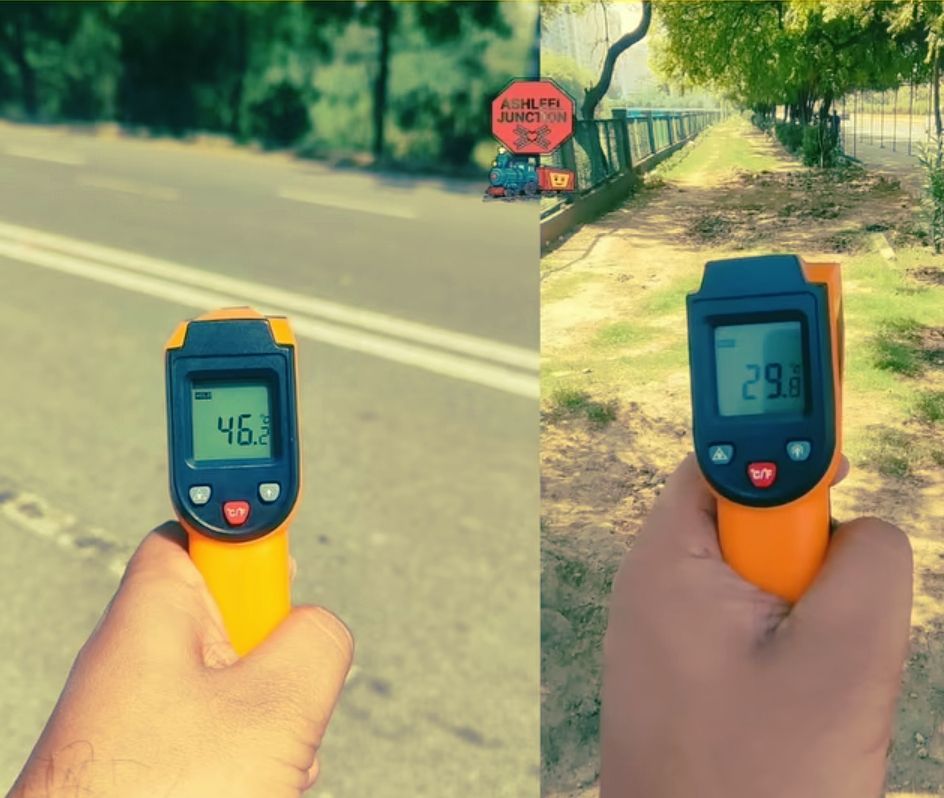
Traditional landscapes cool naturally through evapotranspiration, shade, moisture retention, and airflow circulation. Cities do the opposite. Concrete, asphalt, and steel absorb enormous quantities of heat during daylight hours and release it slowly after sunset. This explains why Indian cities increasingly remain unbearable even at midnight. Historically, night-time provided physiological recovery from daytime heat. Even deserts cool rapidly after dark because heat escapes into open skies. Indian cities no longer permit that release. Dense building clusters create “urban canyons” where trapped heat bounces between structures. Roads, rooftops, walls, and vehicles continue radiating stored thermal energy through the night. In several Indian cities, night-time temperatures now remain persistently above 25°C, denying the human body its essential cooling cycle.
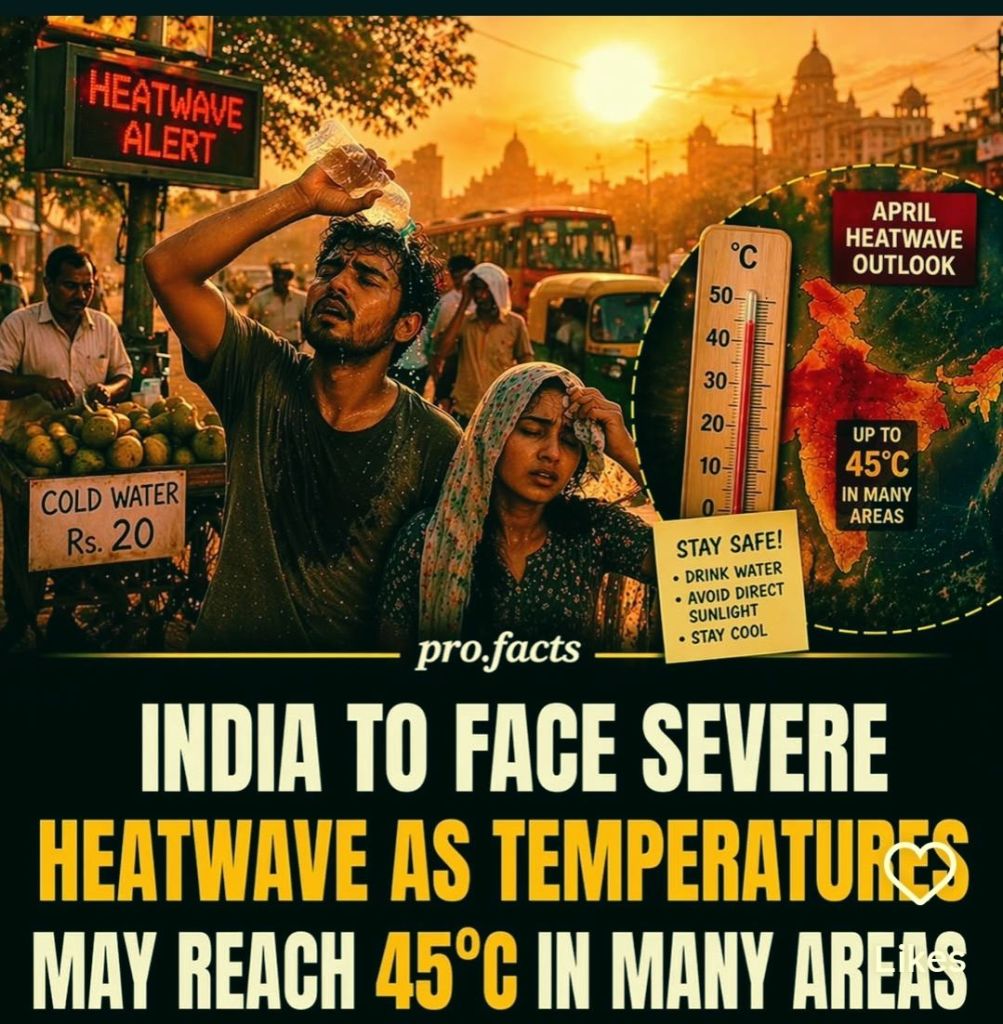
This is where the crisis becomes deadly. The greatest danger of urban heat islands is not afternoon discomfort but night-time survival. Human beings depend on cooler nights to regulate body temperature, stabilize cardiovascular stress, and recover biologically from daytime exposure. Once nights remain continuously warm, cumulative heat stress builds across successive days. Sleep quality collapses, dehydration intensifies, and the body’s cooling mechanisms weaken. Heatstroke often arrives not from one afternoon in the sun but from multiple nights without thermal recovery. India’s cities are increasingly transforming millions of homes into slow-pressure thermal chambers, especially for those without access to cooling infrastructure.
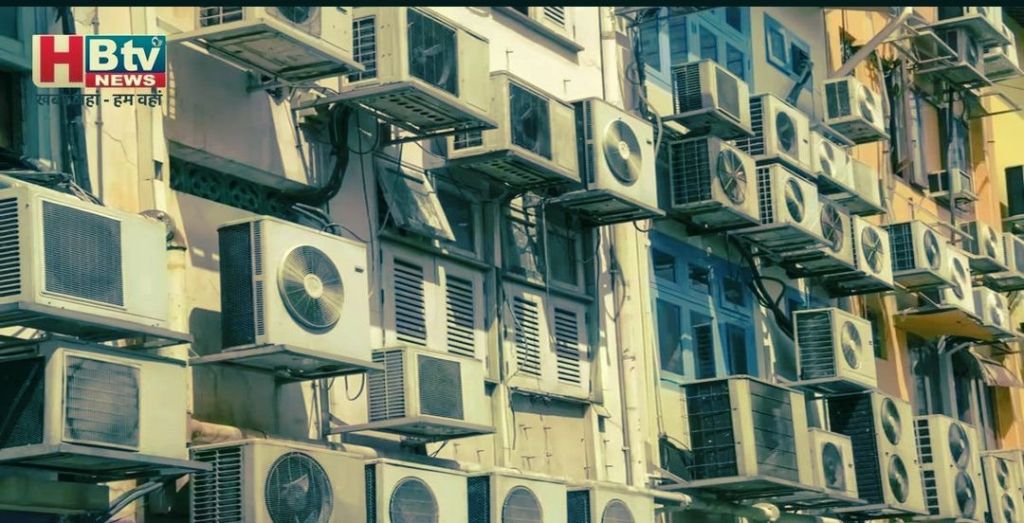
The burden of this crisis is profoundly unequal. Air-conditioned offices, insulated homes, and private vehicles shield affluent residents from the worst consequences, while construction workers, sanitation workers, street vendors, delivery personnel, migrant laborers, and traffic police absorb the direct physiological violence of urban overheating. Yet even air conditioning deepens the crisis. Every compressor ejects waste heat back into already overheated streets, intensifying outdoor temperatures further. Individual cooling becomes collective warming. The city cools bedrooms while cooking neighbourhoods. Thermal inequality is rapidly becoming one of India’s defining urban divides.
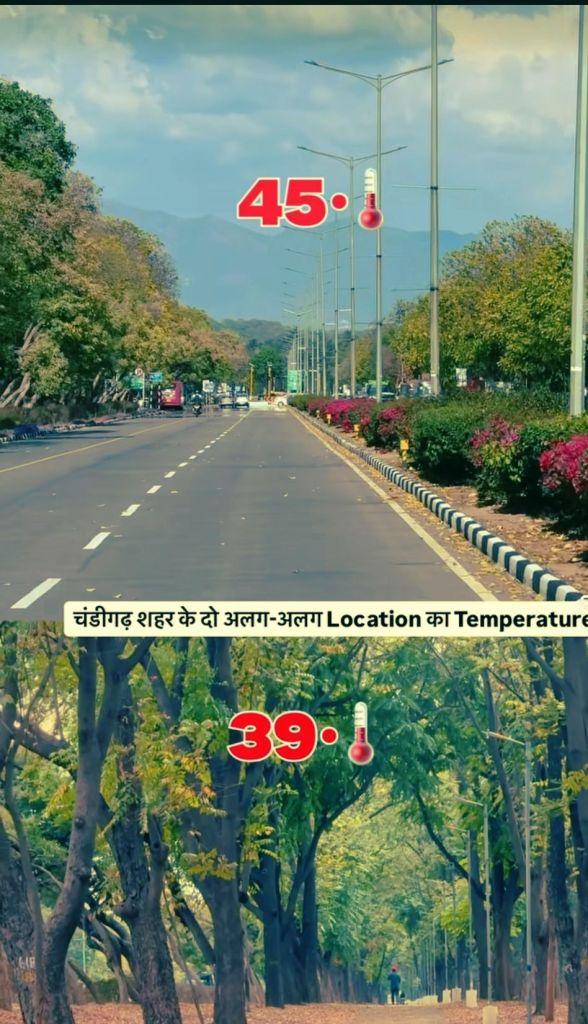
This inequality is visible geographically as well. Lutyens’ Delhi, old cantonment zones, and tree-rich elite neighbourhoods remain relatively cooler because planners once integrated shaded avenues, lower density, and green buffers into urban design. Meanwhile East Delhi, Gurgaon, peri-urban corridors, and rapidly expanding suburbs evolved through speculative construction with minimal ecological planning. Bengaluru, once celebrated as India’s “Garden City,” has steadily dismantled its cooling systems through uncontrolled real-estate expansion. Chennai’s collapsing tree cover and disappearing wetlands have intensified coastal heat retention. Across India, urban futures are splitting into insulated green enclaves for the privileged and heat-exposed concrete jungles for everyone else.
Behind this environmental breakdown lies the political economy of land itself. In India, land is not merely geography; it is capital, inheritance, speculation, and political influence. Every square foot must generate economic return. Trees generate shade but not immediate revenue. Parking lots, malls, towers, and unauthorized extensions do. Developers maximize built-up space because incentives reward density without ecological accountability. Political systems frequently regularize illegal constructions because demolition carries electoral risks. Urban planning authorities increasingly function not as custodians of livability but as facilitators of perpetual construction. India’s thermal crisis is therefore inseparable from its governance crisis.
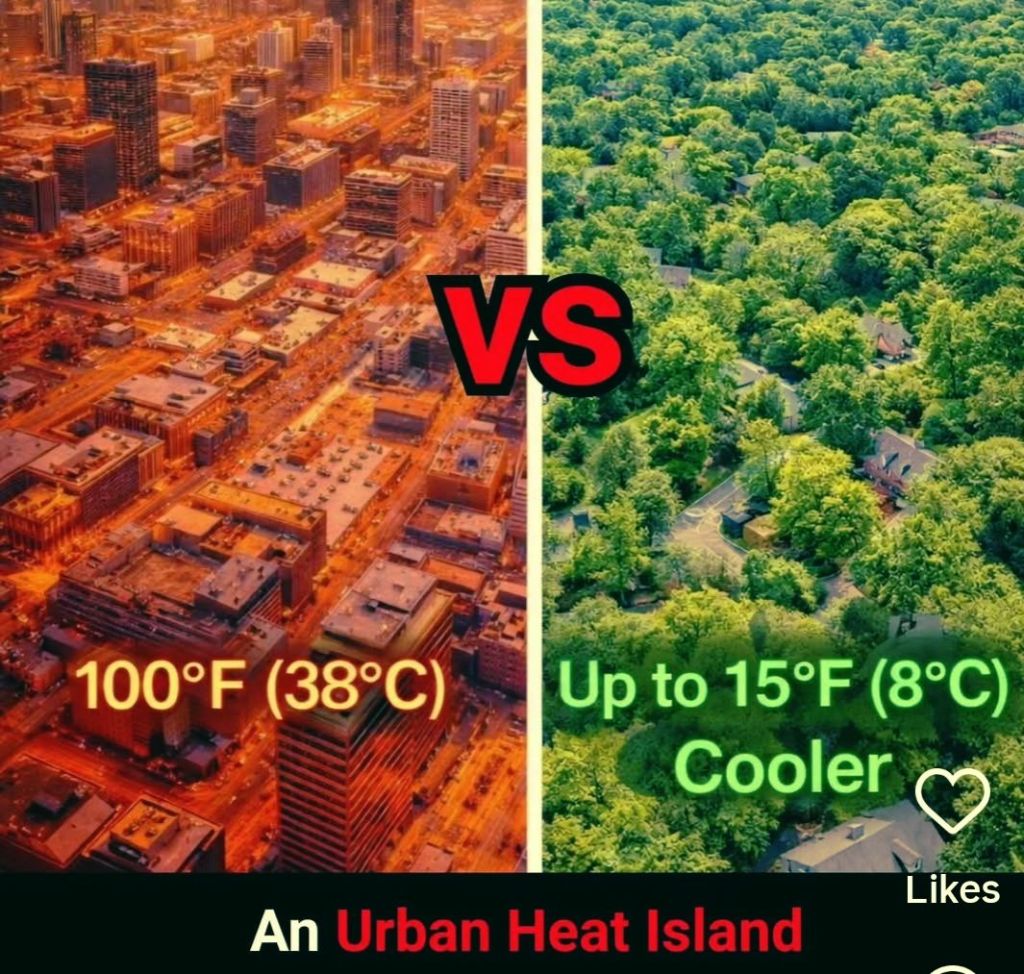
International examples prove that tropical climates need not produce urban suffering. Singapore and Kuala Lumpur demonstrate that dense urbanization can coexist with massive canopy cover, shaded infrastructure, water-sensitive planning, and ecological cooling systems. India cannot replicate Singapore entirely because of scale and demographic pressures, but the comparison exposes an uncomfortable truth: Indian cities did not accidentally become heat traps. They became heat traps through deliberate policy choices. The Indian heatwave is not merely arriving from the sky. It is rising from roads, rooftops, parking lots, glass towers, and concrete corridors created by development models that prioritized speed over sustainability and speculation over human comfort. India’s cities are no longer victims of heat. They have become its factories.
VISIT ARJASRIAKNTH. IN FOR MORE INSIGHTS


One response to ““Heatwave Republic: India’s Cities Became Engines Of Heat””
Messed up G!
LikeLike