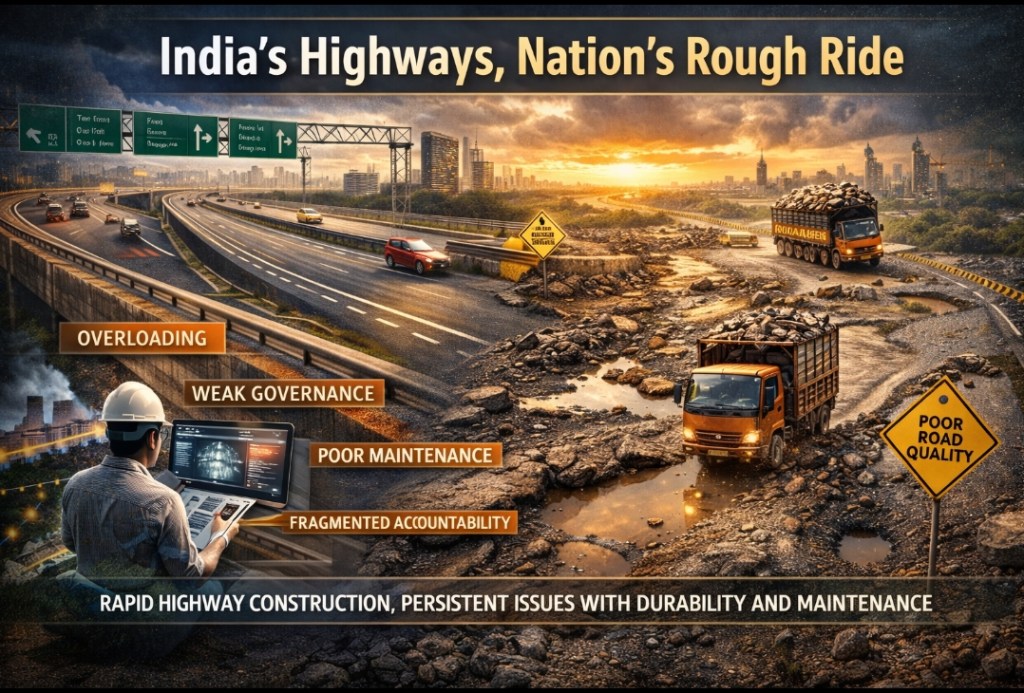
India today stands at one of the most revealing crossroads in its development story. It possesses the world’s second-largest road network, spends infrastructure money at a scale once unimaginable, and showcases expressways as symbols of national transformation. Highways dominate political speeches, drone-shot advertisements, and economic narratives about a rising India. Yet for millions of citizens, the actual experience of travelling on Indian roads remains physically exhausting, mechanically damaging, and psychologically frustrating. Vehicles vibrate relentlessly, suspensions collapse prematurely, logistics slow down, and potholes continue to appear with seasonal predictability. The paradox is striking: India has mastered the politics of highway inauguration, but it still struggles with the science of ride quality. Beneath the ribbon-cutting ceremonies lies an uncomfortable truth — the country is building roads faster than it is building durable infrastructure governance.
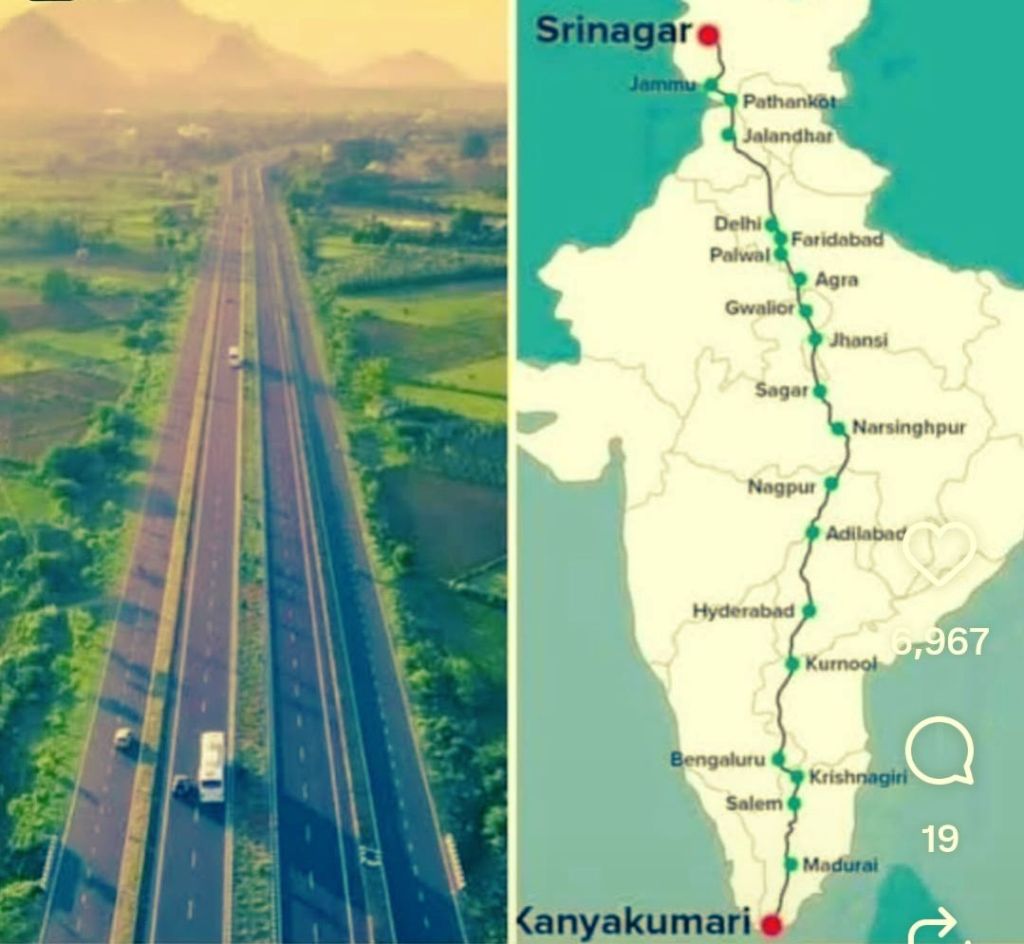
The scale of investment is undeniably historic. The National Highways Authority of India allocated nearly ₹2.44 lakh crore for road infrastructure in FY 2025–26. Economic corridors, greenfield expressways, ring roads, and freight connectivity projects are expanding across the country. On paper, the transformation appears revolutionary. But infrastructure is not measured merely in kilometers built; it is measured in how efficiently and comfortably people and goods move across those kilometers. A road that deteriorates after a single monsoon season is not an asset—it is deferred failure. Many stretches across India already feel unfinished despite being newly inaugurated, while potholes in several cities behave less like engineering defects and more like permanent geographic formations. The problem is not isolated inconvenience. It is a national productivity crisis hidden beneath layers of asphalt.
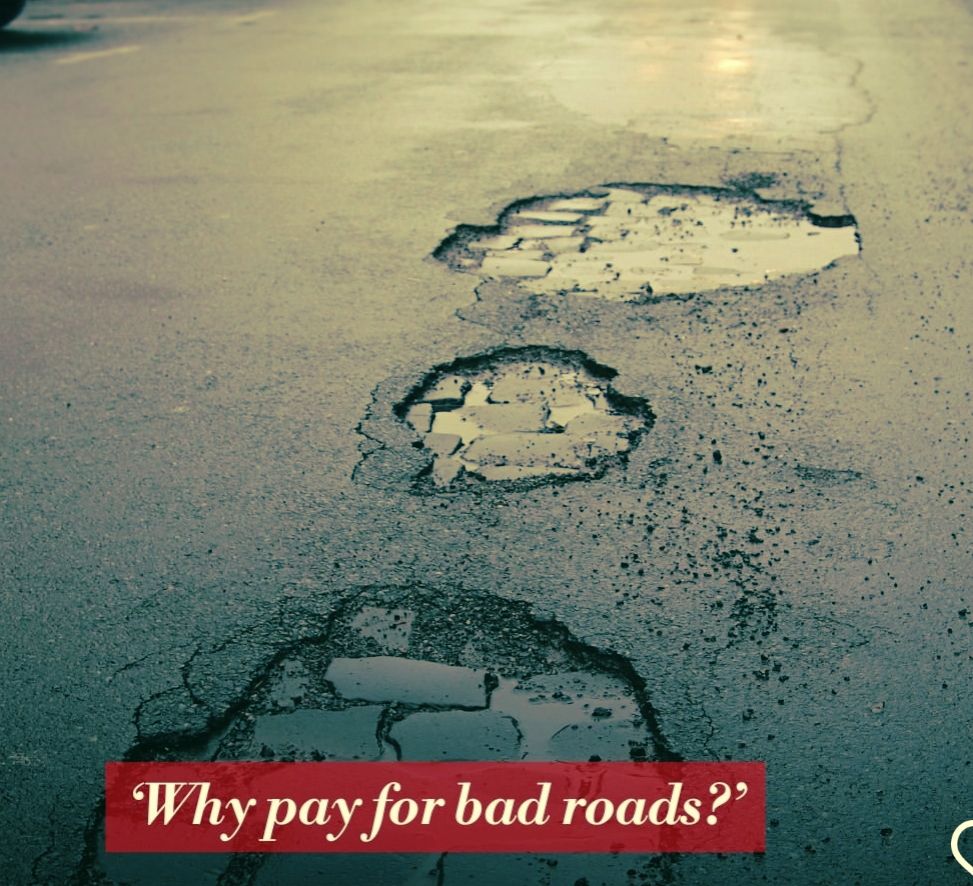
Poor ride quality imposes a massive but invisible economic tax. Every vibration transmitted through a vehicle suspension system translates into higher fuel consumption, faster component deterioration, increased logistics costs, driver fatigue, and avoidable accidents. Engineering science measures these conditions through indices such as the International Roughness Index (IRI), which quantifies accumulated suspension movement per kilometer, and the Pavement Condition Index (PCI), which evaluates structural surface quality. Globally, roads with an IRI below 2.86 m/km are considered excellent, while advanced highway systems typically maintain values between 3 and 5. In India, however, many National Highways routinely record values between 5 and 8, while several rural roads deteriorate to shocking levels exceeding 20. These are not merely technical shortcomings; they represent institutional failure. Rough pavements increase fuel consumption by nearly 10–15 percent and raise vehicle maintenance expenditure by 20–40 percent. In a country aspiring to become a global manufacturing and logistics hub, bad roads quietly inflate the cost of everything—from vegetables and medicines to industrial exports.
The tragedy is that India’s crisis is not caused by technological backwardness. The country possesses access to advanced construction machinery, digital surveying systems, AI-enabled monitoring, modern pavement materials, and world-class engineering expertise. The deeper problem lies in governance architecture. Roads fail not because India lacks engineers, but because accountability itself has been fragmented beyond recognition. At the center of the dysfunction lies the entrenched nexus between contractors, consultants, subcontractors, and sections of the administrative machinery. In many cases, construction quality becomes secondary to contract allocation, financial closure, and political deadlines. Even when firms are blacklisted for poor work, enforcement often remains symbolic. By the time a road collapses, responsibility has passed through so many layers of outsourcing that accountability effectively evaporates.
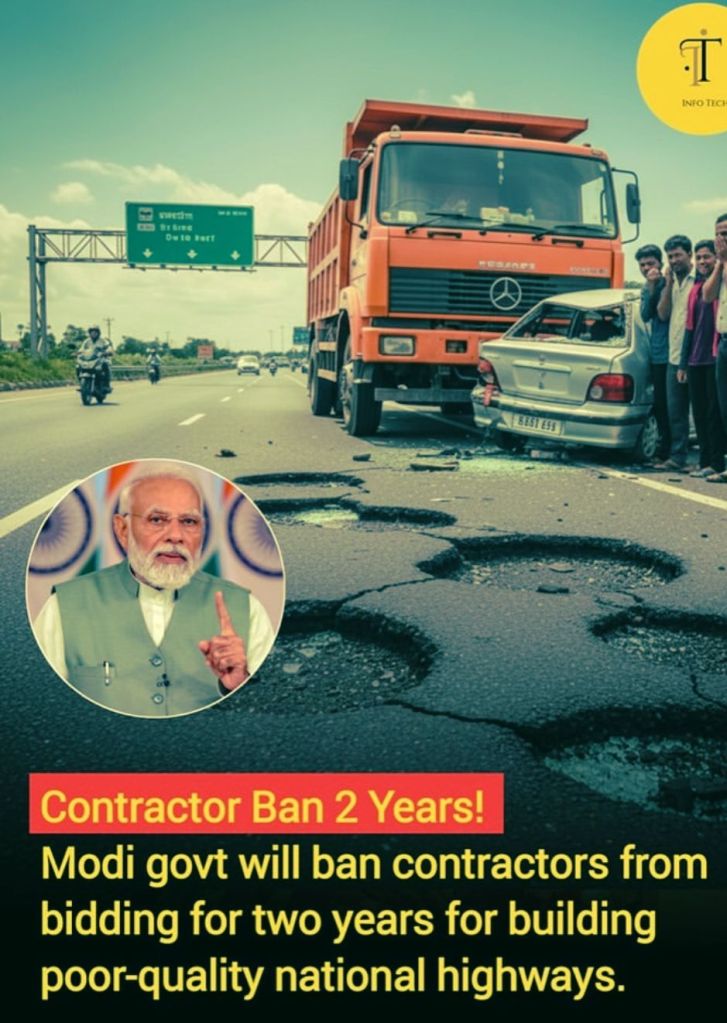
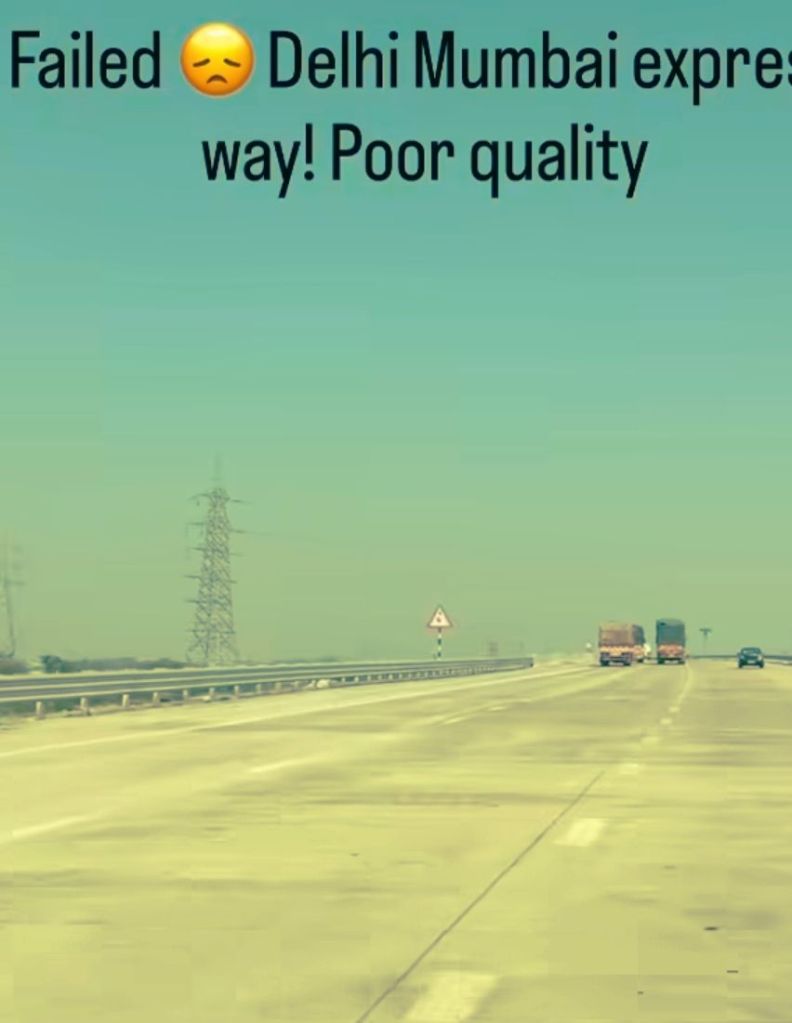
Subcontracting has intensified this decay. Primary contractors frequently outsource work to smaller entities operating on thinner margins and weaker technical capacity. Predictably, the chain reaction begins: inferior materials, compromised compaction, weak drainage systems, and inadequate soil stabilization. India’s engineering choices have also become increasingly questionable in certain regions. The aggressive push toward concrete roads, often implemented without proper climatic suitability analysis or lifecycle assessment, has introduced new vulnerabilities. Rigid pavements crack prematurely when thermal expansion, soil movement, and drainage patterns are poorly studied during Detailed Project Reports. In effect, flawed DPRs embed future failures into present construction. Add to this India’s overloaded trucking ecosystem and extreme climatic diversity—scorching summers, flooding monsoons, and dramatic temperature variations—and the stress on road infrastructure multiplies exponentially. Yet maintenance culture remains overwhelmingly reactive. India repairs roads after collapse instead of preserving them scientifically before deterioration accelerates.
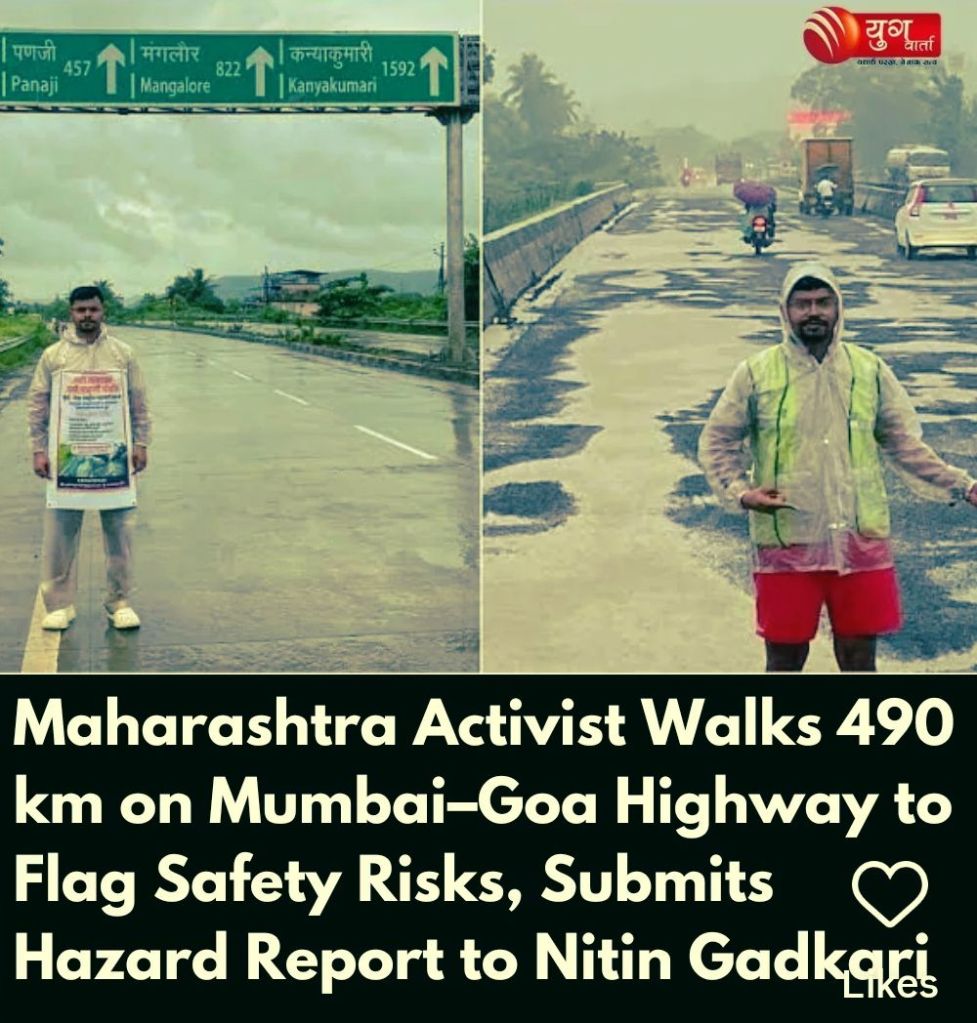
The real solution therefore requires a philosophical transformation—from “road construction” to “road asset management.” Building more highways alone cannot solve the crisis if maintenance remains politically unattractive and institutionally neglected. One of the most important reforms would be the widespread adoption of Performance-Based Maintenance Contracts, where contractors are paid not merely for construction but for maintaining predefined quality standards over five to seven years. Such systems fundamentally alter incentives. Instead of maximizing short-term profits through compromised execution, contractors become financially responsible for long-term durability. Simultaneously, India urgently needs a transparent national contractor rating system based on measurable outcomes such as ride quality, durability, maintenance record, and post-construction performance. Companies repeatedly delivering poor work must face genuine exclusion from future contracts rather than temporary symbolic penalties.
Technology can become a transformational ally if deployed intelligently. AI-enabled monitoring systems using drones, LIDAR scanning, predictive analytics, and sensor networks can identify cracks, potholes, drainage failures, and structural distress long before catastrophic breakdown occurs. Digital pavement management systems can classify roads scientifically into Excellent, Good, Acceptable, and Poor categories, enabling rational maintenance prioritization instead of politically driven patchwork repairs. Equally important is public transparency. Citizens should have access to scientifically measurable road-quality data, including IRI and PCI reports. Democracies improve when taxpayers can objectively evaluate whether public money is delivering public comfort and economic efficiency. Globally, the best-performing road systems are built not on lowest-bid obsession but on lifecycle cost analysis. A cheaper road that fails in three years is economically more expensive than a durable road lasting fifteen years with minimal intervention.
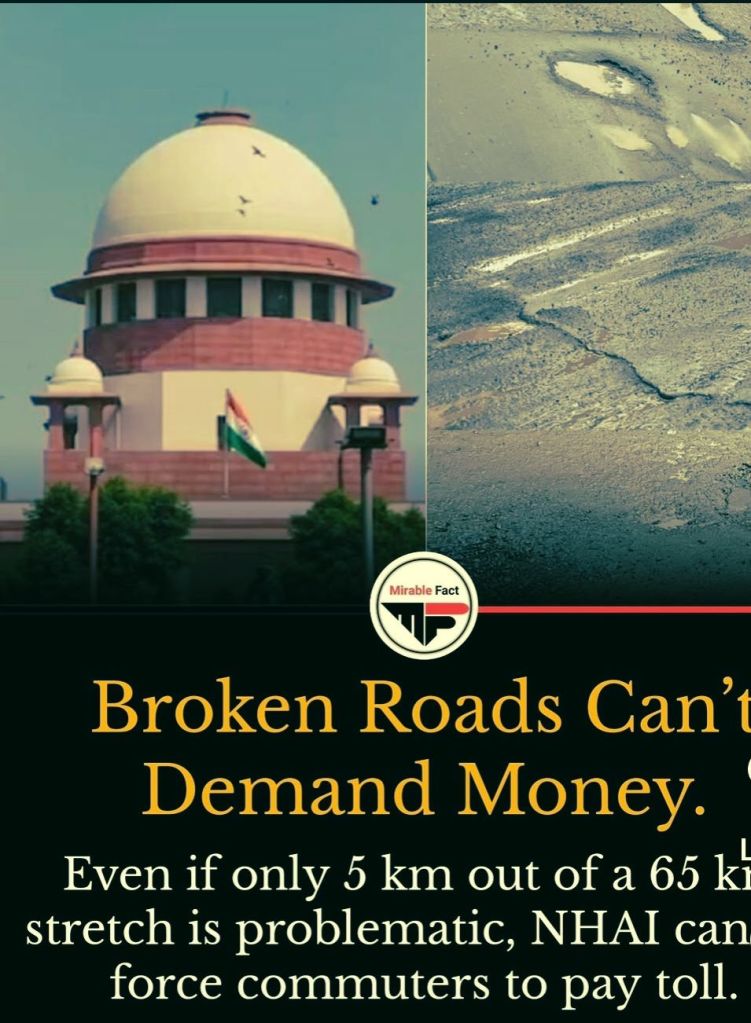
Ultimately, India’s road-quality crisis is not an engineering accident; it is a governance failure disguised as infrastructure expansion. Beneath every pothole lies a broken chain of accountability. Beneath every cracked expressway lies compromised supervision. And beneath every uncomfortable commute lies the silent normalization of mediocrity. The true test of a modern nation is not how many kilometers it builds, but how smoothly and safely its citizens travel upon them. Infrastructure cannot remain a political spectacle measured only through inauguration counts and aerial visuals. The future demands roads that are scientifically engineered, transparently monitored, climate-resilient, ethically constructed, and professionally maintained. Only then will India’s highways stop feeling like mechanical endurance experiments and finally evolve into what they were always meant to become: civilizational arteries of economic confidence and public dignity.
VISIT ARJASRIKANTH.IN FOR MORE INSIGHTS

