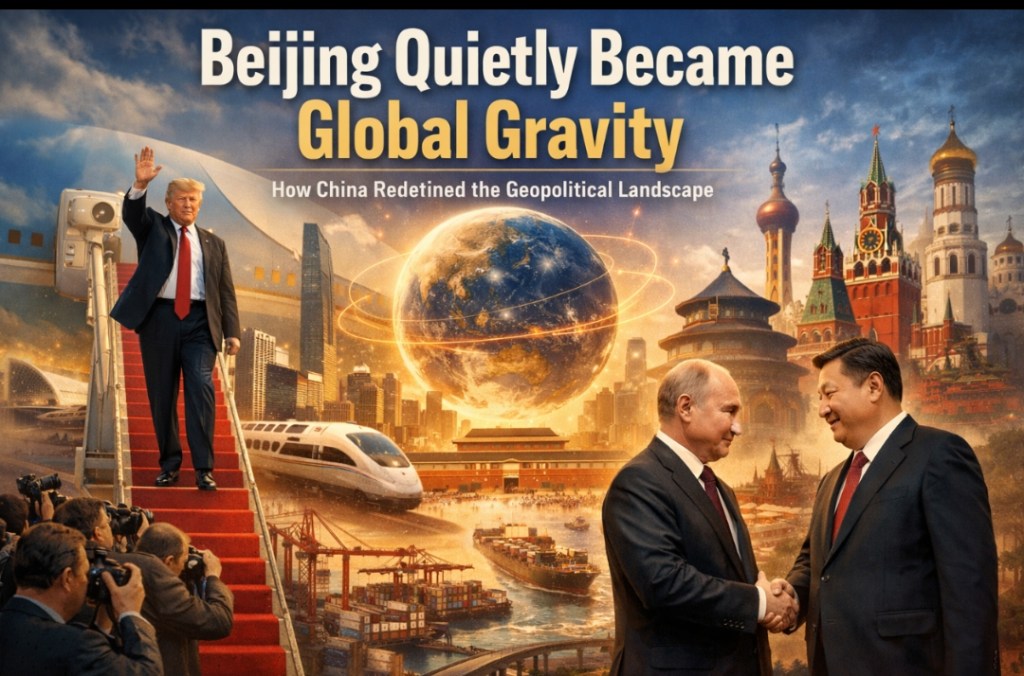
In modern geopolitics, noise often disguises weakness while silence conceals power. For nearly a decade, the world remained hypnotized by the spectacle of Donald Trump’s diplomacy—tariffs announced like television cliffhangers, sanctions delivered through political theatre, alliances questioned publicly, and negotiations conducted with the rhythm of a corporate takeover. Trump transformed geopolitics into a permanent live broadcast. Yet while Washington dominated headlines through disruption and unpredictability, another leader was operating with far less noise but far greater structural ambition. Xi Jinping did not attempt to dominate the news cycle. He attempted something far more consequential: to quietly redesign the operating system of global power itself. The defining geopolitical story of the 2020s may therefore not be the age of Trumpian turbulence, but the era in which Xi silently repositioned China from participant in the international order to one of its principal architects.
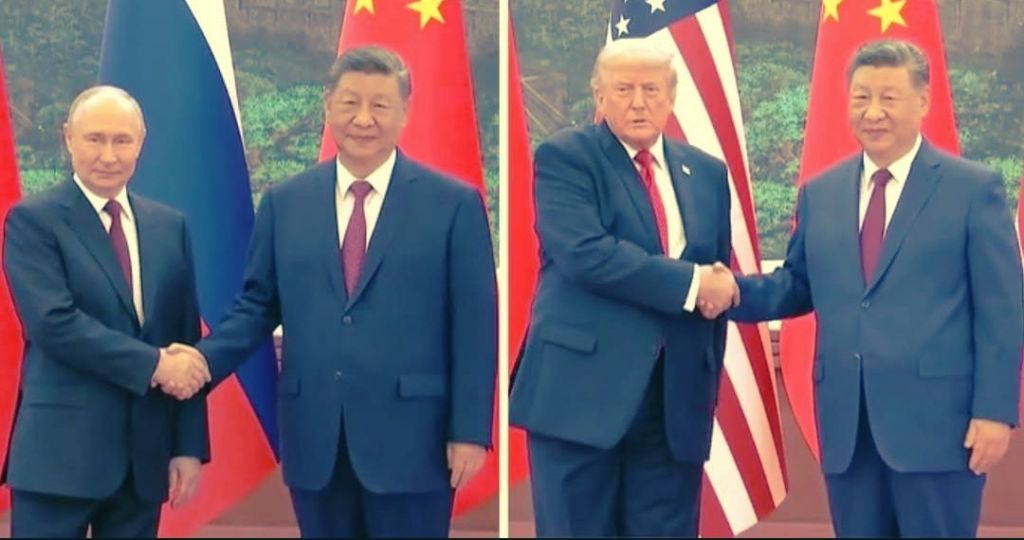
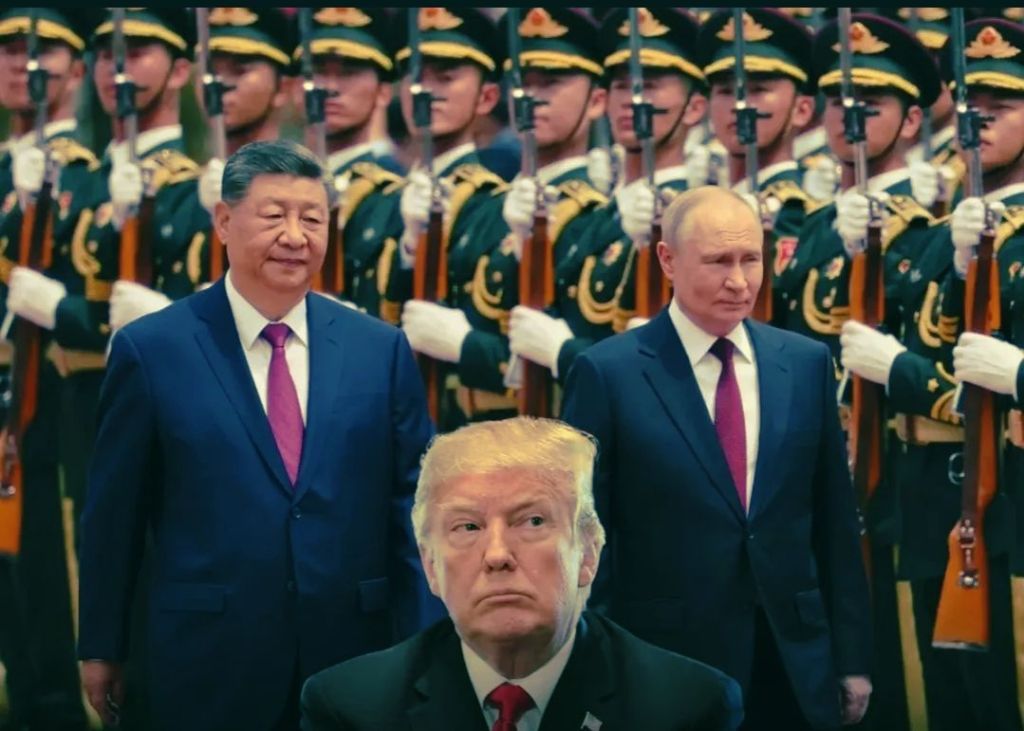
The contrast became especially visible during the back-to-back Beijing visits of Donald Trump and Vladimir Putin in May 2026. Trump arrived with global media attention, familiar unpredictability, and the optics of high-stakes diplomacy between the world’s two largest economies. The meetings were choreographed carefully, filled with ceremony and strategic symbolism designed to prevent further deterioration in U.S.-China relations. Yet beneath the spectacle, the fundamentals barely moved. Trade disputes remained unresolved, Taiwan continued to hover like a geopolitical landmine, and strategic mistrust survived every smiling photograph. Days later, Putin arrived in Beijing to a quieter atmosphere but a far more consequential outcome. More than forty agreements emerged across artificial intelligence, technology, energy, logistics, and strategic coordination. A joint declaration supporting a “multipolar world order” reinforced the unmistakable signal that Beijing and Moscow were not merely cooperating—they were attempting to reshape the architecture of global governance itself. Trump produced attention. Xi produced alignment.
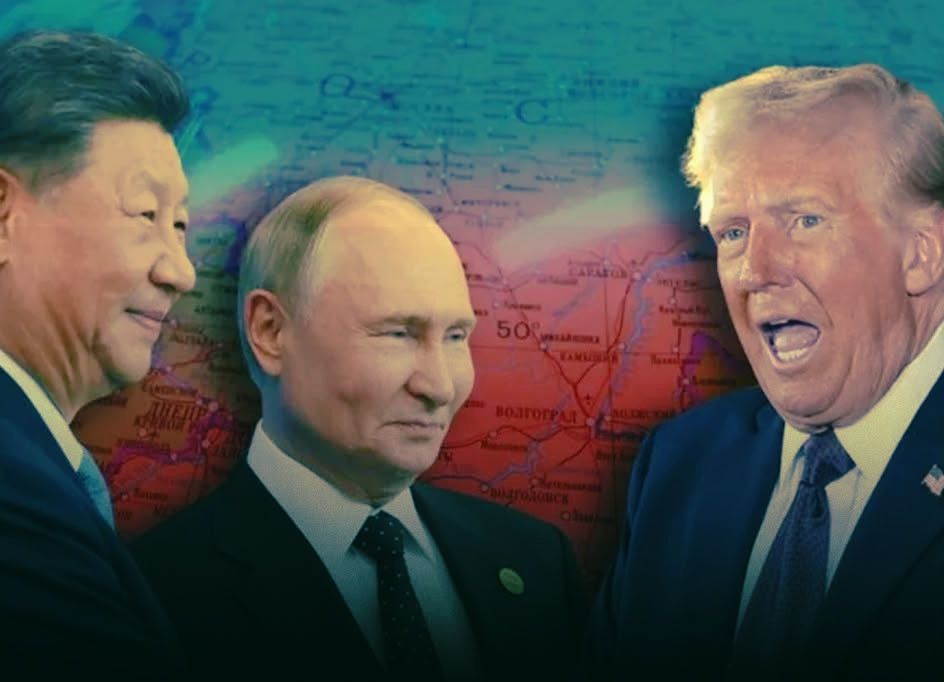
This difference reveals the deeper contrast between the two leaders. Trump approaches geopolitics like a high-voltage television event, where leverage comes from disruption, emotional intensity, and unpredictability. Xi approaches geopolitics like a civilizational engineering project, where power is accumulated patiently through continuity, infrastructure, and layered influence. Trump seeks immediate tactical pressure; Xi seeks long-term strategic gravity. One dominates headlines. The other quietly reshapes systems. Trump’s diplomacy often resembles improvisation amplified by personality. Xi’s diplomacy resembles institutional choreography designed decades in advance. This distinction matters because history is rarely shaped by the loudest actor in the room. More often, it is shaped by the actor who controls the room’s architecture.
That architecture increasingly runs through Beijing. Countries no longer engage China merely for trade opportunities; they engage because nearly every major geopolitical equation now intersects with Chinese economic centrality. Russia requires Chinese markets, technology access, and energy purchases to offset Western sanctions. Europe remains deeply dependent on Chinese manufacturing ecosystems and green technology supply chains despite political tensions. Even the United States, after years of “decoupling” rhetoric, remains economically intertwined with Chinese production networks. Xi understands a defining truth of the 21st century: modern power is no longer exercised only through military alliances or ideological blocs. It flows through ports, supply chains, rare earth minerals, semiconductors, digital infrastructure, battery technologies, financial systems, and industrial dependencies. China’s rise has therefore not been theatrical. It has been infrastructural. While Washington loudly debated containing Beijing, Beijing quietly embedded itself into the bloodstream of globalization.
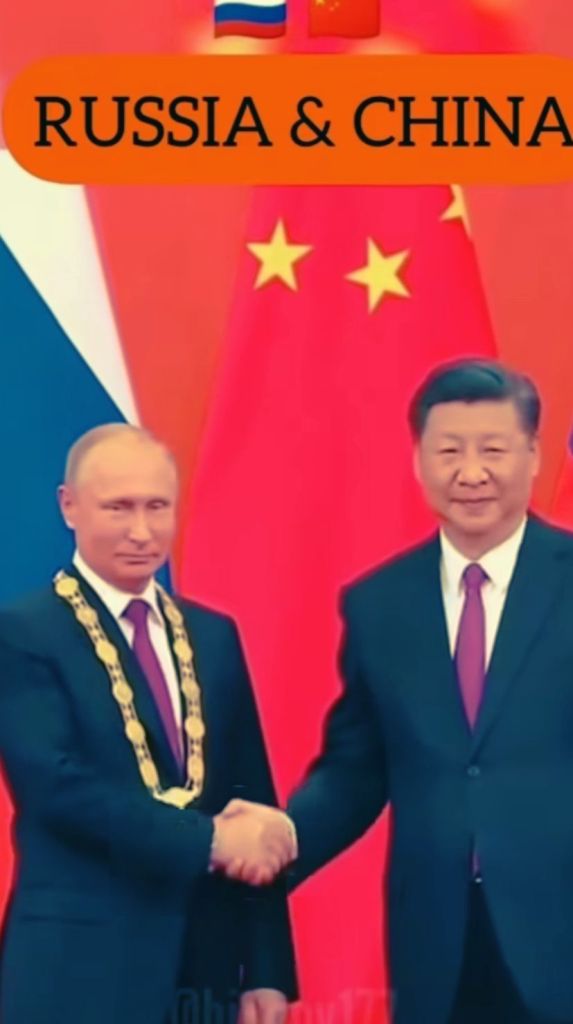
The Xi-Putin relationship perfectly illustrates this transformation. The two leaders have met more than forty times, cultivating an image of warmth, strategic trust, and political solidarity. Symbolic gestures—shared celebrations, carefully staged camaraderie, public affirmations of friendship—create the appearance of geopolitical equality. Yet beneath the symbolism lies a striking asymmetry. Since Russia’s invasion of Ukraine and the resulting Western sanctions, Moscow has become increasingly dependent on Beijing economically and technologically. China purchases enormous volumes of Russian fossil fuels, sustains trade flows, and provides Moscow with an economic lifeline that Western isolation sought to sever. Russia still possesses military power and nuclear parity, but economically it is drifting toward junior-partner status. Xi does not need to publicly dominate Putin because dependence itself has become the mechanism of influence. In modern geopolitics, silent leverage often matters more than visible control.
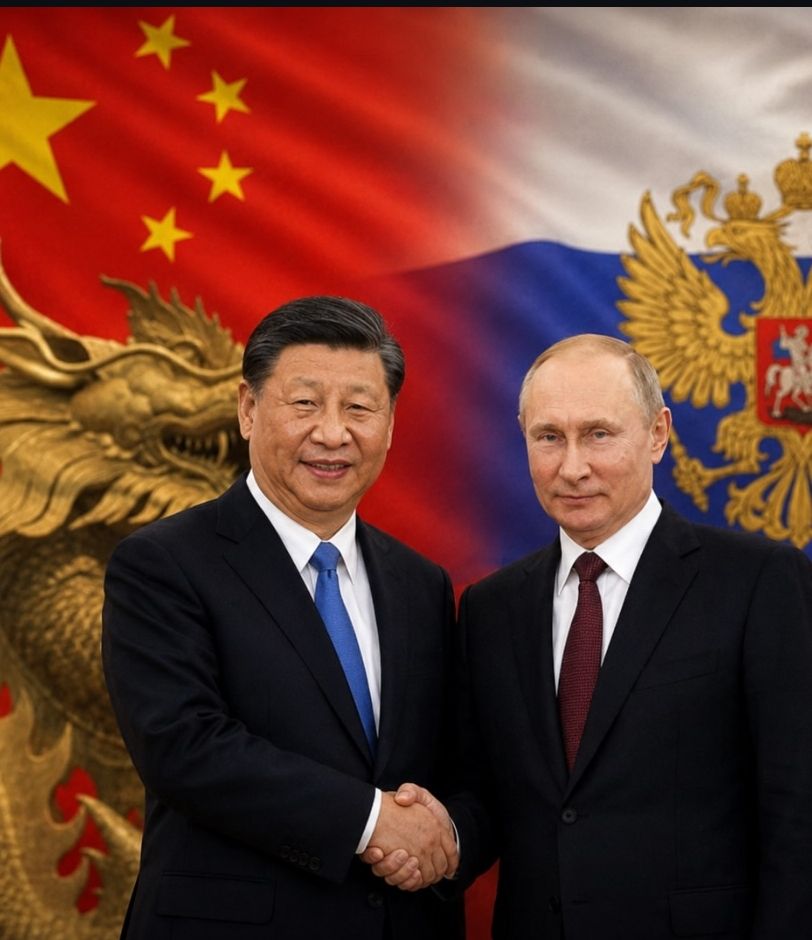
Xi’s broader strategic genius lies in his refusal to trap China inside rigid ideological alliances. Beijing avoids Cold War-style blocs and instead prefers selective alignment combined with maximum strategic flexibility. It supports Russia without fully inheriting Russia’s wars. It competes fiercely with America while maintaining economic interdependence. It strengthens ties with the Global South while avoiding direct ideological confrontation with the West. This ambiguity is not confusion; it is deliberate maneuverability. China can simultaneously champion globalization while building alternative institutions such as BRICS and the Shanghai Cooperation Organisation to dilute Western dominance. It can cooperate and compete at the same time. Xi has effectively transformed diplomacy into systems engineering—creating overlapping networks of influence rather than fixed camps of loyalty.
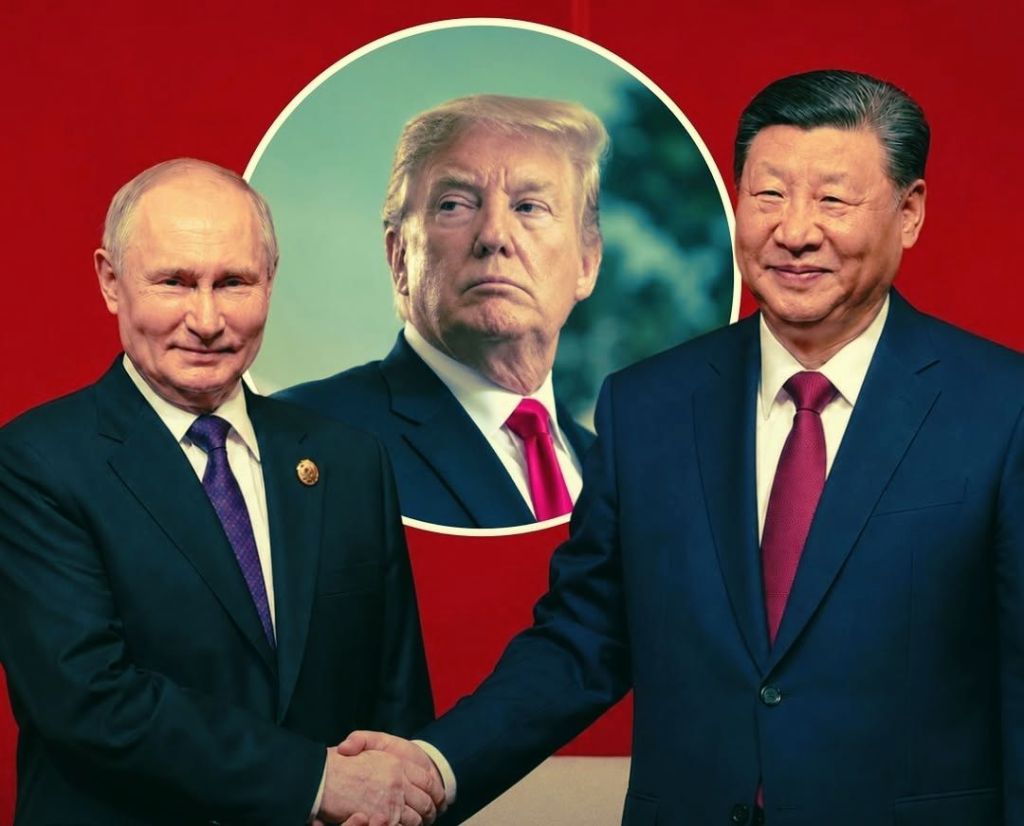
Ironically, Trump’s confrontational style often accelerated the very strategic shifts Xi desired. Every tariff war pushed China toward greater technological self-reliance. Every unpredictable policy shift encouraged allies and developing nations to diversify away from excessive dependence on Washington. Every loud confrontation reinforced Xi’s image as the calmer and more disciplined statesman. In international politics, predictability itself becomes a form of power. Nations do not merely align with strength; they align with stability. America still retains unmatched military reach, financial depth, and technological innovation. Yet China increasingly appears more institutionally coherent and strategically patient. In a century driven less by territorial conquest and more by economic connectivity, calm continuity attracts long-term partnerships more effectively than permanent volatility.
This does not mean Xi Jinping has already “won” the geopolitical contest. China faces serious internal vulnerabilities: demographic decline, mounting debt pressures, slowing economic growth, technological restrictions from the West, and rising suspicion from neighboring states. Taiwan remains the most dangerous flashpoint in global politics, capable of destabilizing everything Beijing has carefully built. Yet Xi’s real strength lies in his understanding that history is rarely transformed through dramatic victories alone. More often, it is transformed through silent accumulation—of infrastructure, dependency, institutional influence, and strategic patience. Trump’s voice filled the room. Xi quietly rearranged the furniture, rewired the walls, and changed who controlled the exits. That may ultimately become the defining geopolitical lesson of this century: the loudest power is not always the one shaping the future.
VISIT ARJASRIAKNTH.IN FOR MORE INSIGHTS

