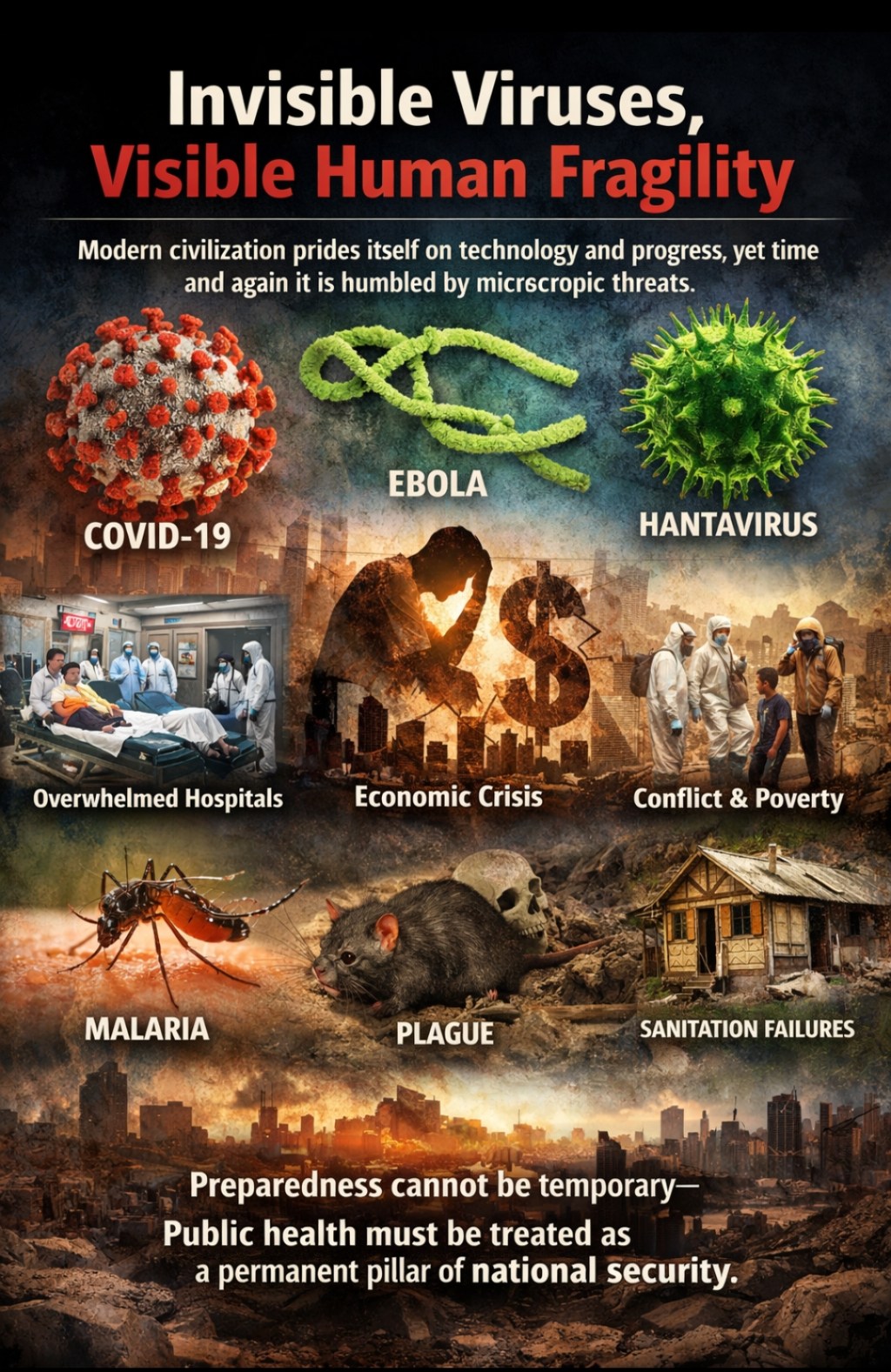
Humanity often behaves like a proud superpower. We build skyscrapers, conquer space, invent artificial intelligence, and speak as if nature has finally been domesticated. Yet again and again, a microscopic organism—too small to be seen with an ordinary microscope—has forced the entire planet to kneel. A virus is not a nation, not a religion, not an ideology. It has no army, no flag, no currency, and no manifesto. Still, it has repeatedly achieved what missiles, sanctions, and wars could not: it has shut down borders, frozen markets, emptied streets, collapsed hospitals, and exposed how fragile “progress” truly is. The most humiliating truth of modern civilization is that it can be destabilized by something that does not even qualify as a complete living organism.
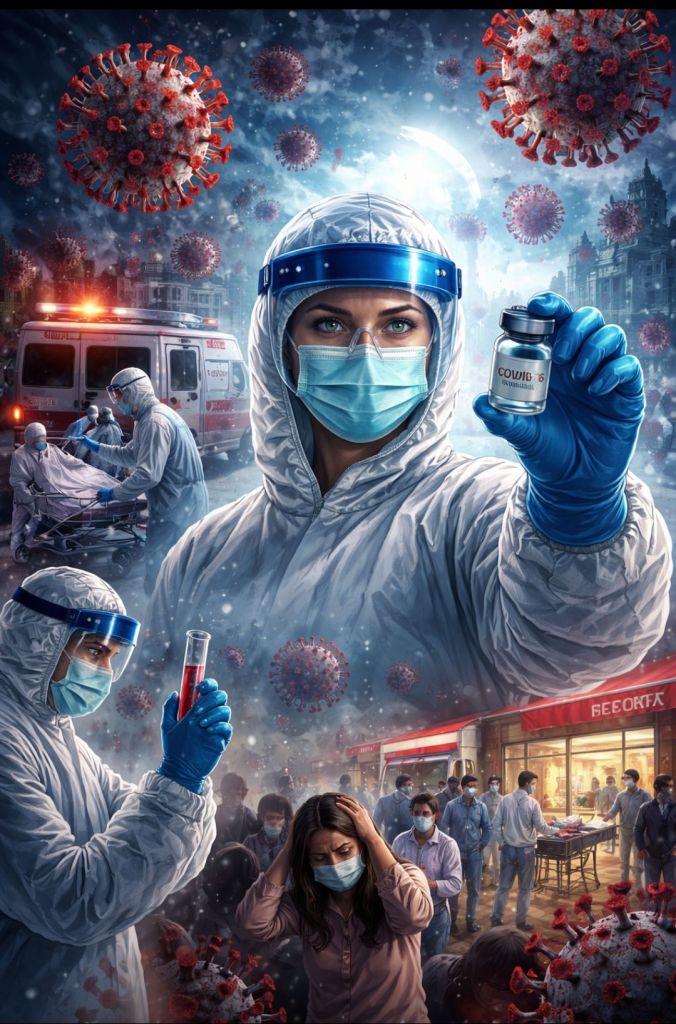
In the last century alone, humanity has been chased by a procession of viral nightmares. COVID-19, which emerged from China, was the loudest reminder. It travelled faster than diplomacy, faster than scientific certainty, and faster than public trust. It made the world experience a rare collective fear: the fear of breath itself. Oxygen became a commodity. The handshake became a threat. Airports became deserted monuments of globalization. The virus did not merely infect lungs; it infected systems—public health capacity, governance discipline, economic resilience, and social cooperation. COVID-19 was not only a medical crisis. It was a global examination of administrative preparedness, and many countries failed it not because they lacked intelligence, but because they lacked readiness.
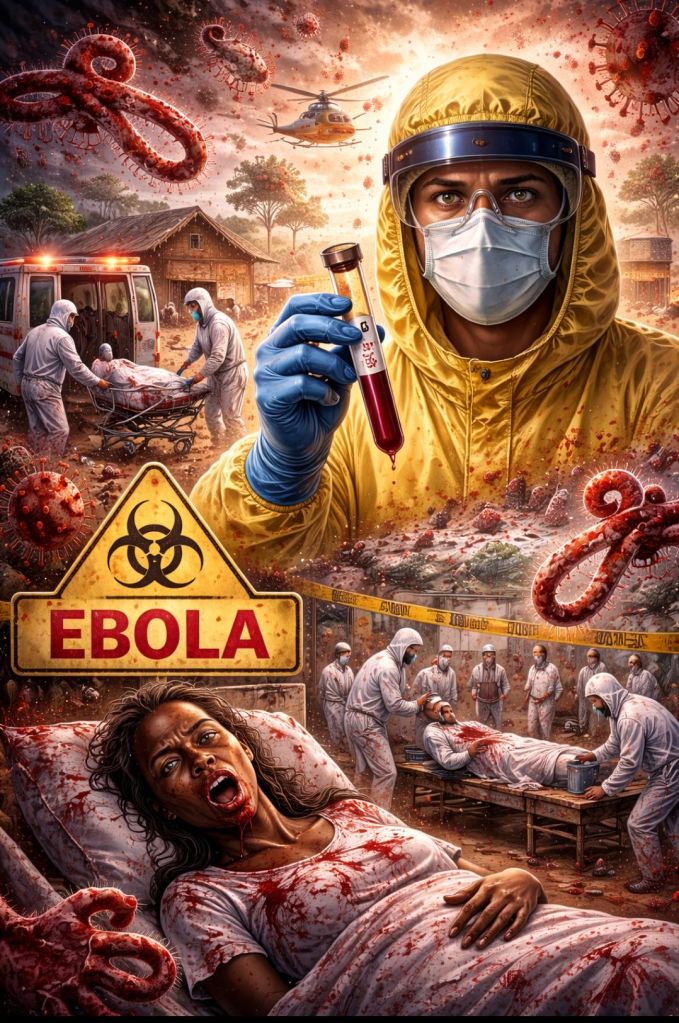
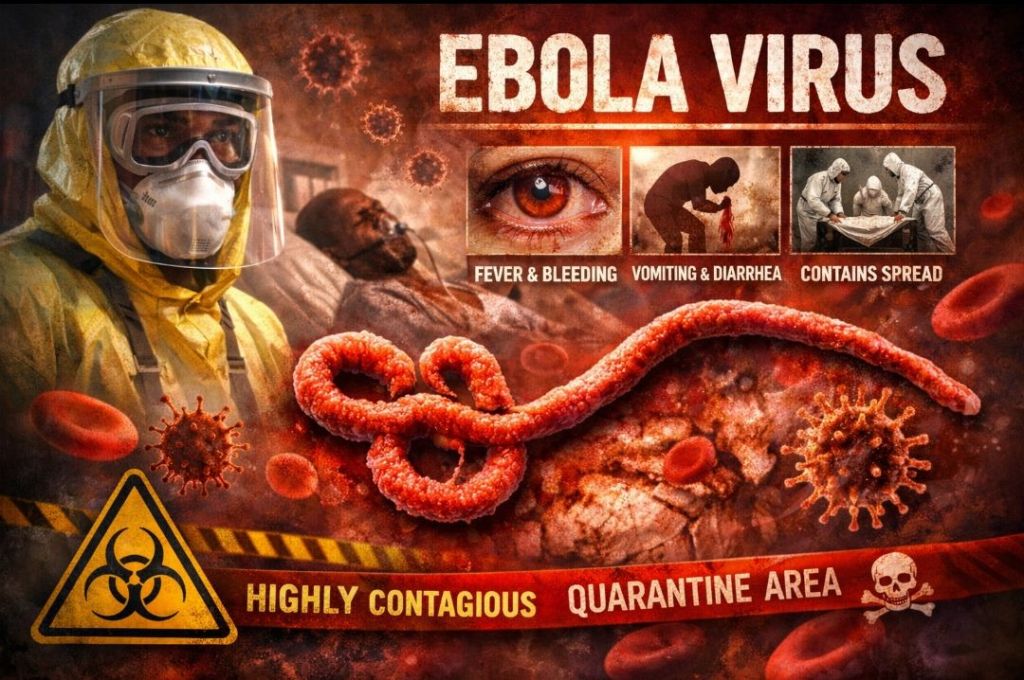
But COVID was only one chapter in a longer and darker book. In Africa, Ebola has remained a symbol of viral brutality. It does not spread through casual air contact like COVID. It spreads through intimacy—blood, bodily fluids, caregiving, and even funerals. Yet despite being “less contagious,” Ebola has repeatedly caused terror because it combines high lethality with deep social complexity. Ebola outbreaks in the Democratic Republic of Congo and other regions reveal a painful truth: viruses thrive not merely on biology, but on weak governance, poverty, conflict zones, mistrust, and logistical collapse. Where hospitals are scarce and institutions are distrusted, even a virus that can be controlled becomes a disaster. Ebola proves that disease is never just a health problem—it is also a political and administrative crisis.

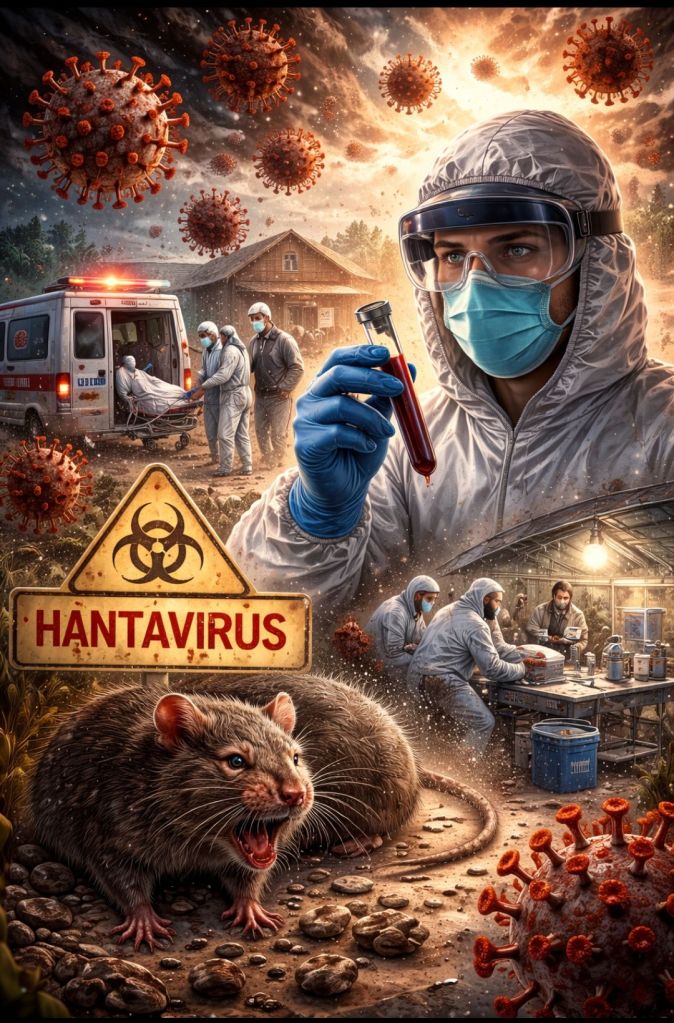
Then comes the quieter killer: Hantavirus. It has appeared in Argentina and other parts of the Americas, and it spreads not through global air passengers or crowded cities, but through rodents and their invisible waste. Its cruelty lies in stealth. It enters through dust, through inhalation, through cleaning a storage room or an abandoned cabin. Symptoms begin like ordinary flu, but suddenly the lungs start collapsing. Unlike COVID, it does not need crowds to spread. It only needs neglect—poor sanitation, uncontrolled rodent populations, and low awareness of environmental hygiene. In some incidents, even cruise ships and tourist spaces have turned into quarantine zones. A ship built for leisure becomes a floating laboratory of fear. That is the modern condition: even comfort is now vulnerable to invisible infection.
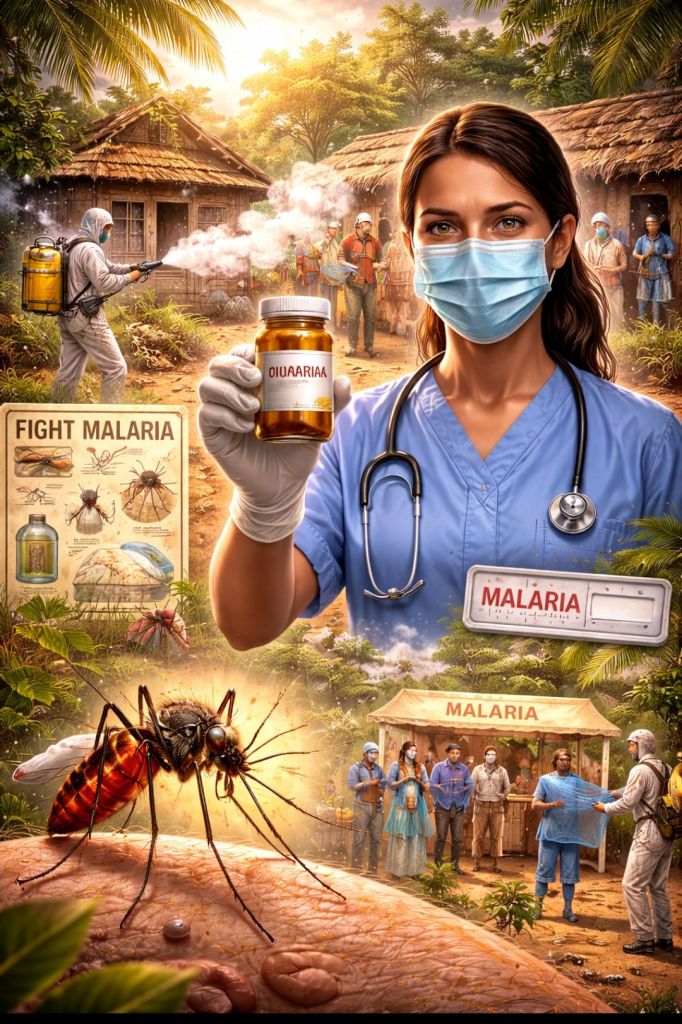
Viral threats also remind us that humanity has always been haunted by small biological enemies, even when they are not viruses. Malaria, for instance, is not viral, but it belongs to the same story of humiliation. A mosquito, a tiny insect, has drained economies, weakened generations, and quietly killed millions across centuries. Malaria does not create dramatic lockdown headlines; it creates slow suffering. It is a permanent burden on the tropical world and a constant tax on the poor. Its lesson is the same: civilization is not always defeated by grand enemies; it is exhausted by persistent invisible ones. Some disasters are loud, but the most dangerous ones are silent.
Rodents too have historically served as biological accomplices in human collapse. The plague, one of history’s most terrifying pandemics, travelled through rats and fleas. It proved that urban planning, sanitation, and food storage are not lifestyle issues but survival strategies. Even today, rodents remain underestimated agents of public health instability. Whether through plague bacteria or hantavirus families, they remind us that nature does not respect urban boundaries. A single rat is not just a pest—it is a possible emergency in motion. Modern cities may have metro rail systems and smart governance dashboards, but a weak sanitation ecosystem can still turn them into biological minefields.
What makes viruses uniquely dangerous is not only their fatality, but their adaptability. A virus mutates without ideology, without morality, and without fatigue. Humans debate; viruses evolve. Humans negotiate; viruses replicate. Humans declare victory; viruses return in new forms. COVID itself demonstrated this cruel principle. Just when vaccines arrived and confidence returned, new variants emerged. The pandemic turned into a long war of adjustment rather than a single decisive battle. This is the new pattern: not one enemy, but multiple redesigned versions, each exploiting loopholes in immunity, governance, and public behaviour. A virus does not require intelligence agencies—it requires only opportunity.
The greatest threat posed by viruses is not death alone. It is disruption. A virus attacks the nervous system of civilization: supply chains, workforce stability, education continuity, institutional trust, and political legitimacy. It turns hospitals into war zones and transforms doctors and nurses into front-line soldiers without armour. It also creates secondary epidemics—misinformation, stigma, conspiracy theories, and vaccine distrust. In Ebola outbreaks, unsafe funerals and community mistrust fuel spread. In COVID, denial and fake cures prolonged waves. In hantavirus, ignorance about sanitation turns routine cleaning into fatal exposure. Every virus is partly biological and partly behavioural. The pathogen may be microscopic, but human behaviour becomes its amplifier.
The lesson is brutally clear: humanity cannot afford episodic panic followed by collective amnesia. Preparedness cannot be seasonal. Surveillance systems, genomic tracking, rapid response teams, vaccine research pipelines, sanitation infrastructure, and public health communication must become permanent national security assets. Health is no longer merely a welfare subject; it is strategic defence. The battlefield is not always at borders—it is inside lungs, bloodstreams, and communities. A virus does not invade with tanks; it invades with silence. And it wins not by power, but by speed.
In the end, the virus is the ultimate equalizer. It punishes arrogance and exposes inequality. It thrives where governance is weak, where sanitation is ignored, where science is politicized, and where communities distrust institutions. It is the smallest creature with the largest power: the power to collapse certainty. As the world enters an era of climate instability, ecological disruption, and rapid urban crowding, viral threats will not disappear—they will multiply, mutate, and travel faster than human confidence. The future will not be shaped only by technology and economic growth, but by whether humanity learns to respect its most consistent enemy: the invisible emperor that needs no permission to rule.
VISIT ARJASRIKANTH.IN FOR MORE INSIGHTS

