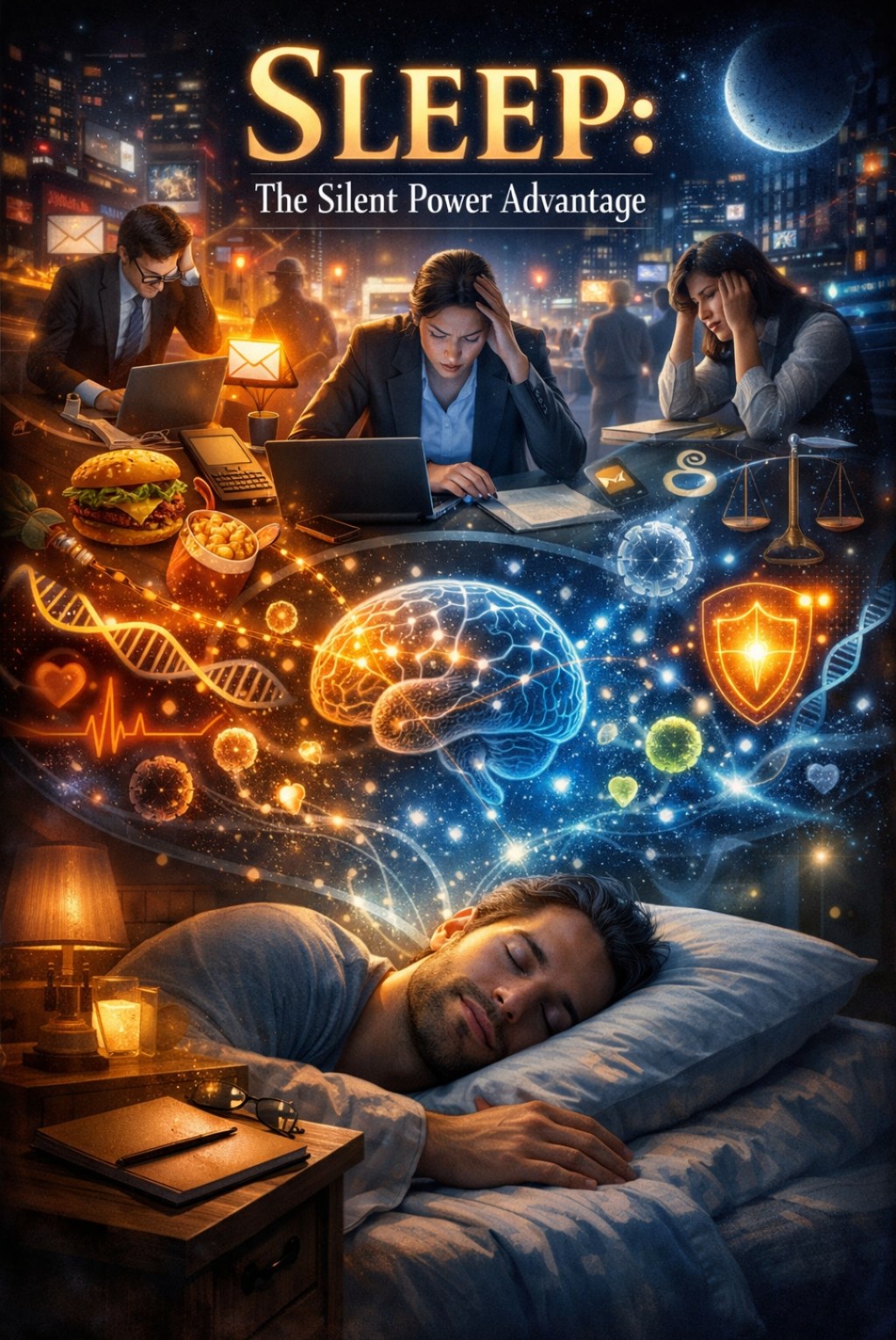
Modern society has achieved something extraordinary. It has placed global knowledge inside a pocket, turned homes into offices, made entertainment infinite, and converted time into a commodity that can be traded, scheduled, and monetised. Yet in the middle of this progress, one ancient biological system has been quietly damaged—sleep. Not sleep as comfort, not sleep as laziness, but sleep as the high-performance engine that fuels intelligence, emotional stability, leadership ability, hormonal balance, and physical excellence. The tragedy is not that people are sleeping less. The deeper tragedy is that people have normalised sleeping poorly, as if exhaustion is the natural tax of ambition. In reality, poor sleep is not a lifestyle choice—it is a silent decline in human performance dressed up as “being busy.”
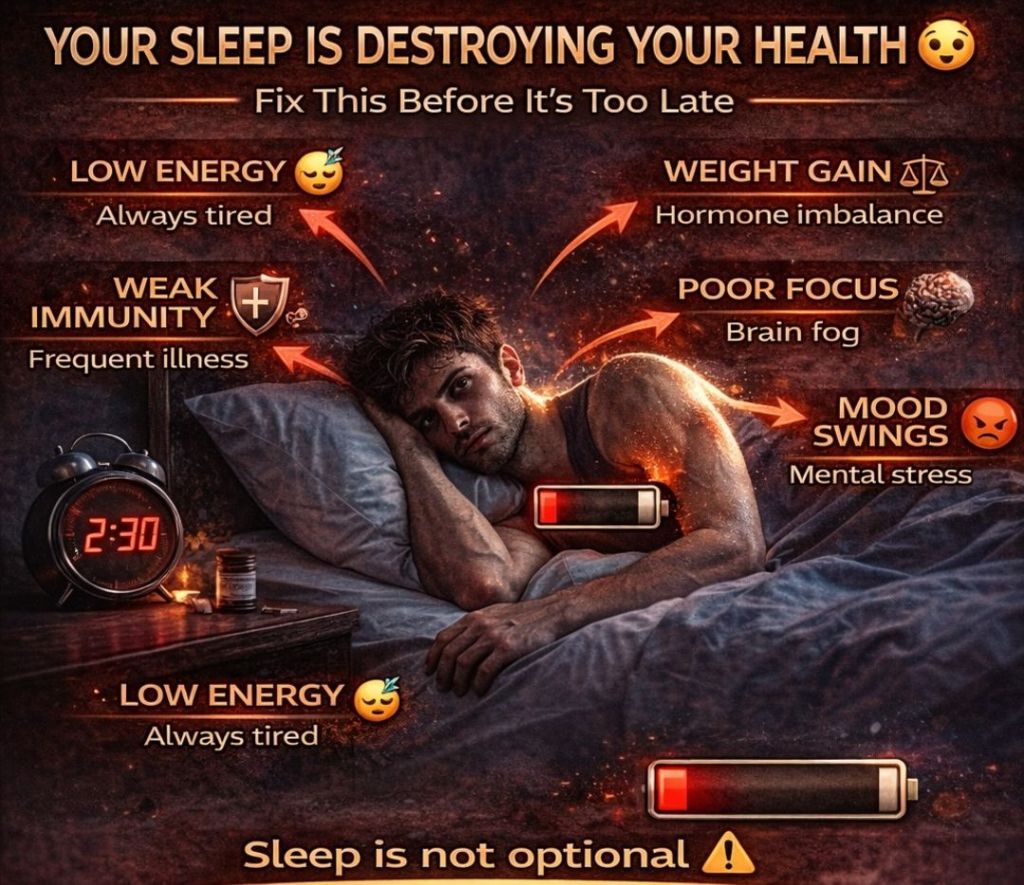
Sleep is not a pause button. It is the most sophisticated repair program nature ever designed. When we sleep, the brain does not shut down; it reorganises memory, clears metabolic waste, recalibrates emotional circuits, strengthens immunity, and stabilises the hormonal signals that determine hunger, stress response, and physical recovery. Sleep is not downtime. It is prime-time biological work. The brain is essentially running maintenance updates, sorting data, discarding irrelevant noise, and strengthening learning pathways. Without sleep, the mind becomes like a high-powered computer forced to operate without system reboot—still functioning, but increasingly unstable, error-prone, and vulnerable to crash under pressure. In a world obsessed with productivity, sleep remains the only performance tool that improves nearly every system simultaneously.
When sleep is reduced, the first visible casualty is cognition. Decision-making becomes slower, attention becomes fragmented, and judgment becomes impulsive. The brain loses its ability to manage complexity and begins to prefer shortcuts. This is why sleep deprivation is not just tiredness; it is a distortion of intelligence. Reaction times slow down, accuracy declines, and mental flexibility shrinks. Even minor sleep loss produces measurable decline in professional performance, whether in boardrooms, classrooms, hospitals, or sports arenas. Many people assume they are “working fine” on six hours. They are not. They are working while cognitively compromised, often unaware of the damage because the brain is too tired to accurately evaluate itself. The most dangerous part of sleep deprivation is that it reduces insight while simultaneously increasing confidence—an unfortunate combination for leadership and decision-making.
But cognitive decline is only the surface. Beneath it lies a deeper breakdown: emotional instability. Poor sleep weakens patience, increases irritability, and makes small problems feel like major threats. Empathy drops, tolerance collapses, and interpersonal friction rises. Many modern conflicts—at home, at work, and even in governance—are not purely ideological problems. They are sleep-debt problems disguised as personality traits. A sleep-deprived brain becomes emotionally reactive because the internal braking system weakens. This is why stressed leaders make harsh decisions, why families argue over minor issues, and why workplace environments become toxic even without obvious causes. Sleep is not just personal health; it is social stability.
Physiology pays an even heavier price. Sleep regulates hormones that govern strength, appetite, stress response, and metabolic efficiency. Testosterone drops with inadequate sleep, weakening recovery and physical resilience. Cortisol, the stress hormone, becomes dysregulated, placing the body in a constant state of internal emergency. Appetite hormones become distorted: leptin, which signals fullness, decreases, while ghrelin, which signals hunger, increases. The outcome is predictable—fatigue-driven overeating, cravings for sugar, weight gain, and metabolic damage. Many people assume their diet is the primary culprit behind obesity or low energy. Often, the hidden architect is a broken sleep schedule. Sleep deprivation does not merely make people tired; it rewires the body into storing fat, craving junk, and resisting recovery.
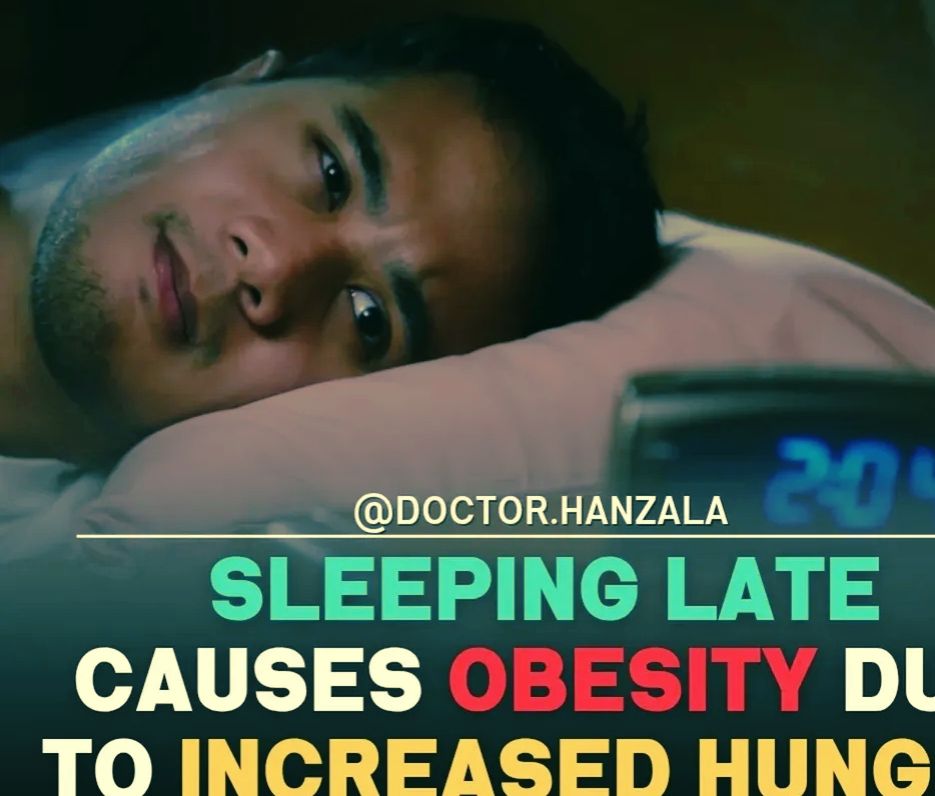
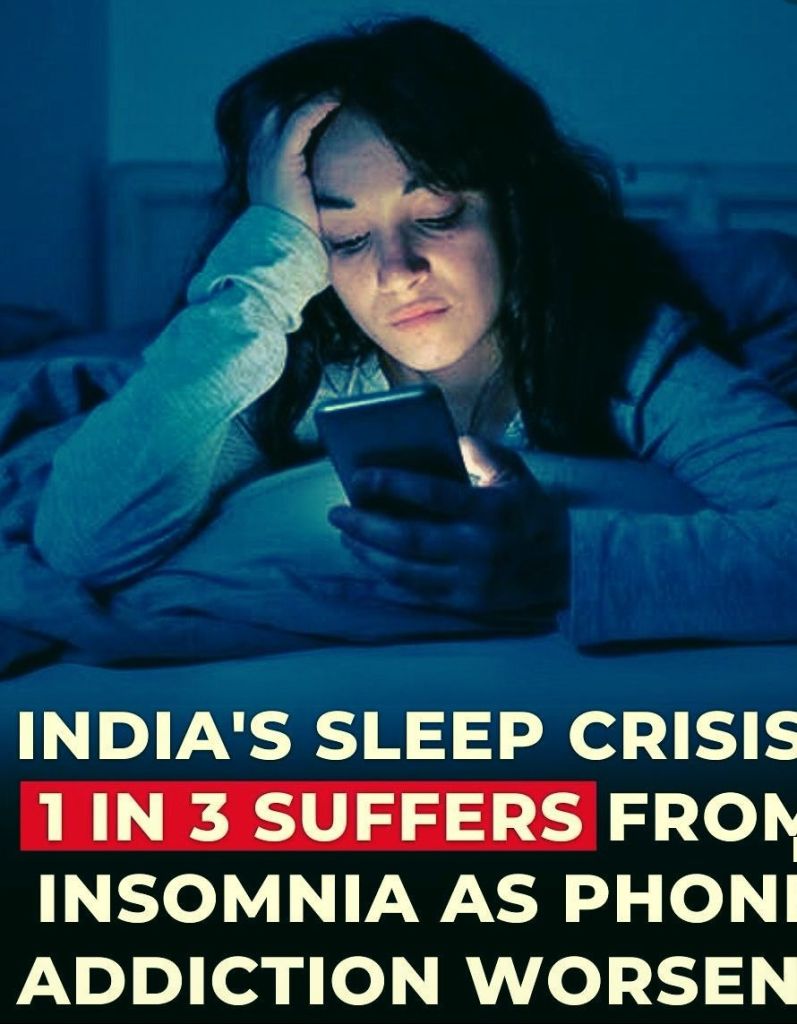
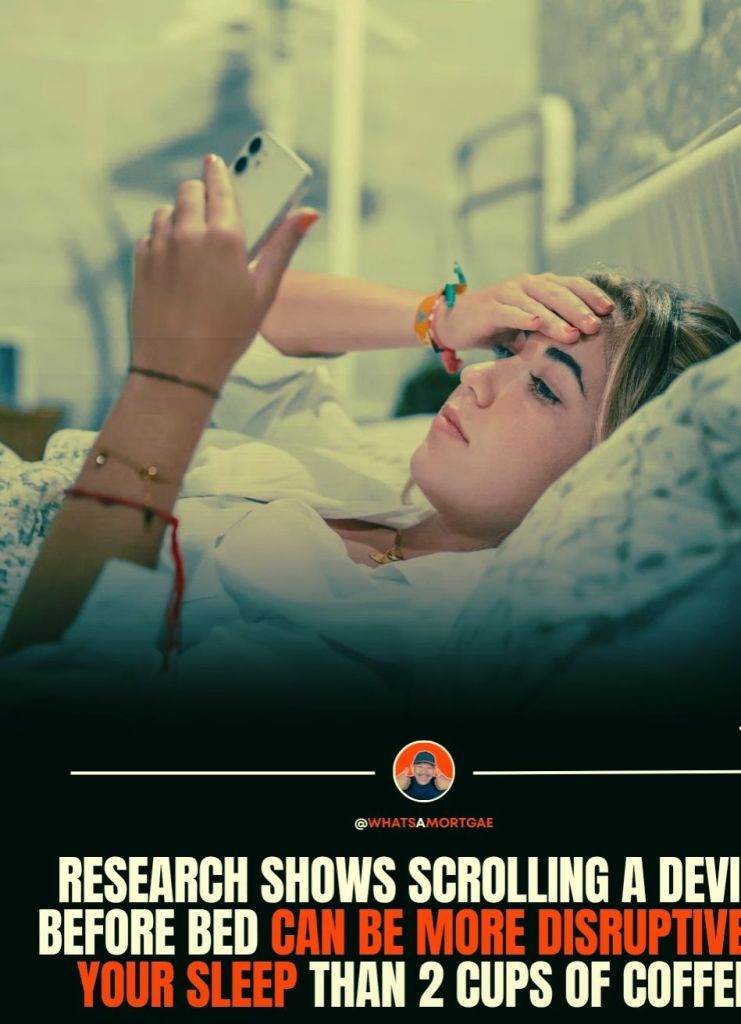
The modern world has become especially hostile to biological rhythm. Sleep patterns have declined not because humans became weaker, but because the environment became louder, brighter, and psychologically addictive. Bedtimes have drifted later, sleep duration has reduced, and weekends have become a second time zone. This “social jetlag,” where sleep timing shifts by two hours or more on weekends, confuses the circadian clock the same way international travel confuses the body. The internal rhythm loses its anchor. The major driver is artificial light—especially screen light. Blue wavelengths suppress melatonin, the hormone that signals night to the brain. A phone held inches from the face becomes a portable midnight sun. Add endless scrolling, constant notifications, anxiety-driven consumption of news, and a culture that glorifies busyness. Exhaustion has been turned into a badge of ambition, but biology does not reward ambition. It rewards alignment.

The consequences of circadian disruption are not theoretical. Chronic sleep damage is linked to metabolic disease, cardiovascular strain, immune dysfunction, mental health deterioration, gastrointestinal problems, and even increased cancer risk in long-term shift workers. A disrupted biological clock is not a lifestyle inconvenience—it is slow sabotage of lifespan. Yet the solution is not heroic discipline or unrealistic perfection. It is intelligent design. Sleep improvement does not require dramatic overnight transformation; it requires small, repeatable rituals that create predictable signals for the brain. A short wind-down routine of 5–10 minutes—reading, breathing exercises, journaling, or calm music—acts as a transition that tells the nervous system the day is ending. Dimming lights is a powerful cue because bright light tells the brain it is still daytime. Sleep begins not in bed, but in the evening environment.
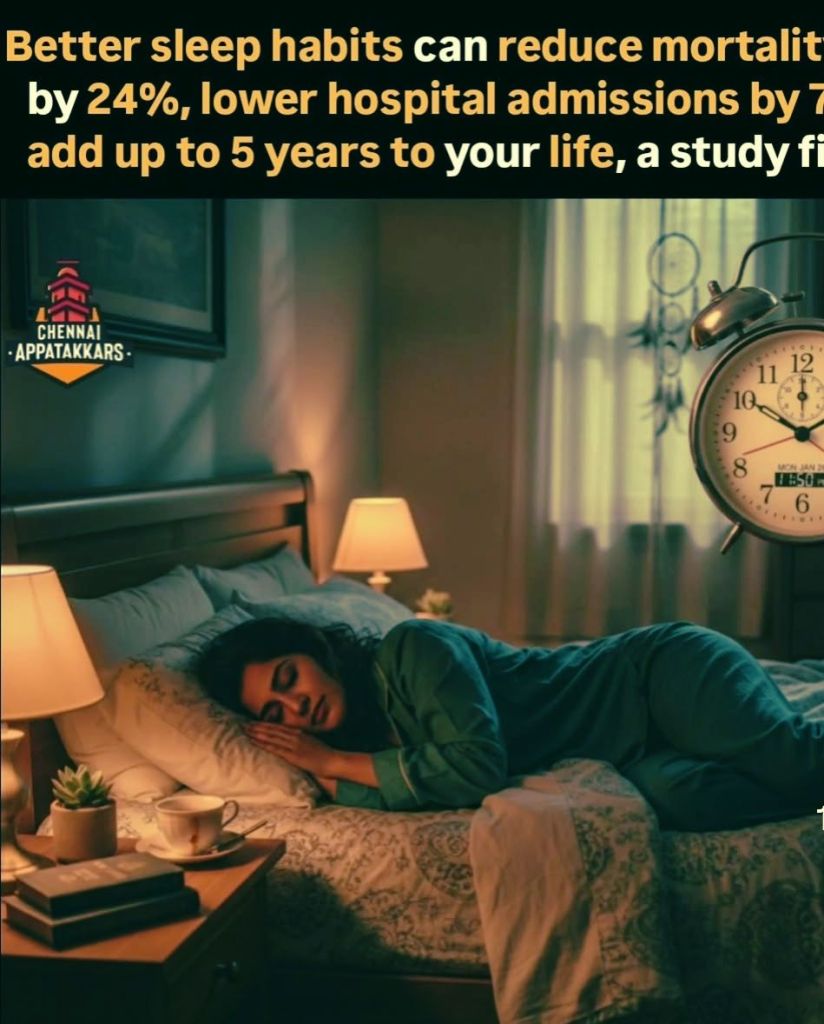
Cognitive offloading is another high-impact tool. A racing mind is often not anxiety; it is unfinished mental accounting. Writing down tasks, worries, or tomorrow’s priorities clears mental RAM and prevents the bed from becoming a negotiation table for stress. Environmental conditioning matters too. The bedroom should not become an extension of the office or cinema. When people work, eat, and scroll in bed, the brain stops associating the bed with sleep, and sleep becomes optional rather than automatic. Even temperature plays a strategic role. A hot shower or bath about 90 minutes before bedtime helps because the body cools afterward, and this drop in core temperature triggers sleep onset. Sleep is not only psychological—it is thermodynamic.
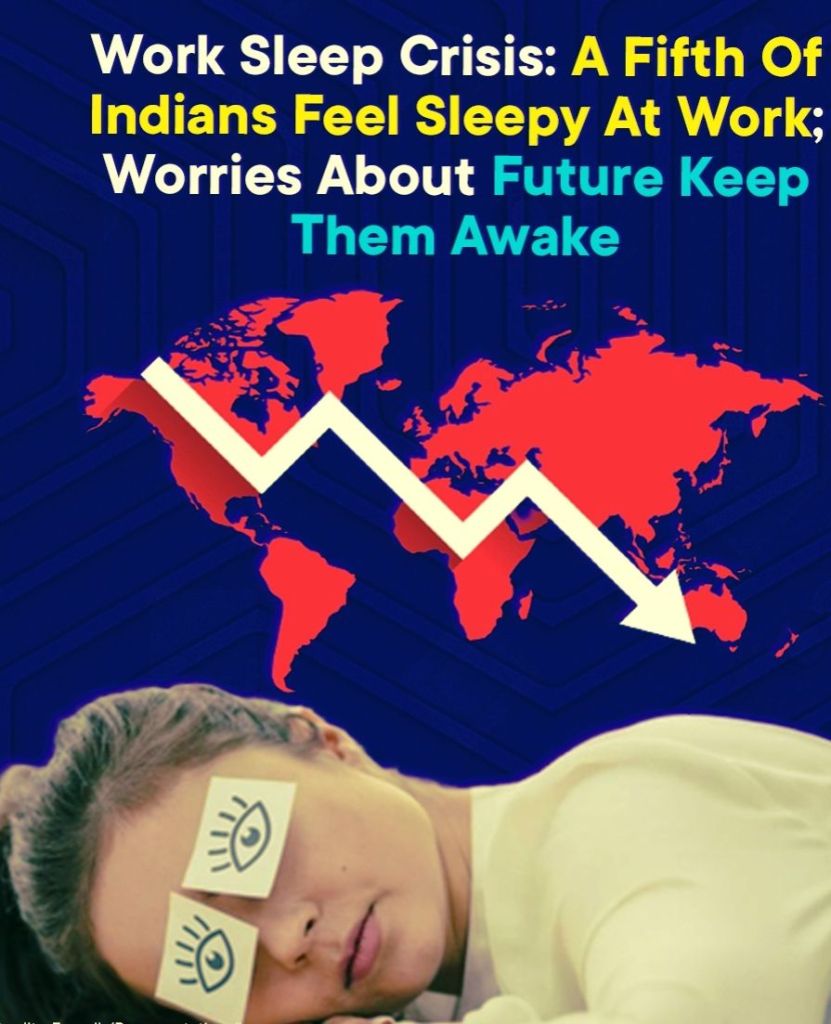
For peak performance, sleep extension is one of the most powerful interventions. It means deliberately increasing sleep beyond the usual baseline to repay accumulated debt. Many people assume weekend sleep compensates for weekday deprivation, but the math rarely works. If the body needs eight hours and receives six for five nights, the deficit becomes massive. Two long weekend nights cannot repay five days of biological borrowing. Even adding 15 to 30 minutes per night creates measurable improvement in reaction time, mood stability, and focus. For acute boosts, there is the famous “napachino”—caffeine followed immediately by a 20–30 minute nap. Since caffeine activates in about 15 minutes, the nap ends just as caffeine begins working, creating sharper recovery than either method alone. Used wisely, it becomes a legal performance enhancer for professionals, athletes, and travellers.
Ultimately, the modern world is obsessed with productivity tools, leadership strategies, and mental hacks, but sleep remains the most powerful performance system available to humans. It is the cheapest medicine, the strongest cognitive enhancer, the most ethical performance booster, and the most underestimated leadership advantage. When sleep improves, thinking becomes sharper, emotions become steadier, the body becomes more resilient, and decision-making becomes cleaner. In a competitive world, sleep is not rest. It is quiet dominance.
VISIT ARJASRIKANTH.IN FOR MORE INSIGHTS

