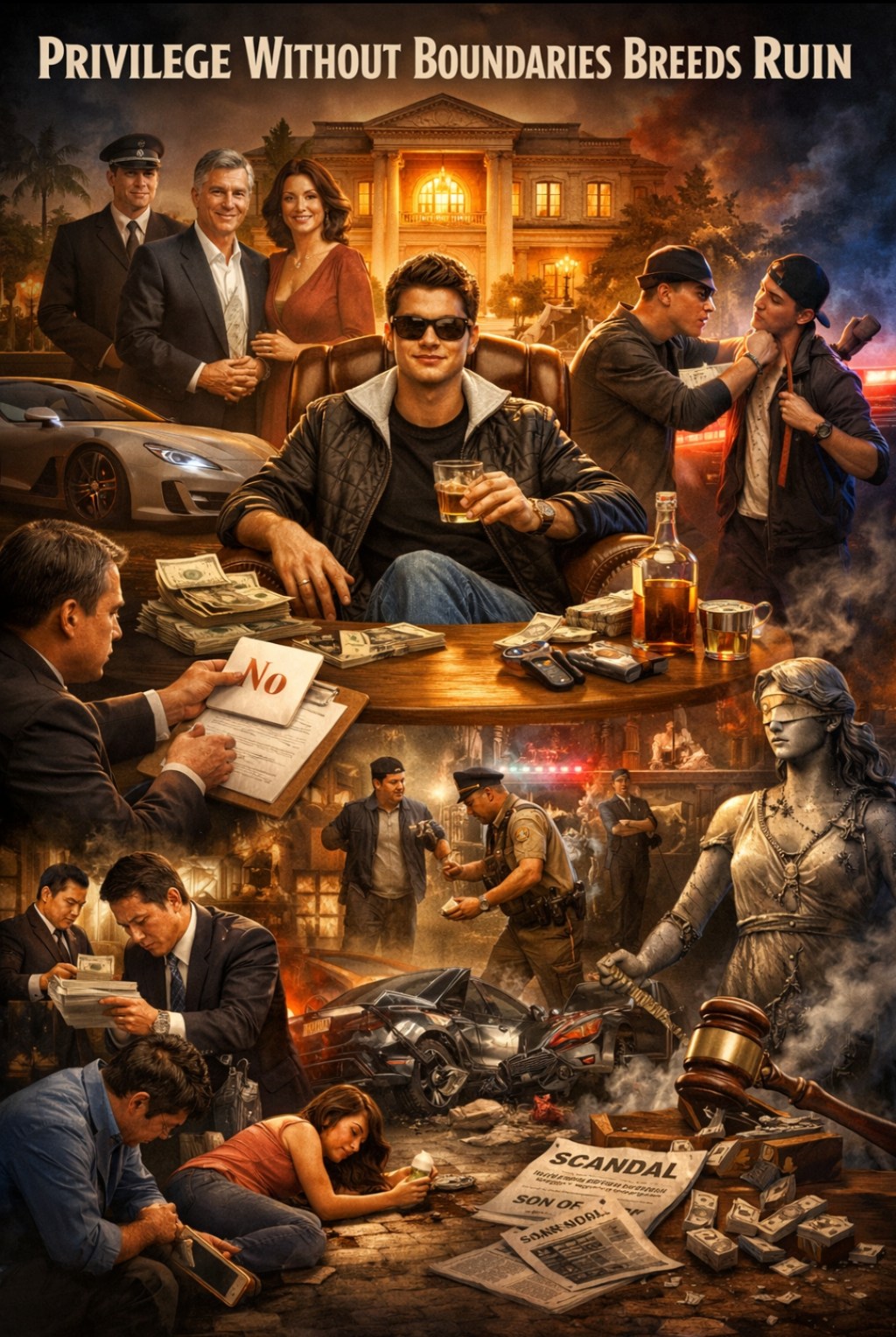
In every society, power creates its own private universe. Around public representatives and famous personalities—politicians, bureaucrats, judges, industrialists, celebrities—there grows an invisible ecosystem that quietly changes the way a family lives. It is not only security staff, drivers, and assistants. It becomes a complete “house society”: a circle of loyalists, gatekeepers, flattering visitors, opportunists, and constant observers who treat the family like a moving institution. Inside this ecosystem, children are not raised like ordinary citizens. They are raised like inherited authority. And the first lesson they absorb is dangerous: rules are flexible if your surname is powerful.
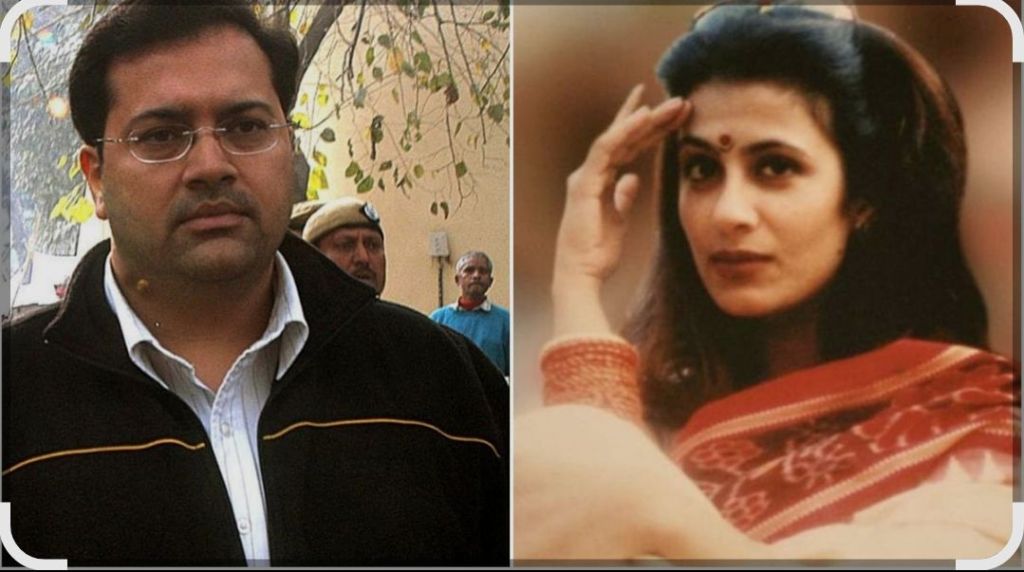
The real tragedy is not wealth. It is the moral emptiness that wealth often disguises. Ordinary children are shaped by daily friction. Teachers scold them, neighbours criticize them, classmates mock arrogance, and society gives instant feedback when someone behaves badly. But in powerful households, friction is removed systematically. The driver speaks softly. The staff laughs at rude jokes. The school principal becomes extra polite. The police officer becomes overly respectful. Even relatives hesitate before correcting the child. Slowly, the child stops hearing the word “no.” And when “no” disappears, discipline collapses. When discipline collapses, character begins to rot quietly.

The spoiling of VIP children is not just a parenting failure. It is an institutional outcome. Wealth removes the need for patience. Influence removes the fear of consequences. Busy parents, trapped in public life, often compensate emotional absence with gifts, confusing luxury with love. Household staff are trained to obey, not to correct. Visitors praise the child not for good behavior but for proximity to power. In such an environment, arrogance is not taught like a subject—it is inhaled like air.
Then the pattern unfolds with frightening predictability. First comes indulgence: special admissions, special permissions, rules bypassed casually, and misbehavior forgiven as “childish.” Then adolescence arrives, and experimentation begins. But without boundaries, experimentation becomes recklessness. Late-night parties, drunk driving, bullying, rude treatment of service staff, public aggression, and humiliating ordinary citizens become common. At this stage, the child is not simply spoiled. He is practicing tyranny in small installments.
Eventually, the public incident happens. A video goes viral. A complaint is filed. A victim speaks out. And the headline appears with surgical cruelty: “Son of…” or “Daughter of…”. In one moment, years of speeches on morality collapse under the weight of domestic reality. What the parent preached in public is exposed as absent in private.

After that begins the familiar damage-control drama. Lawyers arrive. Apologies are drafted without shame. Victims are pressured into silence. Influence is tested quietly. Media management begins. Sometimes the child escapes legal punishment, but public judgment is often harsher than any court order. Society may forgive mistakes, but it rarely forgives hypocrisy. The family’s image becomes stained, and every future achievement is viewed through suspicion.
India has seen this story repeatedly. Sometimes it ends in catastrophe—cases involving murder, assault, culpable homicide, or brutal violence, where public outrage forces the system to act. Sometimes the disgrace comes through intimidation and arrogance: public beatings, threatening behavior, misuse of security, or treating common citizens as disposable objects. Financial fraud has also become a common route of collapse, because privilege without competence creates shortcuts. When children inherit networks they do not understand, they try to succeed through manipulation rather than merit. Even family feuds—siblings fighting publicly, inheritance battles, emotional outbursts on social media—turn private pain into public ridicule. When a powerful family begins fighting itself openly, society reads it not as tragedy but as moral bankruptcy.
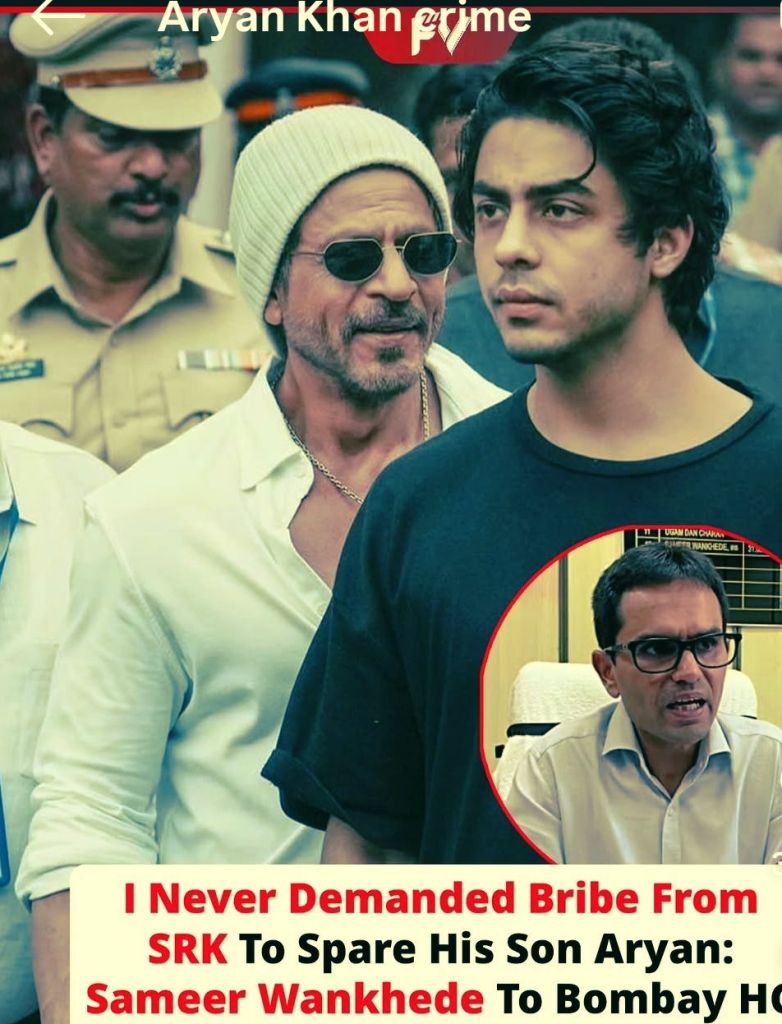
Reform is difficult because such households are designed to resist correction. Denial becomes a disease. Parents interpret warning signs as “youthful energy,” refusing to admit that arrogance is not a phase but a culture. The home becomes a protected black box. Institutions hesitate to intervene. The media adds distortion—sometimes exaggerating, sometimes shielding—but either way, normal accountability is disturbed. Meanwhile, elite peer circles accelerate the decay. Rich children compete not in achievement but in audacity, turning privilege into a contest of who can violate boundaries more dramatically.
This is why the arrogance of VIP children is not merely a family embarrassment. It is a governance issue. Every scandal involving a public figure’s child damages institutional legitimacy. When citizens watch influence bury wrongdoing, they stop believing in law. And when law is no longer believed, the state loses moral authority even if it still holds power. In that sense, the spoiled child becomes a small but powerful agent of national corrosion.

The solution is not speeches, apologies, or moral lectures after the damage is done. It requires structural discipline inside powerful families. The first reform is moral clarity: parents must practice accountability, not privilege. If the child commits an offence, the parent must not interfere. A powerful parent who allows legal consequences is not being harsh; he is protecting the family’s dignity and the state’s credibility. Second, privilege must be controlled: fixed allowances, earned luxuries, real responsibilities, and exposure to real hardship. Third, children must be placed in environments where their surname has no market value—schools, sports, and social circles where merit matters and identity does not. Fourth, families must restore emotional presence: time, conversation, and real parenting instead of outsourced affection. Finally, children must be trained in consequences early—small punishments today, so that life does not deliver irreversible punishments tomorrow.
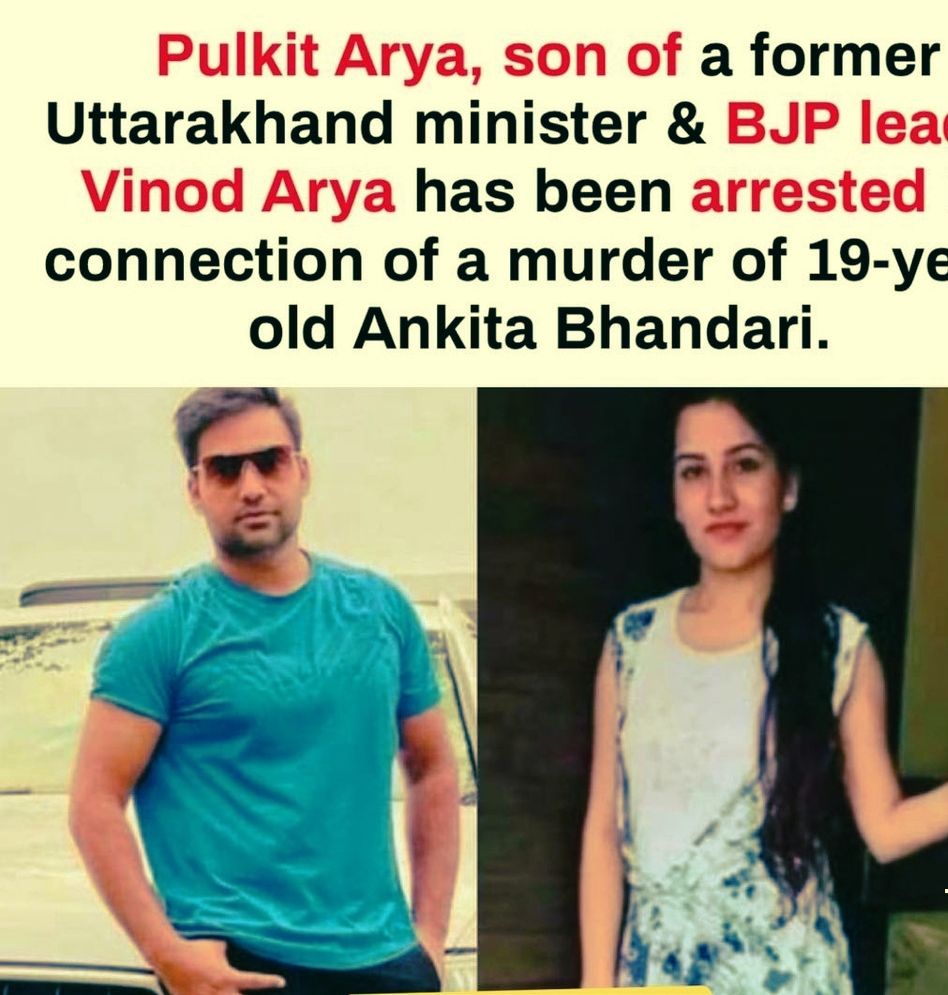
Children of powerful families must understand one brutal truth: society does not hate them for their privilege. Society hates them for their contempt. A surname is not an achievement. It is a loan taken from history. If it is not repaid with humility, discipline, and service, the same name that opened doors will eventually become the headline that destroys them.
In the end, famous families are rarely ruined by enemies. They are ruined by children who were never taught limits, never made to earn respect, and never reminded that power is not inheritance—it is responsibility. Dynasties do not collapse because the world is unfair. They collapse because their children confuse privilege with immunity, and arrogance with destiny. And when that confusion spills onto the street, the disgrace does not belong only to the child. It belongs to the entire “house society” that raised someone who believed he was above citizenship itself.
VISIT ARJASRIKANTH.IN FOR MORE INSIGHTS

