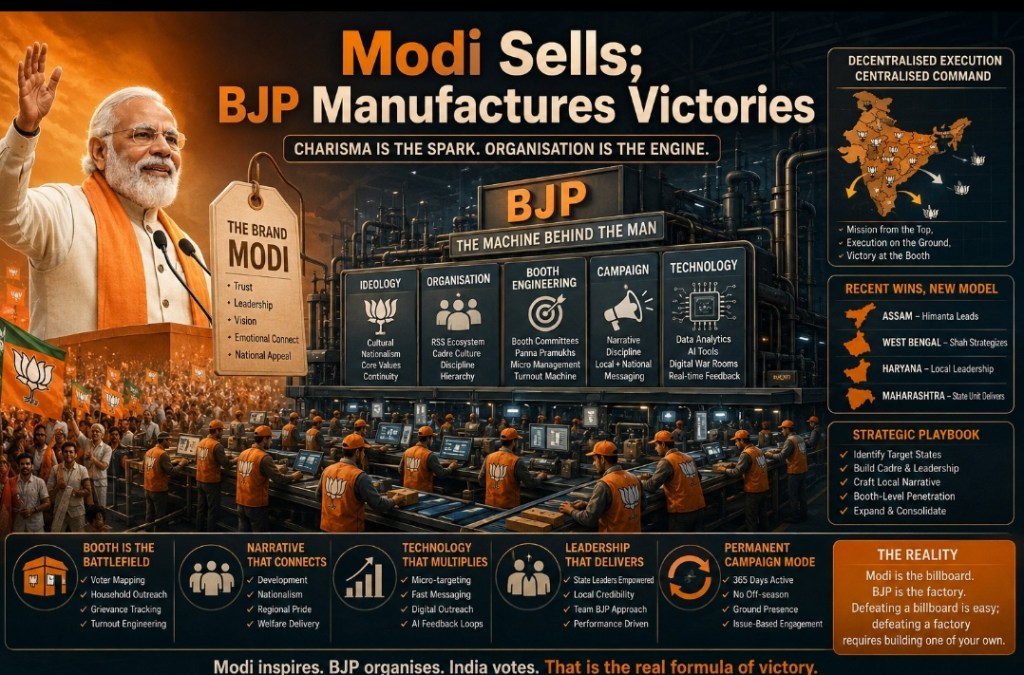
The biggest political misunderstanding in India today is the lazy assumption that the Bharatiya Janata Party’s dominance is simply the by-product of Narendra Modi’s personal popularity. Modi is undeniably a towering political brand, perhaps the most potent electoral personality India has produced in decades. But reducing BJP’s rise to one charismatic face is not just intellectually shallow—it is politically suicidal for those who oppose it. The BJP of 2026 is not merely a leader-driven party; it is a multi-layered electoral corporation engineered with ideological cement, operational discipline, and a grassroots engine that works like a permanent election-time government. Modi is the headline. The BJP is the newsroom, the printing press, and the distribution network. The real story is not Modi’s speeches; it is the silent machinery beneath him.
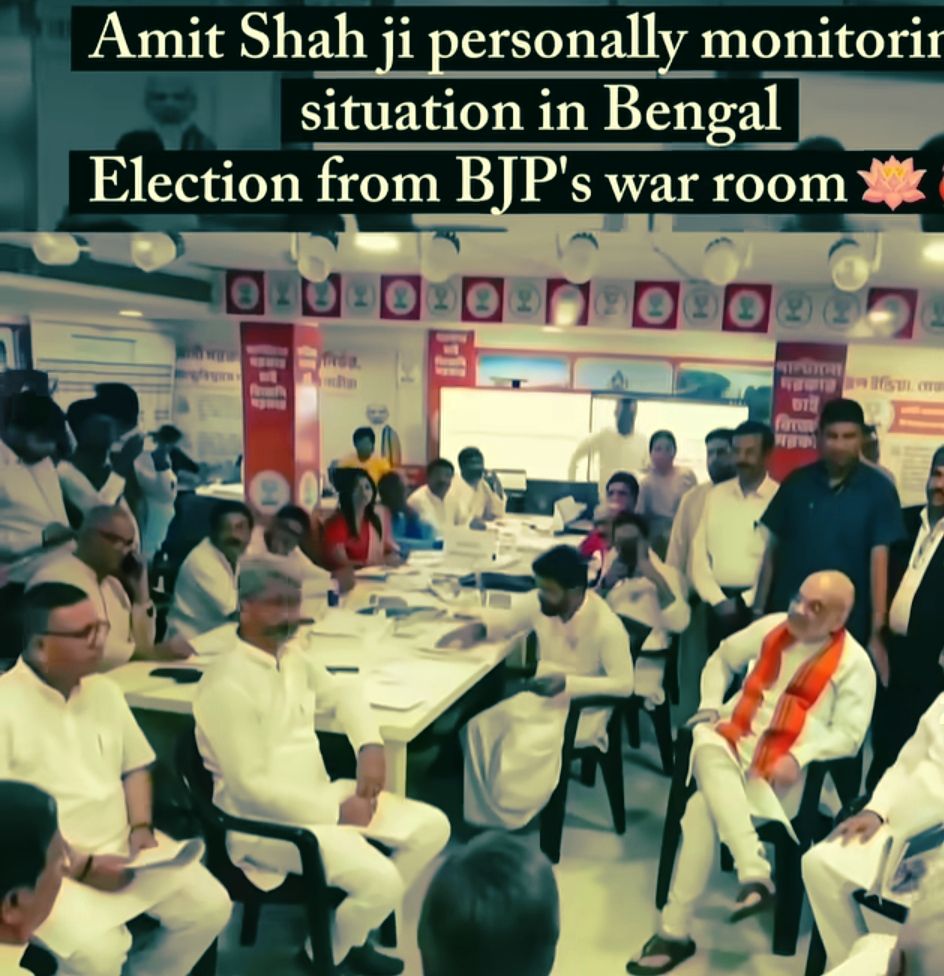
Recent victories in West Bengal and Assam reveal this deeper transformation. These wins were not achieved through Modi’s charisma alone but through local leadership ecosystems that BJP has deliberately cultivated. Assam was driven by Chief Minister Himanta Biswa Sarma’s aggressive state-level command and narrative crafting. West Bengal saw Amit Shah’s tactical management and a coordinated “Team BJP” style execution. Haryana offered an even clearer signal of strategic evolution: the party consciously projected collective leadership and local credibility under Nayab Singh Saini. Maharashtra, too, reflected a campaign where the state unit carried much of the weight. These patterns are not accidental. They represent a structural shift where BJP is decentralising electoral performance while maintaining centralised ideological control.
This is precisely where BJP’s uniqueness lies: it is centralised in command but decentralised in execution. It functions like a military hierarchy where the national leadership sets the mission and the local units win the terrain. One senior leader’s phrase captures this philosophy with uncomfortable clarity: “We have an army of soldiers led by a commander-in-chief.” That is not poetic exaggeration; it is the BJP’s organisational doctrine. Unlike parties that wake up six months before elections, BJP operates in permanent campaign mode. Its workers remain active year-round, maintaining networks, tracking public sentiment, managing community-level influence, and embedding party presence into everyday civic life. Their political calendar does not begin with election notification; it begins the morning after the previous election results.
The BJP’s sharpest innovation is its booth-level engineering, a system that turns elections into disciplined mathematics rather than emotional improvisation. While other parties still depend heavily on rallies, caste arithmetic, and last-minute candidate bargaining, BJP treats every polling booth like a battlefield unit. Booth committees, panna pramukhs, and micro-level coordinators create an architecture where voter lists are audited, households are mapped, grievances are recorded, and turnout is engineered with near-industrial precision. This is where BJP defeats its opponents: not on television debates, but in voter mobilisation and micro-targeting. The voter is not treated as a crowd; the voter is treated as a data point with a social identity, a local complaint, and a predictable probability of voting.
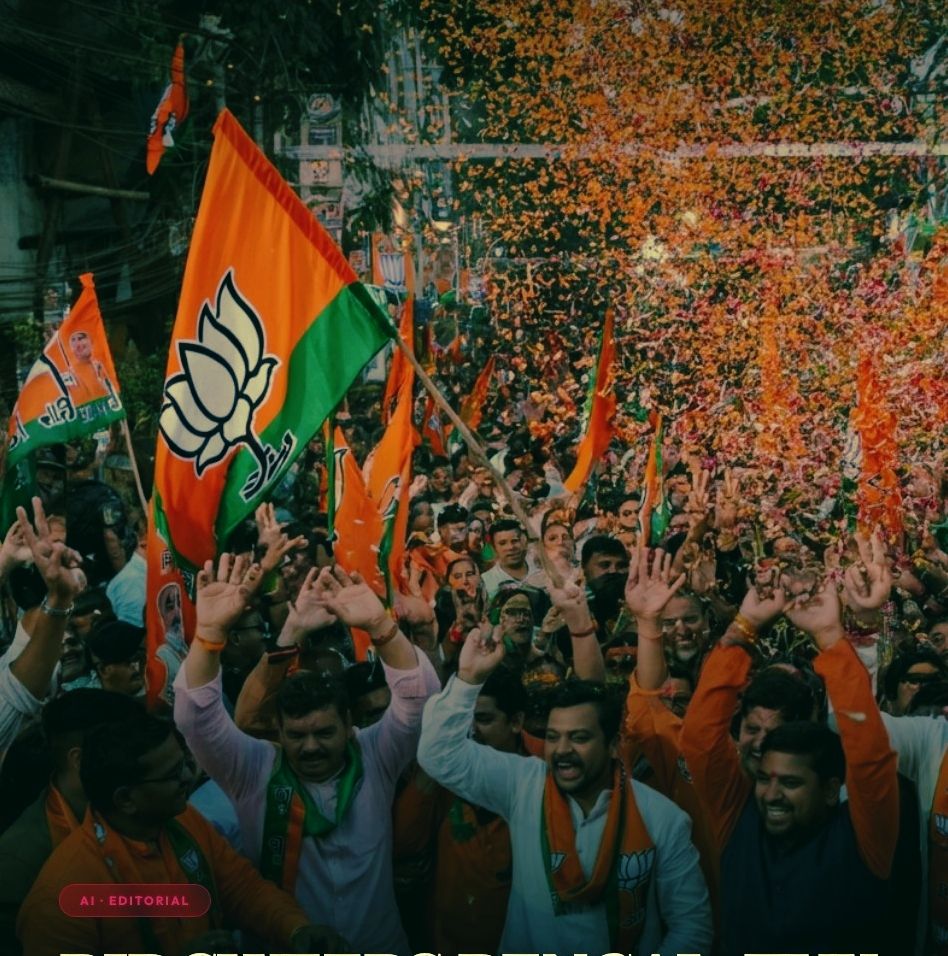
This machinery becomes even more lethal when combined with narrative discipline. BJP does not run random messaging driven by emotional outbursts or leader-centric slogans alone. It runs synchronised storytelling where local pride, regional identity, welfare schemes, and anti-incumbency are woven into one umbrella of “development plus nationalism.” Odisha demonstrated this model vividly. The campaign leaned heavily on “Odia Asmita” (regional pride) and anti-incumbency against the long-ruling BJD, with Modi as an amplifier rather than the sole anchor. Tripura followed a similar template. In both cases, the Centre’s development narrative played like background music while the foreground was local identity politics, leadership deployment, and targeted social coalition building.
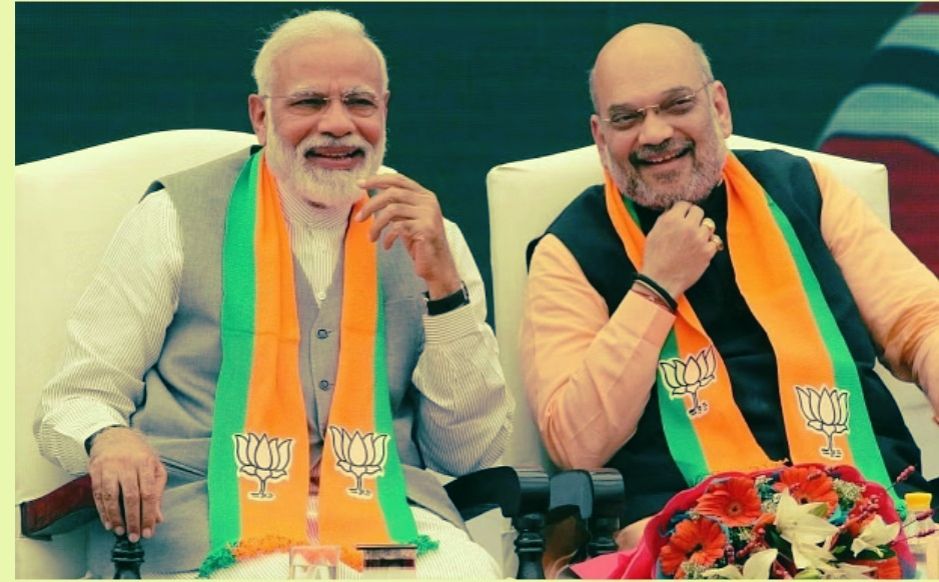
Another uncomfortable truth for the opposition is that BJP has institutionalised the science of selecting states as targets. The party does not contest elections as isolated events; it treats them as phases in a long-term expansion project. It identifies a state, diagnoses local political conditions, builds cadre capacity, deploys leaders with region-specific credibility, and gradually creates an ecosystem capable of competing. This is why Bengal 2026 looked structurally different from Bengal 2021. In 2021, Modi’s face existed, but the organisational depth was insufficient. By 2026, groundwork had matured: cadre expansion, alliance calibration, narrative penetration, and booth-level consolidation. Modi became a multiplier, not the only pillar.
Technology has further strengthened this political engine. BJP began with social media dominance but has now upgraded into the era of digital war rooms, micro-targeted communication, and AI-assisted feedback loops. This is not simply “modern campaigning.” It is an operational upgrade where the party collects public mood signals faster, shifts slogans quicker, amplifies selective narratives more effectively, and maintains real-time campaign intelligence. In short, BJP behaves less like a traditional party and more like an organisation with corporate-grade operational discipline. It understands that elections are not just about persuasion; they are about controlling information speed, narrative saturation, and mobilisation efficiency.
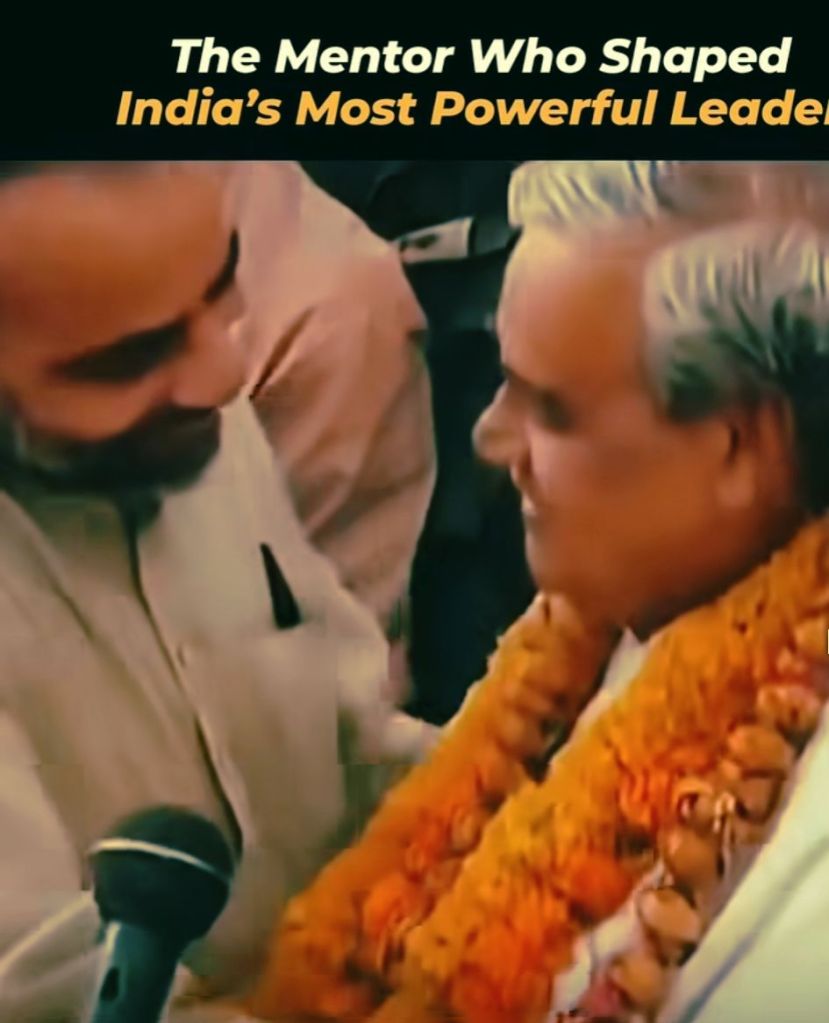
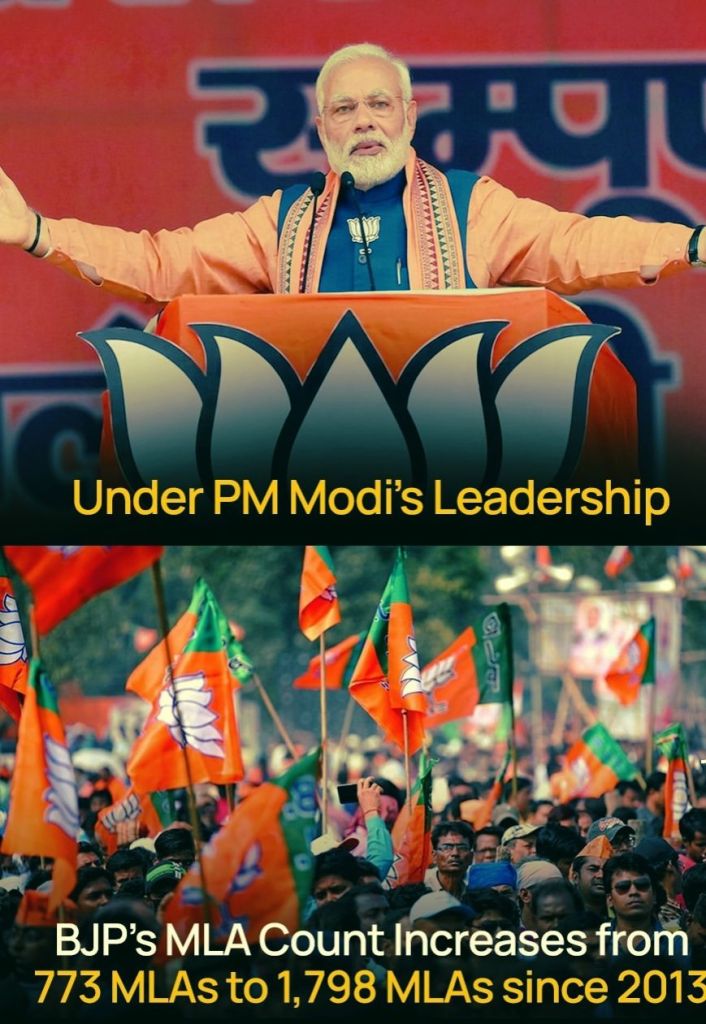
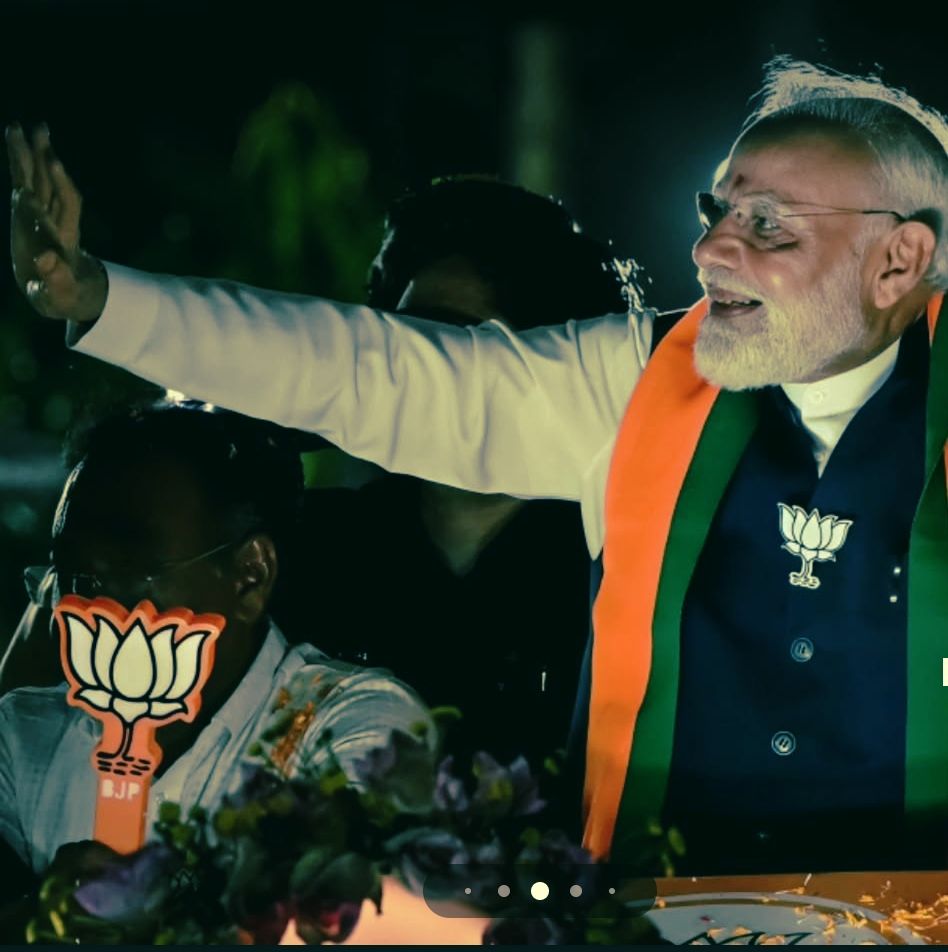
Yet it would be dishonest to suggest Modi is irrelevant. Modi remains BJP’s emotional glue and symbolic superpower. Even small gestures—eating street food, taking a boat ride, meeting beneficiaries—become national narrative events. Modi’s presence energises cadre psychology, shapes media cycles, and produces what political strategists call “emotional transfer,” where the leader’s popularity spills into local candidates. He also performs a critical internal function: he neutralises factionalism. Many Indian parties collapse due to internal rivalries, but BJP’s command culture and Modi’s authority suppress the rise of local warlords and reduce the cost of internal dissent.
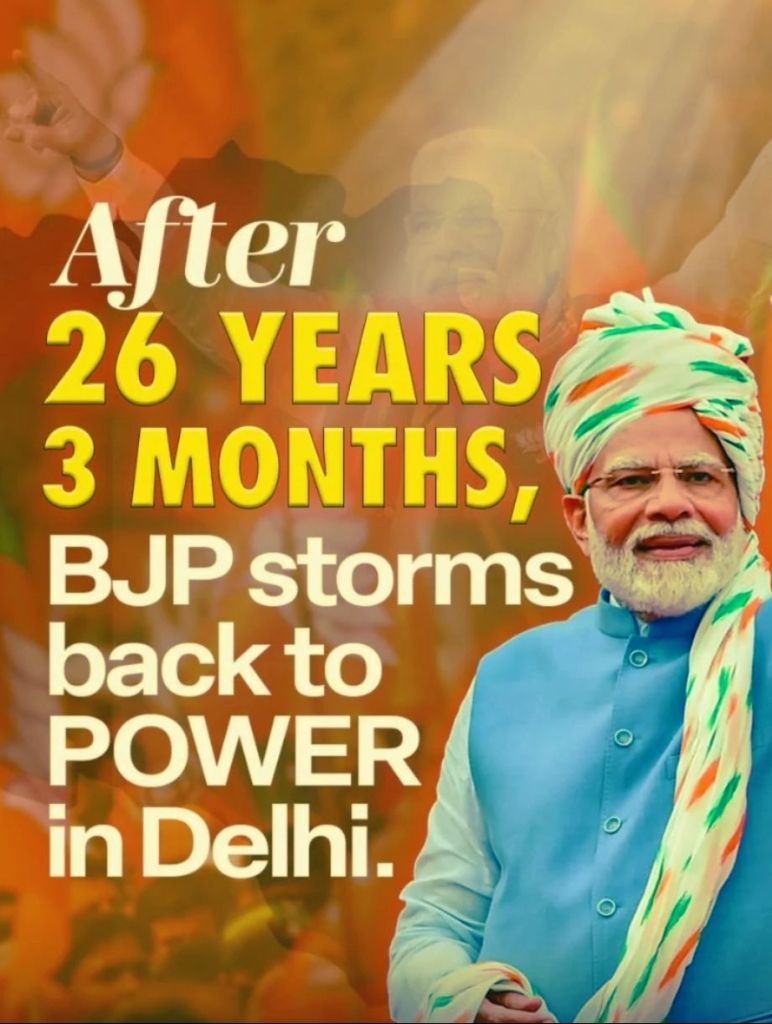
However, BJP’s post-2024 strategic shift is revealing. The slogan “Modi ki Guarantee,” aggressively used in the 2024 Lok Sabha election, was softened or reduced in several state elections such as Haryana and Maharashtra. Haryana’s tagline was not Modi-centric; it leaned on local continuity and trust: “Bharosa Dil Se BJP Phirse.” This indicates BJP is consciously testing a future where the party brand and organisational machine can carry electoral weight even when Modi is not the central weapon. Delhi remained an exception, proving that BJP still deploys Modi like a political battering ram when urban volatility demands maximum emotional appeal.
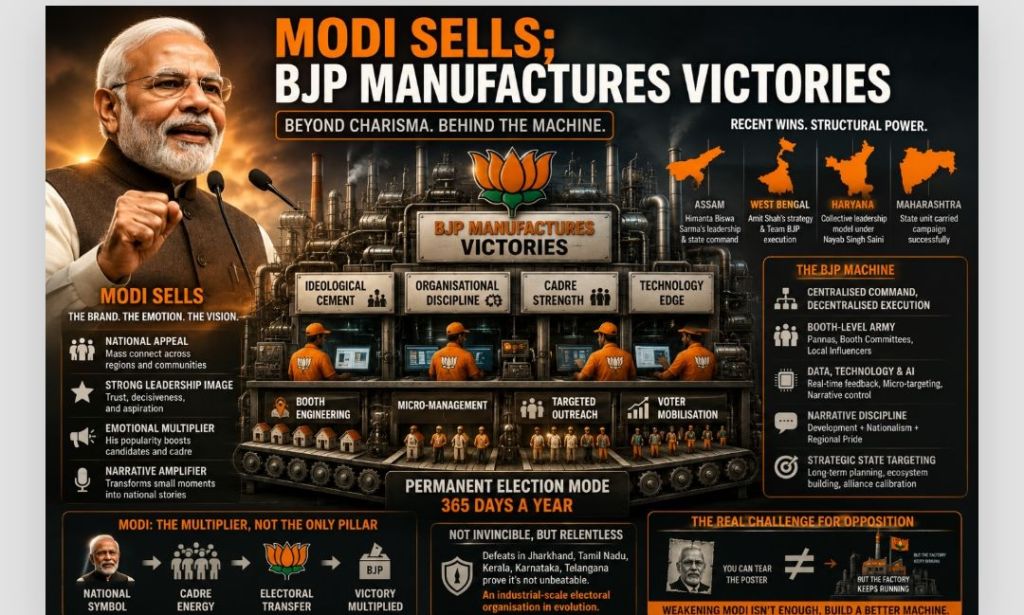
The deepest strength of BJP lies in ideological continuity and cadre culture, reinforced through the RSS ecosystem. BJP is not dynastic, and therefore does not suffer the “death of leadership” syndrome common in Indian politics, where parties weaken when families fracture or successors fail. BJP’s model builds leadership layers—national, state, district, booth—ensuring organisational survival even through transitions. It has faced defeats in Jharkhand, Tamil Nadu, Kerala, Karnataka, and Telangana, proving it is not invincible. Yet the trajectory is unmistakable: BJP is evolving into India’s first industrial-scale electoral organisation. Modi may be the billboard, but the BJP is the factory. And defeating a billboard is easy; defeating a factory requires building one of your own.
VISIT ARJASRIKANTH.IN FOR MORE INSIGHTS


One response to “Modi Is the Firework, BJP Is the Nuclear Reactor: The Booth-Level Machine That Manufactures Victories”
what is required in present day times is being taken care by BJP
good for the country
LikeLike