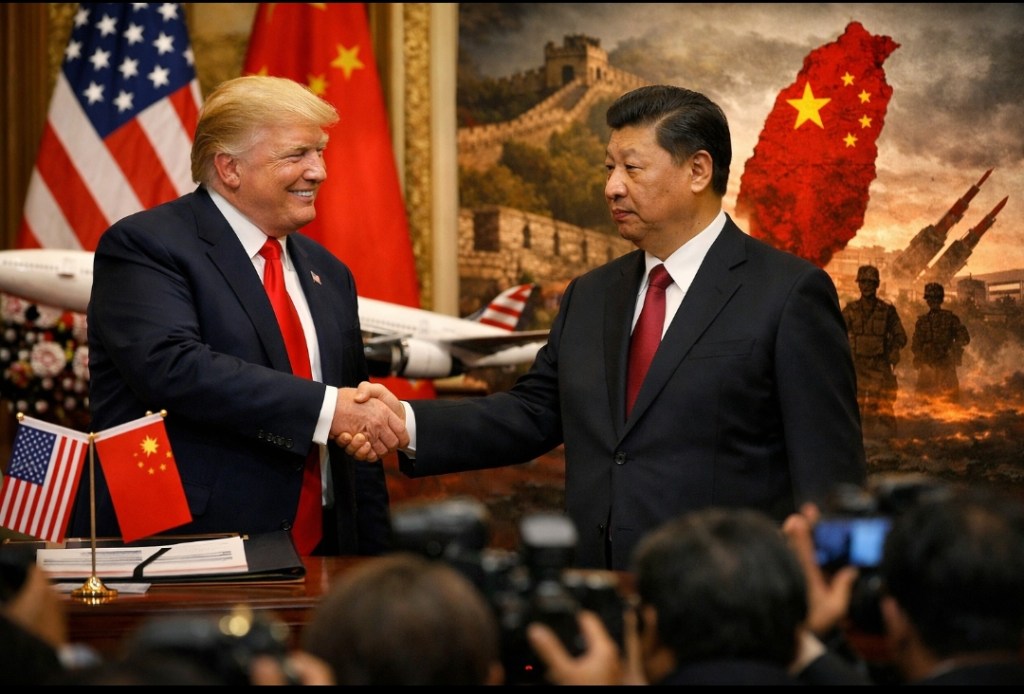
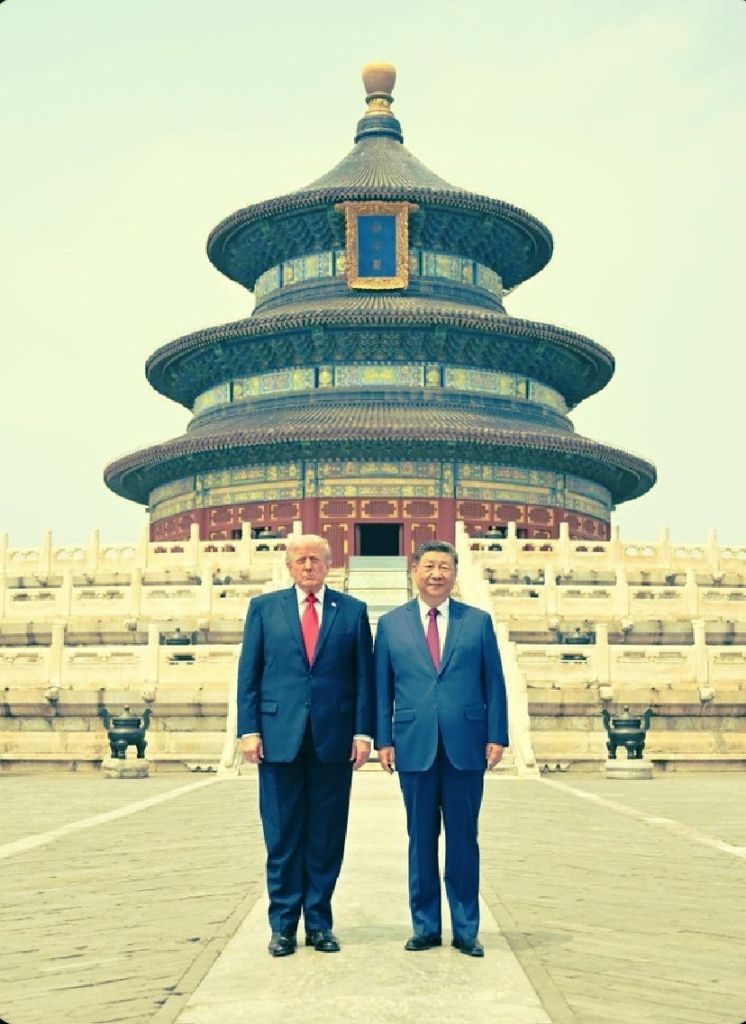
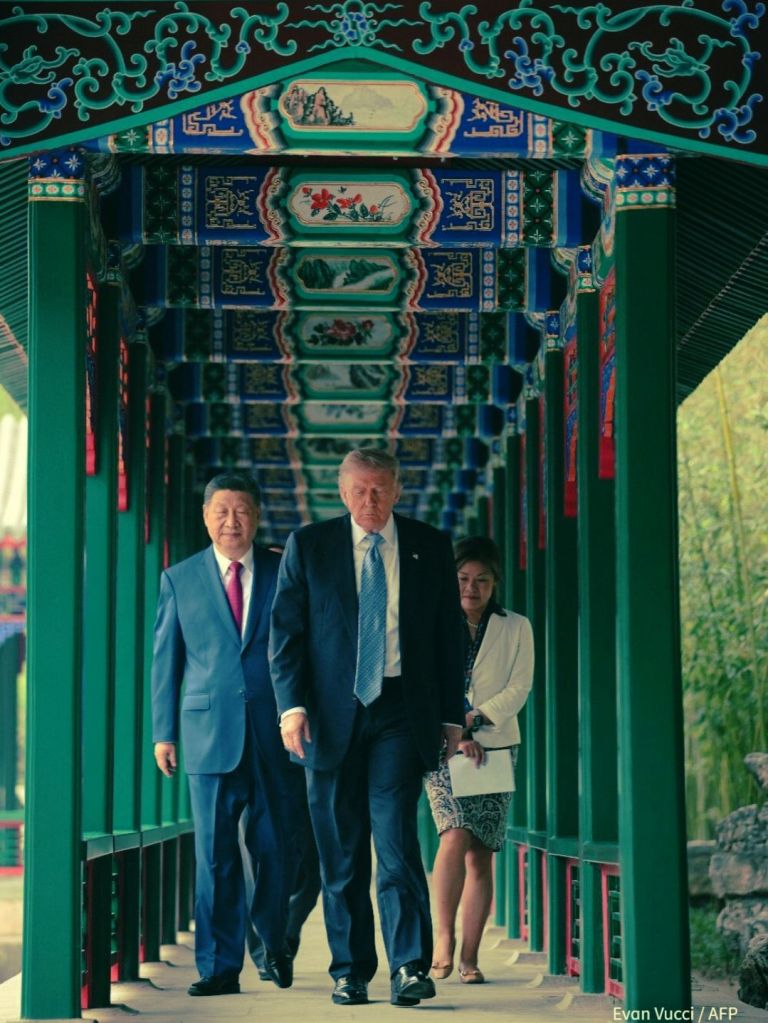
Donald Trump arrived in Beijing as if entering a boardroom disguised as a palace. The Great Hall of the People offered choreography, grandeur, and the unmistakable theatre China reserves for moments it wants the world to remember. Trump, instinctively drawn to spectacle, responded like a man who measures diplomacy not in communiqués but in camera frames. There were motorcades, cheering children, applause, and carefully rehearsed warmth—symbols curated to flatter the American President’s appetite for attention. Yet beneath the ceremonial surface, the summit carried the cold geometry of power.
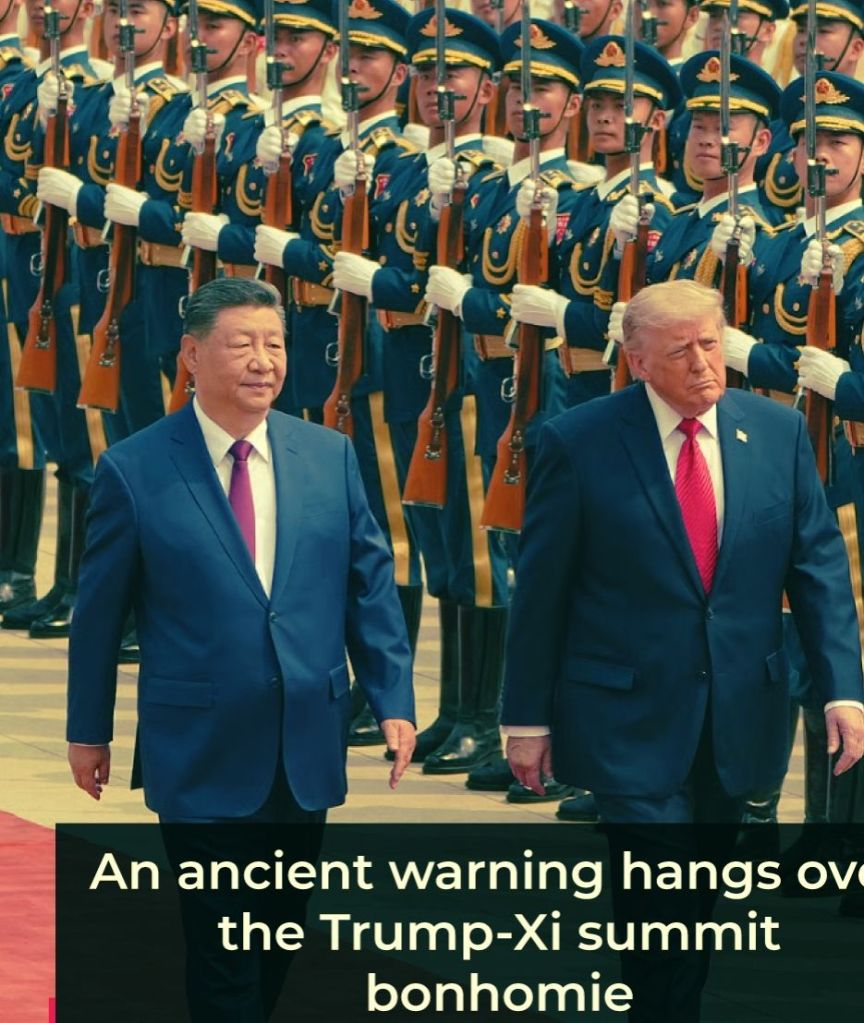
Trump’s diplomatic instinct is famously simple: extend the hand, promise greatness, and extract a deal that can be announced like a product launch. Xi Jinping’s instinct is almost the opposite: absorb the theatrics, offer minimal emotion, and ensure that any agreement reinforces China’s strategic position. This summit was not merely a meeting of two heads of state. It was a collision between two operating systems: Trump’s transactional capitalism and Xi’s civilizational sovereignty.
Officially, the summit concluded with what both sides described as a “constructive” tone. And indeed, the optics were cooperative. The October 2025 trade truce was reaffirmed, and both sides agreed to pause further tariff escalation. A new “Board of Trade” mechanism was announced to manage future disputes, presented as a stabilising innovation. Yet it sounded less like an institutional breakthrough and more like a diplomatic holding pattern—an elegant name for an agreement to keep talking. The architecture of stability was unveiled, but the foundation remains fragile, because the rivalry is not procedural; it is structural.
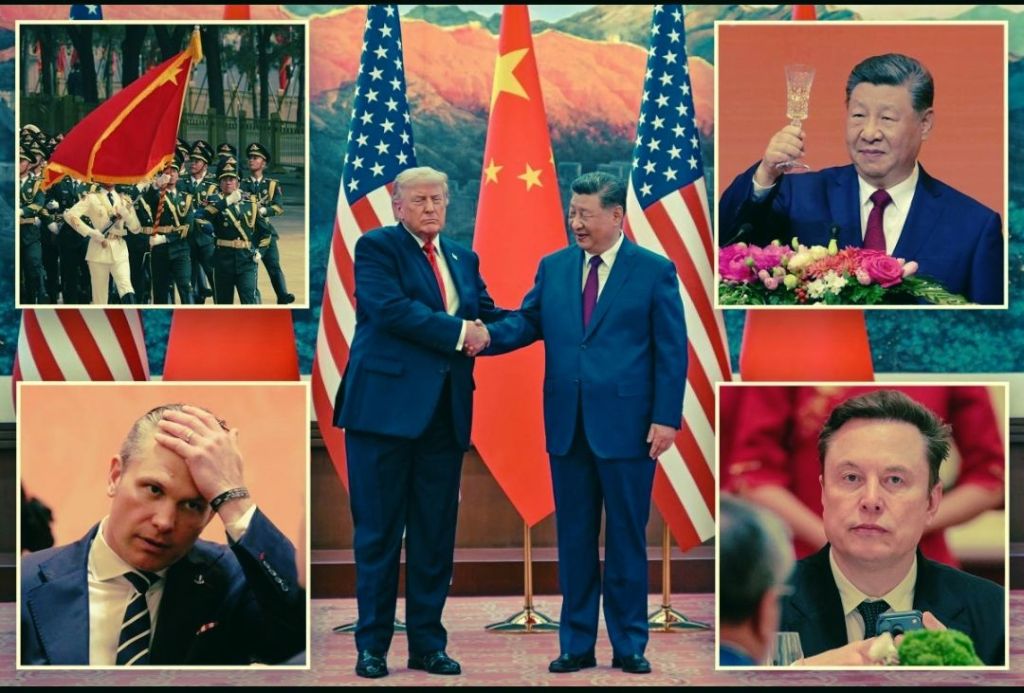
Trump’s summit strategy was unmistakable. He needed trophies—measurable, marketable victories. For Trump, diplomacy succeeds when it produces numbers that can be framed like quarterly results. The narrative that dominated was commercial: China purchasing more U.S. oil, more agricultural goods, and, most dramatically, Trump’s claim that China would buy 200 Boeing aircraft. Whether the number is inflated, aspirational, or precise matters less than what it represents. Trump does not merely seek outcomes; he seeks headlines. He governs through the language of sales.
Beijing understands this psychology better than Washington often admits. China can purchase soybeans and oil without surrendering technological ambition. It can buy Boeing planes while continuing to build an indigenous aerospace ecosystem. It can deliver Trump economic wins at relatively low strategic cost. This is Xi’s method: offer visible concessions that satisfy American political theatre while ensuring China’s core interests remain untouched. Beijing’s diplomatic genius lies not in emotional persuasion but in cost-benefit calculation.
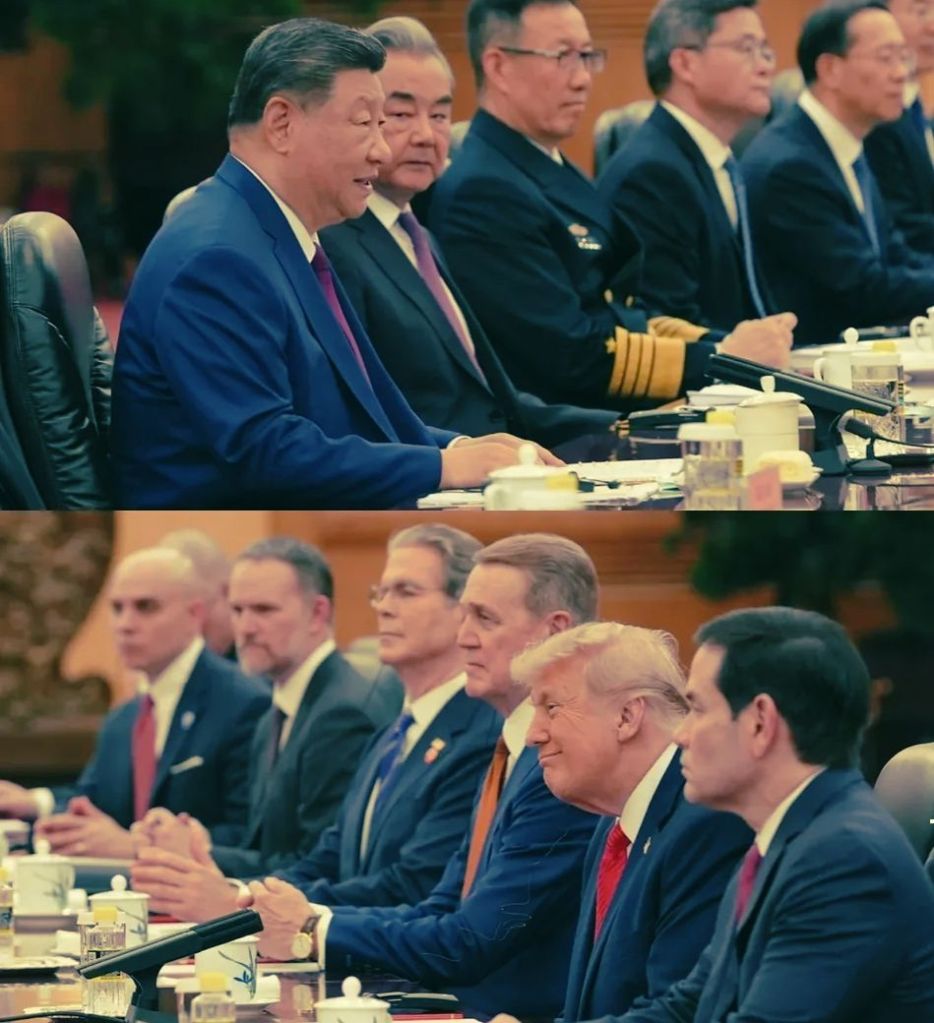
And China’s core interests were made brutally clear during the summit. Xi Jinping used the occasion not to flatter Trump but to define the limits of engagement. The message was blunt: trade can expand and cooperation can deepen, but interference in China’s internal matters is non-negotiable. Taiwan sat at the centre of that warning. Xi reportedly reiterated it as a “red line,” implying conflict is possible if mishandled. In diplomatic language, this was not a statement. It was a boundary marker—Beijing telling Washington that trade and investment are negotiable, but sovereignty is sacred.
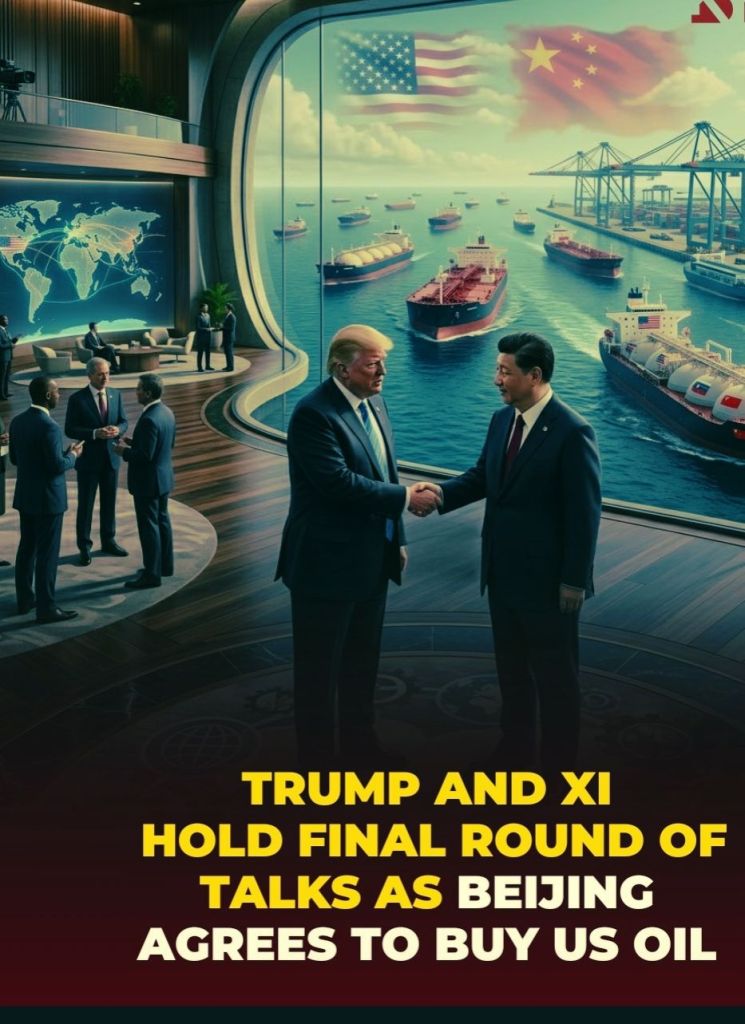
Here the summit’s symbolism became more revealing than its substance. Trump smiled, praised Xi, called him a friend, and promised a relationship “better than ever before.” Yet the public exchanges exposed something more telling: Trump repeatedly dodged Taiwan-related questions. Standing beside Xi, he pivoted instead to compliments about China’s beauty and the magnificence of the surroundings. It was classic Trump—deflection through spectacle. But it also revealed a deeper vulnerability. The self-proclaimed master negotiator seemed unwilling to confront Xi on the single most explosive issue in the bilateral relationship.
Xi, in contrast, wore what could only be described as a stone face—an expressionless discipline rooted in control. The artificial smiles mattered precisely because Xi does not smile for friendship; he smiles for calculation. Trump’s smile was the optimism of deal-making. Xi’s restraint was the posture of strategic patience. Their body language itself became a communiqué: Trump reaching outward, Xi holding inward.
The trade truce continuation may appear like stability, but it is better understood as a pause in an industrial war. Tariffs were once Trump’s favourite weapon. Yet China has learned how to blunt that weapon by exploiting U.S. dependence on critical supply chains—rare earth minerals, industrial magnets, and manufacturing components. Washington has discovered that ideological toughness does not substitute for physical materials. In modern geopolitics, power is not only measured in aircraft carriers, but in minerals, chips, and bottlenecks.
The summit also revealed that both nations increasingly see technology—not trade—as the real battlefield. Semiconductors, artificial intelligence, cyber systems, and industrial dominance are the true prizes. Taiwan sits at the centre of this contest not merely as a political symbol but as the world’s semiconductor nerve centre. That is why Xi’s Taiwan warning was not an emotional nationalist outburst. It was a strategic reminder that the global technological supply chain has a geopolitical hostage.
Trump’s Beijing visit was also shaped by the shadow of Iran and the global energy crisis. His struggle to decisively close the Iran conflict and stabilise the Strait of Hormuz has weakened the aura of American control. Xi does not need to defeat the United States directly. He only needs the world to believe America is no longer inevitable. In that sense, the summit took place at a moment of American strain and Chinese patience—an asymmetry that quietly shifts the balance of diplomatic leverage.
Yet neither side desires rupture. The agreements on fentanyl control and energy coordination demonstrate that both governments still recognise the cost of uncontrolled hostility. This is not trust; it is mutual risk management. The world’s two largest powers cannot afford a complete breakdown because the global economy would fracture under the weight of their rivalry.
Trump’s invitation for Xi to visit the White House later in the year suggests dialogue will continue. But the summit’s deeper meaning lies elsewhere. Beijing is signalling that economic engagement is welcome only on Beijing’s terms: mutual advantage, controlled access, and strict non-interference. Trump extended his hand for business. Xi accepted the business—but tightened the political boundaries.
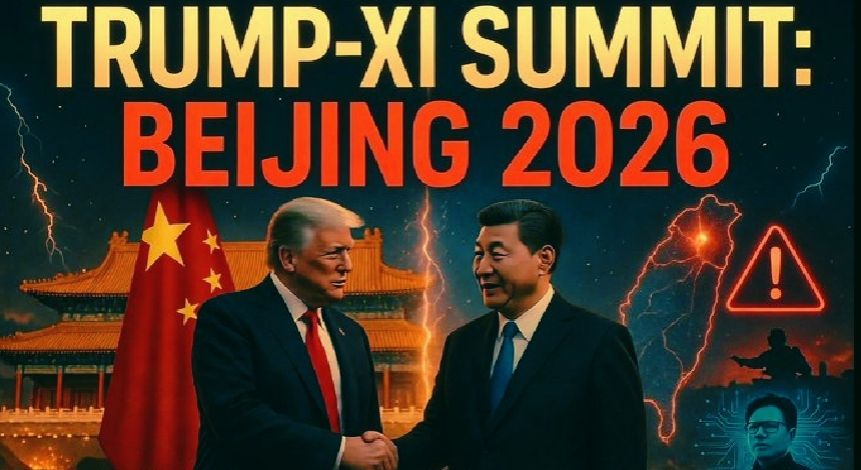
So the summit ends where it began: warm optics, cold fundamentals. Trump may return with headlines, aircraft numbers, and trade narratives. Xi may return with something far more valuable—time, stability, and a reaffirmation of China’s red lines. The handshake will be remembered. The smiles will be replayed. But history may record something sharper: one leader selling deals, the other defending sovereignty.
In Beijing, Trump performed diplomacy like commerce. Xi performed commerce like strategy. And in that difference lies the real outcome of the summit.
VISIT ARJASRIKANTH.IN FOR MORE INSIGHTS

