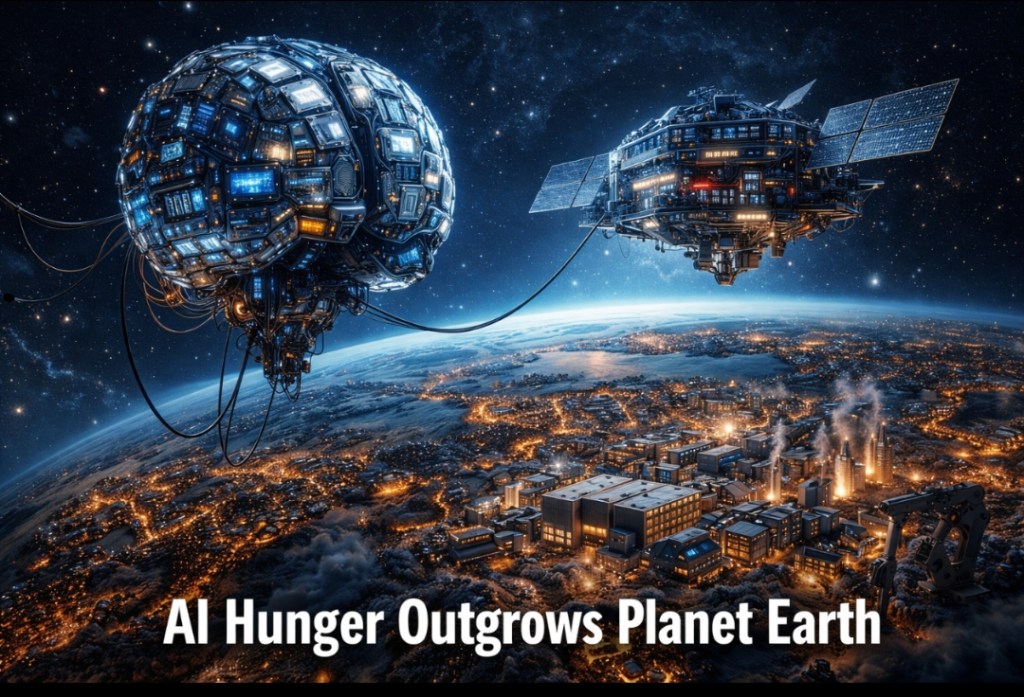
A strange kind of fear is quietly spreading across the modern world. It is not the loud fear of war, elections, or inflation. It is a softer fear hiding behind shiny technology announcements and confident speeches. The fear is simple: the world may be running out of the basic physical resources needed to keep artificial intelligence growing. AI is often presented as a magical software breakthrough, something that lives inside screens and apps. But the truth is uncomfortable. AI is not just digital. AI is brutally physical. It needs massive electricity, enormous buildings, endless cooling systems, rare hardware, and industrial-scale infrastructure. The world is slowly waking up to a reality that marketing tried to hide: the “cloud” is not light. The cloud is heavy. It consumes land, water, and power like a growing industrial beast.
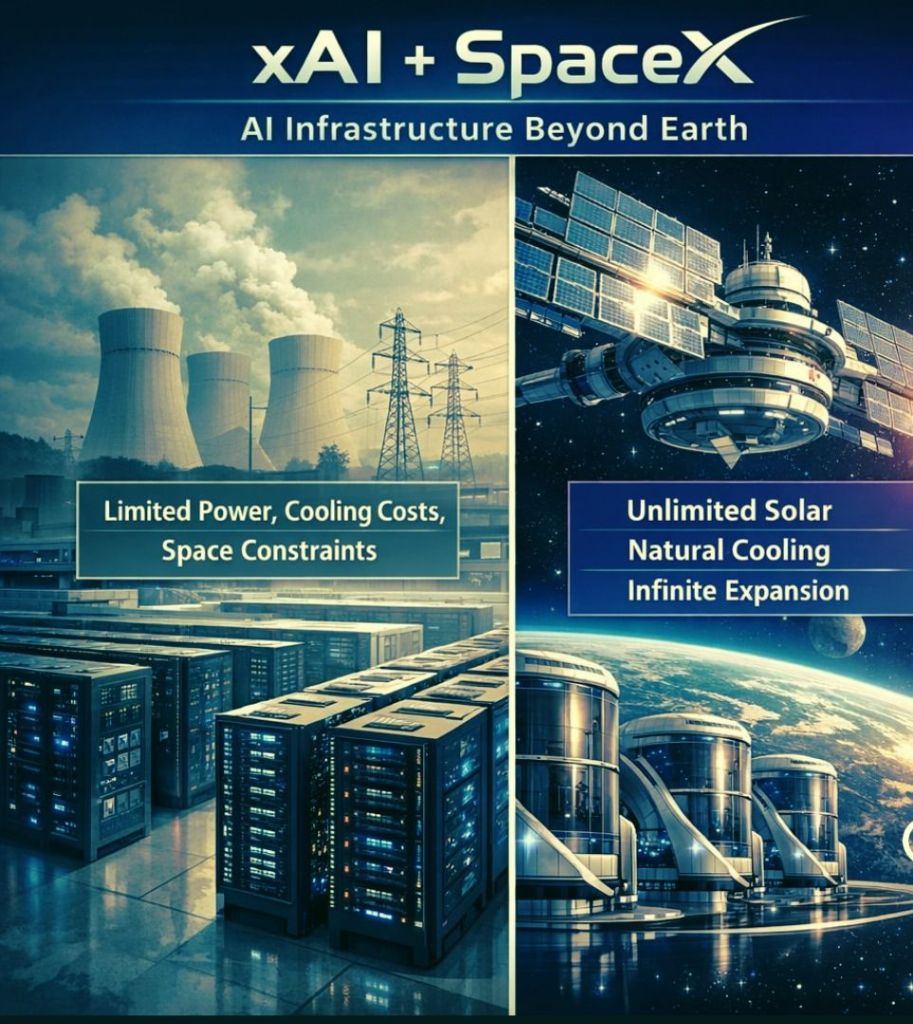
Every new generation of AI models demands more computing power than the previous one. This has created a global race to build larger and larger data centres. These are not small server rooms. They are giant campuses spread across acres, filled with thousands of machines running 24 hours a day. Some consume as much electricity as a small city. And now the industry is meeting a hard limit: AI growth is no longer restricted by talent or funding. It is restricted by physical supply—power grids, water availability, cooling capacity, and land.
This is why a once-ridiculous idea is now being discussed seriously in global technology circles: building data centers in space. Not just satellites that take images or send signals, but actual orbiting computing stations that process data above Earth. The fact that such a concept is no longer laughed at tells us something important. It shows the level of desperation emerging inside the AI industry. When the Earth begins to feel “too crowded” for computing, human imagination starts pointing upward.
India has already taken early steps that hint at this future. On May 3, 2026, Bengaluru-based startup Galaxi launched Mission Dristi. At first glance, it looked like just another satellite launch in India’s expanding private space sector. But its deeper meaning was not the satellite—it was the thinking behind it. Mission Dristi carried two types of sensors together: optical sensors and radar sensors. Optical sensors capture images like a camera, while radar sensors can “see” through clouds and darkness. By combining both, the satellite can collect more reliable and complete information. Instead of fragmented pictures from different sources at different times, it can produce synchronized observation. This makes it easier for AI to combine the data and generate clearer conclusions.
But even such advanced satellites face a serious limitation. They may capture excellent data, yet most of the heavy processing still happens on Earth. Images must be sent down, received by ground stations, transferred to data centers, and then analyzed. This takes time. And in fields like defense, disaster response, crop monitoring, border security, and infrastructure safety, time is not a minor detail. Time decides whether a crisis is prevented or merely recorded after the damage is done.
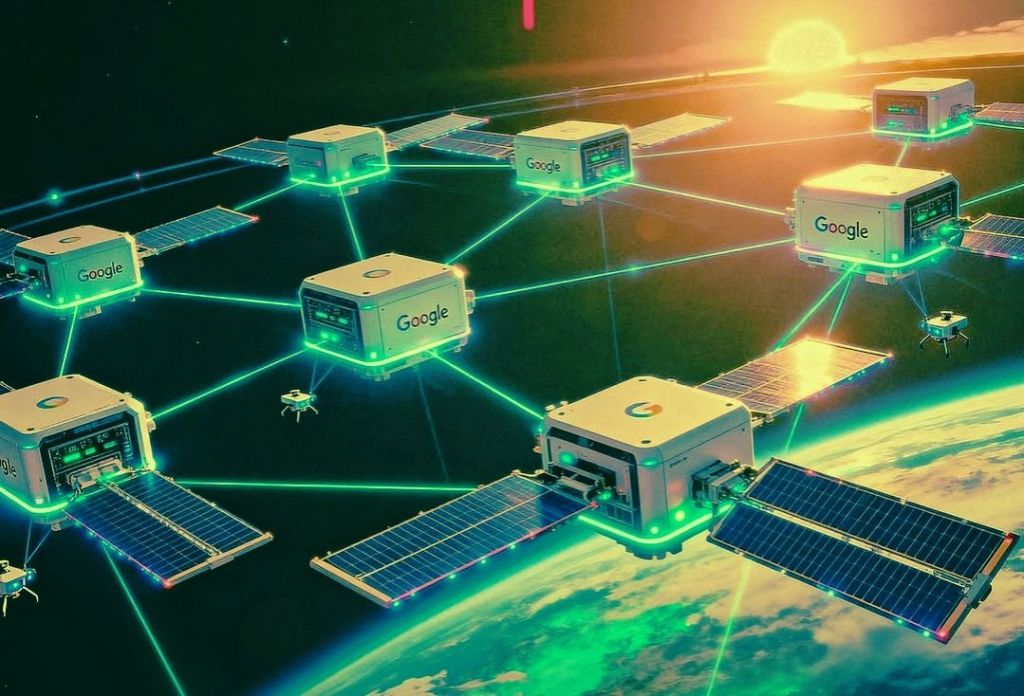
This is why Pixxel’s recent announcement feels like a turning point. Pixxel, another Bengaluru-based space company, plans to launch India’s first orbital data center satellite called Pathfinder, possibly as early as next year. The logic is simple but revolutionary: instead of sending raw data back to Earth, process it directly in orbit. Pixxel’s plan includes working with Sarvam’s AI models to analyze agriculture patterns, weather changes, and infrastructure signals directly from space. In practical terms, the satellite would no longer behave like a camera. It would behave like a floating analyst. Instead of downloading the entire book, it would send the summary. Instead of sending thousands of images, it would send alerts, predictions, and conclusions.
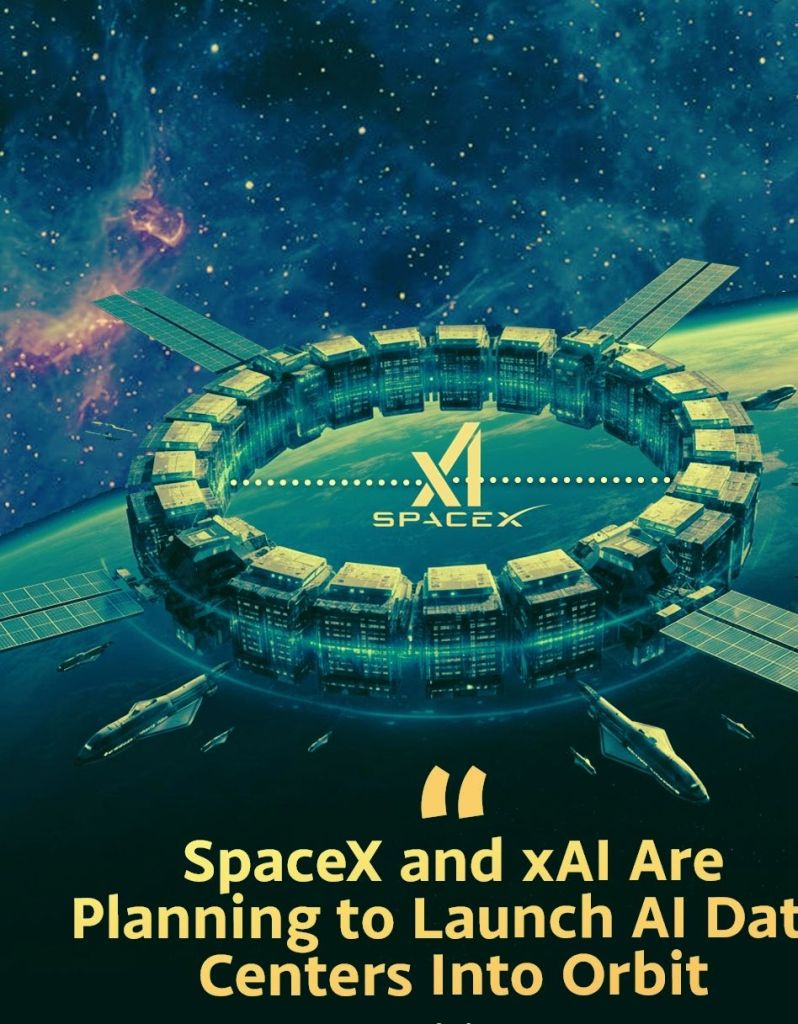
Once we step beyond the excitement, the real reason becomes obvious. Orbital data centers are being proposed not because engineers want to show off, but because the Earth is becoming too expensive for AI’s hunger. Three pressures are tightening across the world: electricity, cooling, and land.
Electricity is the first major bottleneck. Modern AI processors consume enormous energy. Training and running advanced models requires clusters of powerful chips that operate continuously. Many countries are now discovering that data center expansion is limited not by money, but by the strength of the electrical grid. Even if a company has billions to invest, it cannot build a data center if the local power system cannot support it. AI is beginning to compete with households, factories, railways, and hospitals for the same electricity.
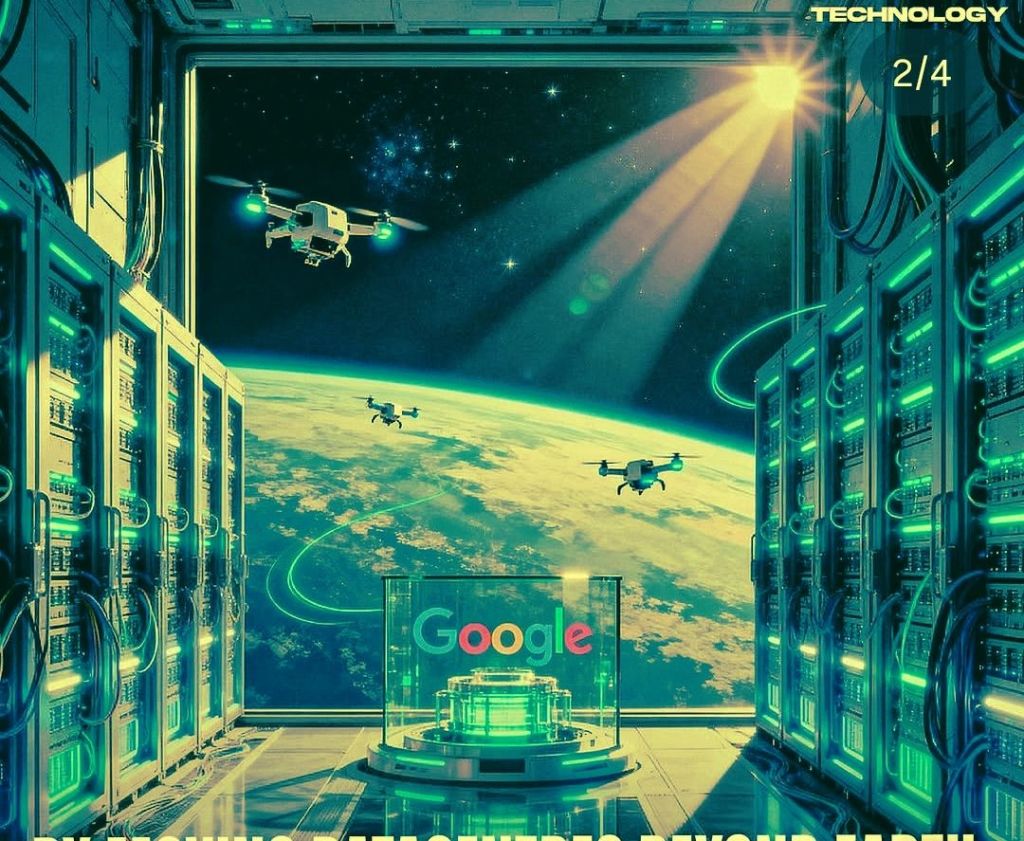
Cooling is the second crisis. AI machines generate extreme heat. If heat is not removed, systems fail. Traditional cooling methods are no longer enough. Many modern data centers now require liquid cooling. But liquid cooling demands water, and often in large quantities. This creates a dangerous conflict in a world already facing water stress. Using freshwater to cool machines raises political and ethical questions. On a warming planet, where water is becoming more precious than oil, spending rivers to keep computers cool begins to look irresponsible.
The third pressure is land. Data centers occupy huge space, yet they create limited direct employment compared to manufacturing industries. In countries like India, where land is valuable and cities are crowded, this becomes a serious policy dilemma. Should prime land and electricity be allocated to “computing warehouses,” or to industries that create broader jobs and economic activity? Orbital computing is partly an attempt to shift this physical burden away from Earth.
The pitch sounds attractive. Space has sunlight for solar energy. Space has no land shortage. Space is cold, so cooling should be easy. But physics delivers a harsh surprise. Space is cold, but it does not cool objects the way people imagine. On Earth, heat escapes through air. In space, there is no air. Heat cannot flow away easily. It can only escape through radiation, which is slow. A computing system in orbit could become a trapped furnace, struggling to release heat into the vacuum.
Maintenance is another nightmare. On Earth, technicians replace broken servers. In space, broken machines become dead metal. Repair requires expensive missions. Failures are unavoidable, meaning orbital computing could easily become a costly junkyard of floating technology. Radiation is also a threat. Earth’s atmosphere shields electronics from cosmic particles. In orbit, this protection is weaker. Radiation can damage systems or cause calculation errors—dangerous in defense, surveillance, or disaster prediction.
Economics remains the final obstacle. Launching heavy equipment into orbit is still extremely expensive. Unless reusable rockets and space logistics become far cheaper, orbital data centers will remain limited experiments rather than mass solutions. And yet the idea refuses to die. That is the most revealing signal. Humanity’s demand for computing is growing so aggressively that we are willing to gamble against radiation, heat challenges, repair impossibilities, and enormous costs—just to keep AI expanding. Orbital data centers may not replace Earth-based systems soon, but they may become strategic extensions for defense monitoring, climate observation, border intelligence, and high-speed decision-making where time matters more than cost.
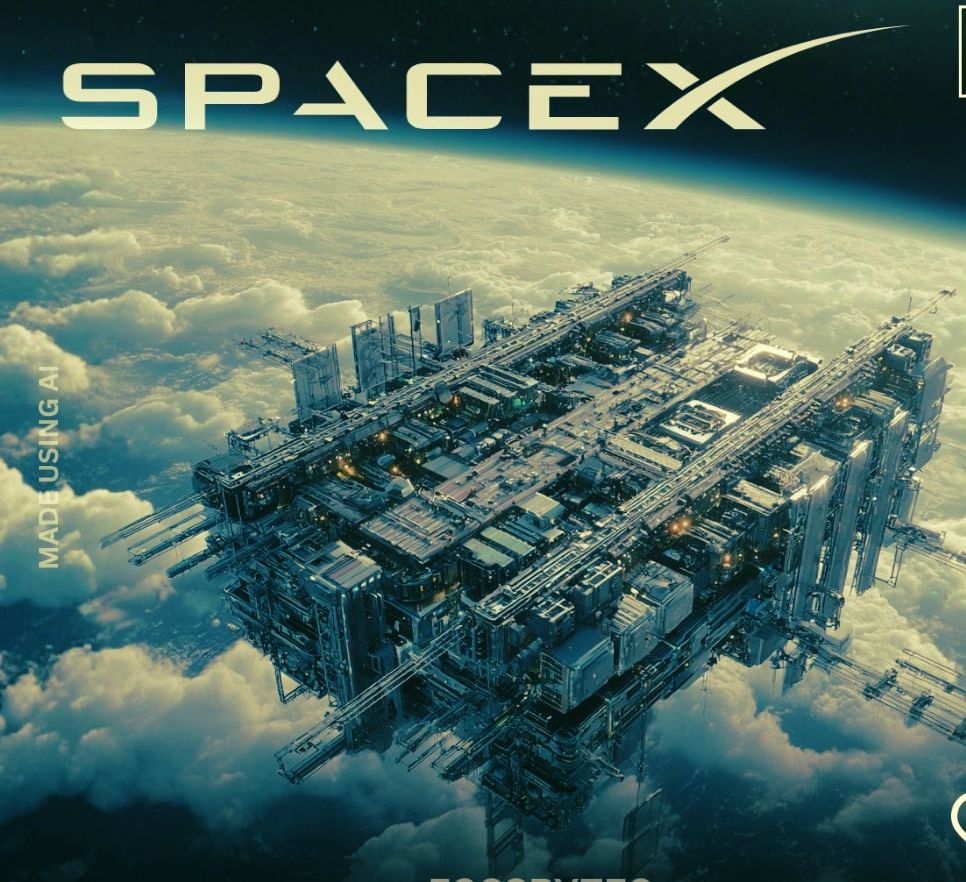
If India succeeds through companies like Pixxel and Sarvam, it will not merely launch satellites. It will launch strategic independence. Because in the coming decades, power will not belong only to those who control oil, trade routes, or military hardware. It will belong to those who control intelligence infrastructure—where it is collected, where it is processed, and who owns the machines that shape the world’s decisions. The final truth is unsettling. Orbital data centers are not proof of human arrogance. They are proof of human desperation. We are building artificial brains so hungry that Earth itself is starting to look too small to feed them.
VISIT ARJASRIKANTH.IN FOR MORE INSIGHTS

