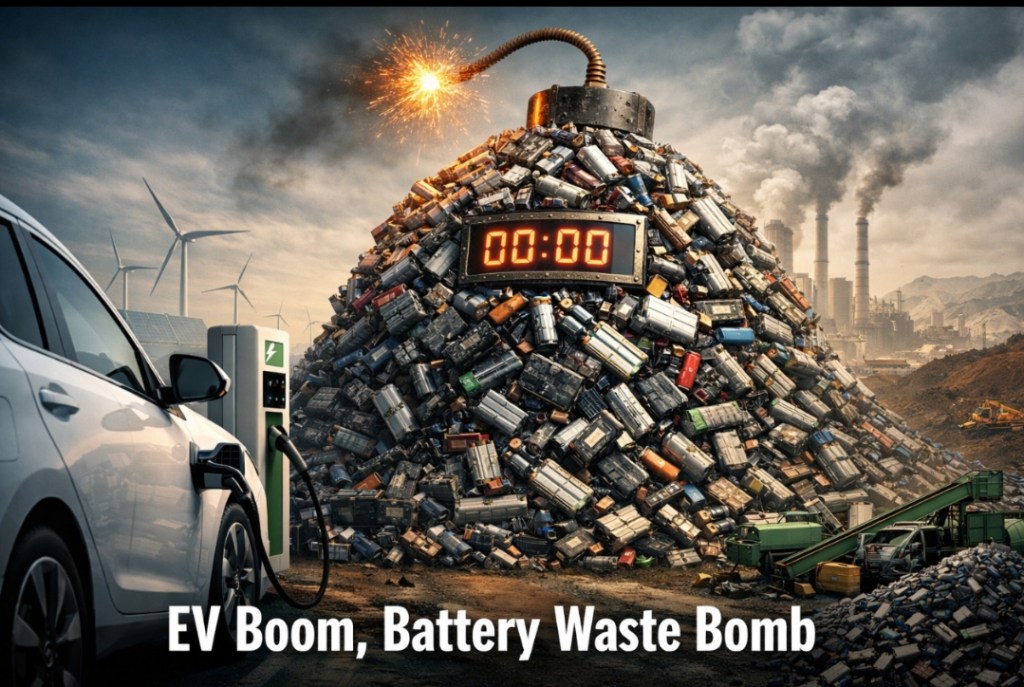
The world is quietly building the largest waste mountain in industrial history—and proudly calling it “clean mobility.” Electric vehicles look modern and eco-friendly on the road, but the real story is hidden inside every EV: the battery. Between 2020 and 2024, global battery use rose sharply from about 180 GWh to nearly 1,100 GWh, a six-times jump in just four years. By 2030, it is expected to grow even faster. This is not just an energy shift. It is the beginning of a new mineral economy and a future waste crisis that could be as big as the oil era.
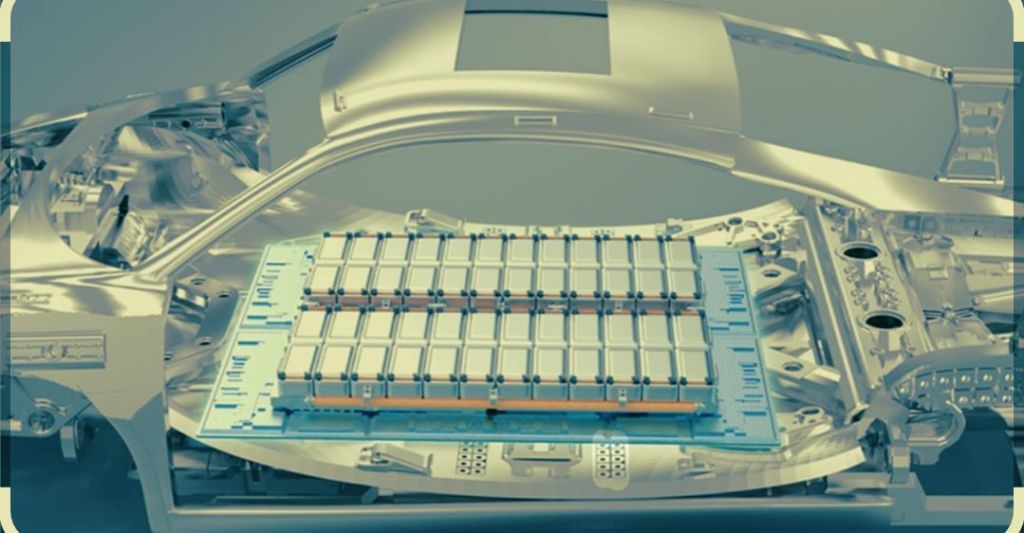
The numbers are impressive, but also worrying. Around 1.2 million EV batteries may reach the end of their life by 2030. By 2040, this could rise to 14 million. By 2050, nearly 50 million batteries may become waste every year. These are not simple scrap items. They contain valuable materials like lithium, nickel, cobalt, copper, and graphite—minerals that are now as important as oil was in the past. If these batteries are dumped in landfills, the world will bury huge wealth underground and become even more dependent on mining and foreign supply chains. This means the future may look clean outside, but dirty and risky underneath.
That is why recycling is no longer just an environmental idea. It has become a strategic necessity. Mining alone cannot meet future demand because opening new mines is slow, expensive, and politically difficult. A new mine often takes 10 years to start producing. Recycling can reduce the pressure on mining, save land, and reduce pollution. It is also much cleaner compared to fresh mining. More importantly, recycling can protect countries from sudden supply shortages, which can happen anytime due to political tensions, export bans, or conflicts.
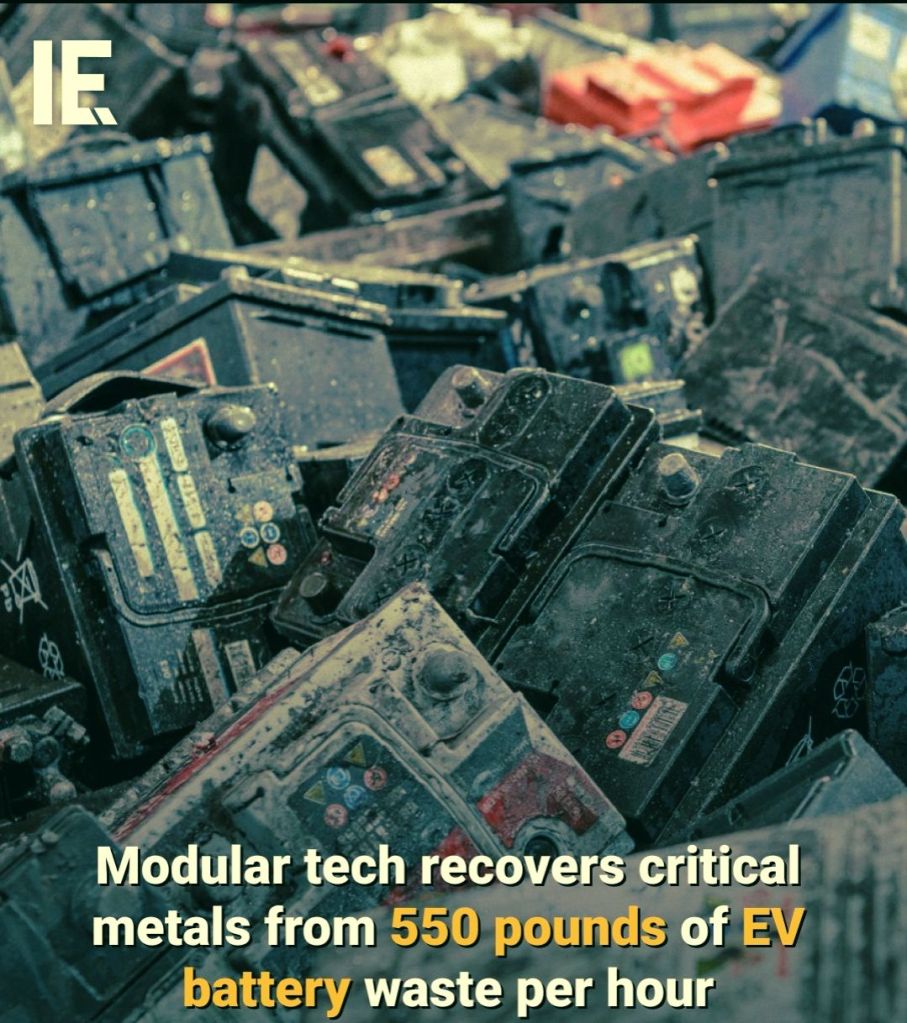
The mineral supply chain for EV batteries is highly concentrated. China controls a major share of processing and refining of key minerals. Nickel supply is heavily dependent on Indonesia, while most cobalt comes from the Democratic Republic of Congo. Such dependence makes minerals a geopolitical weapon. If any one country blocks exports or faces instability, the whole global EV industry can suffer. Recycling cannot remove all dependence immediately, but it can reduce risk. Experts estimate that by 2040, recycling could meet over 20% of global demand for key battery minerals, if proper systems are built in time.
However, here comes the strange contradiction. Countries are building recycling plants rapidly, but there are still not enough old batteries to recycle. Most EVs are still new, and their batteries will last many years. Recycling plants take years to build and require large investment, approvals, skilled workers, and safe transport systems. If governments wait until batteries start dying in large numbers, they will be too late. But if they build too early, plants will run with low capacity and suffer losses. This is the financial trap: build early and lose money, or build late and drown in waste.
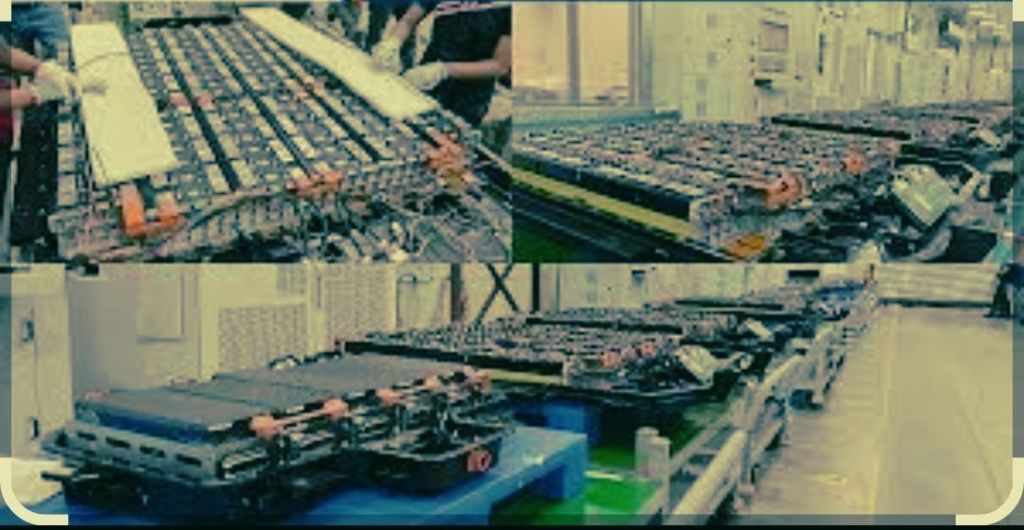
Because of this, today’s main recycling material is not old EV batteries. It is factory waste—damaged or rejected batteries and production scrap. Companies investing in recycling today are basically preparing for the coming flood. But battery waste is not like normal waste. A used battery is dangerous. It can still hold charge, overheat, catch fire, or explode during transport. If damaged, it can leak harmful chemicals. This is why battery recycling requires strict safety measures, trained workers, and often machines instead of human hands.
Even after making a battery safe, recycling is difficult. Batteries are designed to stay strong for years, not to be opened easily. Inside, the valuable minerals are tightly packed and sealed. When batteries are crushed, they create a powder-like material called “black mass,” which contains most of the valuable metals. But this black mass is not pure. It is mixed with plastics, copper, aluminium, and chemical leftovers. Separating useful materials from this mixture is complicated and expensive, and it requires advanced industrial processing.
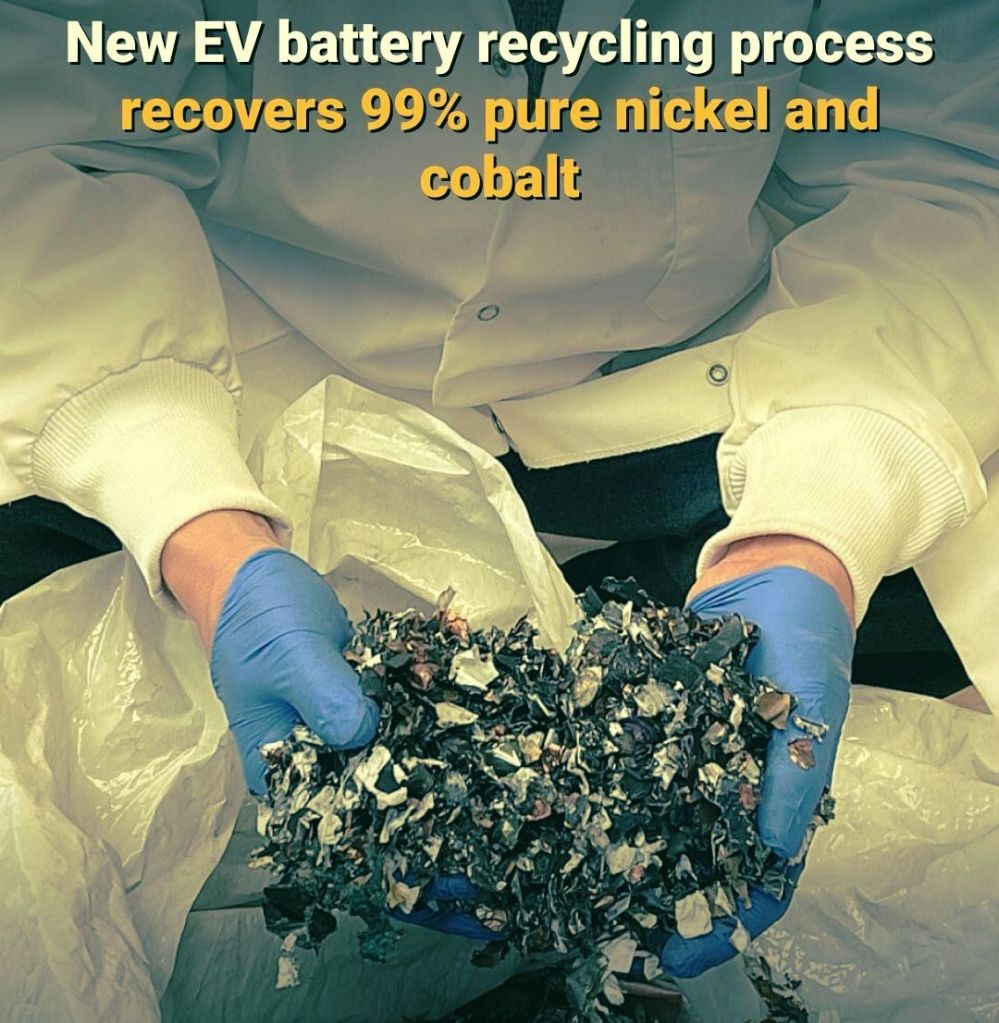
This is why battery recycling is turning into a global technology race. China is moving fast and building large recycling capacity. Europe is focusing on safe handling and strict regulations. The United States has a few strong companies but is still inconsistent in policy support. India, however, remains far behind in recycling technology and innovation. This is a serious concern. If India does not build strong recycling capacity now, it may become dependent not only on imported minerals, but also on foreign recycling technology and foreign recycling companies. In the future, India may end up exporting battery waste and importing strategic weakness.
The EV revolution is not only about replacing petrol pumps with charging stations. It is about whether the world can manage the waste it is creating. Fifty million dead batteries per year is not just a waste problem—it is a hidden mineral economy. The real winners of the future will not only be the countries selling the most electric vehicles.
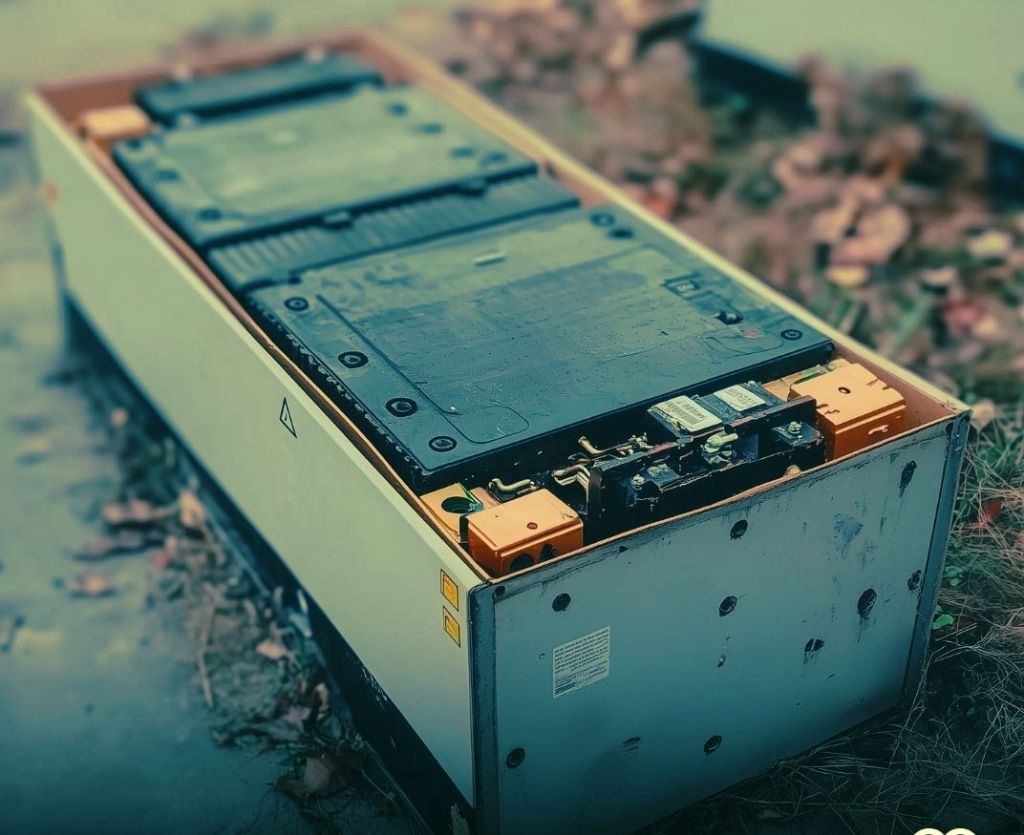
They will be the ones who learn how to turn battery waste into wealth, security, and industrial power.
VISIT ARJASRIKANTH.IN FOR MORE INSIGHTS


One response to ““Green Cars, Dirty Secret: EV Batteries Are Creating the World’s Biggest Future Waste Empire””
planning to start Li ion battery recycling unit in hyderabad waiting for site allotment. As of now existing recycling units are struggling for raw material due less number of EV vehicles in India. How to get the raw material in case if we fail to source in India.
LikeLike