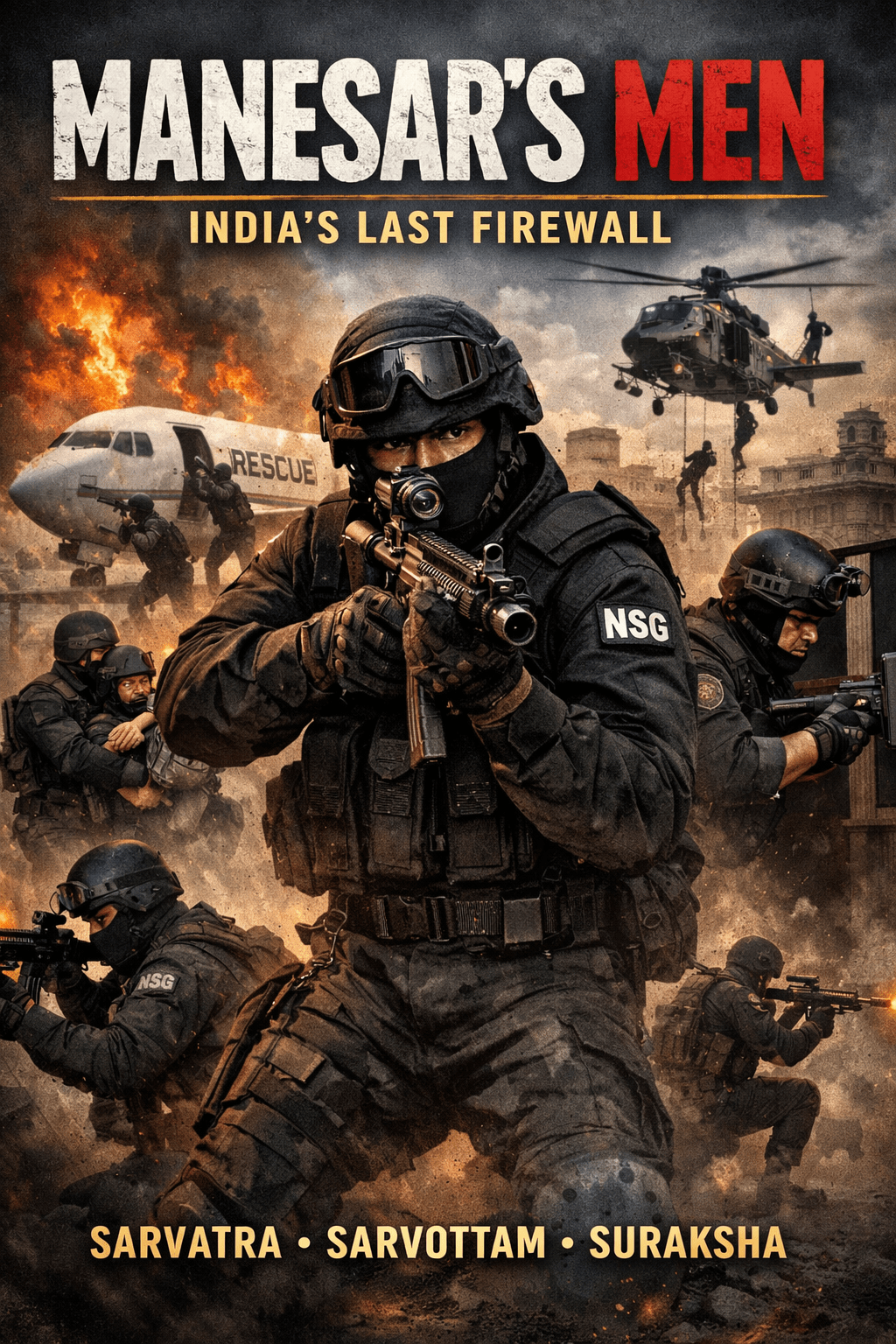
Nations do not survive on speeches. They survive on those anonymous professionals who rehearse death with such precision that when the moment arrives, they do not negotiate with fear. They do not improvise courage. They execute it. In India, that rehearsal has an address: the NSG Commando Centre, Manesar—a fortified laboratory of violence-control where ordinary soldiers and police officers are stripped down, rebuilt, and reissued as the Black Cats, the Republic’s last-resort answer to terror.
The National Security Guard is not a conventional force. It is not built for battlefield conquest, long campaigns, or territorial domination. It exists for one surgical purpose: to end chaos faster than chaos can multiply. That is why the NSG ethos is compressed into three uncompromising words—Sarvatra, Sarvottam, Suraksha: everywhere, supreme, security. This is not poetic branding. It is operational theology. At Manesar, theology becomes muscle memory.
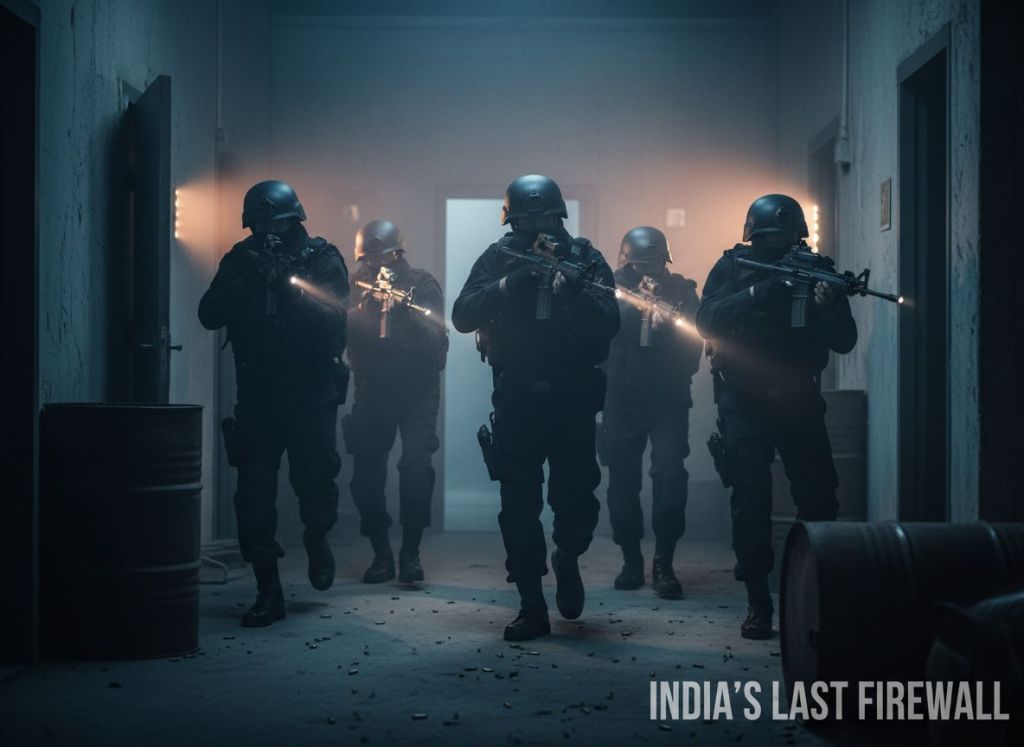
The NSG does not merely train men to shoot. It trains men to enter spaces where hesitation is a death sentence, where the first three seconds decide whether civilians live or die. The NSG commando is not conditioned to ask, “Will I survive?” He is conditioned to ask only, “Will the nation survive this moment?” In that single shift of question lies the psychological architecture of the Black Cat. Fear is not denied; it is downgraded. The mission is upgraded into absolute priority.
Popular imagination treats elite commandos as invincible supermen. Manesar corrects that illusion with brutal honesty. The NSG is built on a harsher truth: the best operator is not the strongest man, but the most obedient mind under stress. Training is not about athleticism alone; it is about manufacturing calm inside panic. The commando must become a creature who can run at full speed into uncertainty and still fire with the precision of a machine. In other words, Manesar does not train heroes. It manufactures reliability.
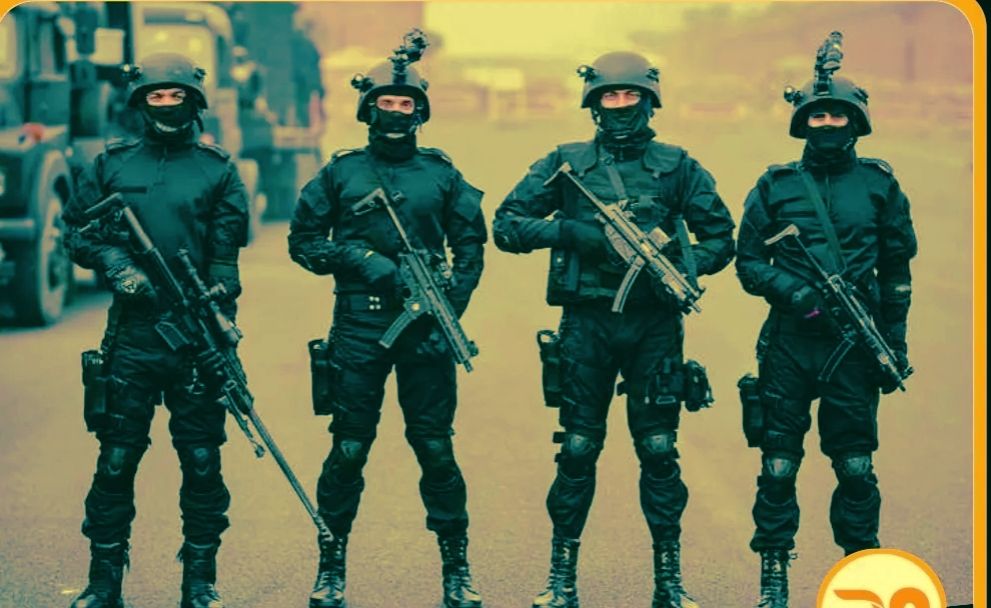
This is why the selection process is designed as a grinder that destroys ego before it shapes capability. The training cycle—often described as a 14-month crucible—carries an attrition rate so savage that survival itself becomes a credential. Dropout rates exceeding 85% are not an unfortunate by-product; they are the design. The NSG is not looking for volunteers. It is looking for men who remain standing when the body demands collapse.
The first stage is three months of selection, where recruits face what insiders describe as “The 26 Elements”—a battery of physical tests engineered to induce exhaustion, humiliation, and cognitive breakdown. Obstacle courses, wall climbs, ditch jumps, rope drills, and endurance punishment are combined with a more intelligent cruelty: recruits are made to shoot accurately after their lungs are burning and hands are shaking. The philosophy is cold but logical—if you cannot aim while your body is begging for mercy, you cannot aim when civilians are bleeding beside you. Manesar teaches a foundational rule: in counter-terrorism, fatigue is not an excuse. It is the battlefield.
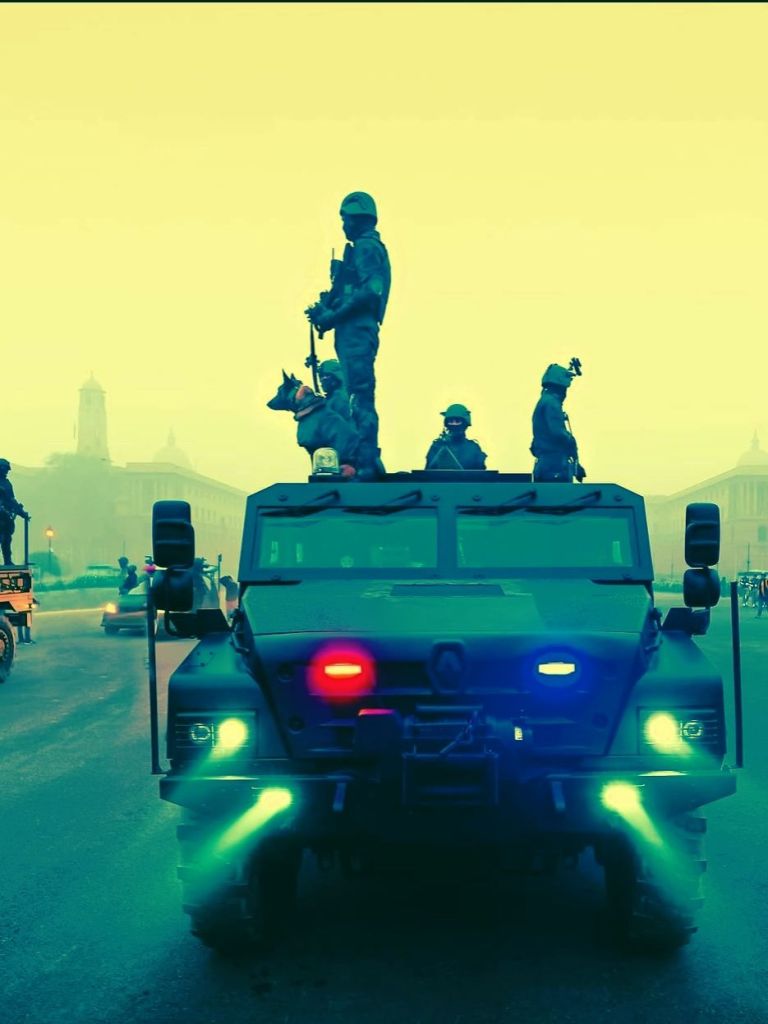
Then comes the advanced phase, where Manesar turns the human body into a platform for controlled aggression. The commando is drilled on firing ranges that feel less like training grounds and more like engineered paranoia. A 400-meter electronic range throws up targets like sudden moral emergencies, and the operator has two to three seconds to decide, identify, and neutralize. The targets are not simply silhouettes; they are simulations of chaos—terrorists beside hostages, threats inside crowds, danger hidden behind human shields. In such spaces, the NSG is not training marksmanship. It is training judgment at gunpoint.
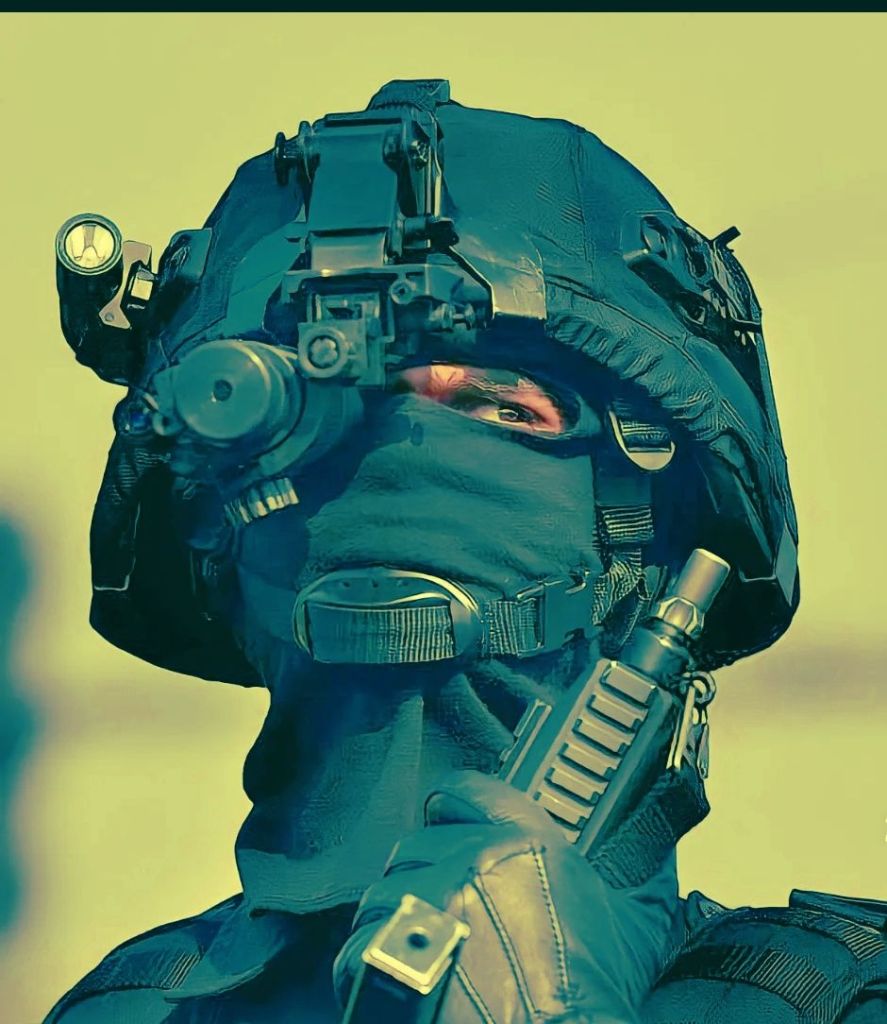
The signature art of NSG training is Close Quarter Combat (CQC)—the terrifying intimacy of killing at breathing distance. Here, the commando learns the “combat room shoot,” entering confined spaces and acquiring targets within seconds using torchlight, laser intensifiers, and instinct sharpened into science. The NSG is trained to dominate rooms, corridors, staircases, and narrow hallways where ambush is not a possibility but the default condition. In these environments, the commando does not “clear” a room like a checklist. He claims it like a verdict.
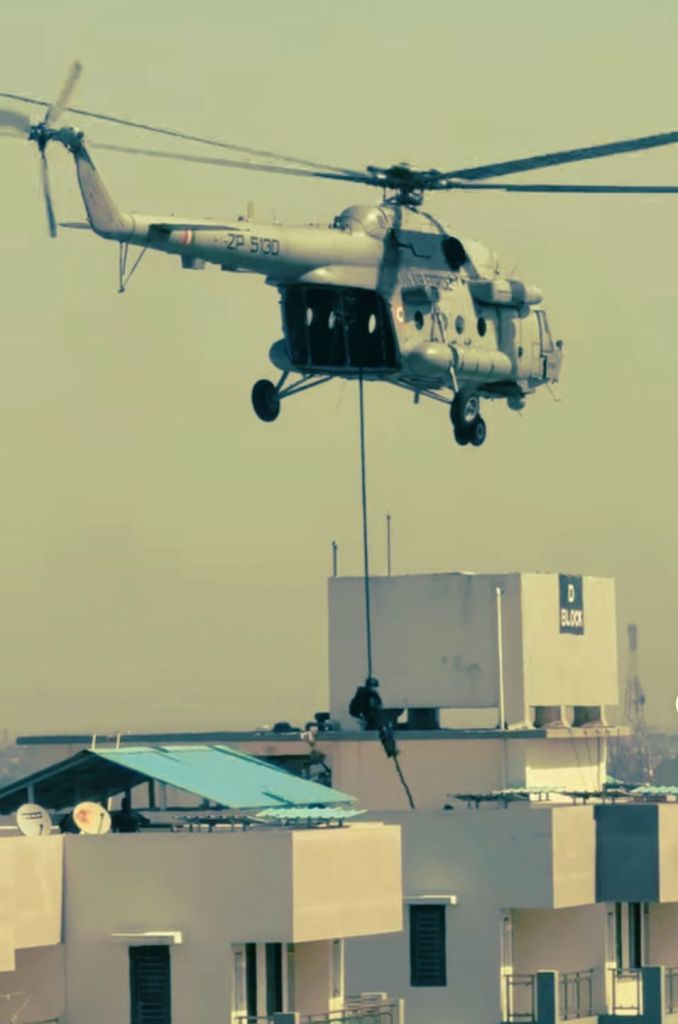
But the most revealing aspect of NSG training is not technical skill. It is mindset. Manesar does not merely teach survival; it teaches sacrificial geometry. In hostage rescue, the first man through the door is statistically the most likely to die. Yet NSG teams are built on the certainty that someone must always be first. That first man is trained not to enter reluctantly, but to enter as if his body is a shield issued by the Republic. This is why insiders describe NSG commandos as men trained to “take the first bullet with a smile”—not because they romanticize death, but because they have been conditioned to treat fear as irrelevant data.
That smile is not insanity. It is discipline so advanced that it looks like madness to civilians. The final stage—specialization and probation—separates commandos from legends. Those aiming for the elite 51 or 52 Special Action Group (SAG) must complete an additional 90-day probation to earn the coveted Balidan badge, a symbol that quietly declares: I have rehearsed the worst day of my life until it became routine. The badge is not decoration; it is certification of psychological demolition and reconstruction.
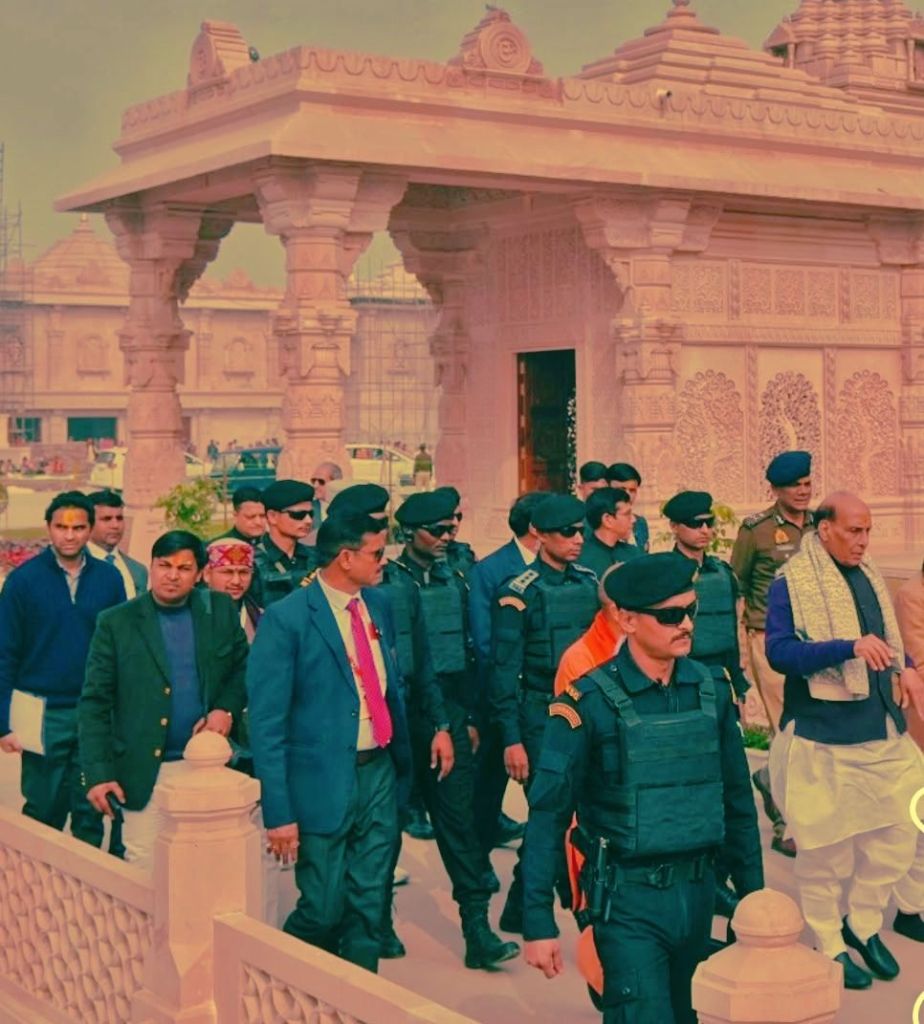
What makes Manesar truly formidable is that it trains the NSG not as a land-only force but as a multi-domain predator. The commando is engineered to strike across air, land, and water. Anti-hijack Sky Marshals train in Pekiti-Tirsia Kali, a Filipino martial art based on offensive-only action—designed not to block but to finish. In an aircraft cabin, where a stray bullet can compromise fuselage integrity, the NSG must neutralize terrorists without destabilizing the aircraft itself. Precision becomes morality. Violence becomes mathematics.
NSG operators also train in HALO jumps, helicopter slithering, combat diving, and amphibious insertion, because terror has no terrain preference. The Black Cats are trained as if every environment is already compromised, and every second is already late.
Recognizing evolving threats, the NSG has expanded its infrastructure. In October 2025, during its 41st Raising Day, it marked a major leap with the ground-breaking of the Special Operations Training Centre (SOTC) at Manesar—built on 8 acres at a cost of ₹141 crore. This is not just a building. It is a doctrinal shift. It reflects India’s understanding that counter-terrorism cannot remain a reactive privilege of a central force alone. State Anti-Terror Units will train there, ensuring India’s first responders carry NSG-grade tactical DNA even before the Black Cats arrive.
This matters because history has already shown what delay costs. After 26/11, the NSG recognized operational gaps—ballistic shields, breaching tools, communications, silent boots, coordination failures. Terror is fast. Bureaucracy is slow. The SOTC is an attempt to close that fatal time gap through simulators and synthetic training environments—hotels, buses, trains—rehearsing India’s worst nightmares until they become solvable drills.
Yet even elite institutions are vulnerable to internal corrosion. Past controversies—such as allegations of commandos being misused for domestic chores—strike at the heart of NSG identity. A force built on aggression and dignity cannot tolerate indignity. The NSG’s strength is not only in equipment but in the psychology of its men. Break that psychology, and you weaken the Republic’s last firewall.
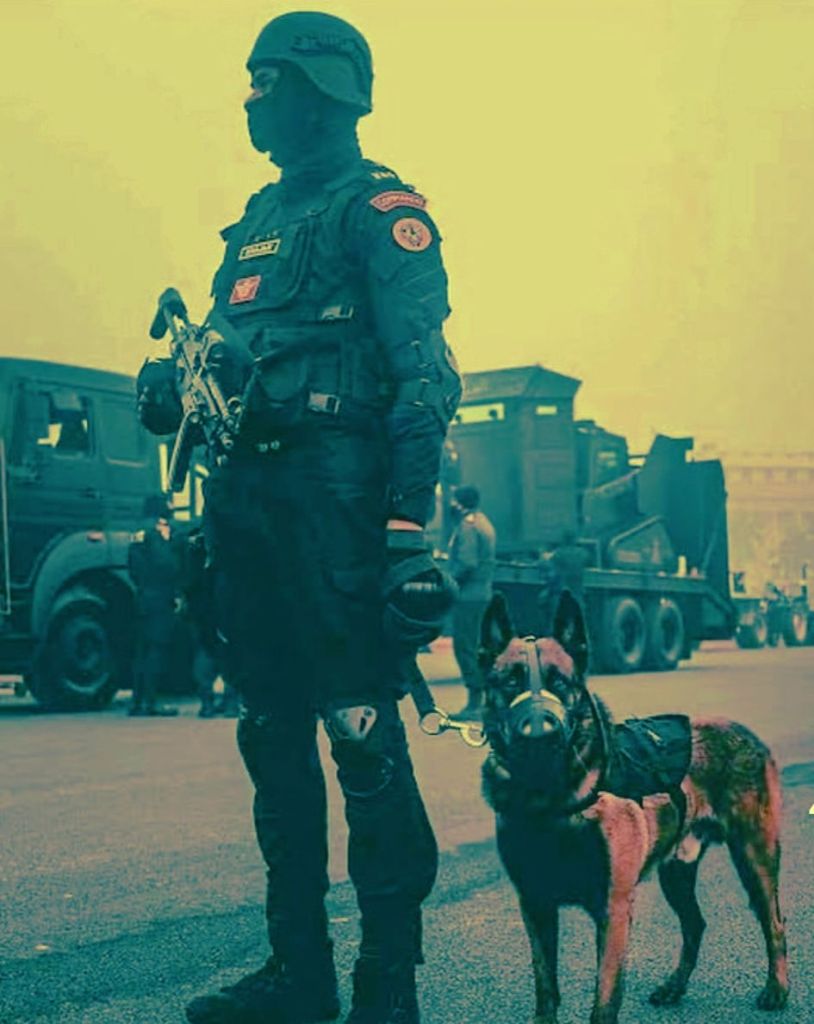
Manesar therefore is not merely a training base. It is India’s hidden insurance policy against the sudden cruelty of modern terror. It is where the Republic manufactures men who will not hesitate, who will not bargain, who will not retreat into self-preservation when intruders arrive.
Because in the end, the NSG commando is not trained to win medals. He is trained to do something far more terrifying and sacred: step forward when everyone else steps back—sometimes with nothing but a rifle, a corridor, and a smile that says the nation comes first.
VISIT ARJASRIKANTH.IN FOR MORE INSIGHTS
 ARJA SOCIAL PERSPECTIVES
One response to ““Smile at Terror : Inside Manesar Where India Trains Men to Catch the First Bullet””
very well articulated. The subject is immense to speak but precisely and concisely put forth to enable reader comprehend more in no time. Though it covers the training part, it would have been better if it is glorified with examples for operations NSG involved in. Otherwise, excellent in approach to not just flaunt but put forth the truth.
LikeLike