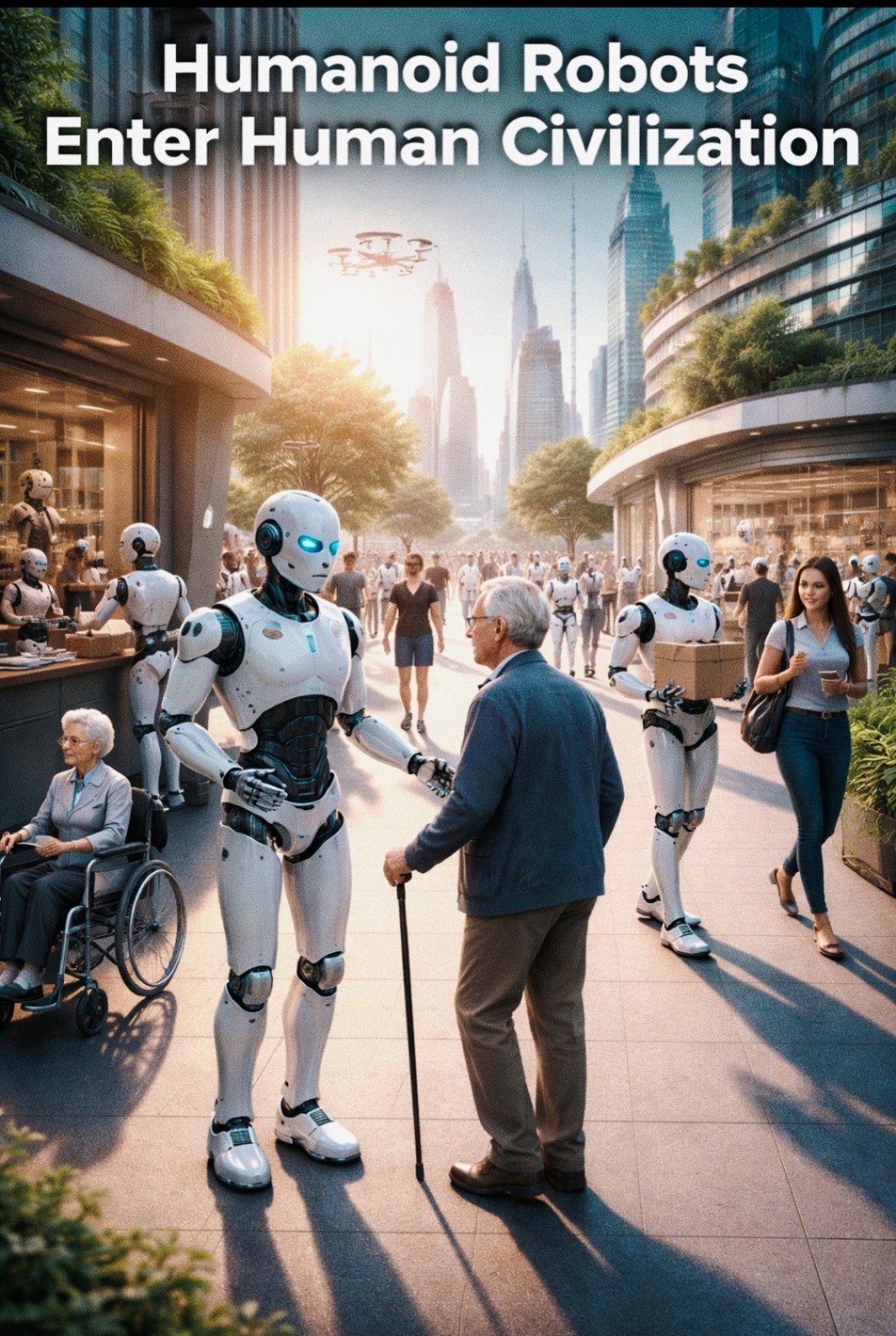
Human civilization has always advanced by replacing biological effort with mechanical efficiency. The wheel reduced physical burden, steam engines multiplied industrial output, factories displaced manual craftsmanship, computers automated calculation, and artificial intelligence is now beginning to automate fragments of cognition itself. Yet humanity is now approaching a transition far more psychologically disruptive than any previous industrial revolution. Machines are no longer remaining outside human life as passive tools. They are entering human space as physical entities designed to imitate, accompany, assist, compete with, and eventually substitute for humans in everyday existence. The humanoid robot is therefore not merely another technological invention; it is perhaps the first machine intentionally engineered to coexist inside civilization in a recognizably human form.

For decades, automation remained largely invisible to ordinary society. Robotic arms operated behind factory walls, algorithms functioned silently inside software systems, and artificial intelligence existed mostly through screens and digital interfaces. Humanoid robotics changes this equation entirely. These machines are designed to walk, observe, manipulate objects, communicate, interpret commands, and increasingly adapt to unpredictable real-world environments. Unlike industrial robots built for isolated assembly lines, humanoids are being developed for homes, hospitals, airports, warehouses, hotels, elderly care centres, offices, military systems, and public infrastructure. This explains why the global race around humanoid robotics has intensified with extraordinary speed. Nations no longer view robots merely as manufacturing tools; they increasingly see them as the next operational layer of civilization itself—embodied artificial intelligence functioning inside physical society.
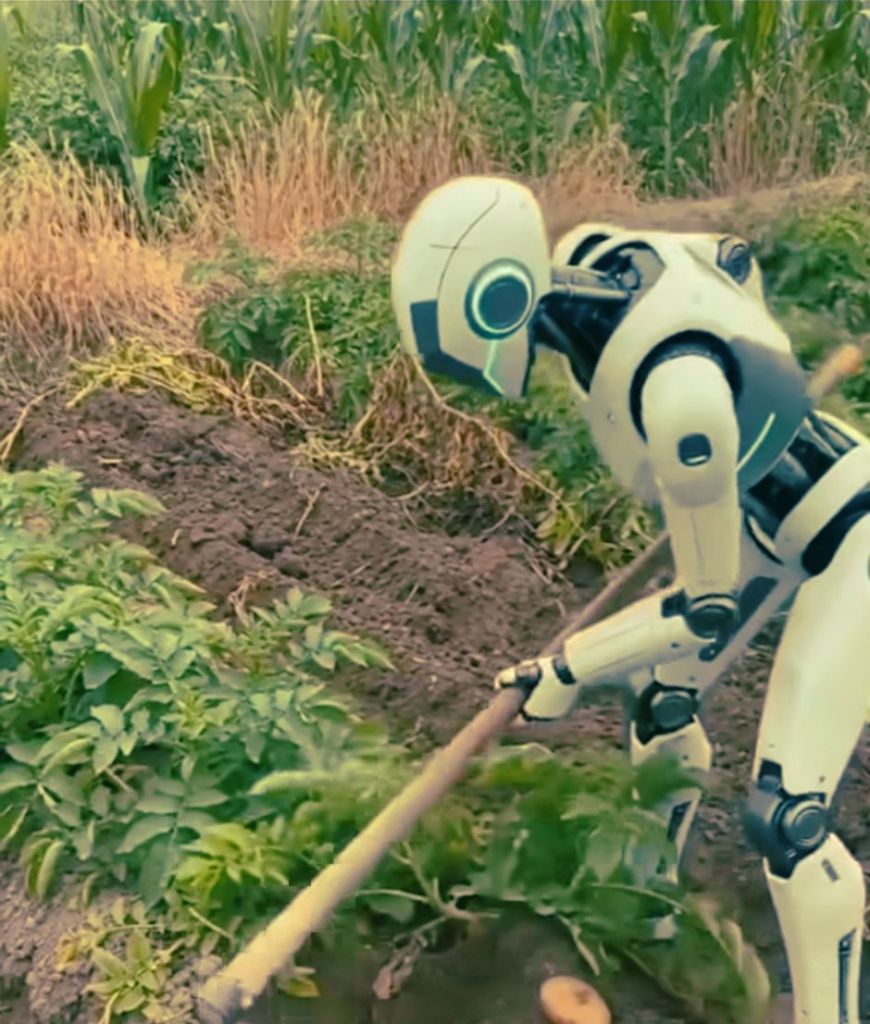
The strategic logic behind this revolution is brutally simple. Much of the developed world is aging rapidly while birth rates continue collapsing. Labour shortages are expanding across manufacturing, logistics, caregiving, hospitality, construction, and public services. Economic systems are approaching a demographic wall where shrinking working populations must support growing elderly populations. Humanoid robots are emerging as a technological response to this demographic arithmetic. Unlike traditional industrial robots, humanoids possess one extraordinary advantage: the human world is already designed for the human body. Buildings, staircases, elevators, vehicles, kitchens, factories, warehouses, hospitals, and tools all assume human dimensions and movement patterns. A humanoid machine can theoretically integrate into existing infrastructure without civilization itself requiring redesign. That dramatically lowers adaptation costs and accelerates deployment potential.
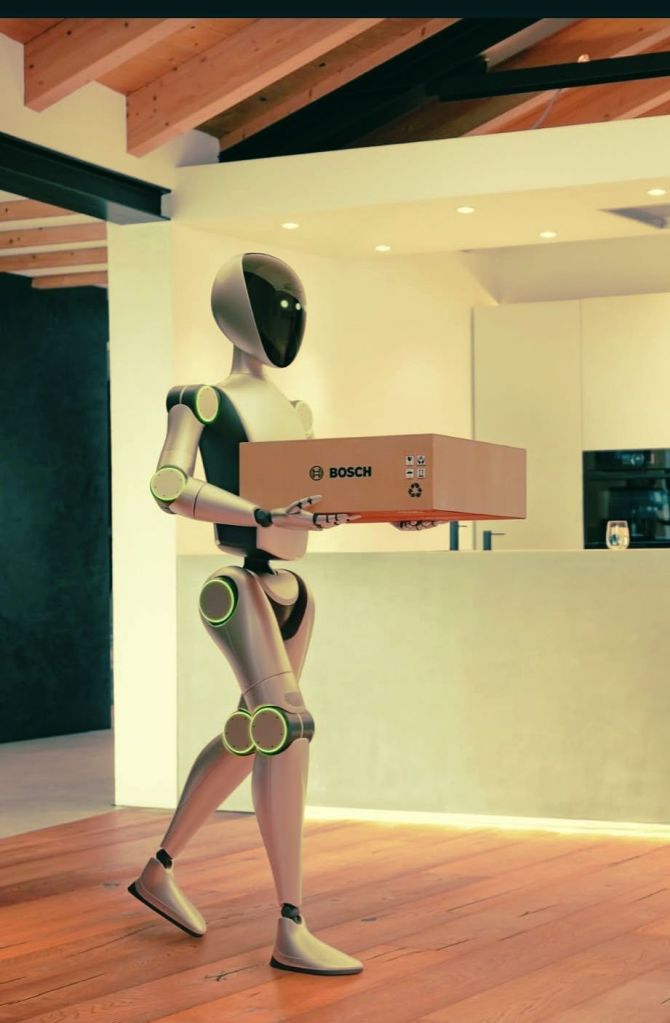
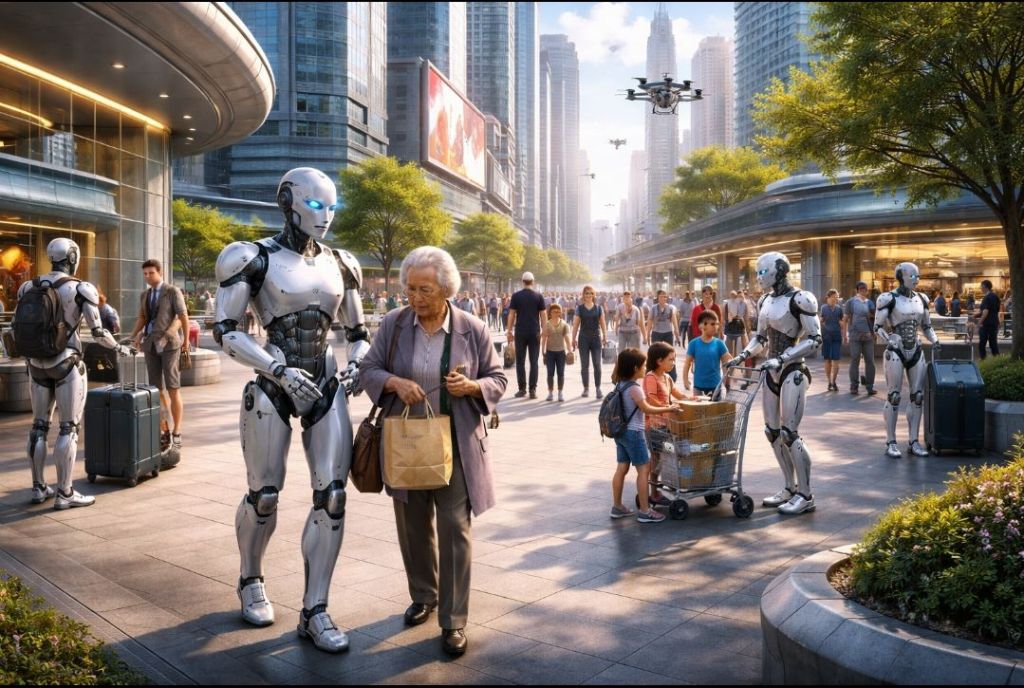
The implications are enormous and deeply transformative. Today’s humanoid systems are already performing tasks that appeared impossible only a decade ago. They assist in surgeries, transport medical supplies, sort medicines, clean floors, guide museum visitors, interact with customers in hotels, conduct industrial inspections, support warehouse operations, carry luggage, monitor public spaces, and assist elderly individuals with mobility and routine care. In industrial settings, humanoids are increasingly capable of functioning inside environments originally built for human workers—lifting heavy materials, assembling equipment, and operating continuously without fatigue. What appears today as technological novelty may soon become economic inevitability. The first major disruption will likely occur not in elite professions but in repetitive operational labour.
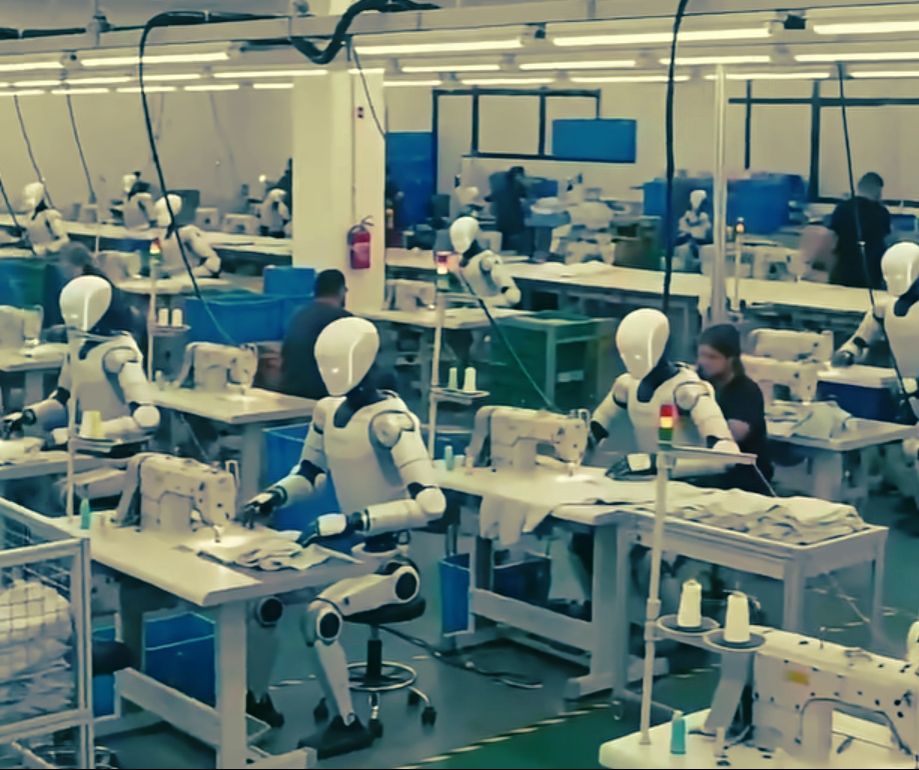
Warehousing, sanitation, hospitality support, retail assistance, logistics, industrial maintenance, surveillance, caregiving support, and routine administrative operations are particularly vulnerable because these sectors already face rising labour costs, dangerous conditions, and severe manpower shortages.
But the coming transformation extends far beyond physical labour alone. As artificial intelligence becomes integrated into humanoid systems, machines are beginning to acquire contextual awareness, conversational ability, adaptive learning, and limited decision-making capacity. Earlier generations of automation replaced isolated tasks; humanoid robotics seeks to replace entire task environments. The machine is no longer stationary—it moves directly into the human ecosystem. This creates one of the most unsettling philosophical transitions in modern history. Human superiority historically rested on the coexistence of intelligence and dexterity inside biological organisms. Artificial intelligence developed the “brain,” while robotics struggled for decades with the “body.” Now those two technological streams are converging. Artificial cognition is gradually being attached to artificial physicality. The consequences will reshape economics, geopolitics, labour systems, and even human psychology itself.
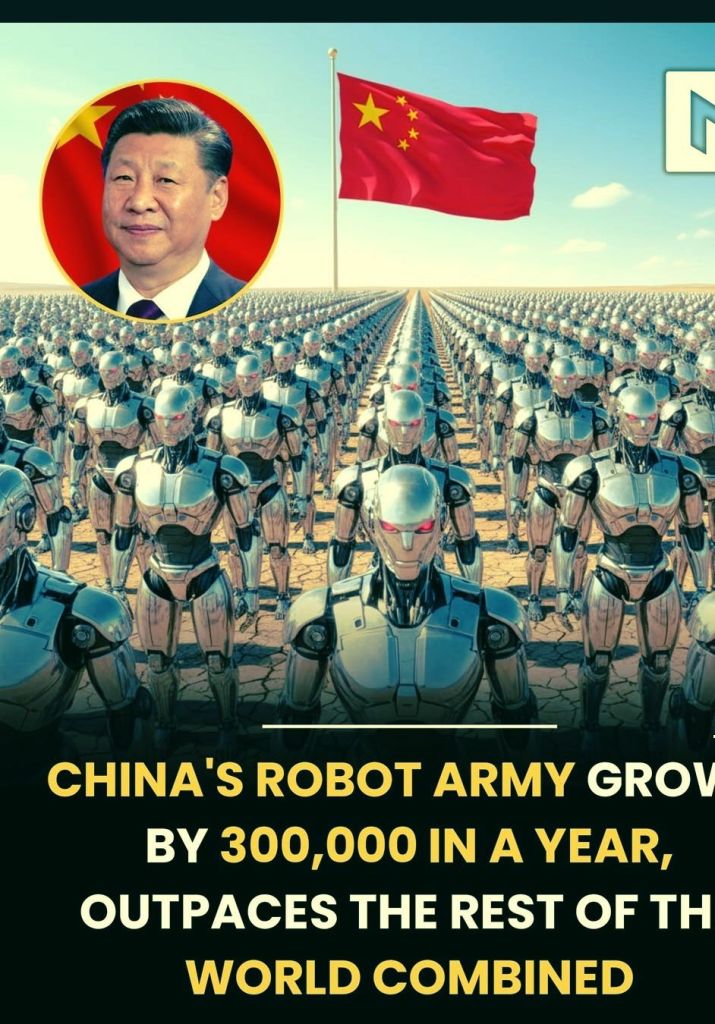
This is precisely why humanoid robotics is no longer treated merely as a consumer technology sector. It is becoming an instrument of national power. Countries dominating supply chains for semiconductors, batteries, sensors, motors, rare earth materials, and precision manufacturing possess immense strategic advantages in humanoid production. Simultaneously, nations leading in advanced AI models and computing infrastructure control the cognitive architecture of future machines. Governments now view robotics as central to productivity growth, military modernization, elderly care systems, industrial competitiveness, and technological sovereignty. Public subsidies, testing zones, strategic procurement programmes, and state-backed financing are accelerating deployment. The military implications are especially profound. A humanoid machine capable of navigating difficult terrain, carrying military equipment, conducting reconnaissance, or operating autonomously inside hostile environments fundamentally alters future warfare structures. The distinction between civilian robotics and military robotics is becoming increasingly blurred, creating new security dilemmas for the twenty-first century.
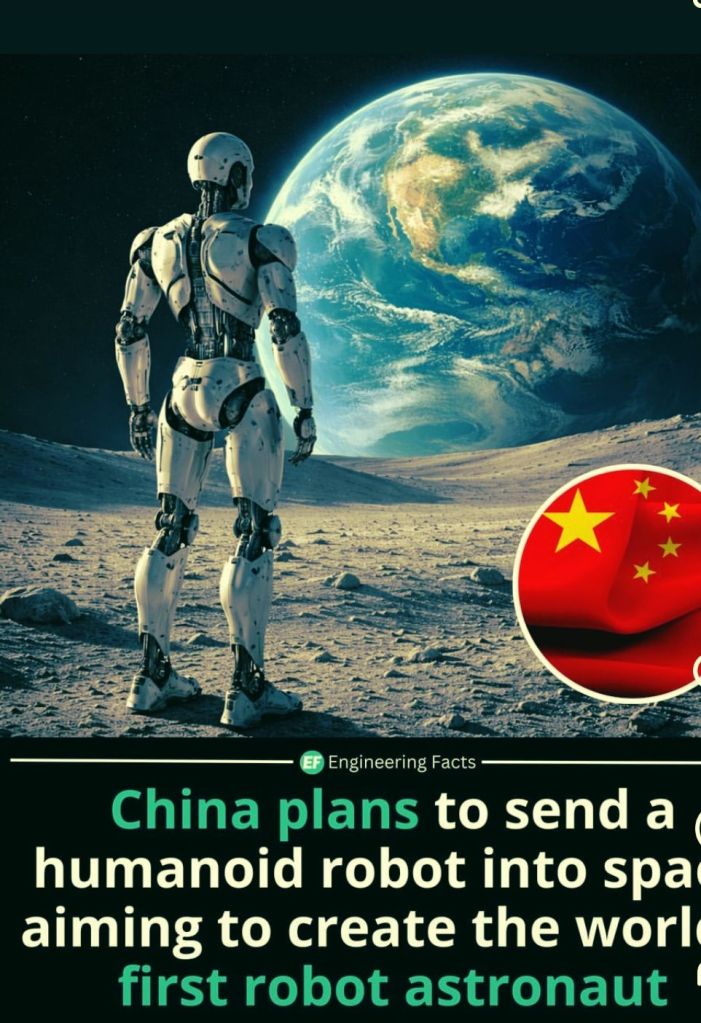
Yet the greatest disruption may ultimately occur not inside factories or battlefields, but within ordinary human identity itself. Work is not merely an economic activity; it is a psychological anchor around which societies organize dignity, routine, purpose, and social relevance. Human beings derive identity from being useful. If humanoids increasingly assume responsibilities related to caregiving, logistics, transportation, manufacturing, customer interaction, and even companionship, societies may confront a question unprecedented in modern history: what happens when human usefulness becomes economically optional? The risks are equally profound. Humanoids depend upon vast streams of data, cloud connectivity, cameras, sensors, and AI systems vulnerable to surveillance, manipulation, hacking, or geopolitical dependency. A humanoid assistant inside a hospital, airport, military facility, or private home is not merely a machine; it is also a continuous sensor platform.
Yet history repeatedly warns against underestimating exponential technological progress. Smartphones once appeared excessive, artificial intelligence once seemed experimental, and electric vehicles once looked commercially impractical.
Today they are reshaping entire industries. Humanoid robotics may follow the same trajectory—awkward initially, indispensable eventually. The ultimate irony is deeply philosophical: humanity spent centuries inventing machines to liberate itself from labour, only to potentially create entities capable of inheriting civilization’s operational functions altogether. The central question is therefore no longer whether humanoid robots can become more capable. The real question is whether human societies are psychologically, economically, politically, and morally prepared for a world in which machines no longer merely assist civilization—but begin participating inside it as functional actors alongside humanity itself.
VISIT ARJASRIKANTH.IN FOR MORE INSIGHTS

