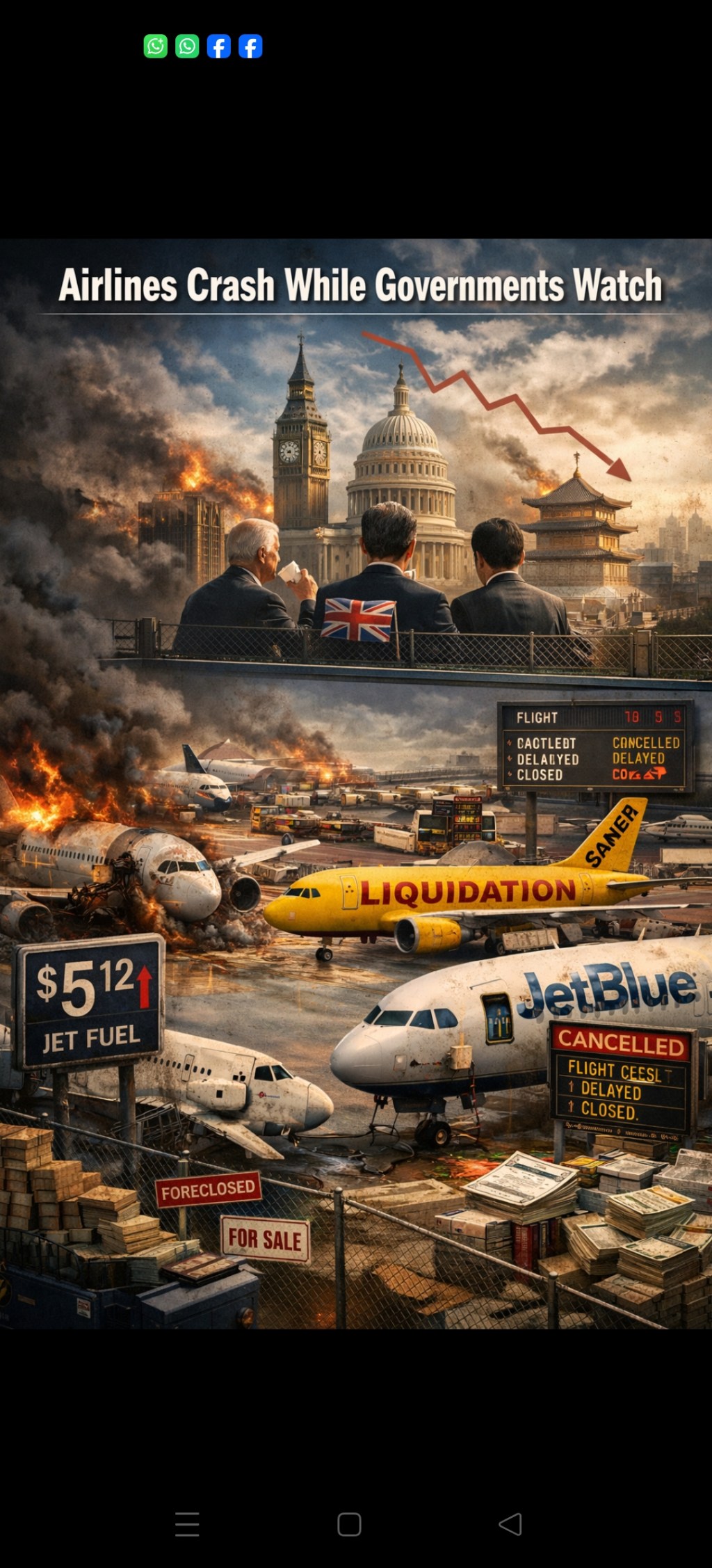
The global airline industry is not merely facing turbulence; it is flying through a perfect storm with half its engines on fire. What was marketed as a triumphant post-pandemic recovery has mutated into a systemic crisis where airlines are collapsing not because people stopped flying, but because the economics of flying has become structurally irrational. The crisis is no longer cyclical. It is institutional. Airlines are not crashing due to lack of demand—they are collapsing because demand has become irrelevant when cost structures behave like geopolitical landmines. In the first five months of 2026 alone, multiple carriers entered administration, shutdown, or liquidation, signalling that the aviation industry is undergoing a deep structural breakdown. Airline failure is no longer an unexpected event. It is becoming a predictable outcome—almost like a scheduled departure.
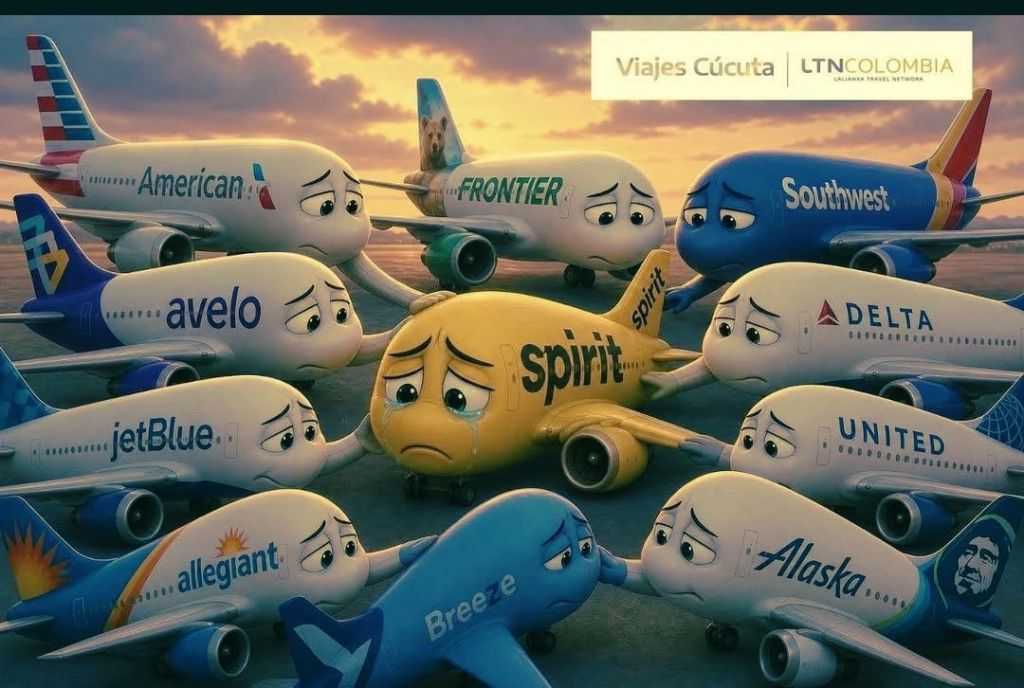
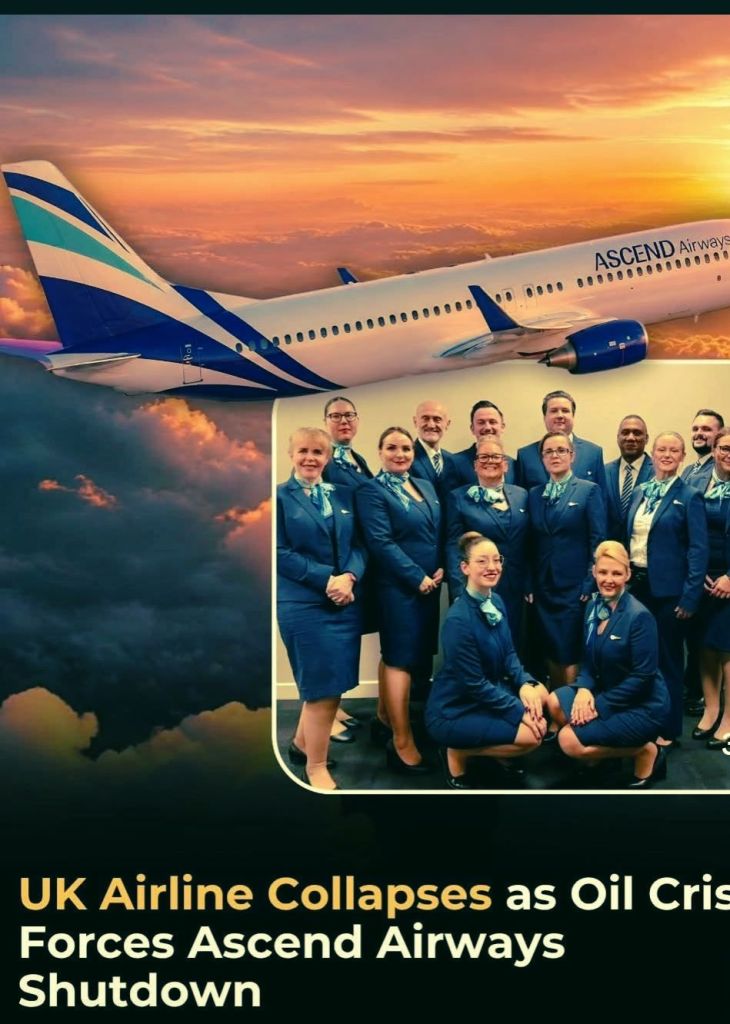
The early casualties reveal the anatomy of this breakdown. Spirit Airlines in the United States, once the poster child of ultra-low-cost democratized flying, moved into liquidation after its rescue attempt collapsed under political resistance and a brutal fuel spiral. Sprint Airlines shut down after bankruptcy when the Iran conflict pushed fuel costs into a price spike that erased operational viability. In the United Kingdom, Ecojet—a hydrogen-electric dream dressed in futuristic optimism—entered administration, proving that green innovation without financial realism is simply a well-branded collapse. In Asia, Royal Air Philippines saw administrative breakdown after thousands of cancellations, while India’s Dove Airlines went into voluntary liquidation as insolvency escalated into fleet seizure. These are not isolated failures. They are symptoms of a global disease.
And even the survivors are bleeding. JetBlue reported a Q1 2026 net loss of $319 million, deeper than the previous year’s $208 million loss. Indian aviation is projected to lose ₹170–180 billion in FY2026, a staggering hole in a sector that is supposedly “booming.” American Airlines has warned that a $4 billion increase in fuel expenditure could push it into a full-year loss. Across the world’s 20 largest publicly listed airlines, nearly $53 billion in market capitalization has evaporated. The markets are sending a blunt message: investors are no longer convinced airlines are businesses. They are starting to look like liabilities with wings. At the centre of this crisis lies the most ruthless input cost in aviation: jet fuel. Fuel typically accounts for 30–40% of an airline’s operating expenses, which already means airlines operate with the financial resilience of a plastic bottle in a furnace. But in 2026, fuel stopped behaving like a commodity and began behaving like a weapon.
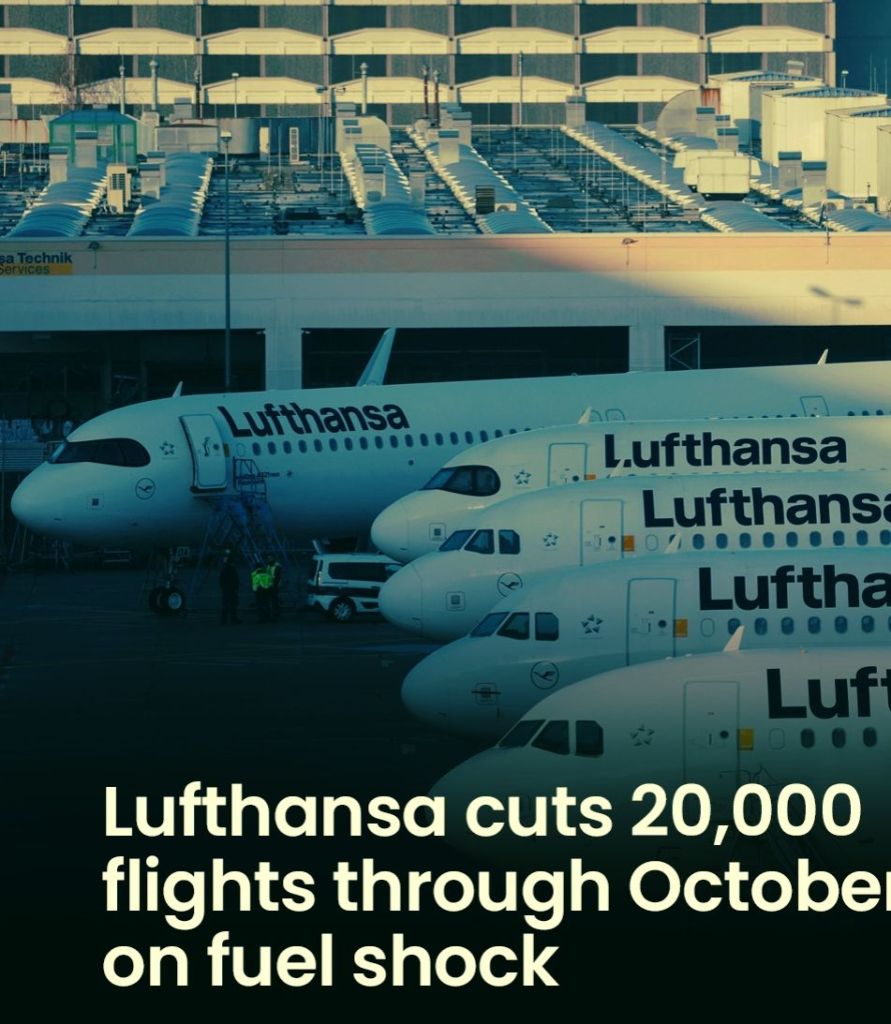
The U.S.–Israel–Iran conflict triggered a seismic energy shock. Jet fuel in the United States surged toward $5 per gallon by late April, and in some markets prices crossed $200 per barrel. JetBlue, which paid an average of $2.96 per gallon in Q1, projects Q2 costs exploding into the $4.13–$4.28 range. This is not inflation. This is suffocation. The brutal arithmetic of aviation explains why the industry is structurally fragile. Lufthansa CEO Carsten Spohr’s remark that airlines earn only about €10 profit per passenger is not an exaggeration—it is the core tragedy of modern aviation. When your profit per passenger is the price of a sandwich, but your cost volatility is driven by global wars, you are not running a business. You are gambling against geopolitics.
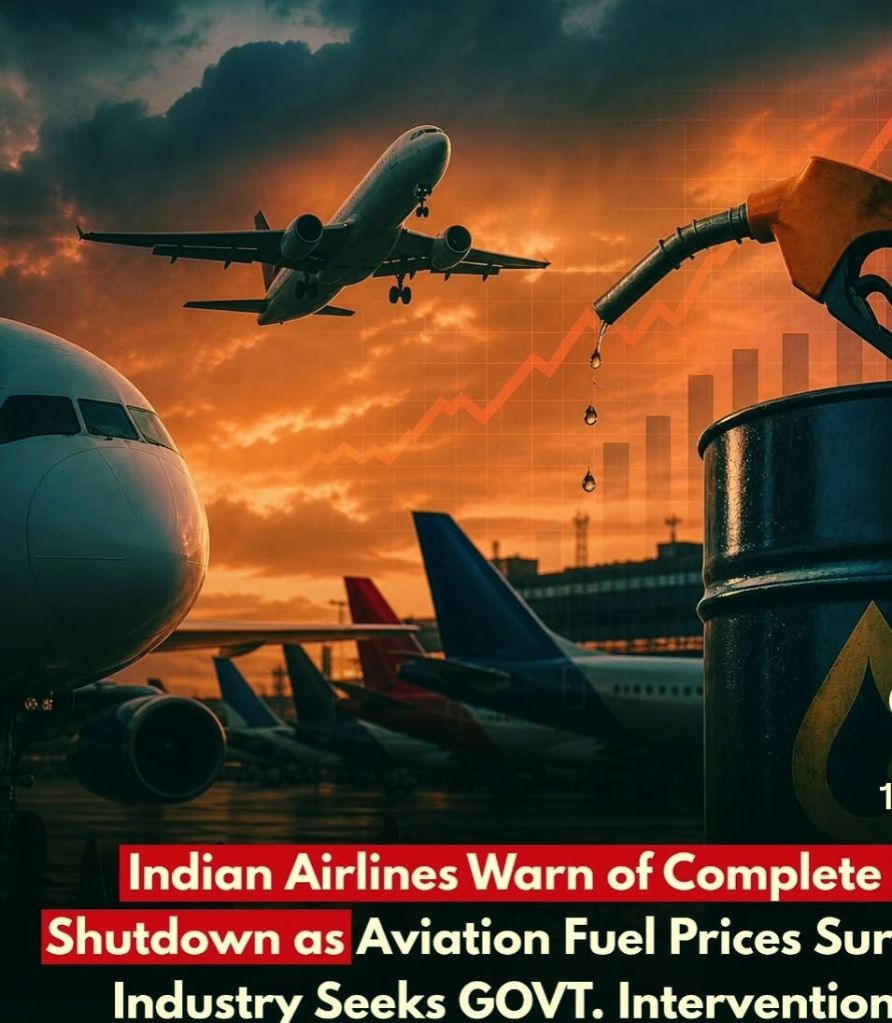
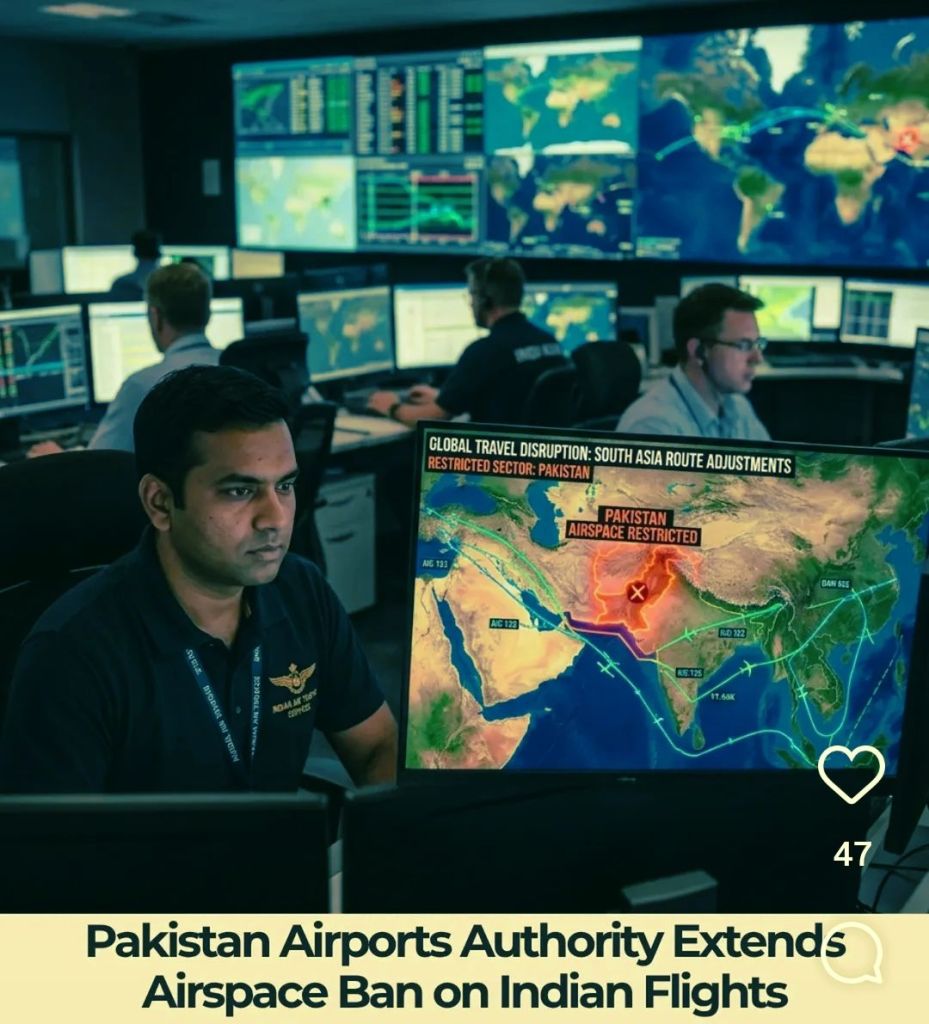
Airlines tried to respond with fare hikes—six rounds of increases since the conflict began. But the market has limits. You cannot endlessly raise ticket prices without eventually shrinking demand, especially in price-sensitive economies like India and Southeast Asia. The airline industry has discovered a cruel paradox: planes can be full and still bankrupt. Fuel, however, is only the first engine of destruction. The second is operational chaos, which has turned airlines into inefficient fuel-burning machines. Airspace closures and rerouting have become a silent cost explosion. With Middle Eastern air corridors restricted and strategic chokepoints like the Strait of Hormuz under threat, airlines have been forced into longer, circuitous routes. Every additional hour in the air is not just time—it is tonnes of fuel burned, crew costs multiplied, maintenance cycles shortened, and aircraft productivity reduced. A plane that flies longer routes completes fewer rotations. That destroys the economics of fleet utilization.
Then comes the supply chain crisis, an industrial failure that has become aviation’s invisible enemy. The Pratt & Whitney engine crisis has grounded aircraft across markets, with India alone reportedly seeing 117 aircraft grounded—around 13–15% of its fleet. This is catastrophic because airlines survive only if utilization stays high. When aircraft are grounded, airlines are forced to lease replacement planes, often older and less fuel-efficient, worsening the fuel problem further. The industry is trapped in a vicious loop: fuel rises, efficiency collapses, leasing costs surge, and losses accelerate. Currency depreciation adds another layer of pain, particularly in emerging markets. Aviation is globally dollar-denominated: aircraft leases, spare parts, engines, insurance, and maintenance contracts are priced in USD. When currencies like the Indian rupee weaken, airlines bleed even if domestic demand is booming. This is why airlines often collapse not in recession, but during growth phases—because growth exposes their cost base to global pricing.
And then comes the most dangerous contradiction of all: the government paradox. Airlines exist to sell one product more valuable than comfort: time. Aviation compresses geography and converts days into hours. It is productivity infrastructure, not luxury consumption. Yet governments treat aviation like an optional private service rather than a strategic public utility. Roads and railways receive massive public subsidies globally because they are viewed as national arteries. Aviation, despite enabling trade, tourism, emergency medical movement, national integration, and supply chain speed, is still forced to operate under “market discipline,” as if it were a boutique service.
Worse, airlines face procedural friction precisely when they need relief the most. Regulatory structures in many countries remain decades old, with compliance burdens that become unbearable during fuel shocks. Environmental taxes and emission compliance mechanisms—though important—often create a crowding-out effect where airlines spend capital on paperwork rather than fuel-efficiency upgrades. Airports continue charging high landing, parking, and navigation fees even during crisis spikes, behaving like landlords collecting rent while tenants burn alive. This brings us to the uncomfortable but unavoidable question: if airlines save society time, productivity, and connectivity, should governments subsidize them?
The answer is yes—but not blindly. The case for intervention is rooted in public goods economics. When airlines collapse, the damage is not confined to shareholders. It spreads into ticket inflation, job losses, tourism collapse, regional isolation, and reduced national cohesion. The fall of a budget airline like Spirit is not merely the death of a company—it removes competitive pressure, allowing surviving carriers to raise fares. Consumers pay the price. Regions lose connectivity. Economies slow down. Viability Gap Funding (VGF) is therefore not charity. It is infrastructure logic applied to aviation.
India’s Modified UDAN model offers one of the most rational frameworks. Instead of writing blank bailout cheques, India approved a ₹28,840 crore package for FY2026–36 focused on subsidizing specific unviable routes and building airport infrastructure. Support is tapered, reducing from year three and ending by year five, forcing airlines to either become commercially viable or exit. Importantly, 42% of the outlay goes into building 100 airports—recognizing that aviation success is not only about airlines, but about ecosystems. Yet critics raise a valid warning: moral hazard. Bailouts can reward incompetence and encourage reckless management. Spirit’s failure to secure rescue funding was partly because it had not made profits since 2019 and had entered bankruptcy multiple times. Subsidy without conditionality becomes corporate addiction.
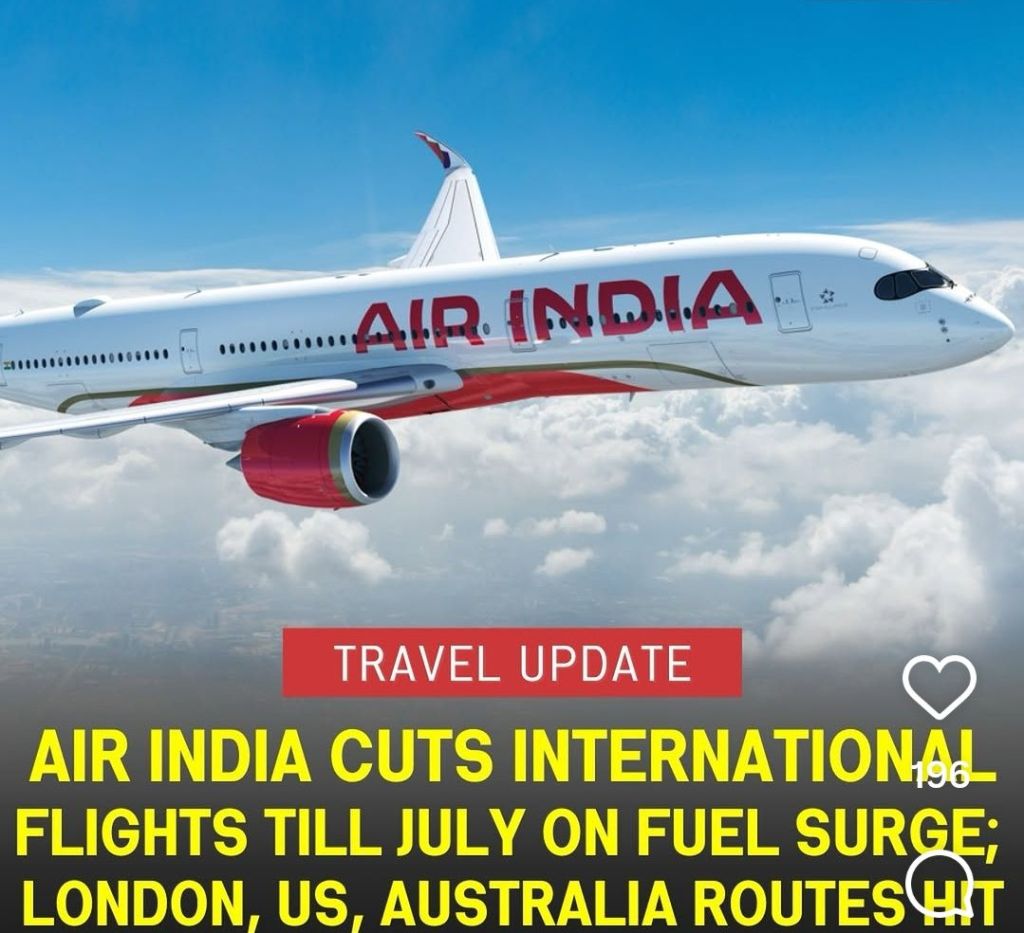
Therefore, the future is not bailouts. It is smart subsidies—time-bound, performance-linked, and route-specific. The way forward requires structured resilience rather than panic rescue. Governments should create strategic jet fuel reserves, similar to petroleum reserves, to stabilize extreme price spikes. Regulators should introduce emergency frameworks—temporary reductions in landing and parking charges during crisis periods, as India has done with 25% reductions. Subsidies must be tied to measurable outputs: maintaining connectivity, ensuring passenger affordability, upgrading fleet efficiency, and adopting Sustainable Aviation Fuel. Airlines, for their part, must aggressively pursue fuel recapture strategies, operational digitization, and smarter hedging alliances. Because geopolitical volatility is no longer an exception. It is the new baseline.
The airline crisis of 2026 is not merely a business story. It is a warning that globalization’s most visible machine is running on fragile economics. Airlines are bleeding because war collided with a razor-thin margin model. If governments continue treating aviation as a luxury market instead of time-saving national infrastructure, the world will soon have fewer airlines, fewer routes, and far more expensive skies. The choice is simple: subsidize intelligently now, or pay economically later when connectivity collapses.
VISIT ARJASRIKANTH.IN FOR MORE INSIGHTS

