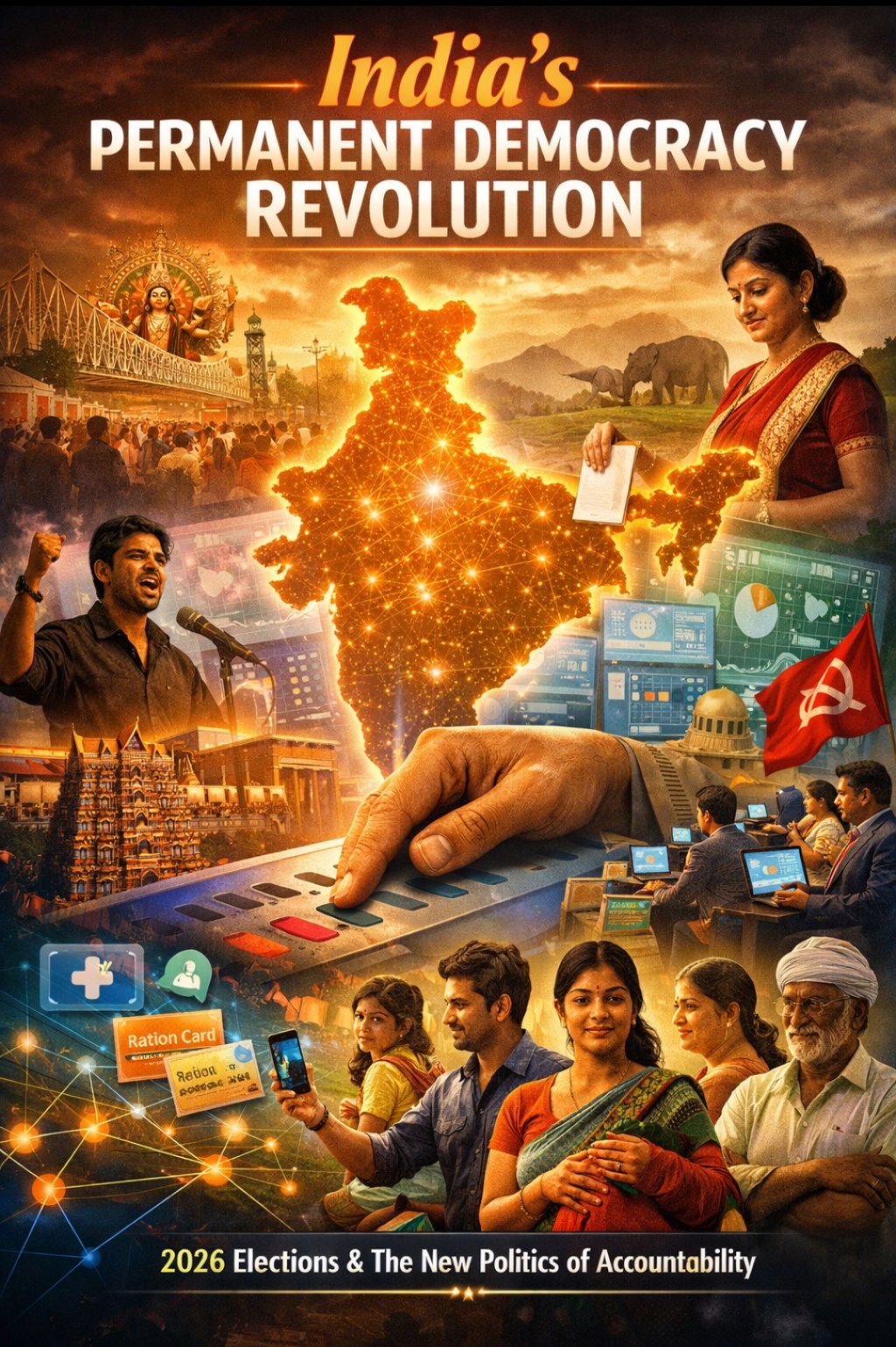
India’s 2026 electoral cycle marks a quiet but profound transformation in democratic behaviour—one that goes far beyond state-specific victories or defeats. Beneath the surface of competing mandates lies a structural reordering of political logic itself. Ideology, inherited loyalty, and even charismatic mobilisation are no longer sufficient currencies of power. Instead, politics has entered an era of continuous validation, where legitimacy is not granted once every five years but recalibrated every day through lived experience, digital scrutiny, and grassroots feedback loops.
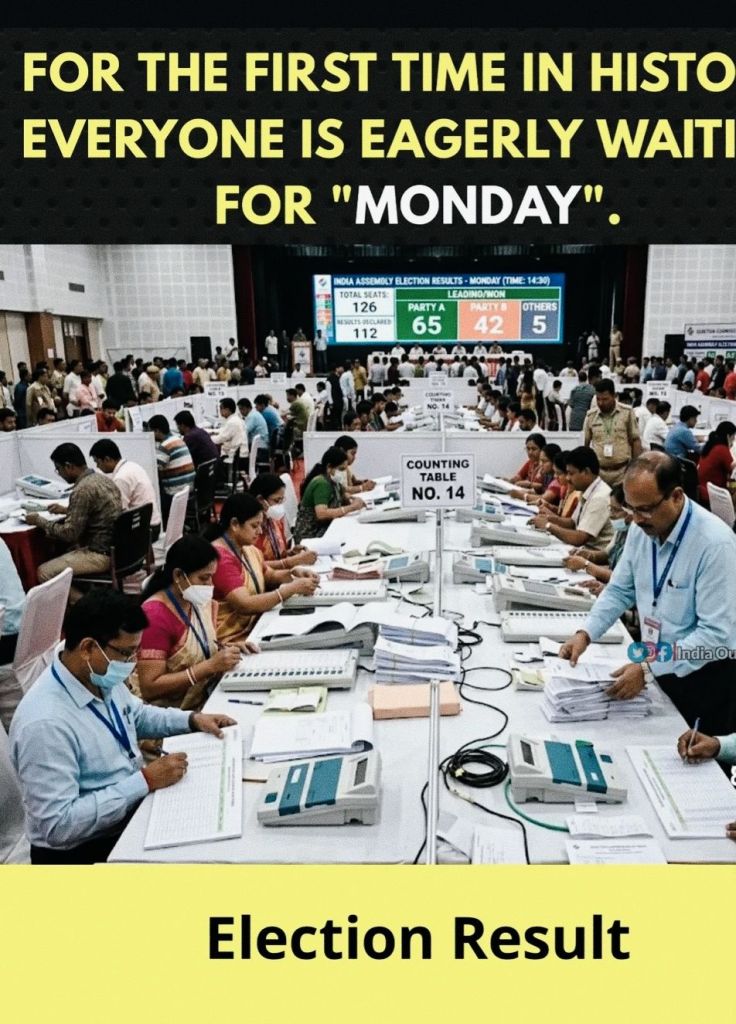
Across West Bengal, Assam, Tamil Nadu, and Kerala, a common democratic grammar has emerged: performance is permanent, trust is conditional, and authority is renewable only through constant public verification. The voter is no longer a passive recipient of political messaging but an active auditor of governance outcomes. This shift has quietly dismantled older assumptions of Indian electoral politics and replaced them with a more unforgiving, but arguably more mature, democratic ecosystem.
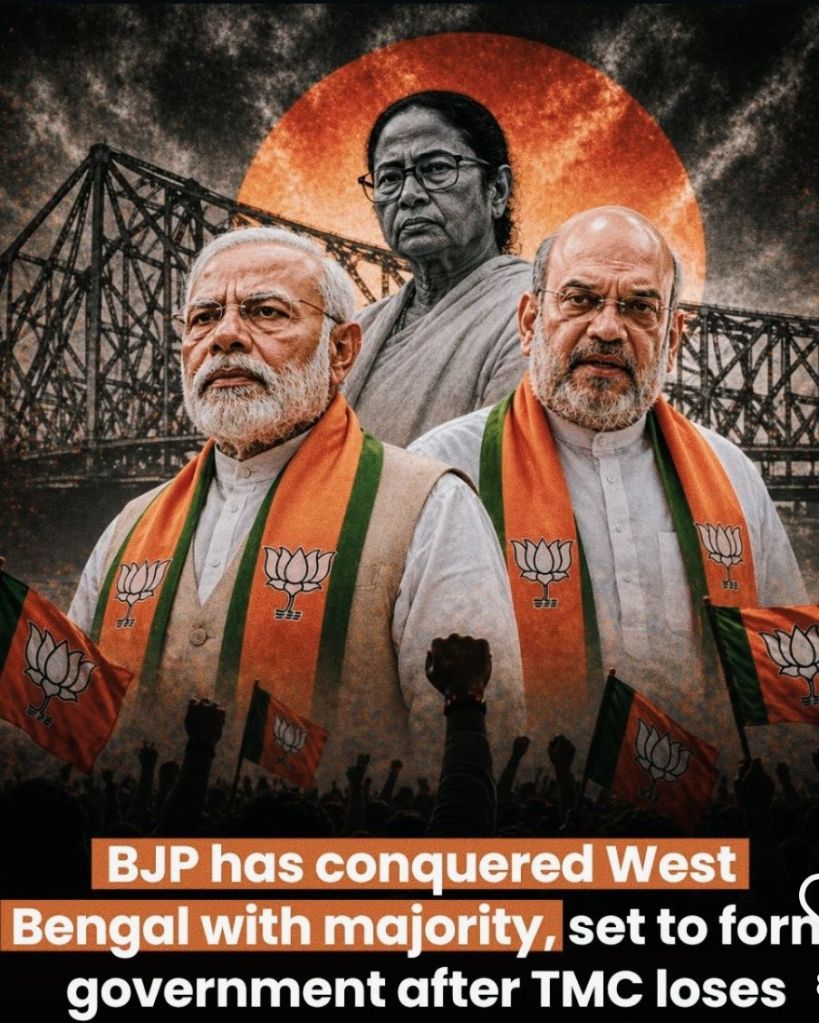
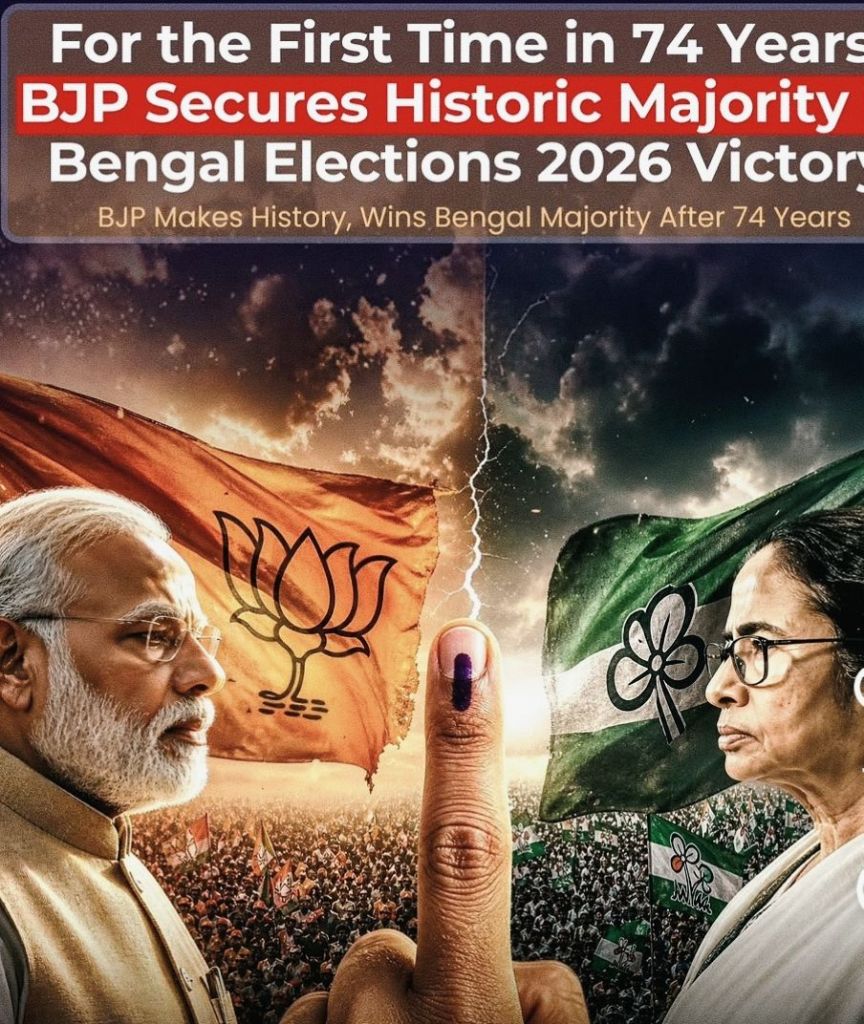
In West Bengal, the BJP’s strategic experiment—often described as Operation Coromandel—represents the evolution of electoral politics from spectacle to system. Having already expanded its footprint in previous cycles, the party in 2026 moved decisively into micro-engineering territory. The emphasis shifted away from mass rallies toward granular voter management structures, booth-level data classification, and hyper-localised mobilisation units. The deployment of Panna Pramukh networks symbolised this transition: politics was no longer about persuading crowds but about activating individuals. Yet the most significant recalibration was cultural rather than organisational. Recognising that Bengal cannot be governed through imported political idioms, the BJP attempted a deeper localisation of identity narratives, embedding its ideological messaging within Bengal’s own religious and civilisational frameworks. This dual movement—technical precision combined with cultural adaptation—signals a broader transformation in Indian politics where success requires both infrastructural discipline and emotional resonance.
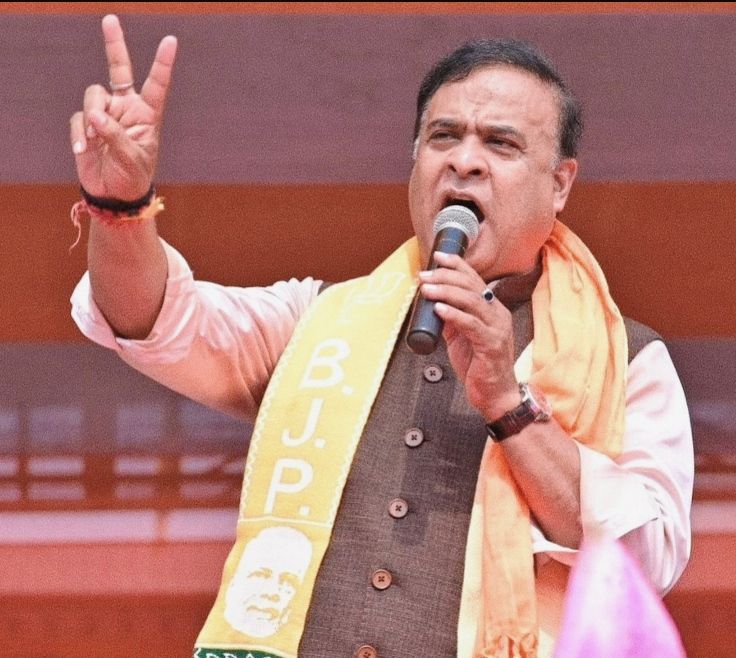
Assam presents a contrasting but equally instructive paradigm. Under Himanta Biswa Sarma, the BJP’s dominance is not merely electoral; it is managerial. The defining feature of this model is controlled incumbency—the conscious decision to prevent anti-incumbency from accumulating by periodically renewing the political workforce itself. Sitting legislators were replaced, younger leaders were elevated, and performance rather than seniority became the currency of candidature. This willingness to sacrifice political comfort for electoral sustainability reflects a rare institutional discipline in Indian politics. At the same time, welfare delivery was integrated into electoral strategy with remarkable precision, transforming governance into a continuous feedback loop rather than a periodic exercise. The Assam model demonstrates that long-term political dominance is no longer about ideological rigidity but about organisational elasticity and constant recalibration.
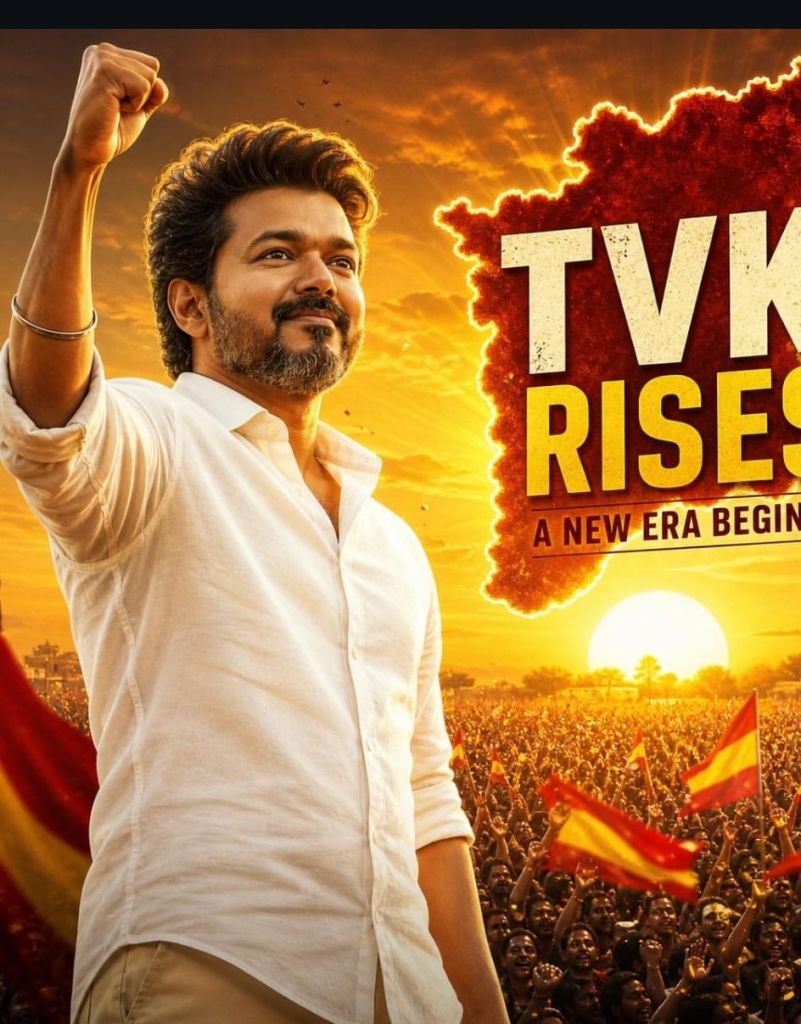
Tamil Nadu, by contrast, illustrates political disruption rather than consolidation. The rise of Vijay’s Tamilaga Vettri Kazhagam represents a structural break in the Dravidian binary that has defined the state for decades. Unlike traditional parties anchored in ideological lineage or organisational depth, TVK’s ascent is driven by emotional mobilisation, celebrity legitimacy, and an aggressive welfare imagination designed to neutralise established advantages. Its decision to contest independently across constituencies created a third axis in a historically bipolar system. Yet the absence of a clear majority also exposes the limits of personality-driven politics: disruption can reshape electoral arithmetic, but governance still demands institutional negotiation. Tamil Nadu’s verdict therefore signals a transitional moment where political imagination has expanded faster than institutional consolidation.
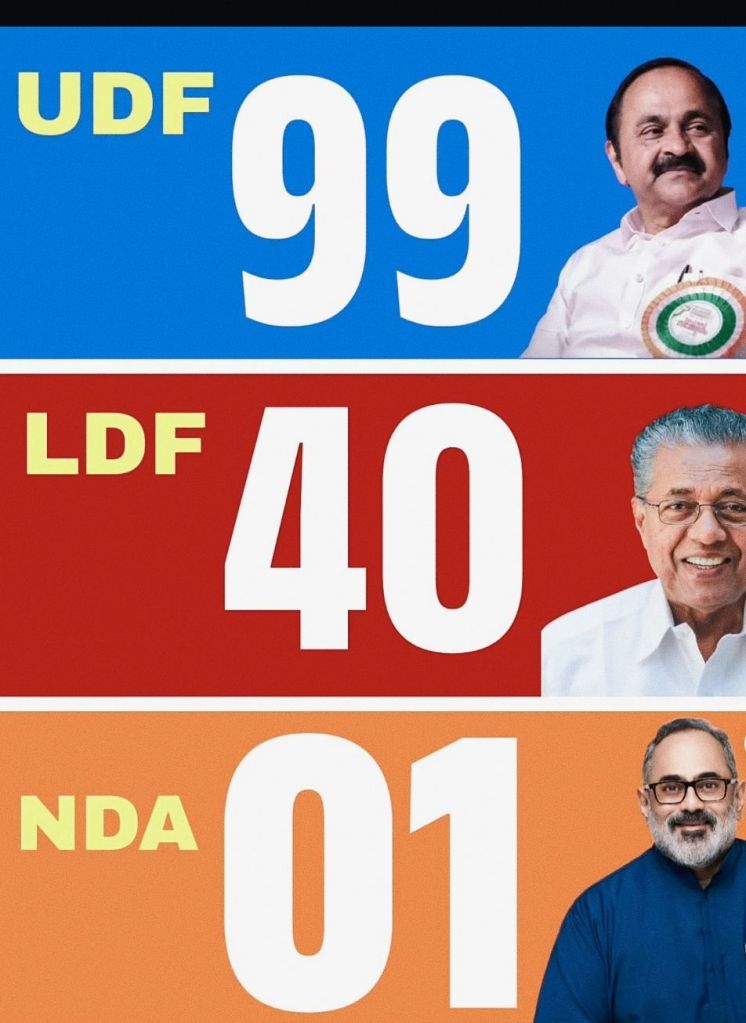
Kerala, meanwhile, reaffirms a different democratic instinct altogether—electoral maturity rooted in cyclical accountability. Here, ideology is secondary to administrative performance. The return of the UDF reflects not ideological conversion but the reassertion of Kerala’s long-standing alternation principle. The electorate’s decision is less about allegiance and more about audit: governments are evaluated, rotated, and re-evaluated in a predictable rhythm that prioritises governance credibility over narrative dominance. The UDF’s success lay in disciplined coalition management, internal cohesion, and the ability to translate welfare promises into measurable commitments. In Kerala, politics functions less as ideological theatre and more as institutional review, reinforcing the idea that in highly literate democracies, governance is the only durable language of persuasion.
Across these diverse contexts, a deeper convergence becomes visible. Welfare has become universal but no longer decisive; every major political actor now promises redistribution, subsidies, and direct transfers. The differentiator is no longer intent but execution credibility. Simultaneously, digital transparency has collapsed the distance between policy and perception. Every administrative decision is instantly interpreted, circulated, and judged in real time, compressing the traditional lag between governance and accountability. Leadership itself has also become decentralised: voters evaluate not just central figures but the entire ecosystem of governance, from local representatives to institutional behaviour.
What emerges from this is a new form of democratic consciousness that can be described as grassroots epistemology—a system where lived experience outweighs ideological abstraction. Whether it is Assam’s engineered stability, Bengal’s cultural recalibration, Tamil Nadu’s disruptive emergence, or Kerala’s cyclical correction, the underlying principle remains consistent: proximity generates trust, arrogance triggers rejection, and responsiveness determines survival.
The implication for all political formations is both simple and unforgiving. Electoral victory is no longer a mandate of permanence but an invitation to continuous justification. Historical legacy offers diminishing returns. Organisational inertia is punished. Narrative dominance evaporates quickly in the face of visible governance gaps. In this environment, governments that fail to embed themselves in everyday public experience risk rapid erosion, while those that maintain adaptive structures and institutional humility are more likely to endure successive electoral stress tests.
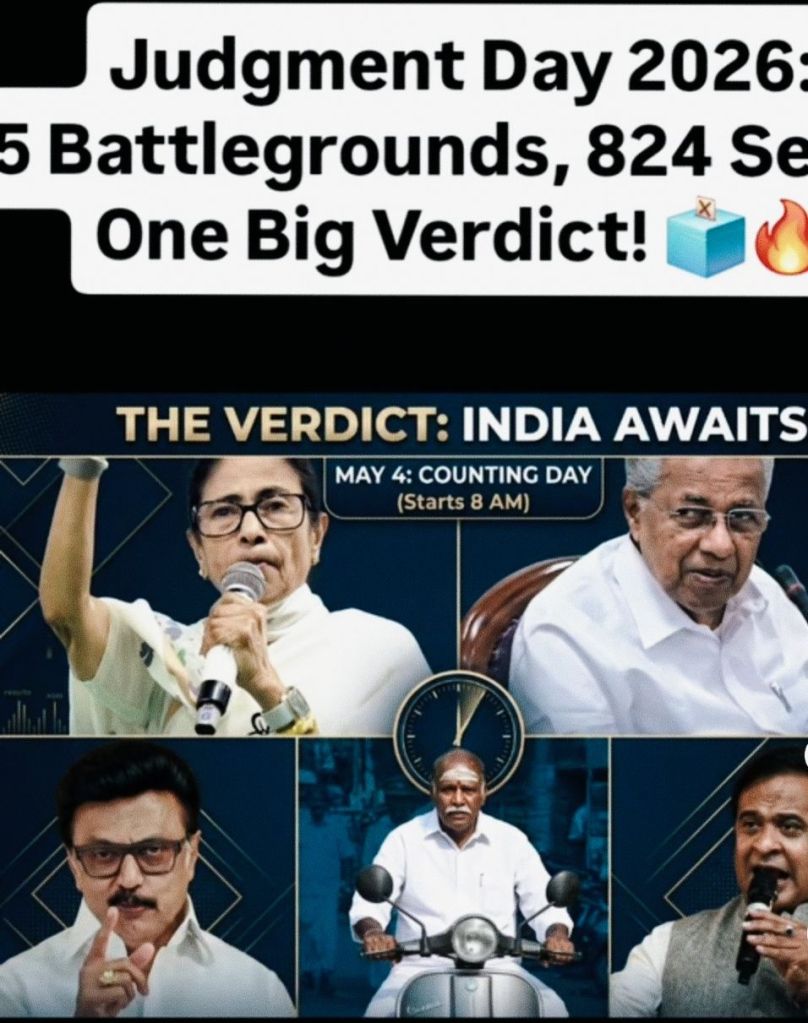
India’s 2026 elections, therefore, are not a collection of regional stories but a single systemic signal. They mark the transition from episodic democracy to continuous democracy—from periodic judgement to permanent audit. The electorate has become simultaneously more informed and less forgiving, more connected and more exacting. In this new political order, ideology has not disappeared, but it has been demoted. Organisation remains essential, but insufficient. Governance has become the final arbiter. And politics itself has transformed into what it was always becoming: not a promise of power, but a constantly renewed contract between the state and the citizen—signed not once, but every single day in the court of public experience.
VISIT ARJASRIKANTH.IN FOR MORE INSIGHTS
 ARJA SOCIAL PERSPECTIVES
One response to ““THE AGE OF PERMANENT VERDICT: India’s 2026 Elections Turned Politics into a Live Performance Audit of Power, Presence, and Peoplehood””
oh great 👍. Very nice analysis.
LikeLike