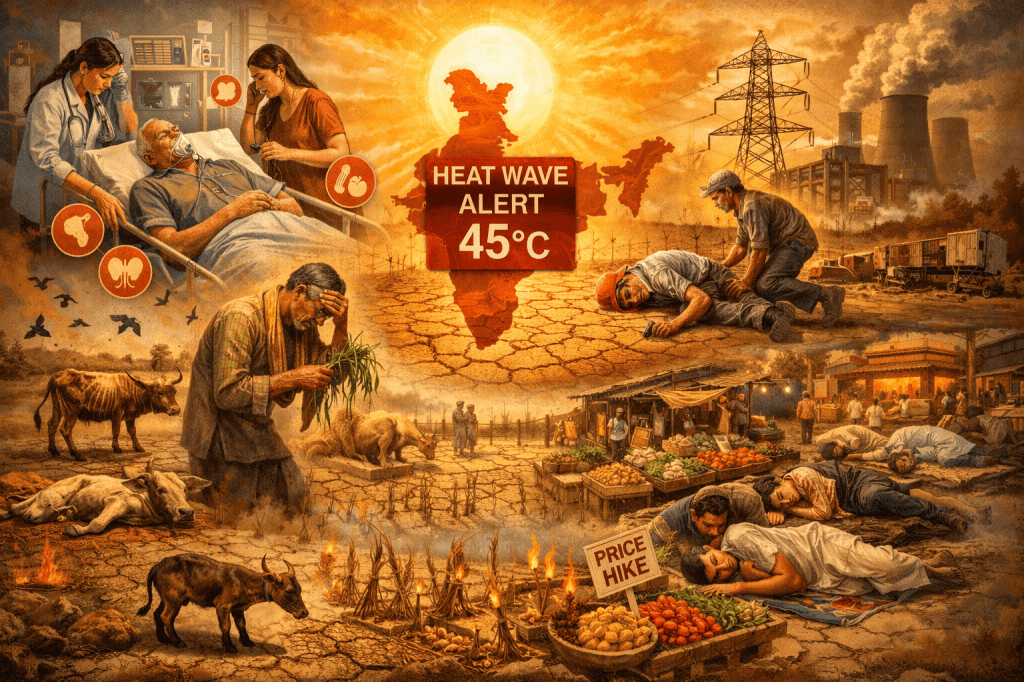
India’s pre-monsoon heat wave is no longer a harsh phase of the calendar. It has evolved into a civilisational stress test—an unforgiving audit of public health capacity, agricultural resilience, energy security, labour productivity, and administrative preparedness. The Indian Meteorological Department’s repeated warnings across Delhi, Punjab, Haryana, Maharashtra, Gujarat, and even Himachal Pradesh confirm a new and unsettling truth: extreme heat is no longer geographically loyal, seasonally predictable, or regionally containable. When temperatures touch 42°C to 45.6°C well before summer reaches its traditional peak, the crisis is no longer about discomfort. It is about a climate order where survival is beginning to function like privilege.
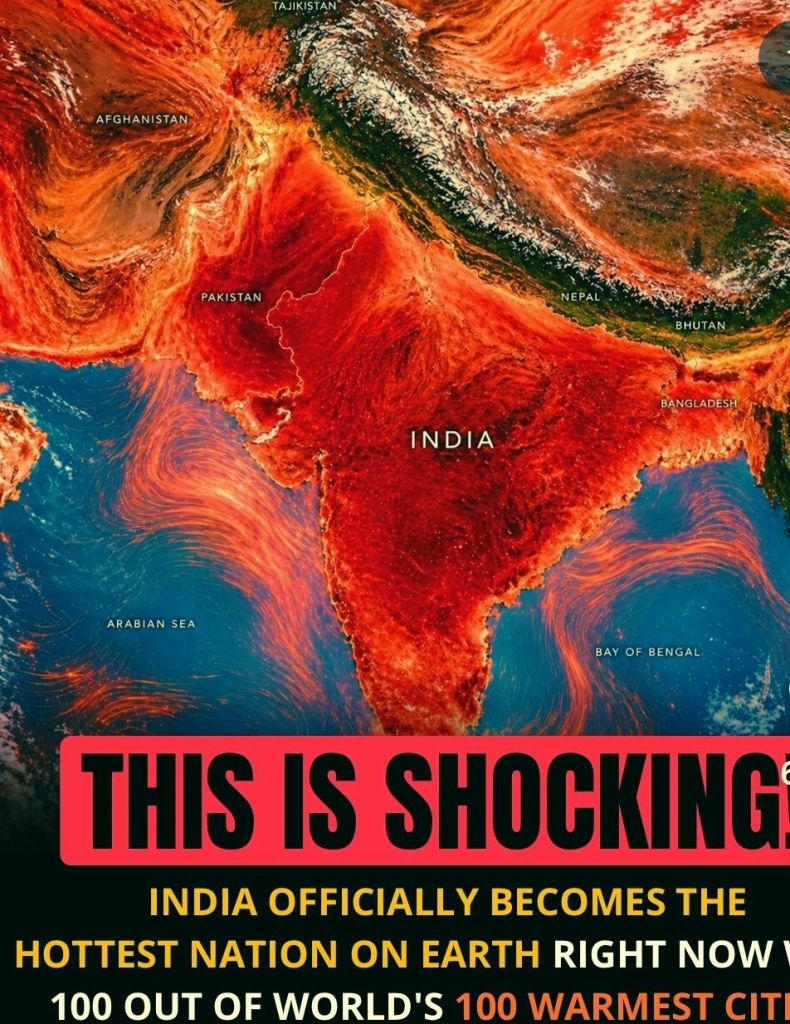
The record-breaking numbers—Amravati at 45.6°C, Kolhapur at 45.5°C, Patiala at 45.2°C—are not mere statistics. They represent a drift toward the outer edge of human tolerance. But the most dangerous element of this new heat regime is not what happens under the afternoon sun. The real rupture begins after sunset. The rise of warm nights has transformed heat waves from daytime suffering into a continuous assault—an environment where the human body is denied its most basic defence mechanism: recovery.
For centuries, Indian summers were brutal but negotiable because the night offered relief. Cooling temperatures acted as nature’s free reset button, allowing the body to lower its core temperature, reduce cardiovascular strain, restore hydration balance, and rebuild endurance for the next day. That natural recovery window is now collapsing. Warm nights mean the body begins each day already overheated, already strained, already depleted. Heat stress becomes cumulative. After three or four days, dehydration stops being temporary and begins to resemble organ distress. Fatigue stops being manageable and becomes systemic collapse. Heatstroke stops being accidental and begins to look inevitable.
This is the true evolution of the heat wave: it is no longer a spike in temperature, but a continuous pressure system. India is not merely facing hot afternoons—it is facing a climate condition that operates like a siege, grinding down resilience slowly, silently, and repeatedly.
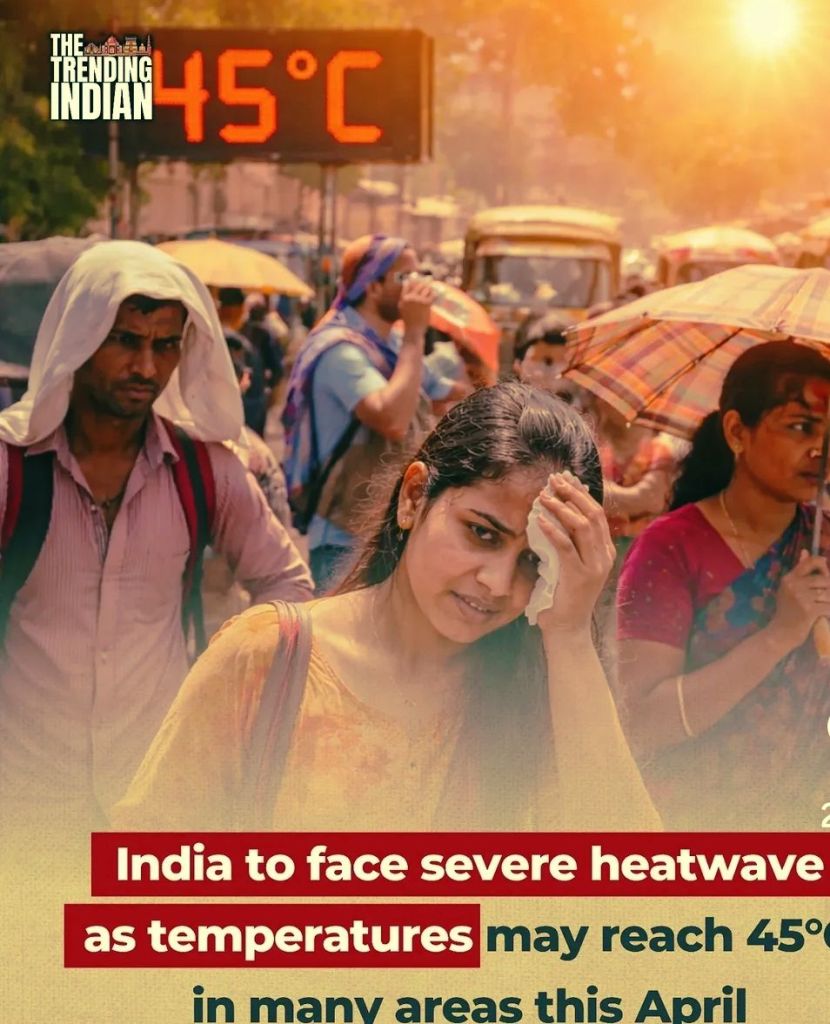
The health consequences are immediate, but they also unfold invisibly. Emergency rooms record the obvious: heat exhaustion, fainting, dehydration, and heatstroke. But the more lethal impacts arrive quietly—heart attacks triggered by thermal strain, strokes accelerated by dehydration, kidney failure due to electrolyte collapse, and worsened outcomes for diabetics and hypertensive patients. Warm nights deepen the damage because they destroy sleep. And sleep deprivation is not an inconvenience; it is physiological sabotage. It weakens immunity, elevates blood pressure, destabilizes metabolic function, and reduces the body’s ability to regulate heat.
For outdoor workers—construction labourers, delivery personnel, sanitation staff, street vendors—the heat wave is not “weather.” It is an unannounced workplace hazard operating without compensation, protection, or institutional acknowledgement. In this context, the phrase “work as usual” becomes quietly violent.
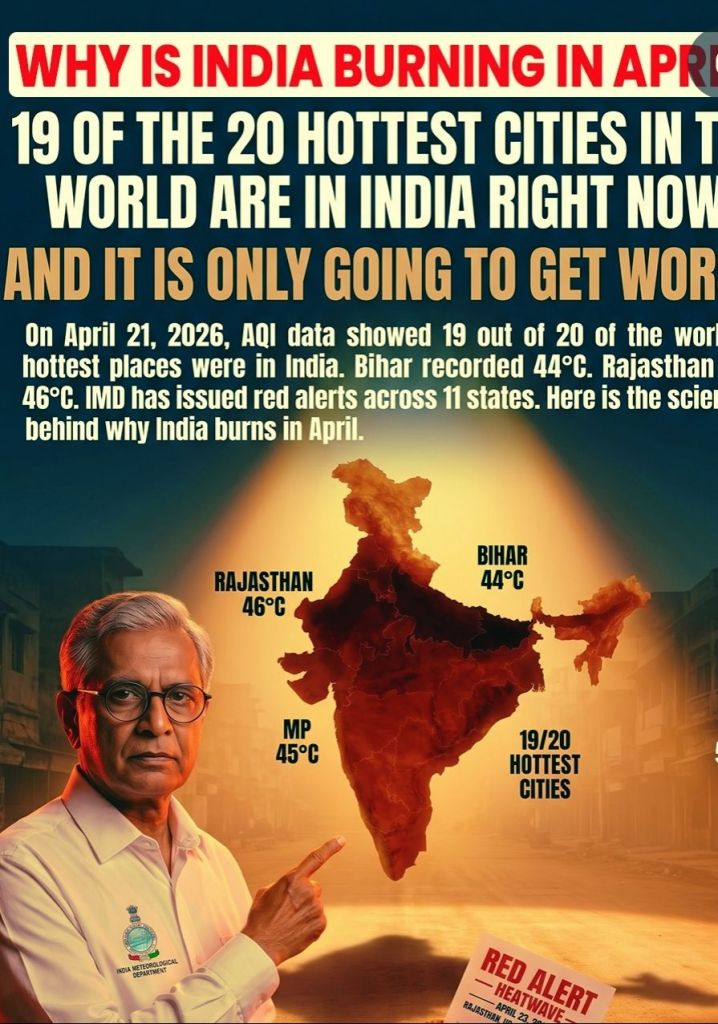
The administrative response—advancing summer vacations in several states—is not a policy choice as much as a warning signal. When schools shut early not due to examinations but due to unsafe commuting conditions, it reveals something deeper: governance itself is being forced to negotiate with climate. Children are uniquely vulnerable because their bodies heat faster, dehydrate quicker, and recover slower. A school bus, a crowded classroom, or a short walk under peak heat becomes a medical risk. In effect, the State is being compelled to choose between education and survival. That is not normal governance. That is climate-induced disruption.
But the heat wave is not attacking humans alone. It is collapsing an entire biological economy, beginning with animals—an invisible crisis that rarely appears in economic headlines but directly shapes inflation, rural livelihoods, and food security.
Livestock, especially cattle and buffaloes, experience severe heat stress when nights remain hot because their recovery cycle disappears. Milk output drops sharply—not due to disease, but due to thermal stress, dehydration, and reduced feed intake. Poultry farms face increased mortality when ventilation systems fail, while egg production, fertility, and immunity decline. In rural India, livestock is not simply agriculture; it is household insurance, emergency capital, and economic dignity. Heat stress becomes a silent rural shock, draining stability at the family level long before it becomes visible in national statistics.

Urban stray animals face dehydration, burnt paws on overheated roads, and collapse near traffic corridors. Wildlife suffers even more brutally. Birds drop mid-flight. Deer, monkeys, and small mammals enter human settlements searching for water, increasing human-animal conflict. Drying water sources turn forests into heat traps. The heat wave does not only kill animals—it destabilizes ecological behaviour, intensifies stress migration, and expands the conditions for disease spill over.
Then comes the third casualty: plants—the silent victims whose suffering does not appear in breaking news, but eventually arrives in markets as inflation. Plants do not collapse dramatically. They fail quietly. Extreme heat forces crops to close their stomata to prevent water loss, reducing photosynthesis and slowing growth. When heat arrives early, flowering cycles are disrupted, pollen viability weakens, and grain formation declines. Warm nights are especially destructive because plants respire more at night under high temperatures, consuming stored energy instead of conserving it. In simple terms, the crop begins burning its own reserves just to survive the night.
The result is lower yields, weaker grains, reduced fruit size, and higher probability of crop failure. Horticulture suffers disproportionately: vegetables wilt faster, fruits ripen prematurely, and shelf life collapses. Heat-stressed crops also become vulnerable to pests and disease, forcing farmers to increase pesticide and irrigation use. Costs rise precisely when productivity falls. This is an economic double blow: higher inputs, weaker output.
Perhaps the most disturbing signal is the heat creeping into Himachal Pradesh, crossing 41°C. Hill states were historically India’s natural climate refuge—ecologically, socially, and agriculturally. If even these regions begin overheating, the nation loses its thermal safety zones. Worse, hill infrastructure is designed to retain warmth, not shed it. Homes lack cooling architecture, hospitals lack heatwave protocols, and communities lack institutional memory of such temperatures. Heat arriving in these regions is not merely intense—it is structurally unfamiliar, like flooding in a desert town.
All these layers—human strain, animal stress, and plant decline—translate into a direct economic invoice. The first casualty is productivity. Heat waves reduce labour output, slow construction activity, disrupt logistics, and increase workplace accidents. In informal sectors, where paid leave does not exist, this becomes invisible economic bleeding. India’s growth model still relies heavily on physical labour. Extreme heat taxes that labour base like a silent income cut.
The second casualty is food inflation. Crop stress reduces supply. Livestock stress reduces milk output. Spoilage increases. Prices rise not because demand grows, but because survival weakens supply. This is climate-driven inflation, and it is far harder to control because monetary policy cannot cool the atmosphere or revive scorched crops.

The third casualty is energy security. Heat increases electricity demand for cooling while simultaneously stressing grids and weakening hydropower potential through falling reservoirs. The paradox is brutal: climate change increases cooling needs while weakening clean energy reliability. The system falls back on expensive thermal generation, raising costs and emissions, deepening the feedback loop.
Finally comes the monsoon risk. Forecasts such as 94% of the Long Period Average may sound manageable, but India’s economy does not run on averages—it runs on timing and distribution. The “missing 6%” can become a fiscal earthquake if rainfall becomes erratic. Erratic monsoons destabilize agriculture, destabilized agriculture fuels rural distress, rural distress reduces demand, and food inflation expands subsidy burdens. The RBI then faces a policy trap: tighten rates and slow growth, or tolerate inflation and risk social pressure.
India’s heat wave crisis is therefore not a seasonal inconvenience. It is a multi-sector breakdown where humans lose recovery, animals lose resilience, plants lose productivity, and the economy loses stability. The monster is not the sun. The monster is continuity—heat that does not pause, does not cool, and does not forgive. If India continues treating warm nights and ecological stress as environmental footnotes rather than economic threats, every summer will become a national audit—paid not in weather reports, but in weakened bodies, lost incomes, rising prices, and a republic increasingly governed not by policy, but by temperature.
VISIT ARJASRIKANTH.IN FOR MORE INSIGHTS


One response to “The Sun Starts Auditing India: Heat Waves Are Burning Humans, Boiling Animals, Scorching Crops, and Billing the Economy !!!”
excellent article explaining the heat wave impact from multiple perspectives. Well written.
LikeLike