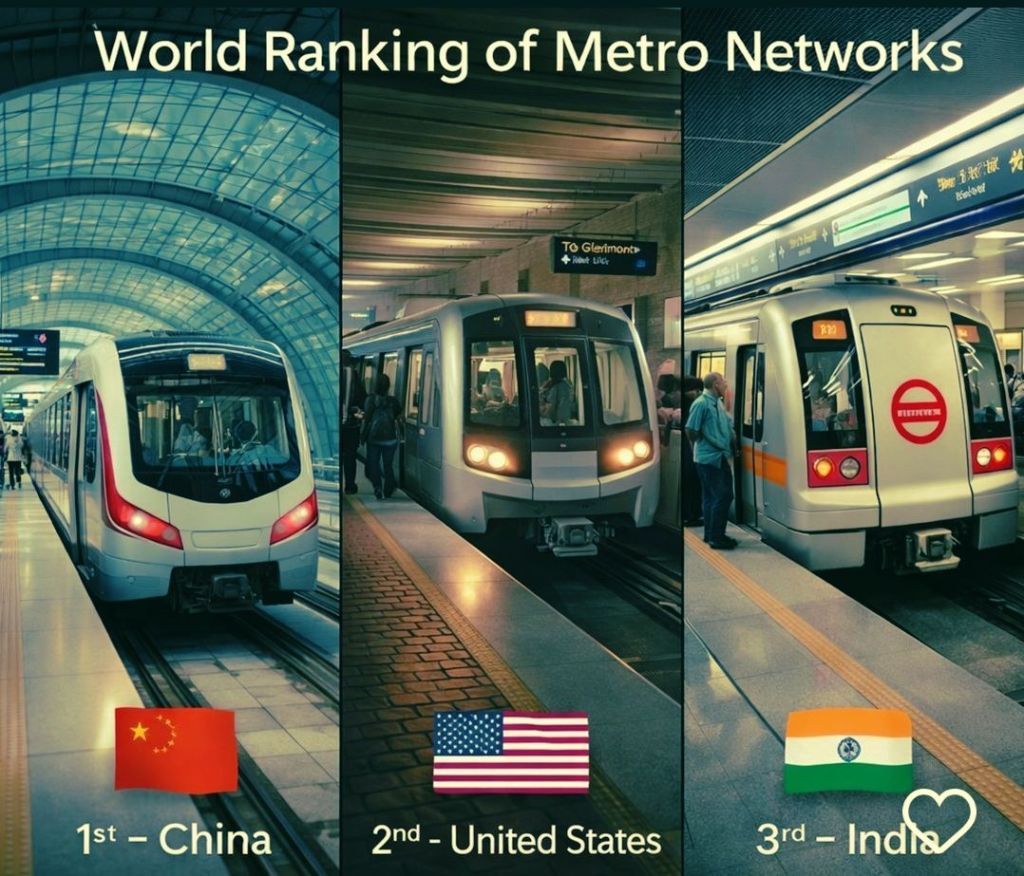
By 2025, India is projected to cross nearly 2,000 kilometres of operational metro rail tracks across 26 cities, positioning itself as the third-largest metro network in the world. It is the kind of statistic that triggers applause, national pride, and infrastructure bragging rights. From Delhi’s dense web to Mumbai’s expanding lines, Bengaluru’s corridors, and newer systems in cities like Agra, Surat, Bhopal and Patna, India appears to be engineering an urban mobility revolution at continental scale. Yet the uncomfortable truth is this: metros are not trophies. They are instruments of productivity. The real measure of success is not kilometres built, but time saved, congestion reduced, and commuter behaviour transformed. Otherwise, metros risk becoming expensive steel monuments to ambition.
In urban economics, mobility is destiny. Cities rise or fall depending on how efficiently people can move between homes, jobs, schools, markets, and hospitals. India’s urbanisation is colliding with a dangerous imbalance: vehicle ownership is rising sharply, far faster than population growth, while road capacity remains finite and poorly managed. The results are already visible—gridlock, pollution, rising accident rates, and a growing epidemic of wasted hours. In such a context, the metro boom is not merely impressive; it is necessary infrastructure for national competitiveness. But necessity does not guarantee effectiveness. A metro line can exist and still fail to function as a true mobility backbone.
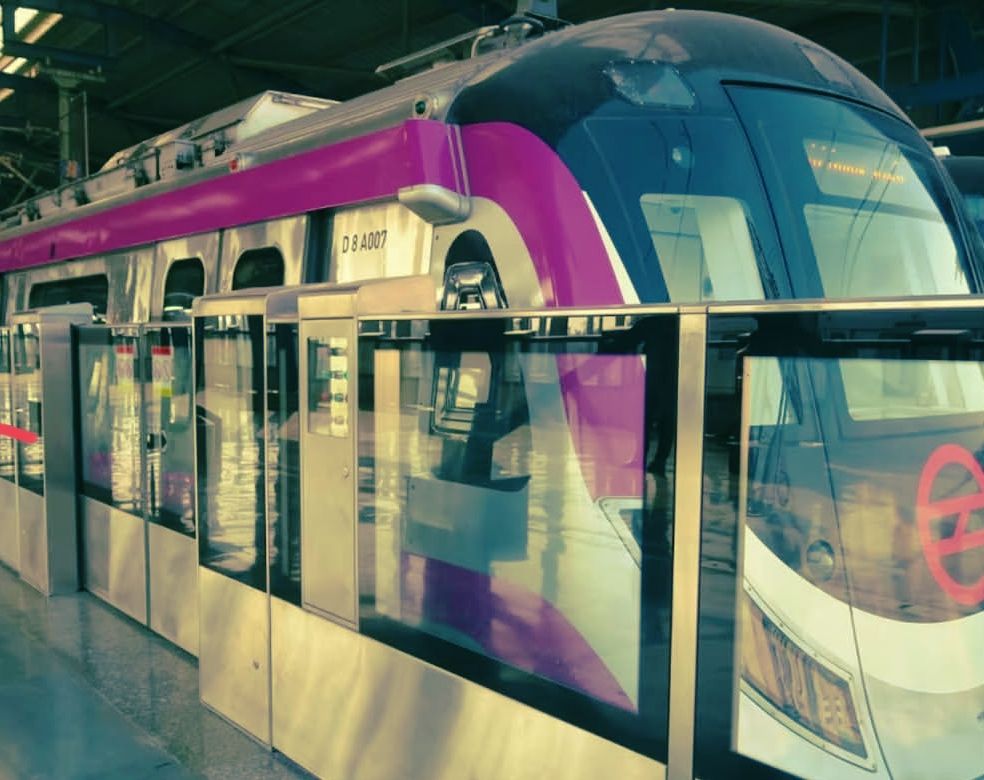
The most revealing evidence lies in ridership performance. Reports indicate that many metro systems operate at only 25–30% of the ridership projected in their DPRs. Delhi stands apart largely because it has achieved what most other cities have not: the network effect. With a vast track length, multiple interchange stations, and integrated corridor density, Delhi Metro is not a showcase—it is a daily dependency. Most other metros remain corridor projects rather than citywide systems, meaning they cannot generate commuter habit at scale. A metro without network density behaves like a luxury option: useful occasionally, but not indispensable.
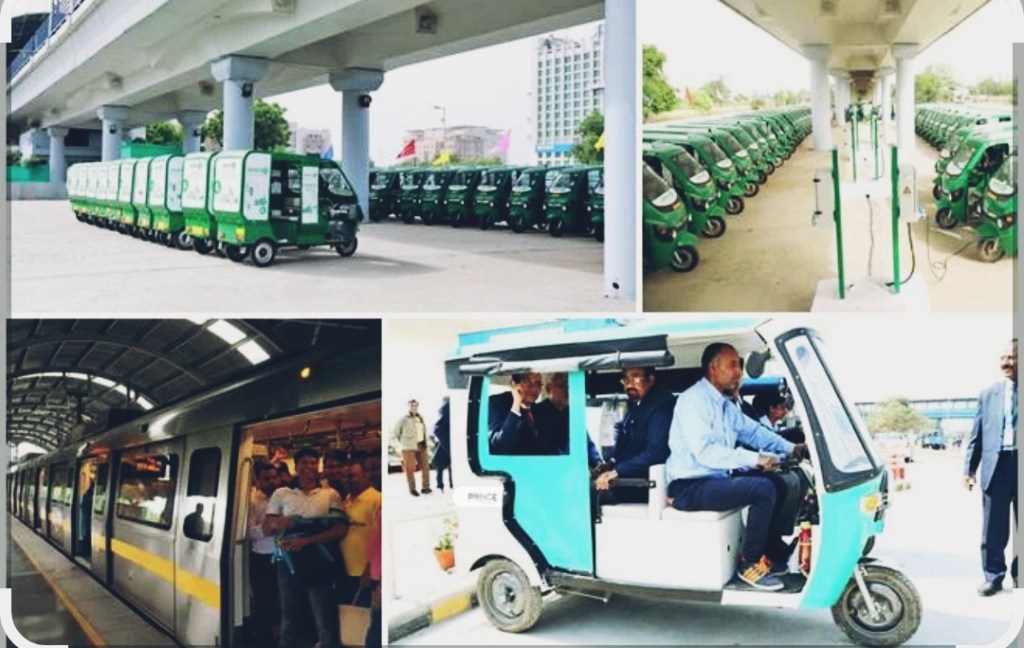
The biggest reason for this underperformance is brutally simple: metros are built in isolation. Stations are inaugurated, trains are polished, and ribbon-cutting becomes the climax, but the supporting ecosystem—feeder buses, safe pedestrian access, cycling infrastructure, proper interchange design, and reliable last-mile connectivity—remains absent or weak. A metro is not a transport mode; it is a transport chain. If the first and last kilometre is inconvenient, unsafe, or humiliating, commuters will not abandon their two-wheelers and cars. The irony is painful: India has built world-class stations, but commuters often reach them through broken footpaths, chaotic junctions, and unsafe crossings. The metro is modern. The approach road is medieval.
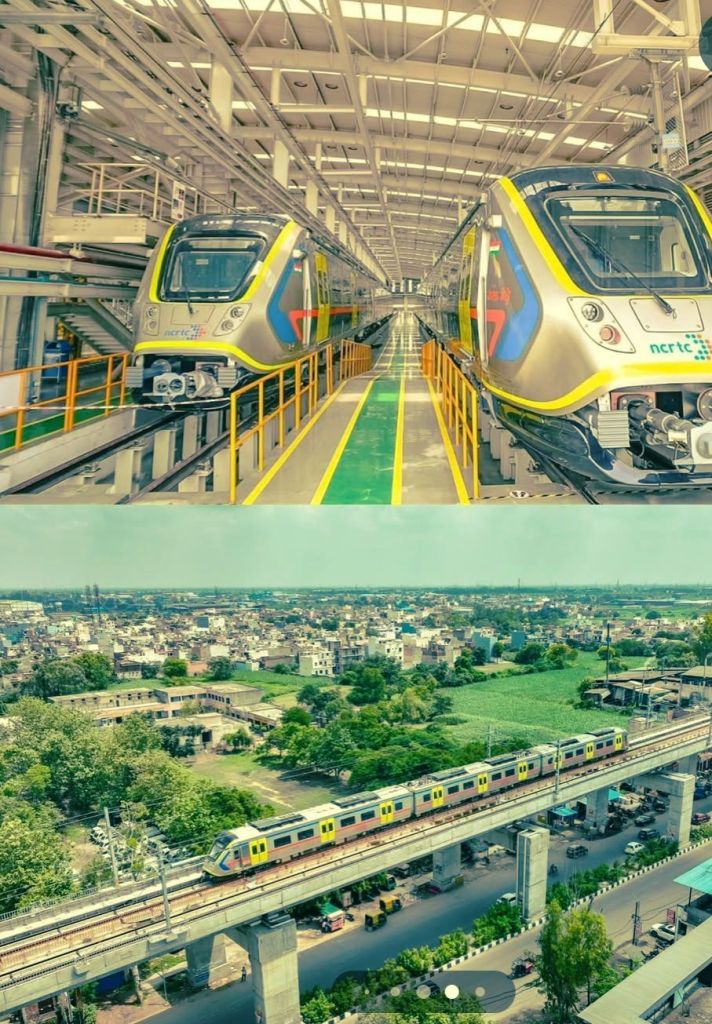
This exposes India’s most damaging urban contradiction. Indian cities still have a high walking mode share—roughly one-third of daily trips happen on foot—yet pedestrian infrastructure is treated like an afterthought. Footpaths are encroached, discontinuous, or absent. Street design prioritises vehicle speed over human safety. The first casualty of this planning culture is metro ridership itself, because a commuter is not travelling “by metro alone.” They are walking to the station, navigating access points, waiting, transferring, and walking again at the destination. If this chain is broken, the metro becomes irrelevant—especially for women, the elderly, and lower-income groups who depend on safe, predictable public spaces.
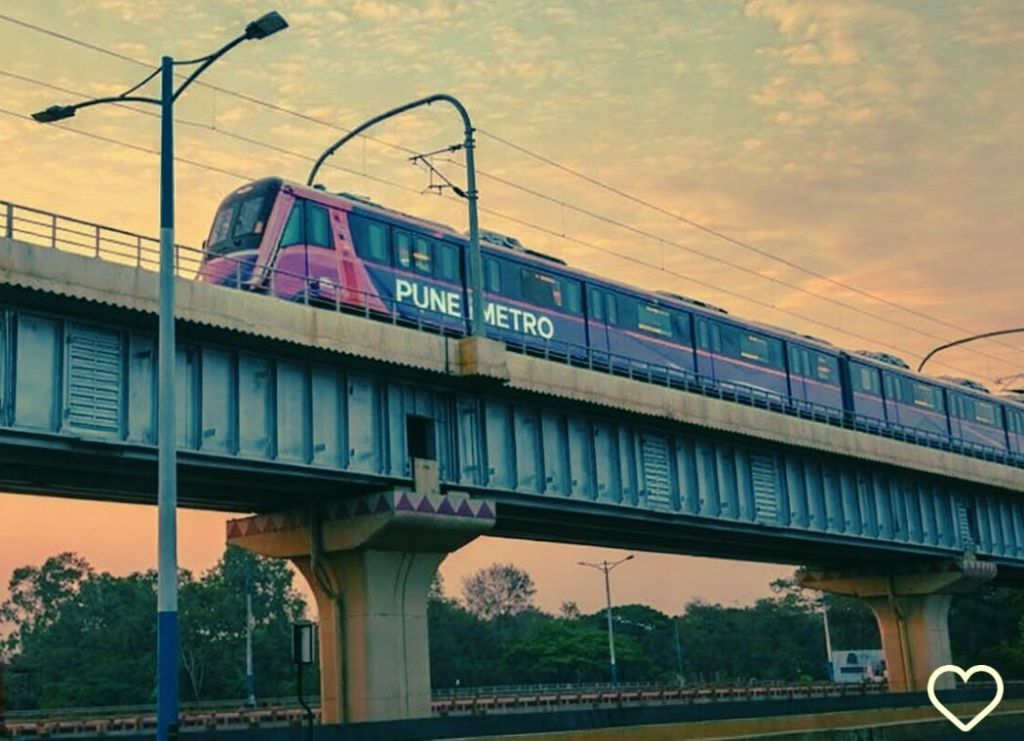
The second constraint is behavioural and aspirational. Private vehicles in India represent not just convenience but status, autonomy, and dignity. Cars and two-wheelers offer flexibility that public transport often fails to match. Therefore, metros cannot succeed through engineering alone; they require a push-and-pull strategy. High-quality public transport must be matched with demand management: parking restrictions near metro corridors, rational road pricing, congestion controls, and enforcement against illegal encroachments. Without these, metros end up competing against heavily subsidised private mobility and lose. Even worse, the DPR projections often collapse because they assume transit-oriented development, feeder systems, and multimodal integration—assumptions that remain on paper while concrete is poured elsewhere.
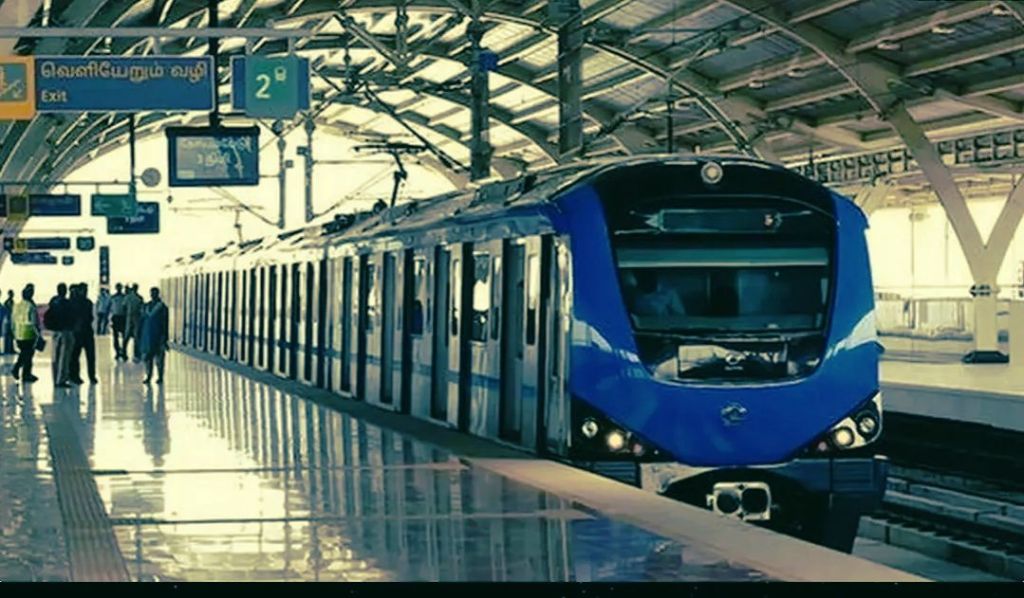
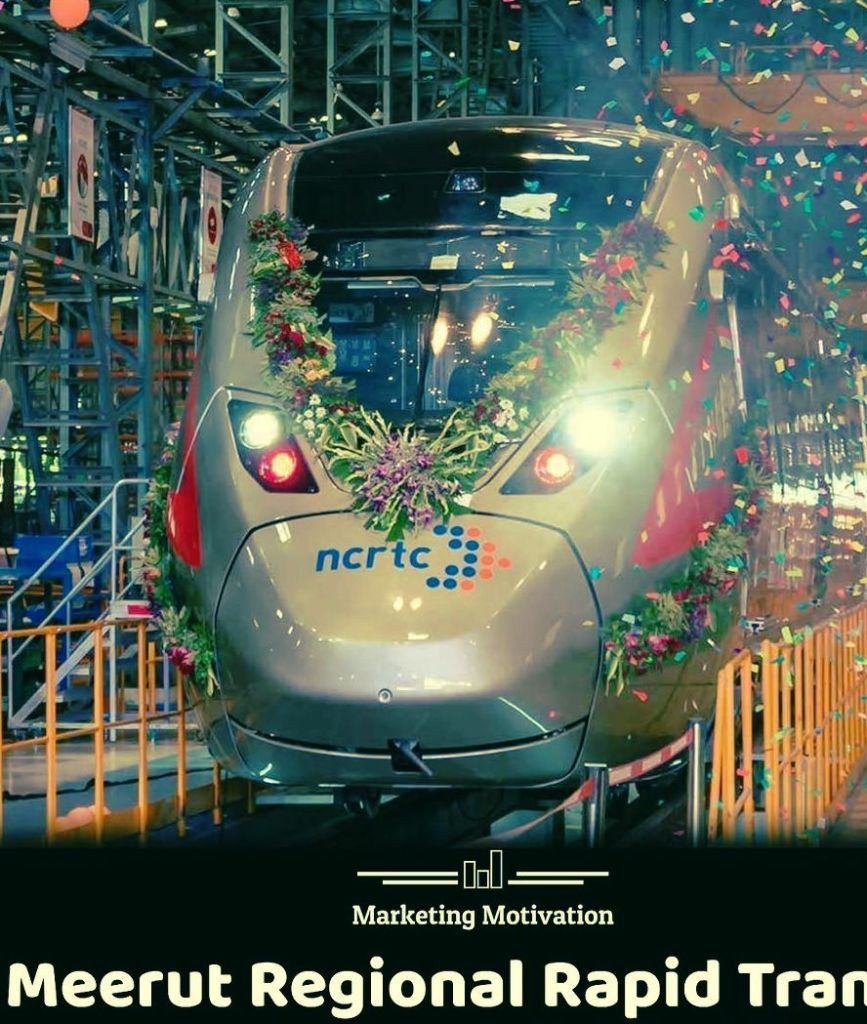
Ultimately, the metro crisis is not a technology problem—it is a governance problem. Urban transport in India is fractured across multiple agencies: metro corporations, municipal bodies, traffic police, road authorities, bus corporations, and planning departments, each acting in silos. One agency builds a station; another designs a high-speed road that makes walking to it suicidal. Bus stops are shifted away. Auto stands are removed. Commuters are left stranded between departments that do not coordinate. This is why Unified Metropolitan Transport Authorities are no longer optional reforms but survival mechanisms. If India builds metros without building integration—walkable streets, feeder buses, fare integration, and unified planning—then the country will achieve a historic milestone: the world’s third-largest metro network, and possibly the world’s largest collection of underused stations.
VISIT ARJASRIKANTH.IN FOR MORE INSIGHTS


One response to “India Built 2,000 km of Metro… But Forgot to Build the City Around It !!”
Very aptly analysed public transport system We welcome more such content
LikeLike