India did not merely download WhatsApp; it surrendered to it. What began as a simple chat application slowly evolved into the country’s invisible operating system for daily life. Weddings are negotiated inside family groups, school instructions arrive through class broadcasts, bank updates travel via WhatsApp forwards, businesses run customer service without call centres, and entire neighbourhoods conduct their loudest democracy inside resident groups. WhatsApp did not become powerful because it entertained people. It became powerful because it replaced coordination itself. And once a platform becomes the default mechanism of human functioning, it stops being an app. It becomes infrastructure. That is precisely where the danger begins, because infrastructure is not supposed to behave like a private landlord. Yet WhatsApp increasingly does.

The first stage of WhatsApp’s dominance was not technological innovation; it was behavioural conquest. It arrived at a time when SMS was expensive and calls were rationed like luxury. WhatsApp offered unlimited messaging at near-zero marginal cost and packaged it with a clean, ad-free interface that looked almost ethical compared to the noisy world of social media. The platform didn’t shout for attention. It quietly embedded itself into daily habits—first messaging, then group chats, then media sharing, then WhatsApp Web, then voice and video calls. Slowly, Indians were trained to treat WhatsApp not as one choice among many but as the default gateway to human coordination. Its brilliance lay in how smoothly it turned convenience into dependency. By the time people realized they were addicted, quitting felt like amputating social life.
Then came the deeper and more alarming development: the silent institutional collapse of governance communication. During Covid, WhatsApp became the de facto channel for health updates, vaccine coordination, and community information. Banks, schools, police stations, local officials, and welfare networks began leaning on it as an unofficial service pipeline. This outsourcing happened without public contracts, without service guarantees, and without any accountability mechanism. A foreign private platform became the informal communication backbone of Indian civic life. This was not innovation; it was digital surrender. A state that regulates petrol pumps, ration shops, and municipal tenders with obsessive paperwork casually allowed a private platform to become a parallel ministry of communication without demanding transparency, fairness, or citizen protection.

The trap tightened the moment WhatsApp shifted from free utility to monetised empire. The arrival of WhatsApp Business looked friendly and empowering—catalogues, automated replies, business profiles, small entrepreneur tools. But this was merely the sugar coating. The real machinery was the Business API ecosystem: conversation-based pricing, marketing charges that can approach ₹1 per message cycle, and intermediaries that add their own markups. In plain terms, WhatsApp is no longer merely hosting communication. It is charging rent for access to customers. Small Indian entrepreneurs who once built entire micro-economies through free WhatsApp engagement are now being pushed into a toll-based ecosystem where growth depends on how much “Meta rent” they can afford. This is classic corporate colonization: first build dependency through free access, then monetize the dependence through paid gateways.

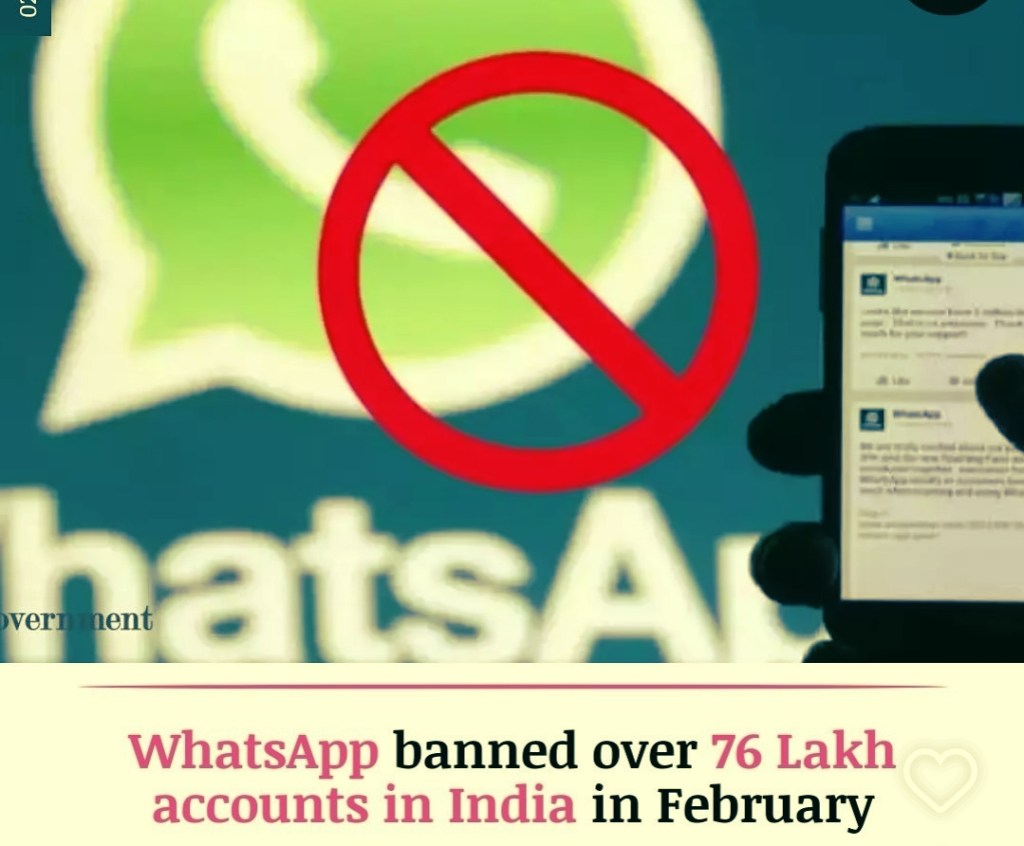
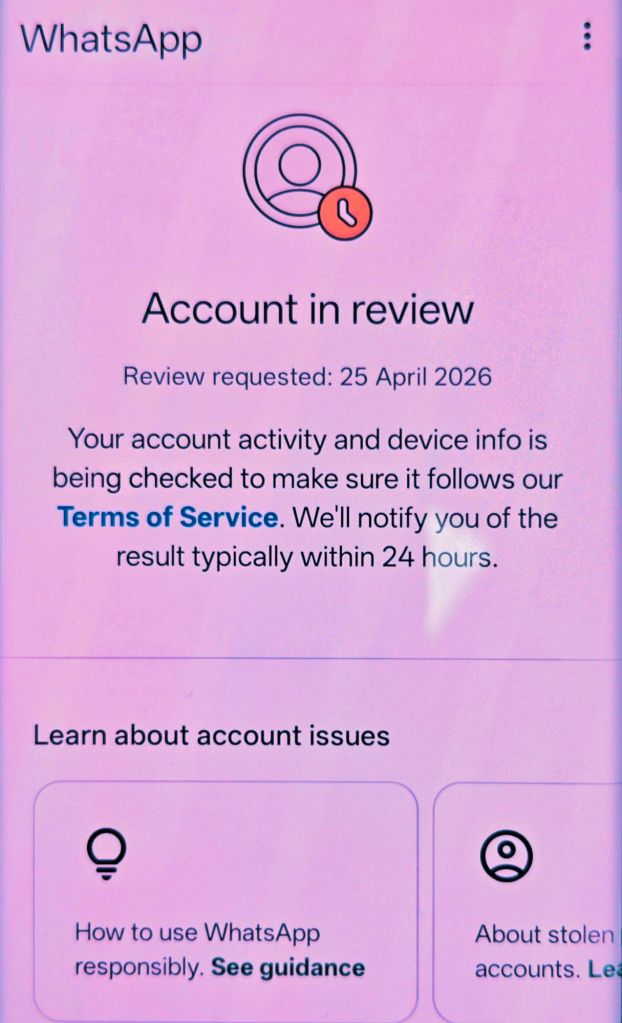
But the most dangerous weapon is not pricing. It is fear. WhatsApp’s account-banning culture has introduced a new kind of digital terror: algorithmic punishment without due process. In January 2026 alone, WhatsApp reportedly banned over 8 million Indian accounts. The number is staggering, but the method is worse. Many bans occur without complaint, without warning, and without meaningful human review. In the old world, if your phone line was disconnected, you could visit the telecom office and demand answers. In the WhatsApp world, you are judged by an invisible machine and told to “request review” like a beggar asking permission to exist. This is not content moderation. It is digital authoritarianism disguised as “community standards.” A platform that controls daily life has quietly acquired the power to erase people from communication overnight.
And this is where the suspicion becomes unavoidable: the ban culture is not only about safety enforcement. It increasingly resembles commercial pressure. When WhatsApp blocks accounts irrationally, it destabilizes users and businesses, creating panic and helplessness. A small trader losing WhatsApp access does not lose an app; he loses his customers, suppliers, logistics coordination, and daily income. A housing society admin loses community control. A school loses its communication pipeline. A doctor loses patient follow-ups. The platform has effectively made itself so essential that a ban feels like social exile. Once people experience that trauma, they become more willing to seek “verified” pathways, business API accounts, paid solutions, or platform-approved systems. This is not direct extortion, but it is extortion economics: not demanding money openly, but making survival expensive.

The most cynical layer of this system is WhatsApp’s growing push toward payments. WhatsApp Pay remains underutilized compared to UPI giants, yet the company continues nudging users toward payment integration—recharges, merchant features, payment prompts—while tightening controls over messaging behaviour. The pattern is disturbingly familiar: restrict the free layer, destabilize access, and then market the paid ecosystem as the safer and more stable alternative. In physical terms, it is like blocking a public road and then offering a private toll bridge as “premium convenience.” Users do not shift to the paid ecosystem out of love. They shift out of fear. That is not market competition. That is coercion engineered through dependency.

The tragedy is not only WhatsApp’s strategy. The tragedy is India’s silence. WhatsApp operates like a near-monopoly communication utility, yet it provides no meaningful customer support, no transparent grievance redressal, no independent oversight, and no constitutional accountability. The platform behaves like public infrastructure but is treated legally like a private toy. This is regulatory blindness in the digital age. India urgently needs digital consumer rights protections that enforce warning systems before bans, mandate transparent reasons for action, create time-bound grievance redressal, and establish independent appeal mechanisms with human review. No society can allow a private platform to function like an invisible government—punishing citizens instantly, controlling communication channels, and offering no accountability.

WhatsApp’s story in India is no longer a technology success story. It is a power story. It is the story of how a free chat app quietly became a habit, then a dependency, then an institutional necessity, and finally a monetisation weapon. Today, WhatsApp resembles less a messenger and more a mafia system: first offering protection for free, then charging for peace, and finally punishing those who do not comply. India must wake up before its citizens are forced to pay not for communication, not for convenience, but for something far more humiliating—permission to exist digitally.
VISIT ARJASRIKANTH.IN FOR MORE INSIGHTS

