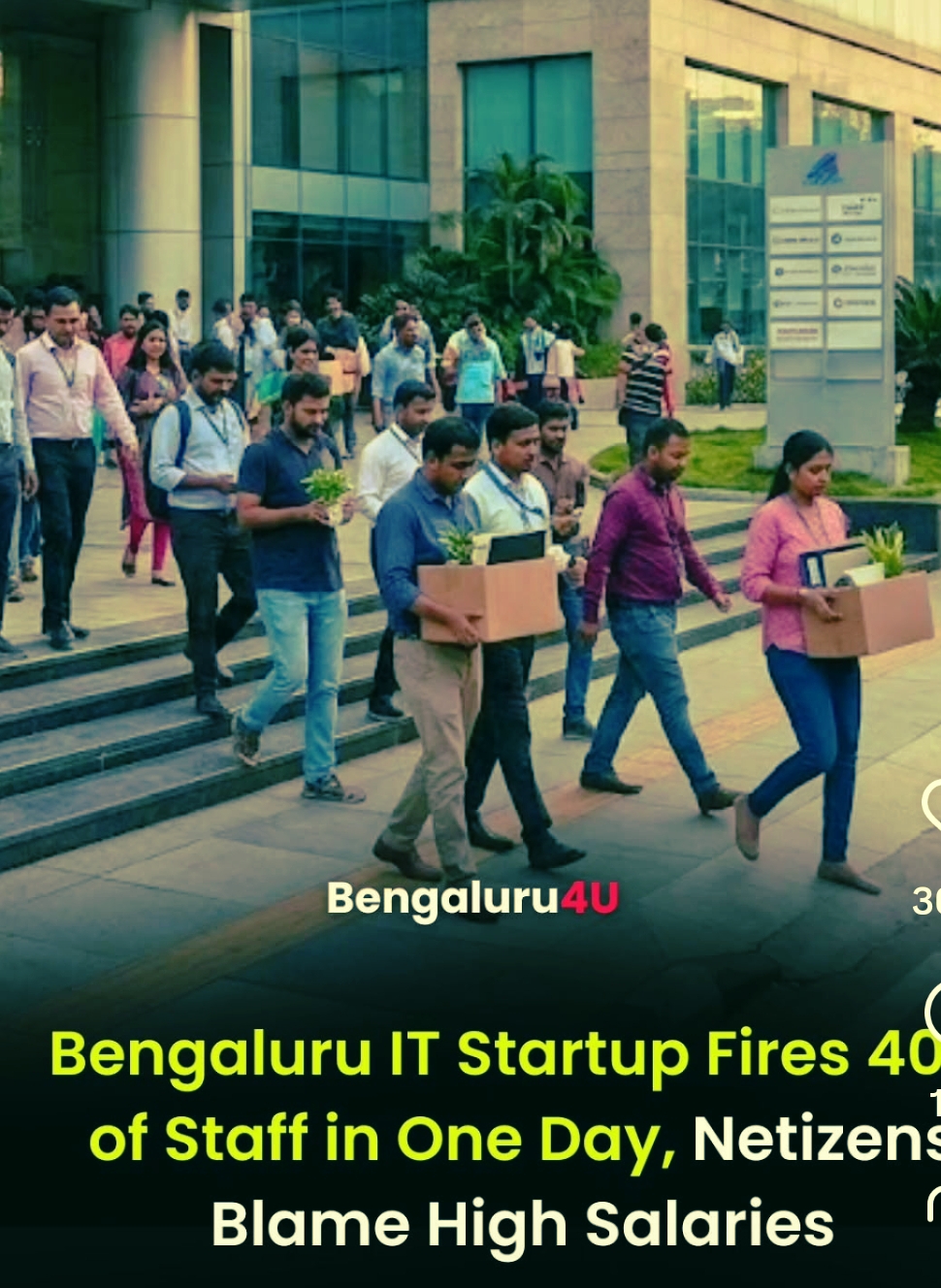
Modern corporate offices appear like monuments to human advancement—glass façades, ergonomic chairs, cafeteria cuisine, wellness corners, and motivational slogans designed to manufacture belonging. Yet beneath this polished architecture lies a quieter truth: the corporate workplace has evolved into a high-performance battlefield where productivity is worshipped, personal life is treated as negotiable collateral, and burnout is often rebranded as “lack of resilience.” The workplace does not always look violent, but it often feels violent—psychologically, emotionally, and socially.
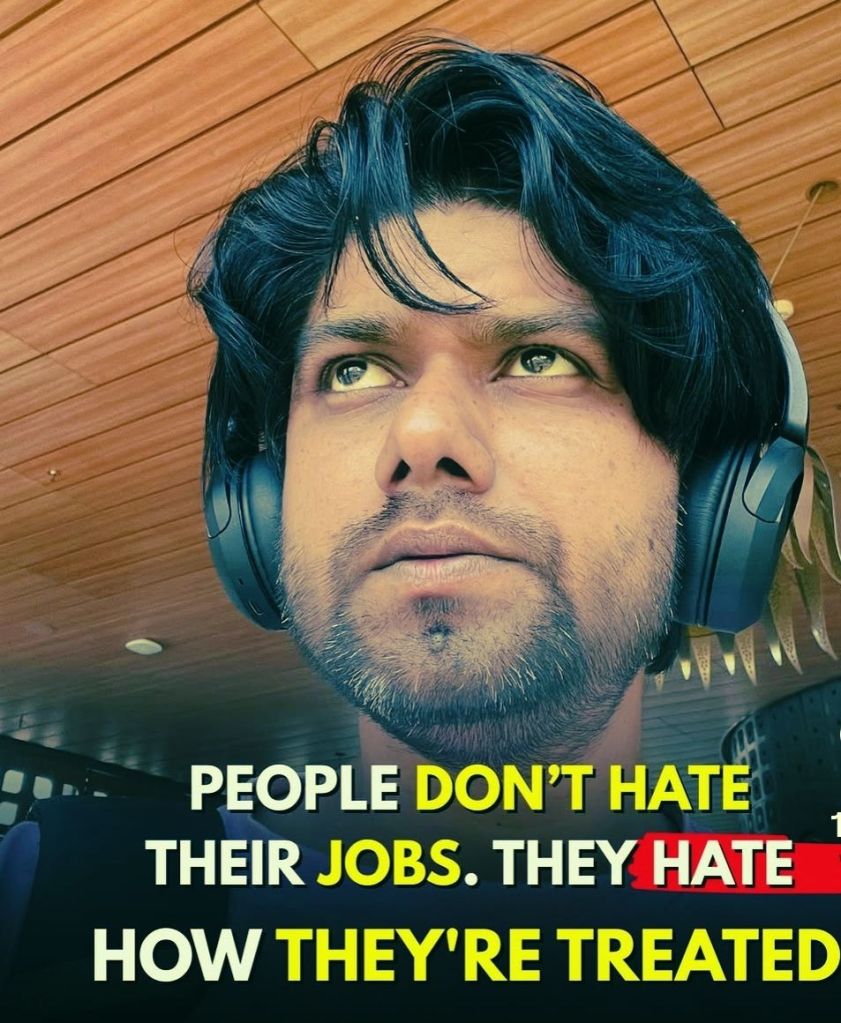
One does not require whistle-blowers to decode this reality. Attrition data is itself an institutional confession. When turnover rates hover around 15–17%, it is not merely an HR metric—it is a cultural diagnosis. A 15.9% turnover rate is not just people leaving jobs; it is continuity leaking out of the system—loyalty, institutional memory, mentorship chains, and emotional investment. A workplace that loses employees at this pace begins to resemble a transit station, not a destination. People enter, learn, survive, and exit before the environment consumes their health.
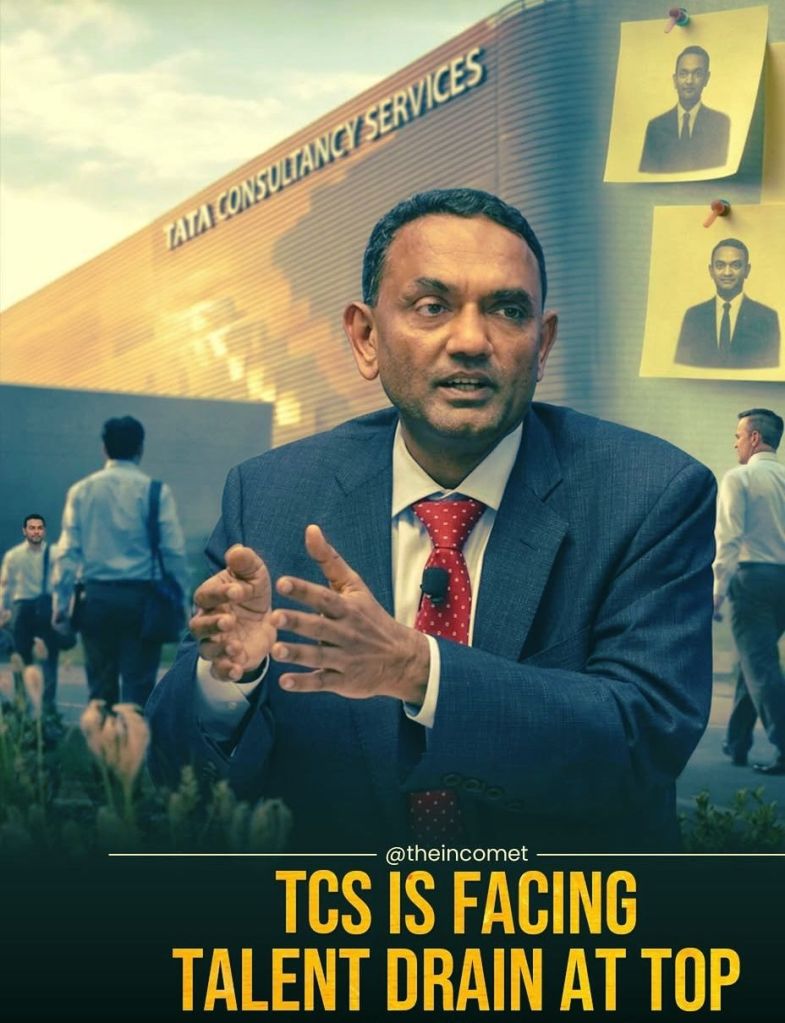
This has created what can be called the “steppingstone economy,” where companies unintentionally train talent for competitors. Younger professionals, particularly those below 30, display the highest mobility, because ambition meets an ecosystem where performance is not encouraged—it is extracted. For women, the equation is harsher. Despite corporate diversity slogans, real systems still struggle to absorb maternity, caregiving responsibilities, and social expectations. The result is predictable: talent is not leaving because of lack of ambition, but because the workplace refuses to evolve beyond its outdated assumptions about human capacity.
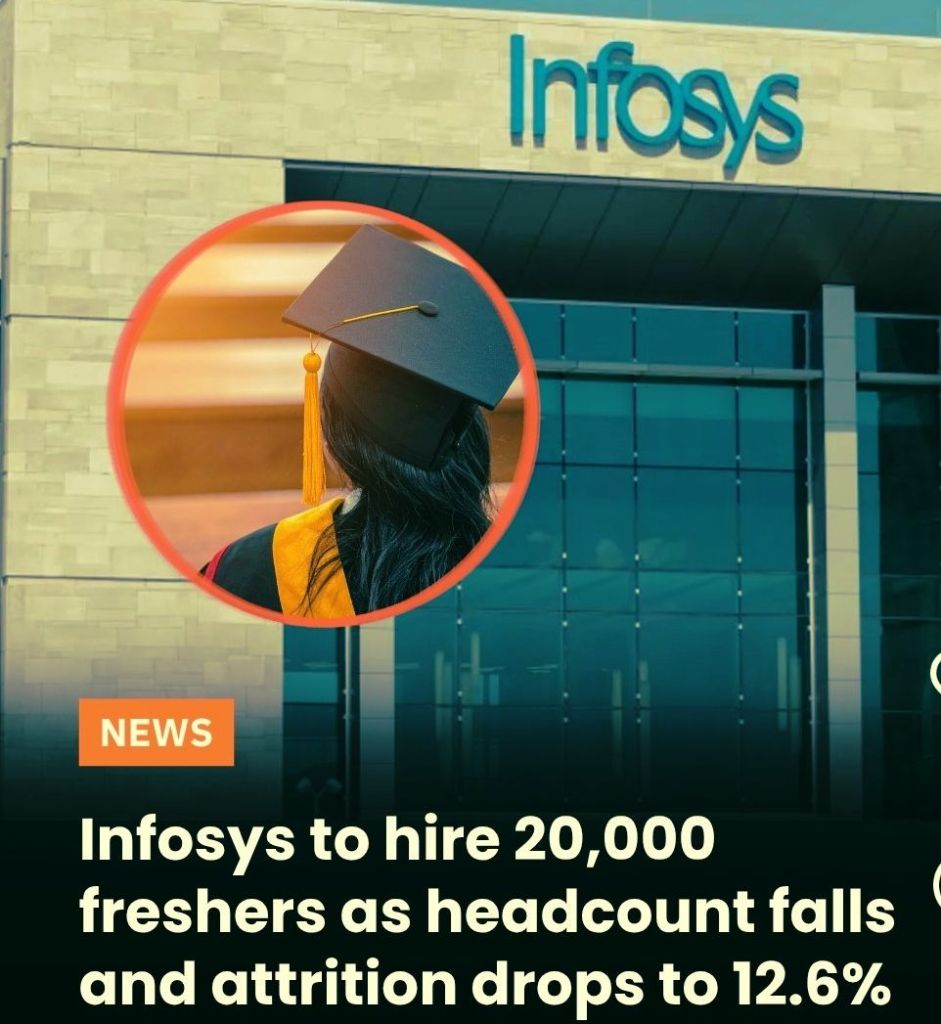
The most disturbing contradiction is the widening gap between corporate narrative and lived experience. Leadership language celebrates empowerment, collaboration, and people-first culture. Yet in execution-driven environments, the operational philosophy is brutally different: deadlines first, wellbeing later. Targets become religion, and anxiety becomes a leadership style. Worse, anxiety does not remain in boardrooms—it travels downward like electricity through the hierarchy, turning managers into pressure-transmitters and junior employees into shock absorbers. Stress becomes not an accident, but a design.
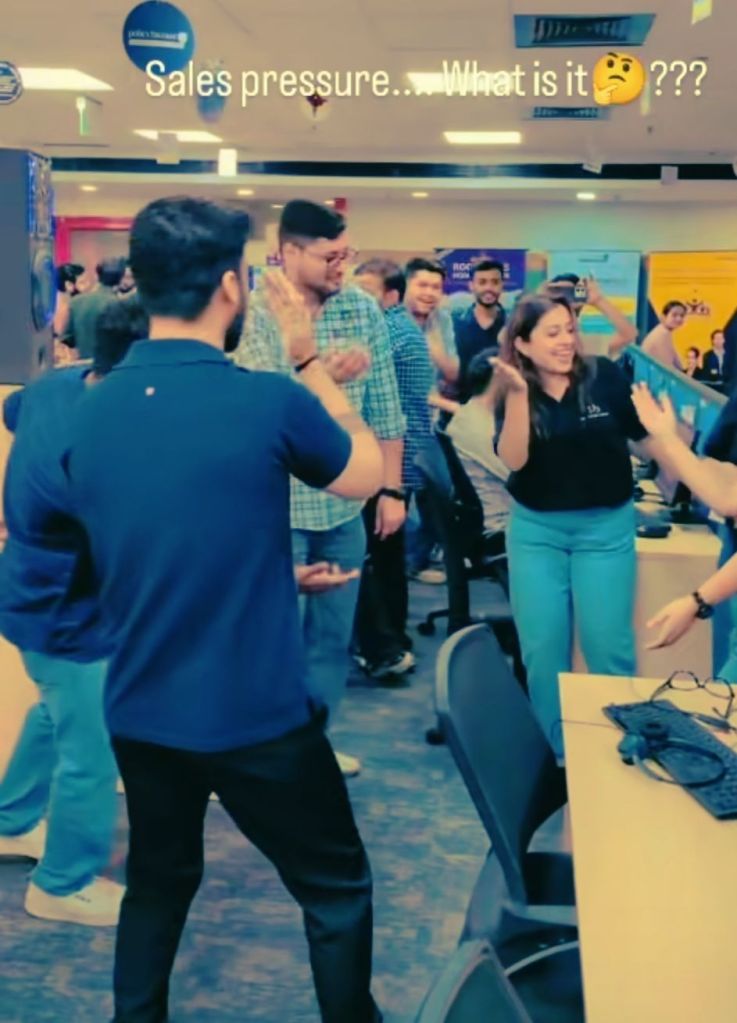
This is where corporate suffering becomes institutional. Middle managers are the most fragile link, trapped between impossible targets from above and exhausted teams below. Attrition among employees aged 30–50 is especially revealing: these are not untrained workers, but the operational spine of the enterprise. When they exit, it signals not laziness but fatigue—because this group is balancing career ambition with EMIs, children, ageing parents, health, and emotional obligations. In such a reality, resignation is often not career mobility; it is psychological self-preservation.
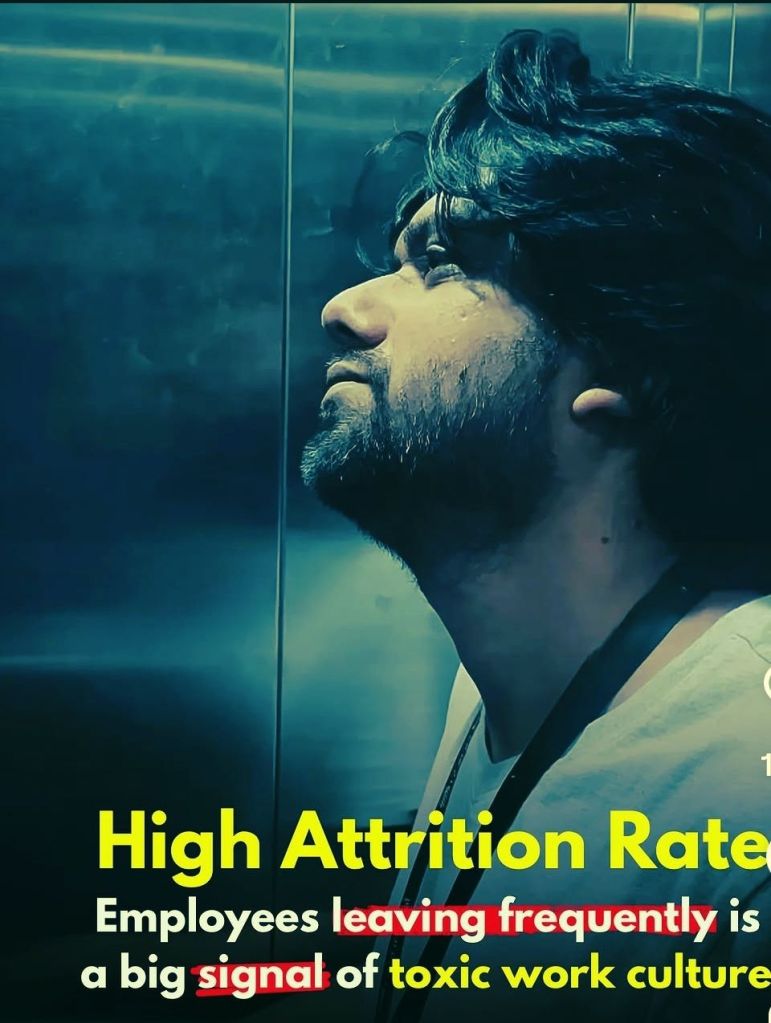
The deeper tragedy is the corporate normalization of a dangerous definition of commitment. Commitment is increasingly measured not by quality of output, but by availability. Late-night calls, weekend “quick alignments,” and urgent tasks disguised as routine updates have become the new normal. Employees do not enjoy weekends anymore; they experience delayed anxiety. The phone becomes a portable office, and the mind never fully exits work mode. Work-life balance is not destroyed dramatically—it is eroded silently, until people forget what balance even felt like.
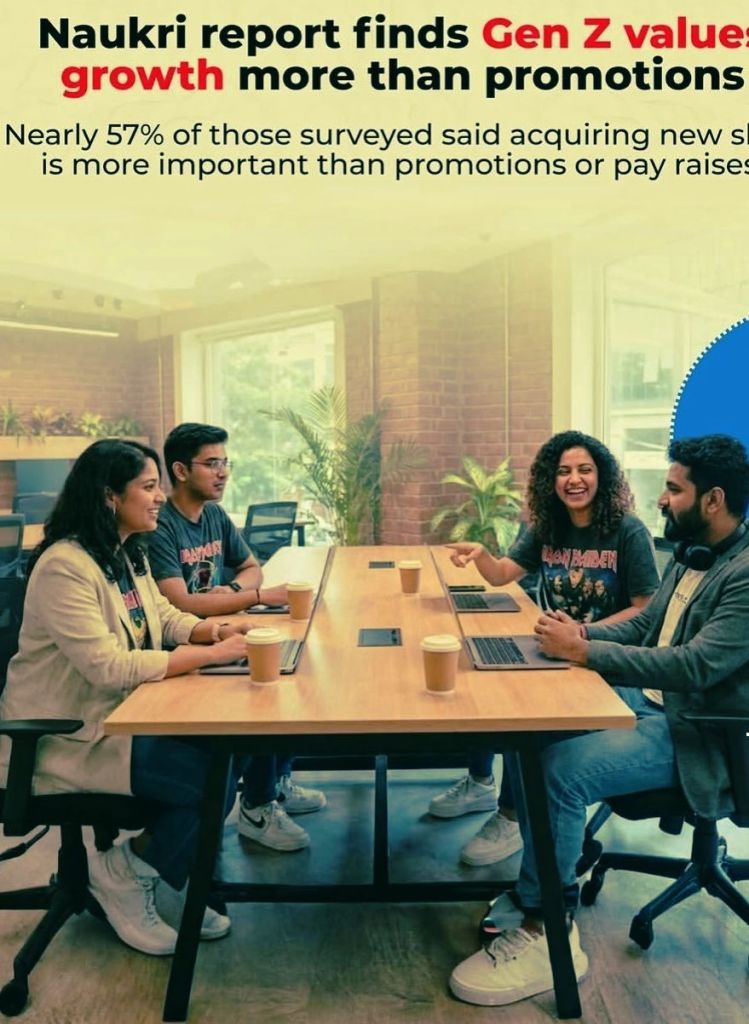
If corporate offices want to become genuine institutions of progress, they must confront the real disease: stress transmission and toxic urgency. HR cannot remain an exit-interview department; it must become an early-warning system. Leadership must reward humane management, not just aggressive execution. Companies must build cultures where leaving is not treated as betrayal, but as a professional transition—because respect creates alumni, while bitterness creates critics. Ultimately, the greatest corporate myth is that employees leave because they are weak. The truth is sharper: many leave because the workplace forgot that humans were never designed to live inside deadlines.
VISIT ARJASRIKANTH.IN FOR MORE INSIGHTS
 SOCIAL PERSPECTIVES