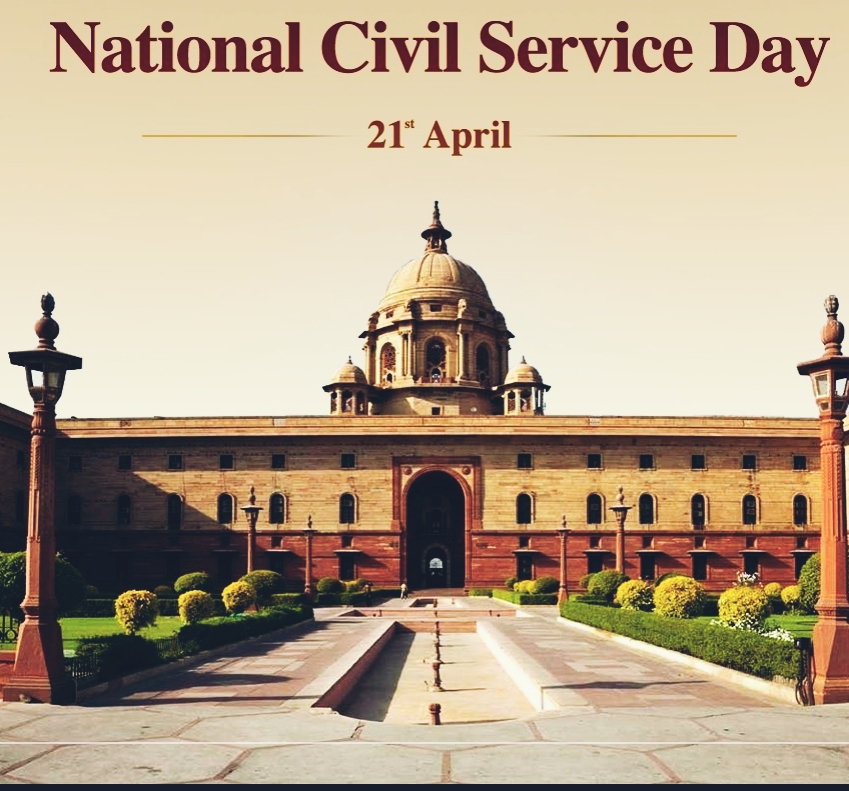
India’s civil servants are born twice: once in their family, and once in the merit list. The first birth gives them identity; the second grants them authority. Yet somewhere between the celebration of selection and the silence of retirement, the Indian civil servant becomes a paradox—highly educated, highly trained, highly visible, and yet deeply isolated, chronically stressed, politically cornered, and increasingly detached from the very citizens they were meant to serve. The tragedy is not that the system fails to produce talent. The tragedy is that it produces talent and then slowly drains its humanity.

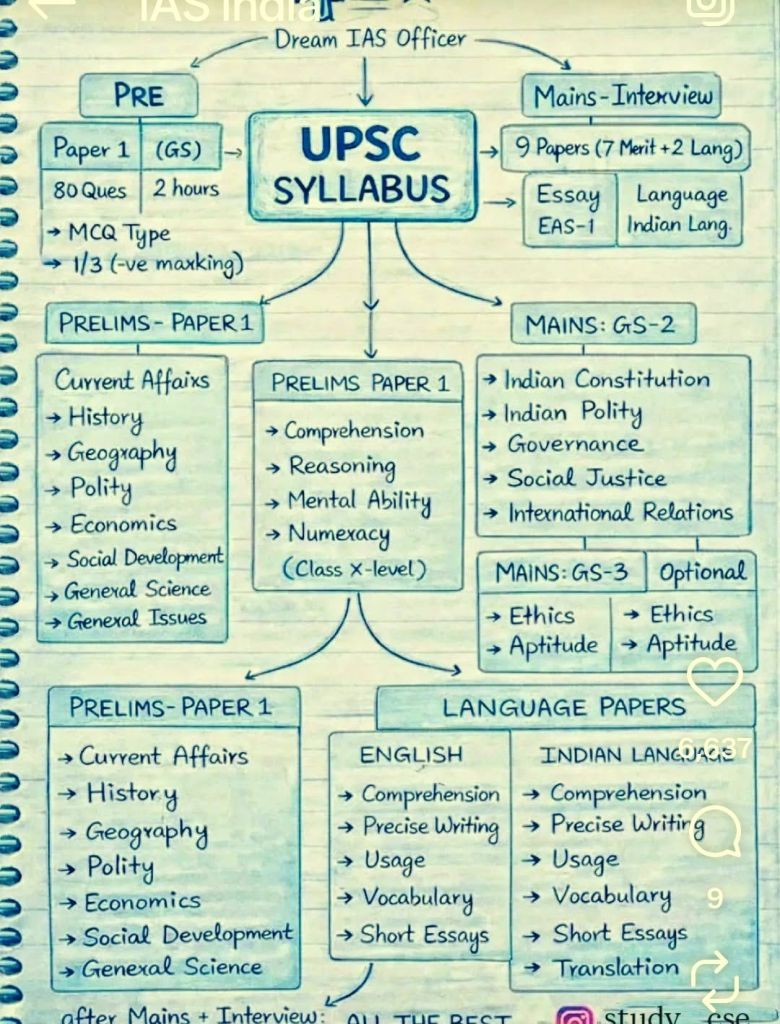
The journey begins with a recruitment process that is globally admired and domestically worshipped. The competitive examination is not merely a test; it is a cultural obsession where youth is exchanged for hope and family expectations become sacred burdens. The selection process filters for analytical intelligence, memory, articulation, and endurance. But it does not filter for empathy, patience, emotional stability, or the capacity to absorb public anger without internal collapse. The result is predictable: the Republic recruits brilliant minds, but often emotionally untrained personalities.
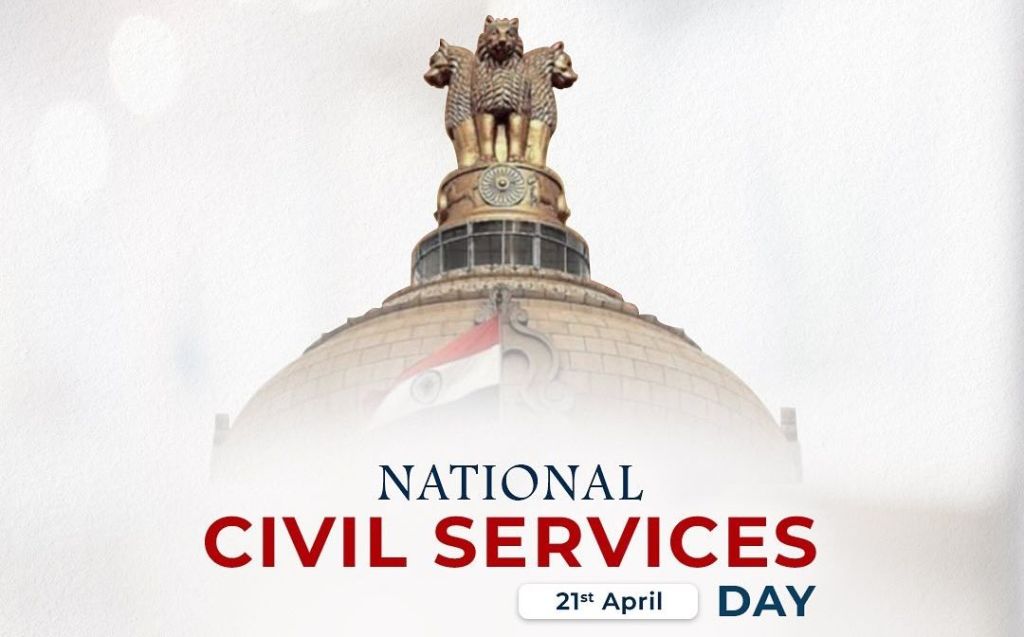
Then comes the academy phase, where the State stamps authority onto the recruit. Discipline is polished, confidence is manufactured, and the mythology of the “steel frame” is reinforced through ceremonial culture. Yet this stage carries a hidden psychological cost. The parade grounds, etiquette drills, and officer-like conditioning often produce an invisible distance from ordinary life—a subtle superiority that is not always taught, but is quietly absorbed. The young officer begins to believe that he is not merely employed by the Republic; he is the Republic. This is where humility becomes optional and detachment becomes a habit.
Reality arrives in the first district posting like a cold slap. The officer steps out of controlled training into chaotic governance: broken roads, overcrowded hospitals, angry farmers, dysfunctional local bodies, and a public that expects miracles within weeks. Here the officer discovers the first brutal truth of Indian administration: authority is formal, but power is political. Rules exist, but networks decide. Files move, but influence moves faster. The district becomes a classroom where idealism is tested not by problems, but by pressures—and stress stops being an episode and becomes a permanent lifestyle.
From this point onward, governance becomes a continuous stress-test loop. Targets must be achieved, reviews must be attended, narratives must be managed, and political expectations must be satisfied. Administration gradually shifts from solving problems to surviving optics. The officer learns that upward management is rewarded more than downward service. Over time, the citizen becomes an “issue” while political comfort becomes a “priority.” Not because officers are weak, but because institutions punish those who insist on being strong in the wrong direction.

Transfers then emerge as the system’s most brutal weapon. An officer can spend months understanding a district’s complexities only to be uprooted overnight due to political discomfort or bureaucratic rivalry. This destroys continuity, kills motivation, and trains officers to stop investing emotionally in their work. When stability disappears, sincerity becomes irrational. The safest posture becomes neutrality—avoid controversy, avoid innovation, avoid confrontation. In a democracy, neutrality is necessary; in excess, it becomes administrative cowardice disguised as professionalism.

The appraisal structure deepens the distortion. Performance is measured through outputs—files cleared, meetings held, compliance reported. Outcomes such as reduced suffering, improved trust, and citizen satisfaction rarely enter the formal evaluation space. Empathy has no column. Accessibility has no score. Consequently, governance becomes an Excel-sheet culture: progress is recorded, but pain remains unchanged. Meanwhile, personal life becomes the most ignored casualty—long hours, crisis calls, and the inability to switch off create emotionally unavailable partners, distant parents, and exhausted individuals. The officer appears powerful in public, yet privately many live with loneliness, burnout, and silent identity collapse.
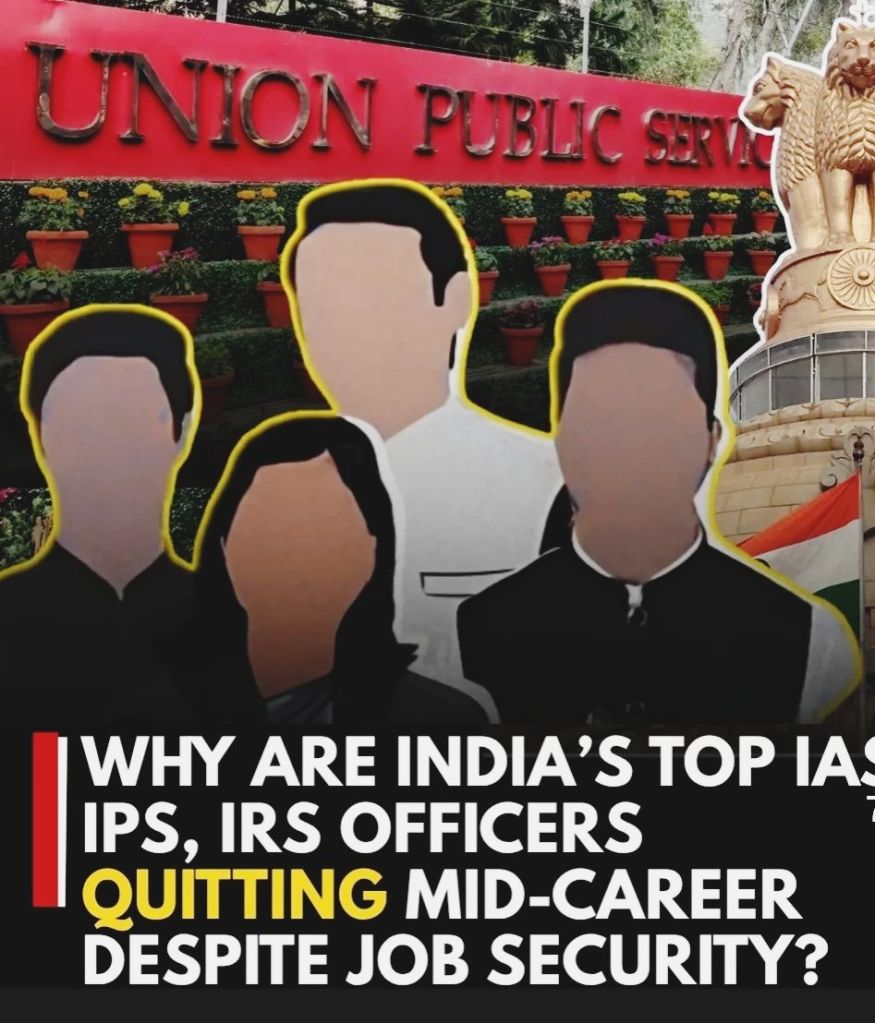
The way forward is not to romanticize civil services or demonize them, but to humanize them. Training must shift from parade culture to immersion culture. Transfers must be regulated through fixed tenures to restore accountability and continuity. Appraisal must include citizen feedback metrics, a genuine “People’s APAR” that rewards trust-building. Mental health must be institutionalized through confidential counselling, peer support, and family integration. Most importantly, the system must break the generalist trap by enabling early domain specialization so that competence becomes deep, not merely broad. Otherwise, the Republic will continue producing trophy candidates who slowly turn into transfer pawns—and retire as decorated files with exhausted souls.
VISIT ARJASRIKANTH.IN FOR MORE INSIGHTS

