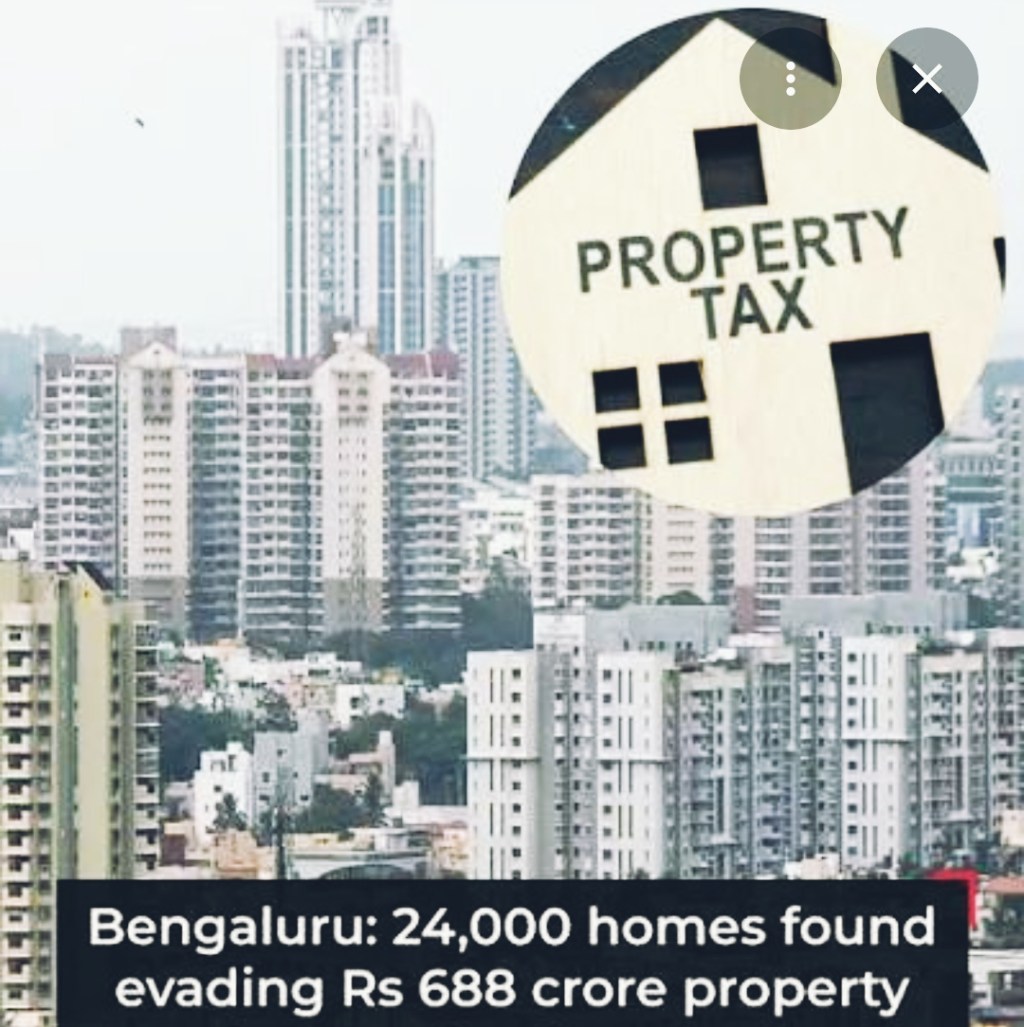
India’s metropolitan skyline now resembles a permanent construction festival. Glass towers rise where empty plots once stood, gated colonies expand like urban empires, and real estate prices behave as if they are driven by speculative rocket fuel. Yet beneath this visual triumph lies one of India’s most quietly irrational economic failures: urban local bodies are sitting on a mountain of private wealth, but collecting property tax like a bankrupt medieval kingdom. Our cities look global, but their finances remain feudal.
For nearly two decades, India’s property market has grown dramatically in value and volume. But property tax—the most stable, predictable, and locally accountable revenue stream available to a city—remains stuck at around 0.15% of GDP, a number that is not just low but globally humiliating. It is barely half of what even low-income nations manage and roughly a quarter of middle-income norms. Worse still, in 10 of India’s 24 largest cities, real per capita property tax collections have declined over the last decade. This is not a small governance defect. It is the fiscal equivalent of running an international airport on the revenue logic of a roadside tea stall.
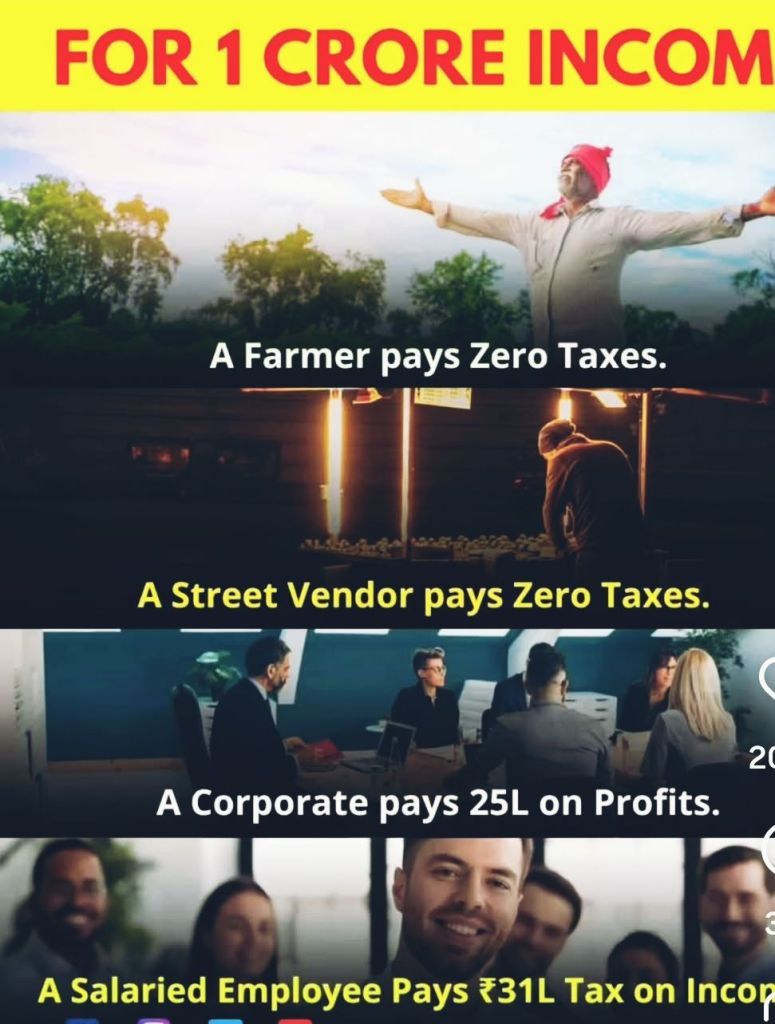
A working paper by Bapi Roy (CSEP) provides the sharpest diagnosis of this paradox: the money exists, the buildings exist, and the taxable base is exploding—but the institutional design is engineered for failure. India’s property tax crisis is not a technical puzzle. It is a structural illness rooted in political control, administrative weakness, and deliberate underdevelopment of local government. Cities are expected to deliver world-class infrastructure while being denied the financial oxygen needed to breathe.
The irony is that India already tried to solve this problem in 1992 through the 74th Constitutional Amendment, which promised genuine decentralisation by creating a third tier of government. Municipal corporations were meant to function as urban governments with elected councils, defined responsibilities, and independent revenues. In theory, this would have created city-level accountability: citizens pay taxes, and city governments deliver services. But in practice, India’s political reality never allowed urban autonomy to mature. State governments retained control over staffing, valuation rules, approvals, and even the timing of municipal elections. Municipal bodies were left responsible for roads, drains, sanitation, and water supply—but denied the authority and stability required to finance them. They became administrators of expectation, not governments of capacity.
Property tax was supposed to be the one exception. It is one of the few major taxes that naturally belongs to cities, and as other local taxes were absorbed into GST, property tax became even more central to municipal survival—often contributing nearly 30% of own-source revenue. Yet even this lifeline has been weakened at every stage through state interference and municipal incapacity. Roy simplifies the crisis into three sequential failures: identifying properties, valuing them, and collecting what is due. India collapses at all three stages, repeatedly and predictably.
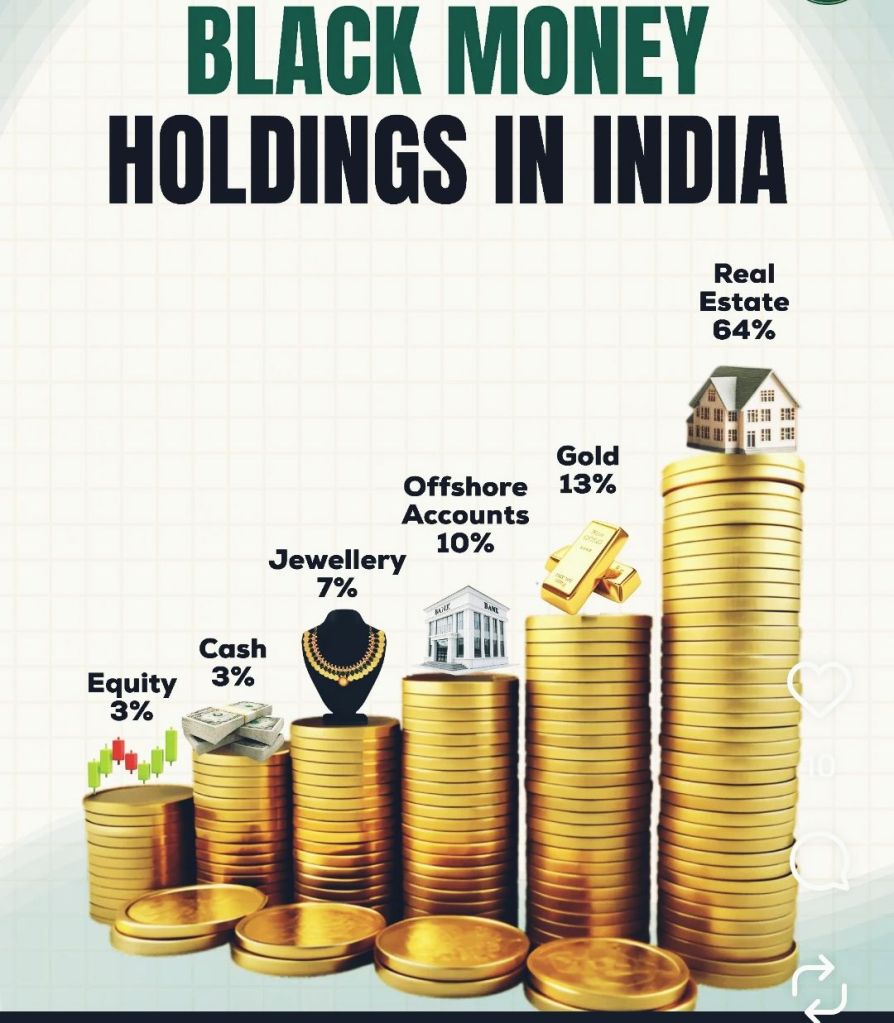
The first collapse begins at the most basic level: many cities do not even know how many properties exist within their jurisdiction. Property enumeration requires surveys, inspections, and continuous updating—exactly the kind of routine administrative work that underfunded municipalities cannot sustain. Bengaluru’s BBMP, for instance, is estimated to have 20 lakh properties listed against a real base of 42 lakh, meaning half the city is effectively invisible to taxation. Pune performs better at around 78–83% coverage, but even that means a large portion of the urban economy remains outside the fiscal map. Technology is often marketed as a magic cure, but GIS mapping is not a one-time miracle. Pune’s GIS reforms boosted property roll growth sharply, but such mapping must be repeated every few years. BBMP’s last remote-sensing survey was done over a decade ago. A smart system without human capacity is not reform—it is simply an expensive illusion.
The third stage—collection—exposes the same rot. Nominal revenues may rise, but collection efficiency has declined in several cities. Pune’s arrears have crossed ₹9,000 crore, while Ghaziabad’s collection efficiency fell from 60% to 50% over recent years. This is not merely citizen dishonesty; it is municipal weakness. When penalties are not enforced, defaulters are not tracked, and deterrence is absent, compliance becomes optional. A city that cannot enforce its own tax regime is not governing—it is requesting.
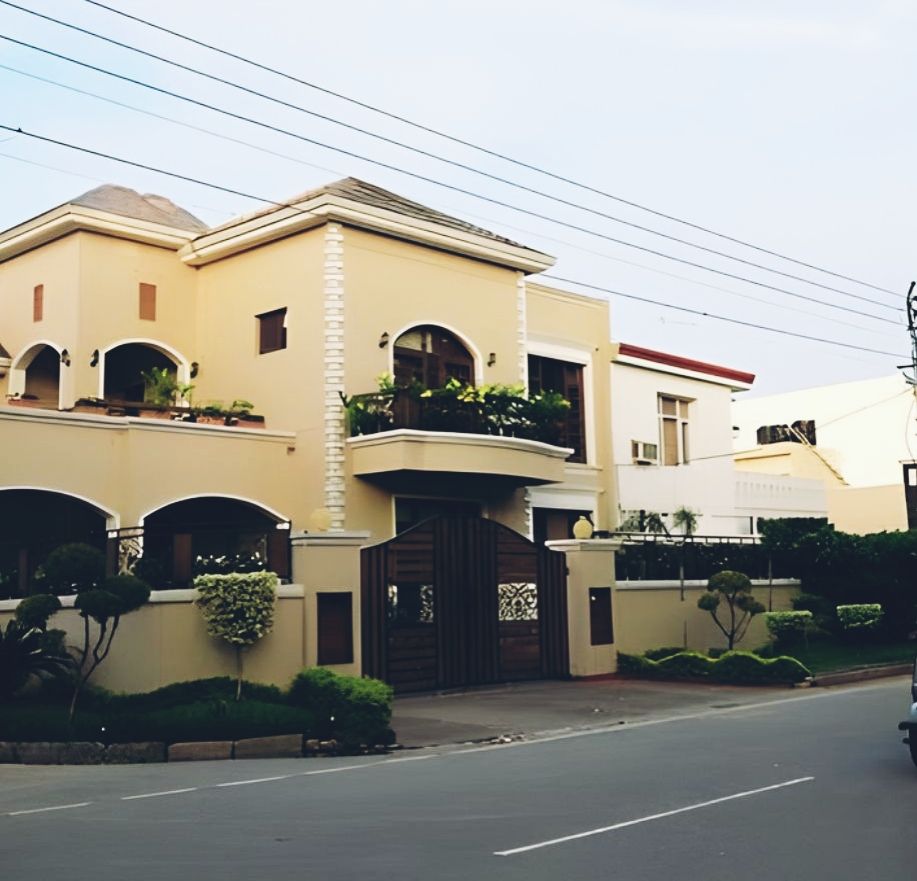
But the second stage—valuation—is where India’s property tax system becomes almost self-sabotaging. Most Indian cities still use Area-Based Valuation (ABV), where a base rate per square foot is fixed and then adjusted through formulae. The flaw is structural: the base rate does not automatically rise with market value. It remains frozen until someone politically dares to revise it. Land prices may double, apartments may triple, but tax rates remain trapped in an administrative time capsule. A more rational alternative is the Capital Value System, linking taxation to guidance values used for stamp duty. Under such a model, revenue grows automatically with market appreciation. But this reform is politically radioactive. Property owners protest, backlash erupts, and state governments retreat. Bengaluru’s attempt to shift towards capital value guidelines faced strong resistance and was effectively diluted. The city remained trapped in ABV—like a modern economy forced to calculate taxes with a colonial ruler.
This is where the system becomes self-reinforcing. ABV requires periodic revisions, but revisions require political legitimacy, stability, and functioning elected councils. And across India, many major cities do not have them. Pune revised its base rate multiple times between 2012 and 2022 and saw collections rise by nearly 290%. Bengaluru’s collections grew by only 121%, despite its far larger economy. The difference was not administrative intelligence—it was political structure. Pune had elected local leadership willing to take unpopular decisions. Bengaluru’s municipal elections have been delayed for years, leaving the city effectively governed by bureaucratic arrangements rather than democratic mandate. Without elections, there is no mandate. Without mandate, there is no revision. Without revision, the tax base stagnates while the city expands.
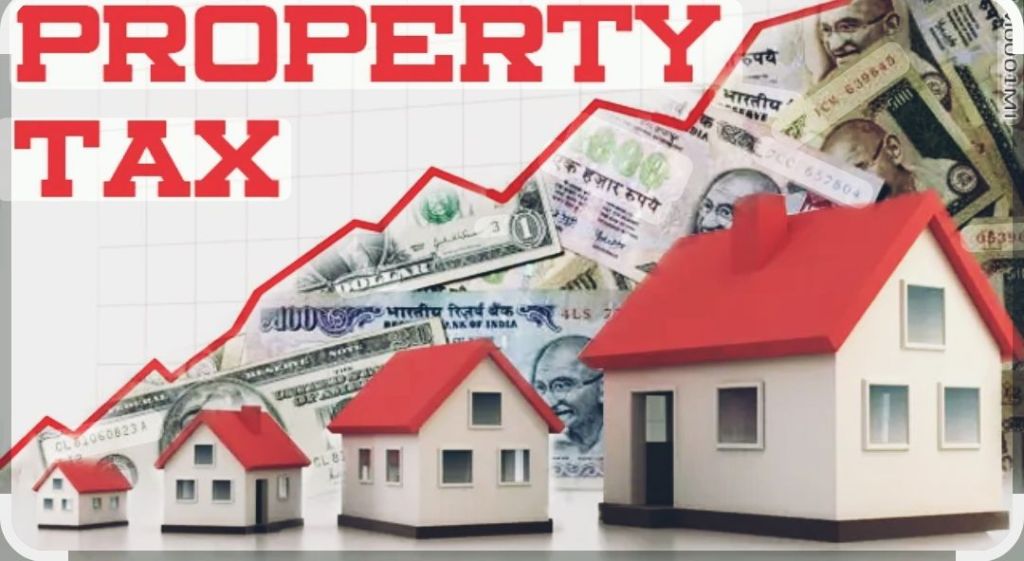
Even accounting practices reveal the dysfunction. Ideally, municipalities should use accrual accounting to record total demand and track arrears transparently. Yet many still follow cash-based accounting, recording only what is collected. More than half of India’s municipal corporations operate this way. BBMP attempted an accrual transition but ended up with a confusing hybrid. When a city cannot even measure its real tax demand accurately, efficiency becomes mathematically unknowable and politically convenient. In such a system, fiscal weakness is not an accident—it becomes a design feature.
The solutions are straightforward but politically uncomfortable: routine GIS surveys, smaller and frequent rate revisions instead of explosive jumps, full publication of demand and collection data, strengthened staffing, and credible enforcement. But the deeper truth remains: property tax reform is not primarily a technology project. It is a democracy project. A city without an elected council is not a government—it is a contractor colony managed for state convenience. It cannot revise rates, cannot enforce compliance, and cannot build trust in the social contract that makes citizens pay.
India’s potholes, broken drains, and chronic water stress are not merely engineering failures. They are revenue failures disguised as urban destiny. Property tax will not solve everything, but it is the most direct lever cities possess to finance their own survival. Right now, India’s urban economy is growing upward, but its municipal finances are sinking downward. Skyscrapers rise like symbols of prosperity, while city governments remain trapped in fiscal starvation.
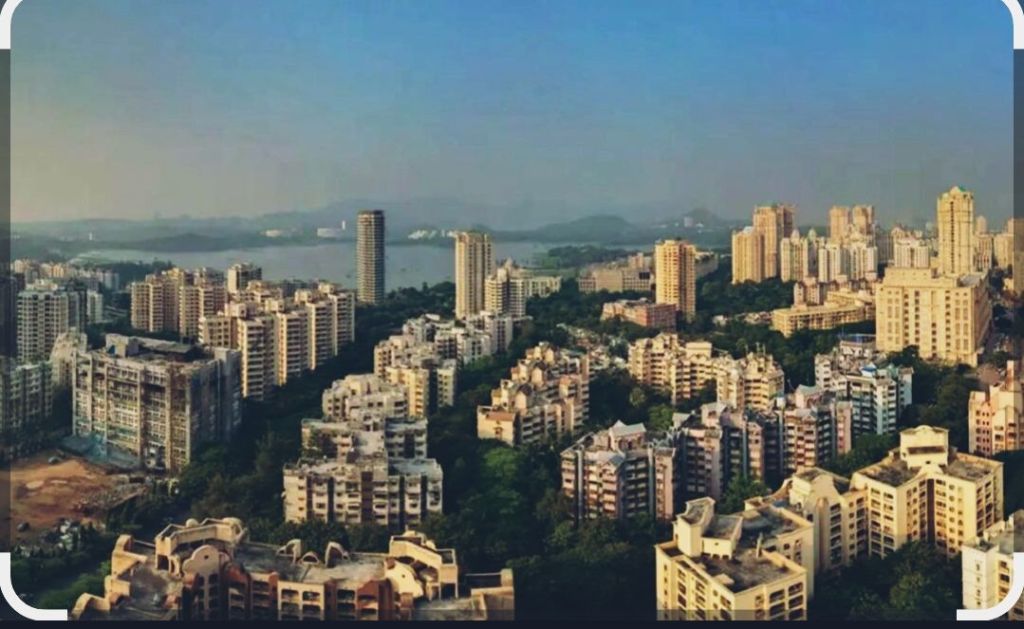
Until this contradiction is corrected, India will keep building global-looking cities that function like underfunded districts—modern in skyline, medieval in governance, and permanently dependent on grants instead of strength.
VISIT ARJASRIKANTH.IN FOR MORE INSIGHTS

