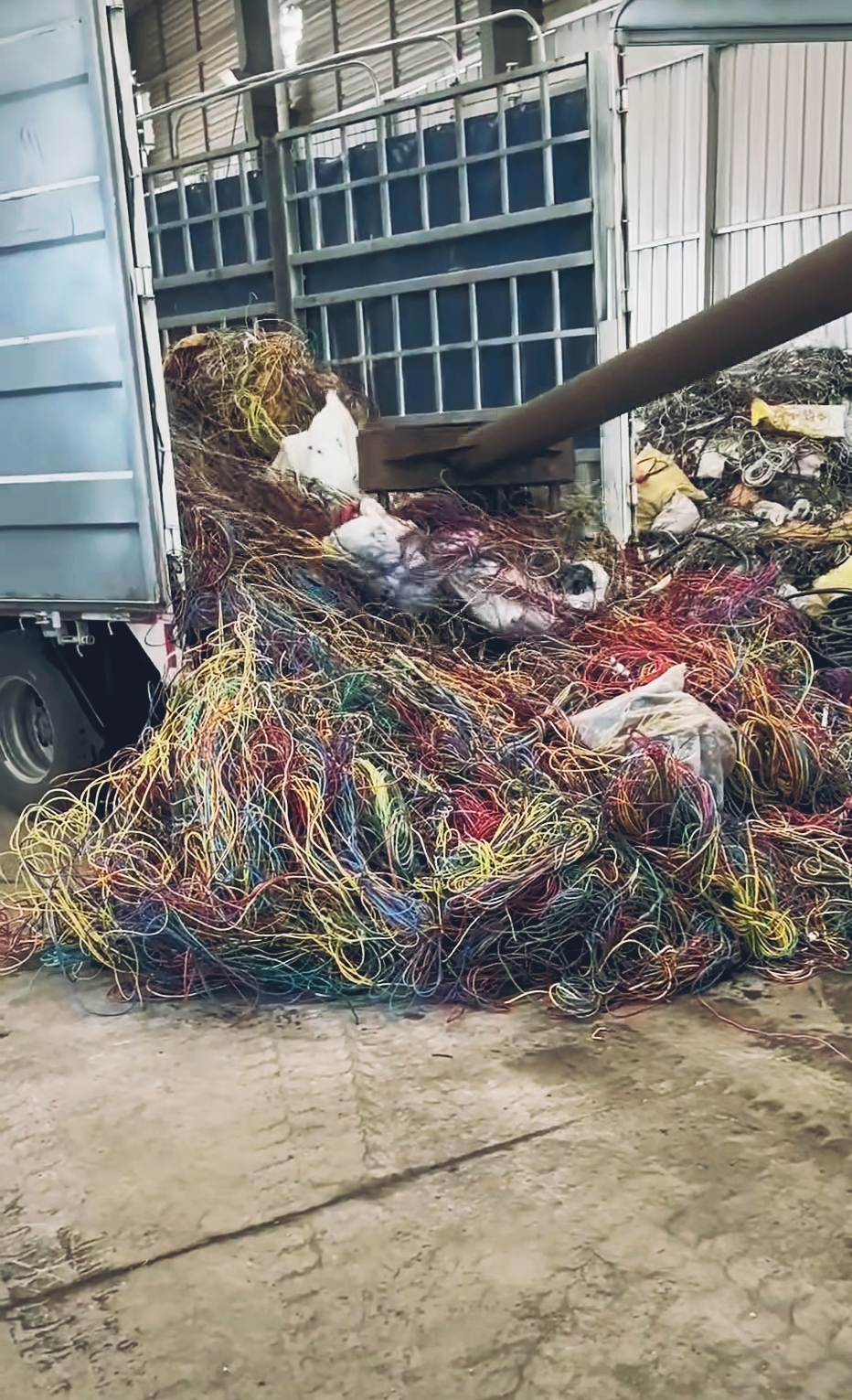
India’s most underappreciated industrial revolution is not unfolding inside semiconductor fabs, defence corridors, or polished smart-city corridors. It is unfolding in landfills, alleyways, scrapyards, and dismantling clusters where discarded objects are quietly converted into industrial capital. The scrap economy is not a peripheral survival activity; it is India’s invisible circular backbone, supplying raw material to steel plants, automobile supply chains, electronics manufacturing, and even renewable energy systems. Yet this gigantic engine remains politically invisible—noticed only when a landfill burns, an e-waste hub turns toxic, or a regulatory scandal forces the state to act surprised.
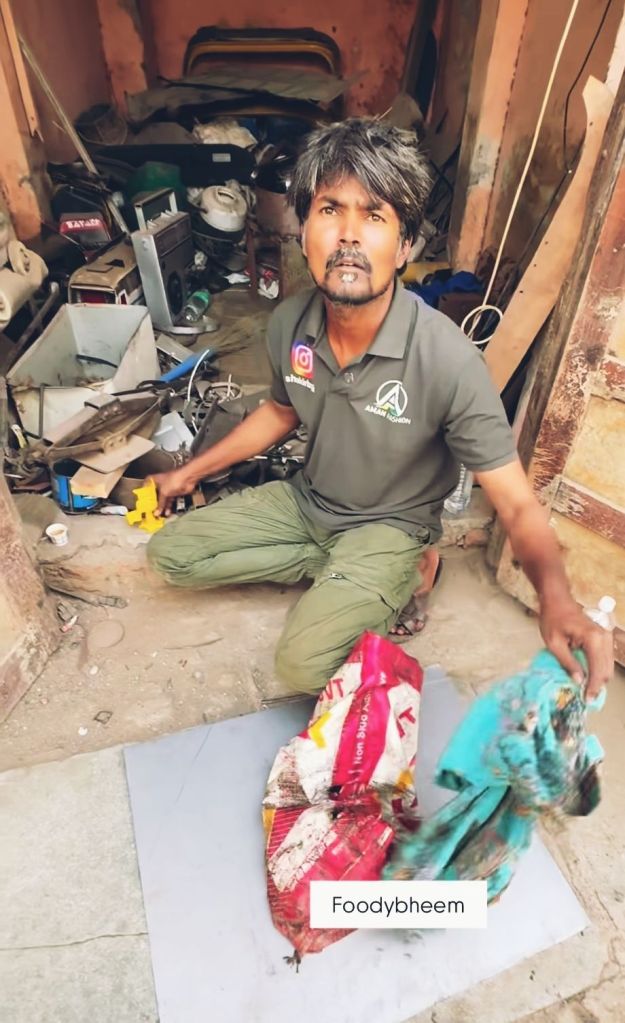
What makes this sector remarkable is its paradoxical architecture: enormous in scale, indispensable to national interest, and yet structurally informal. At its foundation is a workforce of nearly 4–5 million people, including around 2.5 lakh wastepickers, who operate as India’s cheapest and most efficient environmental infrastructure. They collect, segregate, transport, and monetise what cities discard, reducing landfill pressure and preventing municipal collapse. They are not scavengers; they are an unpaid public utility. Their labour forms the first stage of a national industrial pipeline, yet their contribution is treated as a social inconvenience rather than a strategic economic asset.
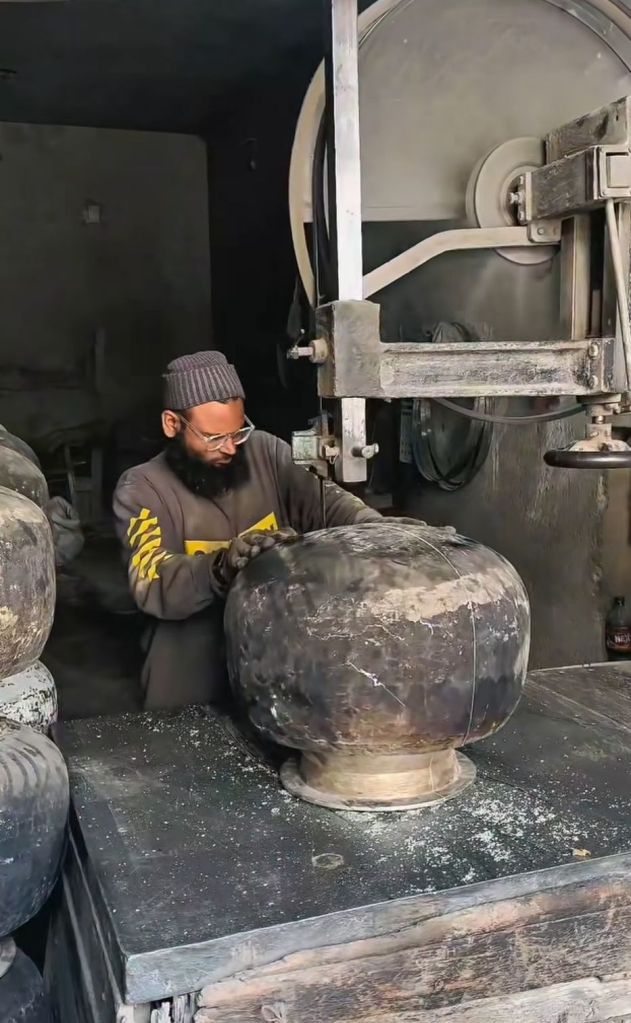
The scrap ecosystem is most visible in hubs like Seelampur in Delhi, one of Asia’s largest informal e-waste dismantling markets. These zones function like shadow industrial districts—unregistered, undocumented, but astonishingly efficient. Their existence exposes an uncomfortable truth: India’s recycling success was not built by municipal planning or sophisticated policy design, but by informal entrepreneurship, migrant resilience, and survival economics. India did not design its recycling system; it inherited one built by poverty and improvisation, and then allowed it to scale without safety, dignity, or legality.
The economic value trapped inside this “waste civilisation” is staggering. India’s annual e-waste economy alone is estimated at ₹51,000 crore, with nearly 60%—around ₹30,600 crore—embedded in recoverable metals such as copper, aluminium, and traces of gold. This is not garbage; it is an urban mineral reserve hidden inside obsolete smartphones, discarded laptops, and broken appliances. Yet India currently captures only about 18% of this extractable value. That is not merely an efficiency gap—it is a national loss of strategic material, industrial leakage, and disguised import dependency.
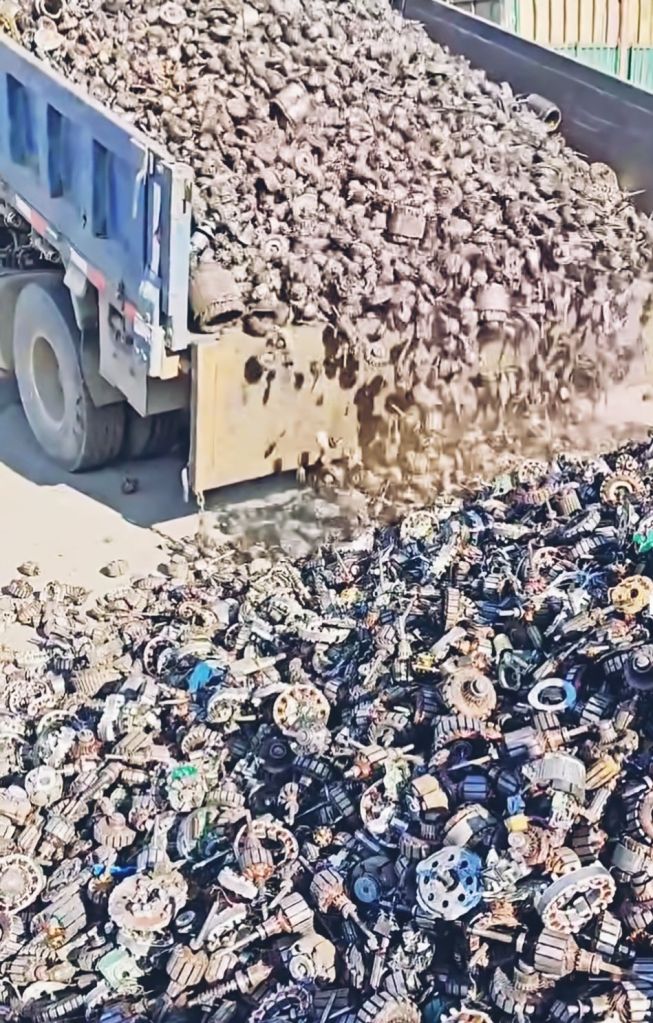
This is where scrap stops being an environmental story and becomes geopolitics. Copper, aluminium, lithium, and rare earths are no longer just commodities; they are strategic minerals that determine the future of electric vehicles, battery storage, defence electronics, renewable energy, and manufacturing competitiveness. Every tonne of recycled metal is a tonne not imported. Every circuit board recovered domestically is one less vulnerability to global supply-chain shocks. In this sense, recycling is not a climate gesture—it is resource sovereignty. A nation that cannot recycle cannot claim true strategic independence, regardless of how loudly it speaks about self-reliance.
Yet India’s scrap economy suffers from distortions that appear almost designed to keep it trapped in informality. The most lethal distortion is fiscal: the GST paradox. Scrap metal attracts 18% GST, which looks administratively neutral but functions as a formalisation barrier in practice. Informal aggregators operate on razor-thin margins—often ₹50–₹80 per kg—and rely heavily on cash. They cannot easily register, invoice, and file returns. The crisis emerges at the interface: when informal suppliers sell to formal recyclers, the buyer risks losing Input Tax Credit, effectively punishing formal industry for purchasing from the very network that supplies most of India’s scrap. The tax regime, unintentionally, criminalises the supply chain that keeps recycling alive.
The second distortion is technological and human. Informal networks are skilled in collection but dangerously primitive in recovery. Copper is extracted by burning wires, circuit boards are dismantled manually without protective equipment, and toxic chemicals are handled casually. The result is predictable: respiratory illness, skin disorders, neurological damage, and long-term organ failure among workers, while soil and groundwater absorb heavy metals and chemical residue. India gains recycling volume but loses public health and environmental stability. This is not circular economy—it is circularity built on slow poisoning. The third distortion is traceability: undocumented, cash-driven scrap flows make material origins invisible, weakening EPR enforcement and preventing the creation of a transparent recycled-material market. Worse, formalisation without inclusion becomes displacement, as seen in hubs like Seelampur where earnings reportedly dropped from ₹700 to ₹300 per day when flows shifted toward licensed plants.
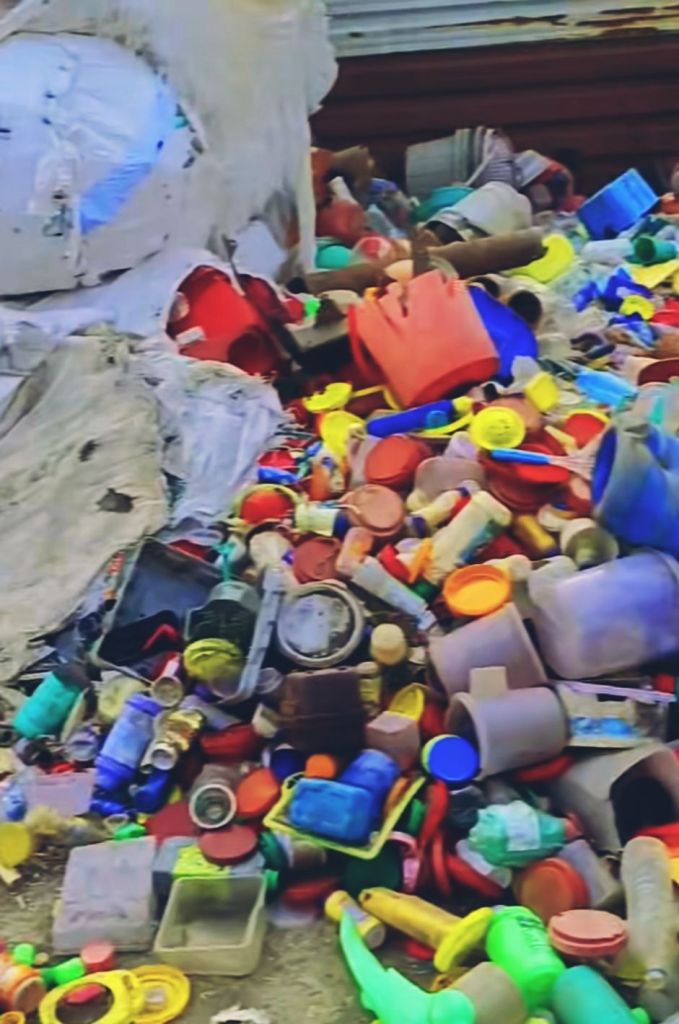
India now stands at a critical policy junction. The Solid Waste Management Rules 2026, effective from April 1, 2026, mandate four-stream segregation—wet, dry, sanitary, and special waste—at source, signalling that India is finally attempting to clean the pipeline before building the market. Parallelly, new EPR rules for non-ferrous metals such as aluminium, copper, and zinc will raise recycling targets from 10% in 2026–27 to 75% by 2032–33, effectively creating a compliance-driven recycling economy where certificates become monetisable assets. Alongside, the push for industrial use of Refuse Derived Fuel (RDF) compels cement and other industries to increase substitution from 5% to 15% over six years, ensuring waste becomes industrial input rather than landfill poison. Most importantly, schemes like NAMASTE, supported by UNDP, attempt to formalise wastepickers through digital enumeration, ID cards, PPE kits, and Ayushman Bharat coverage—an effort not of welfare, but of economic restructuring with dignity.
If executed intelligently, India’s scrap economy can become a national growth engine—creating dignified employment, strengthening Make in India, reducing dependence on imported critical minerals, expanding tax revenues, and delivering cleaner cities. The real question is not whether India has waste. India has abundance. The real question is whether India has the administrative imagination to treat waste not as a municipal embarrassment, but as industrial capital. Because in the 21st century, the richest nations will not be those with the most oil reserves—they will be those with the most efficient recycling systems. And India, sitting on mountains of scrap, is sitting on a mine it has not yet fully learned to own.
VISIT ARJASRIKANTH.IN FOR MORE INSIGHTS

