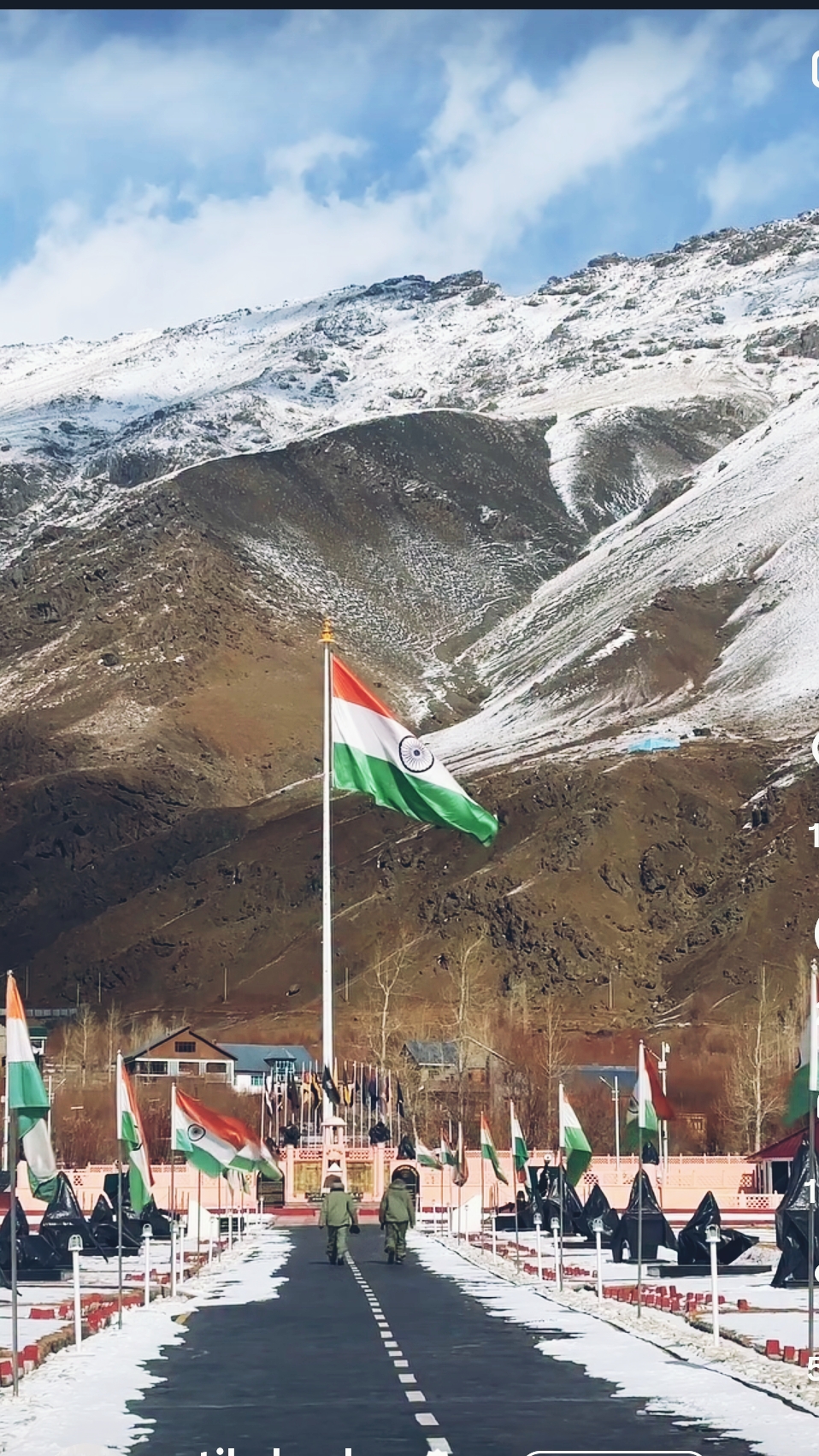
India has entered one of those rare geopolitical intervals where global turbulence becomes national advantage—not because the international system has turned benevolent, but because it has turned distracted. The world order is no longer anchored in predictable alliances or stable deterrence. It is being shredded by transactional diplomacy, collapsing trust, and the unapologetic return of brute power. In this churn, India has unexpectedly been handed the one strategic resource it has historically desired but rarely received: time. Not time as comfort, but time as leverage.
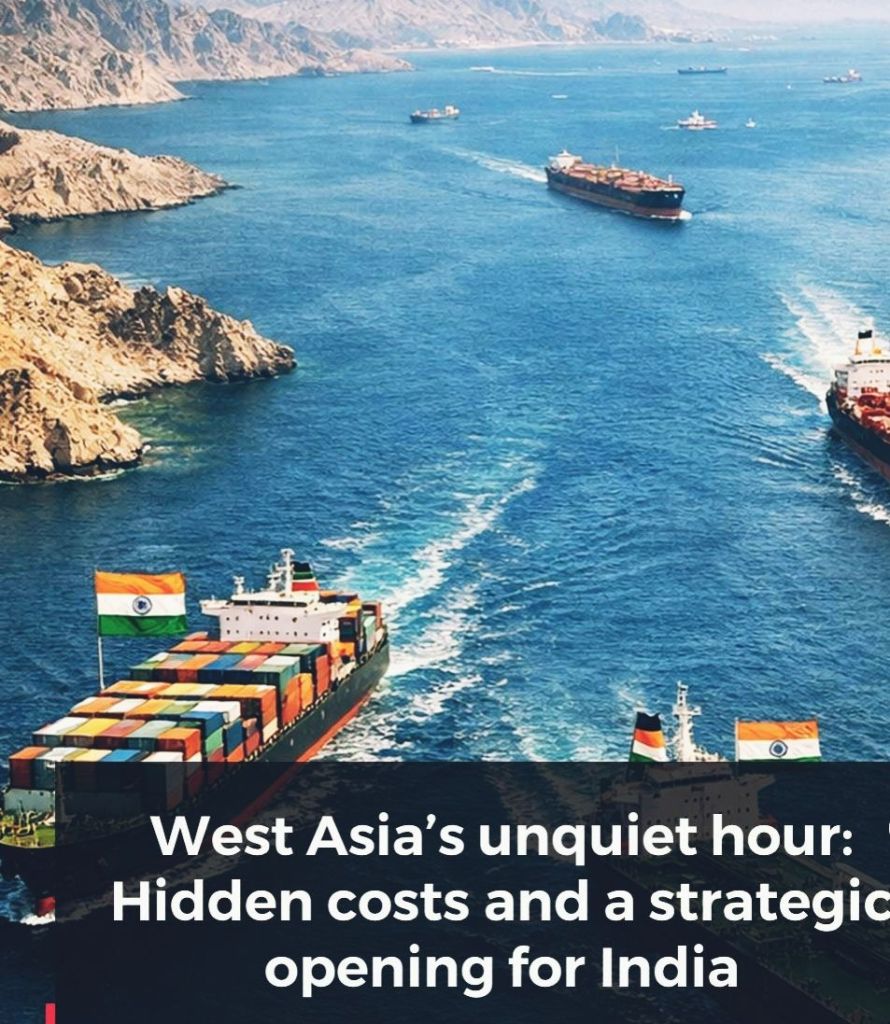
The 2026–2030 period is not a peace dividend; it is a strategic pause created by the preoccupations of others. The United States is gravitating toward a revived “deal-first” diplomacy where foreign policy is negotiated like a business settlement—fast bargains, reduced burdens, shifting commitments, and rapidly changing red lines. Europe remains trapped in internal recalibration, torn between security urgency and economic fragility. Russia is fixated on its near abroad, seeking buffers and coercive influence. Meanwhile, China—the most consequential variable for India—may increasingly divert attention toward Iran’s reconstruction, a potential contract universe of hundreds of billions that could reshape West Asia’s economic geography. Beijing’s focus would drift not out of goodwill, but out of profitable obsession.
Yet this “window” is not comfort; it is a countdown clock. India’s post-Independence record warns against trusting long stretches of calm. Major disruptions have arrived with unsettling regularity: 1947–48, 1962, 1965, 1971, Kargil in 1999, Mumbai in 2008, Pulwama in 2019, and Galwan in 2020. This is not random history; it is structural rhythm. India’s rise invites periodic testing, and regional instability generates flashpoints the way factories generate smoke. If this historical cadence holds, the next disruption could arrive around 2030–2032—dangerously aligned with leadership transitions, domestic pressures in Pakistan, and recalibrations within China’s strategic posture.
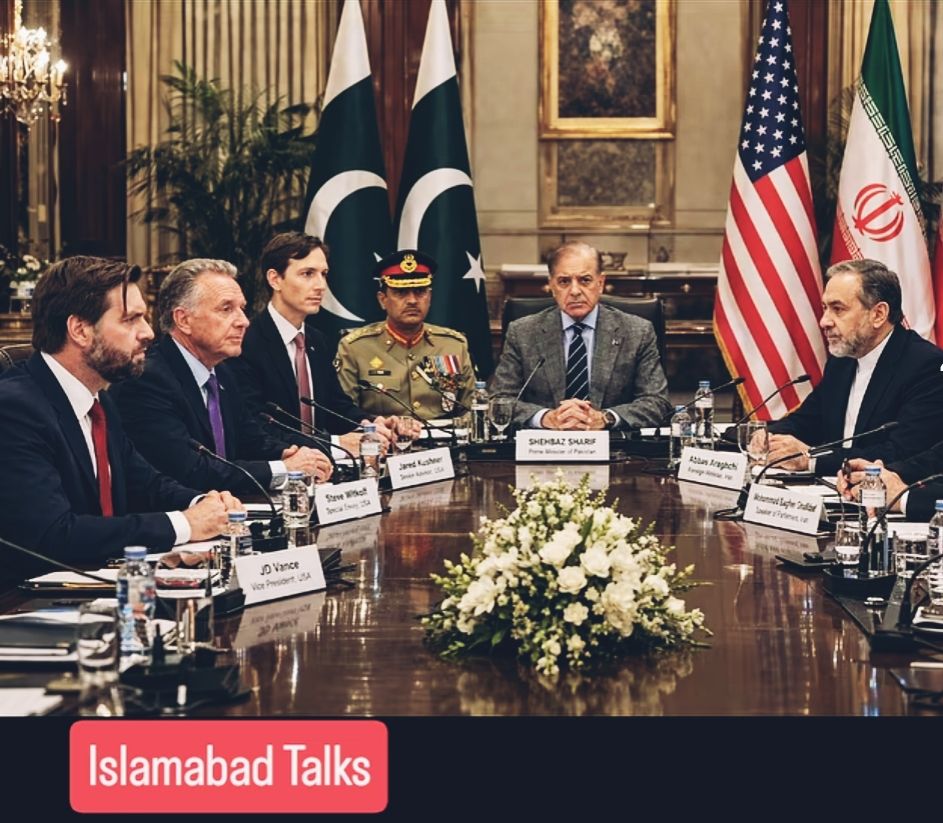
Pakistan, meanwhile, is enjoying what can only be described as a diplomatic “moment in the sun.” It is attempting to sell itself as a broker-state—useful to the Gulf, indispensable to China, and occasionally relevant to Washington whenever crisis diplomacy requires a convenient intermediary. Yet its fundamentals remain brittle: a fragile economy, chronic foreign exchange weakness, and survival dependent on IMF cycles and external cash injections. Military adventurism against India is difficult to sustain without outside financing, and even Gulf support is increasingly conditional, transactional, and politically risk-aware. Pakistan’s posture is loud, but its structure is weak—an actor performing strength while negotiating solvency.
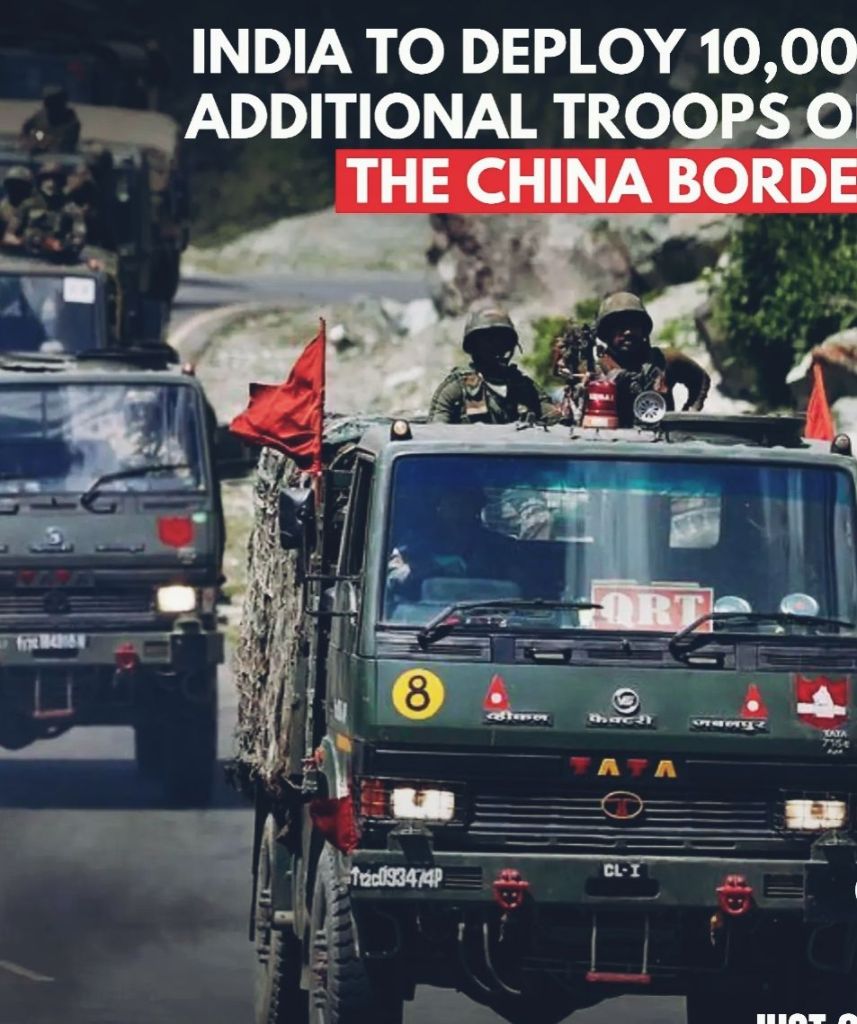
This creates India’s most counterintuitive opportunity: Pakistan’s posturing does not require India’s reaction. In fact, reaction is precisely what Pakistan’s system historically needs to manufacture domestic legitimacy. The smarter Indian strategy is strategic patience—allow Pakistan to travel, broker, and perform its diplomacy while India quietly builds capacity. Pakistan’s leverage is theatre; India’s advantage must become architecture. The contest is not about speeches, media cycles, or momentary outrage. It is about endurance, resilience, and institutional momentum.
China remains the deeper long-term challenge, but it too is entering a phase of recalibration. Iran’s reconstruction is not merely a development project—it is a geopolitical gold rush. Hundreds of billions in contracts will generate enormous demand for construction inputs, heavy machinery, energy systems, port logistics, and financing pipelines. If reconstruction accelerates, global shortages in materials and capital could emerge, forcing Beijing to prioritise profit zones over opening new strategic fronts. This does not mean China will abandon Pakistan or reduce long-term pressure on India; it means China may temporarily avoid escalating confrontation while its bandwidth is absorbed elsewhere. India must not mistake Chinese preoccupation for Chinese restraint. A distracted rival is still a rival.
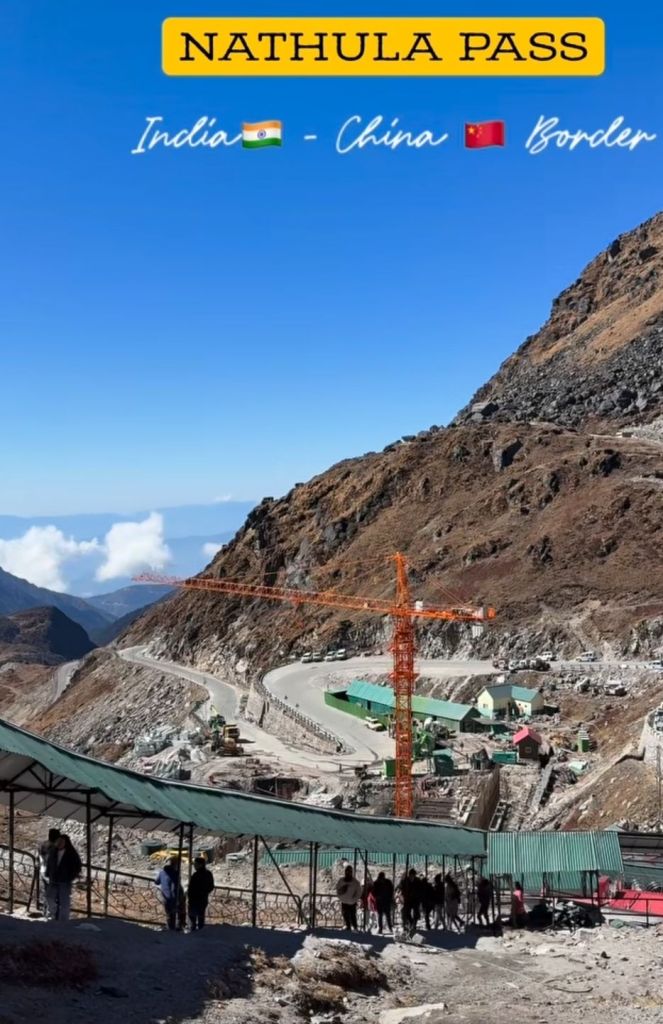
The central question is brutally simple: if India has five years of relative breathing space, what does it build before the air disappears? It must modernize deterrence with urgency rather than ceremony—because future conflict will not arrive as declared war, but as drone swarms, cyber strikes, satellite disruption, disinformation offensives, and hybrid infiltration. India must expand drones, anti-drone shields, cyber defense units, and space-based surveillance with measurable outcomes—such as a minimum 30% increase in integrated surveillance coverage along the northern and western borders within three years, linked to real-time fusion and rapid-response capability. Intelligence resilience must become a national mission, shifting from reactive reporting to predictive fusion across agencies—closer to Israel’s doctrine where speed of interpretation becomes as decisive as firepower.

Energy vulnerability must be treated as strategic weakness, not an economic inconvenience. Electrification is not climate idealism; it is national defense. Domestic exploration must rise from roughly 15% toward 25% by 2030. Ethanol blending must reach 20%, but through second-generation sources rather than ecological self-destruction. Minerals and fertilizers must be recognized as national security assets, requiring stockpiles of at least six months for fertilizers and twelve months for critical minerals, alongside aggressive reforms in mining governance, recycling capacity, and domestic exploration. Above all, India must treat economic depth as deterrence—raising manufacturing from around 13% of GDP toward 20%, preserving fiscal space, and resisting the temptation of symbolic escalation.

The hardest strategy is non-reaction: not winning the news cycle, but winning the decade. This is the doctrine of the rare window—use temporary calm to build permanent strength, because history does not retire its storms. It only reschedules them.
VISIT ARJASRIKANTH.IN FOR MORE INSIGHTS

