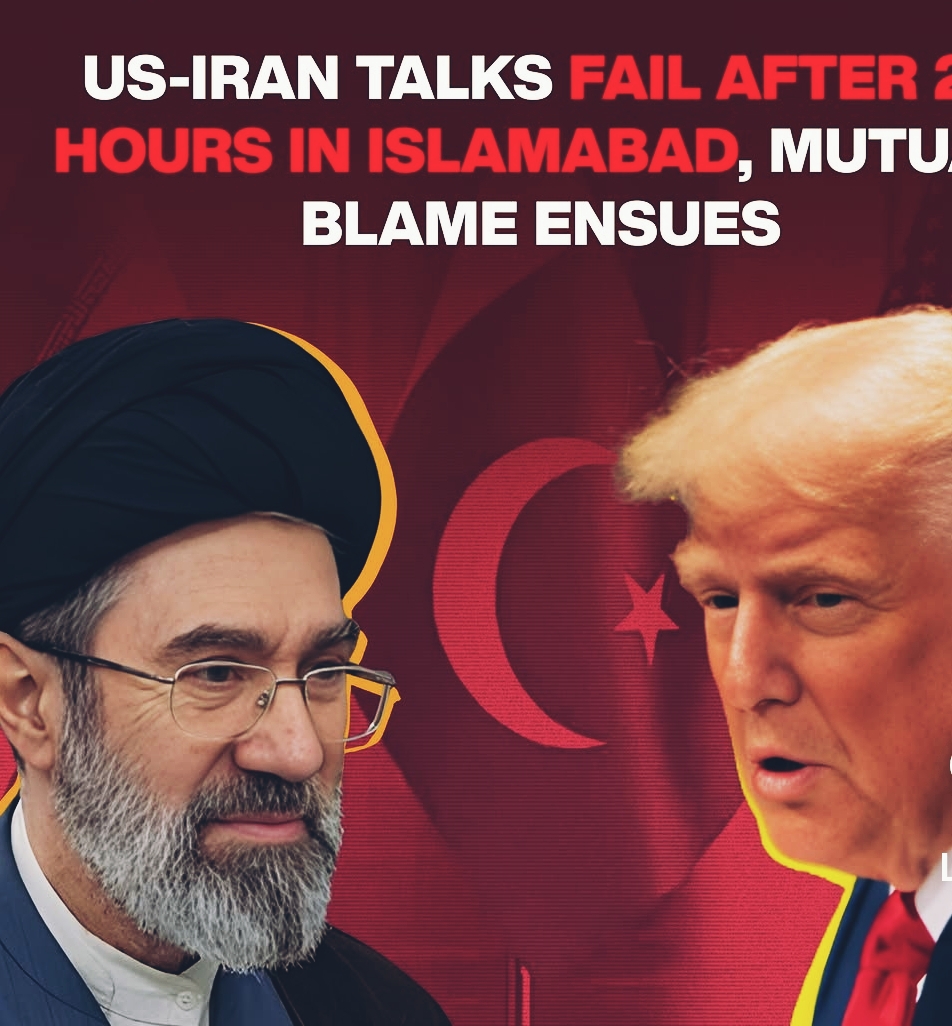
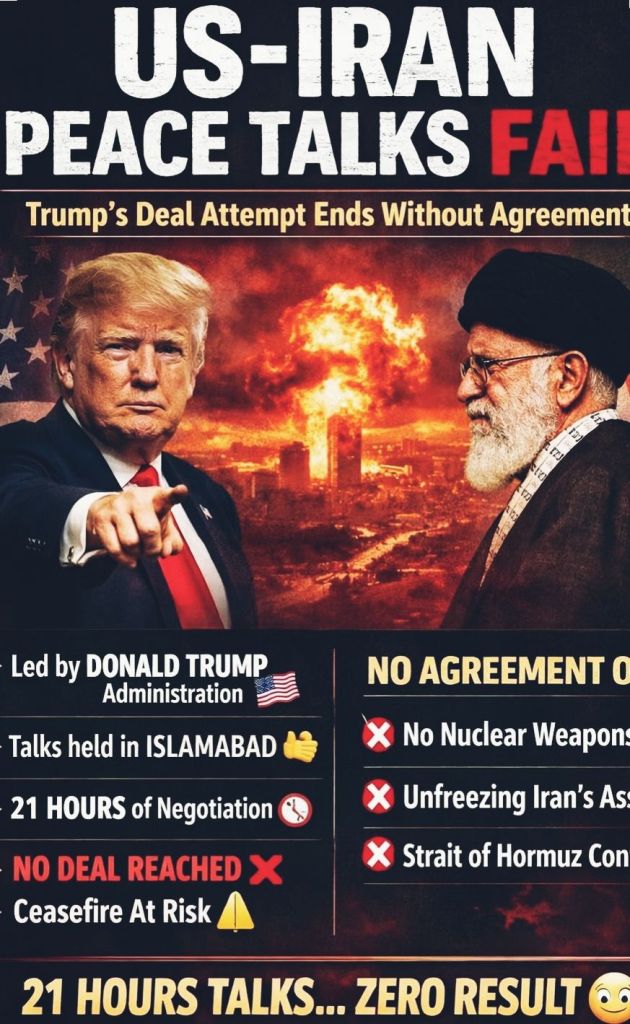
The third round of face-to-face US–Iran negotiations in Islamabad in April 2026 ended the way rushed peace efforts usually do: with exhausted diplomats, weaponised headlines, and an “agreement” that existed only in the imagination of those desperate for one. After 21 hours of marathon talks conducted under the fragile cover of a two-week ceasefire, US Vice President JD Vance publicly declared failure. His statement carried both finality and theatre: “The bad news is that we have not reached an agreement — and I think that’s bad news for Iran much more than it’s bad news for the United States of America.” It was the language of bargaining, but also the language of a verdict. For Iran, the talks were about dignity and survival; for Washington, they were about compliance, containment, and projecting strength.
What made Islamabad historically significant was not its failure, but the fact that it happened at all. These were the first direct high-level engagements since the 1979 Islamic Revolution, a rupture that has shaped Middle Eastern geopolitics for nearly half a century. The absence of structured diplomacy has produced a system where deterrence is expressed through sanctions, proxies, and symbolic strikes rather than negotiations. Islamabad briefly promised to disrupt that pattern. Instead, it reaffirmed it: when diplomacy is attempted too late and too fast, it does not heal hostility—it exposes it.
The collapse was not accidental; it was embedded in structural mistrust. Tehran remembers decades of sanctions and, more importantly, the 2018 US withdrawal from the JCPOA—proof that agreements can be cancelled by electoral cycles. Washington, meanwhile, sees Iran as a state that negotiates to delay rather than to compromise. When both sides assume bad faith, every clause becomes a trap, every concession becomes political suicide, and every handshake becomes a future accusation. Trust, once broken, does not return through dialogue; it returns through proof.
Timing also ensured failure. These talks occurred after more than forty days of US–Israeli strikes beginning February 28, 2026. Diplomacy after bombardment rarely produces generosity; it produces defensiveness. Iran entered Islamabad not as a state seeking peace, but as a state ensuring it would never again be strategically cornered. In that psychological environment, the American “final offer” posture was not a proposal—it was an ultimatum. Nations under siege do not sign deals; they sign survival doctrines.
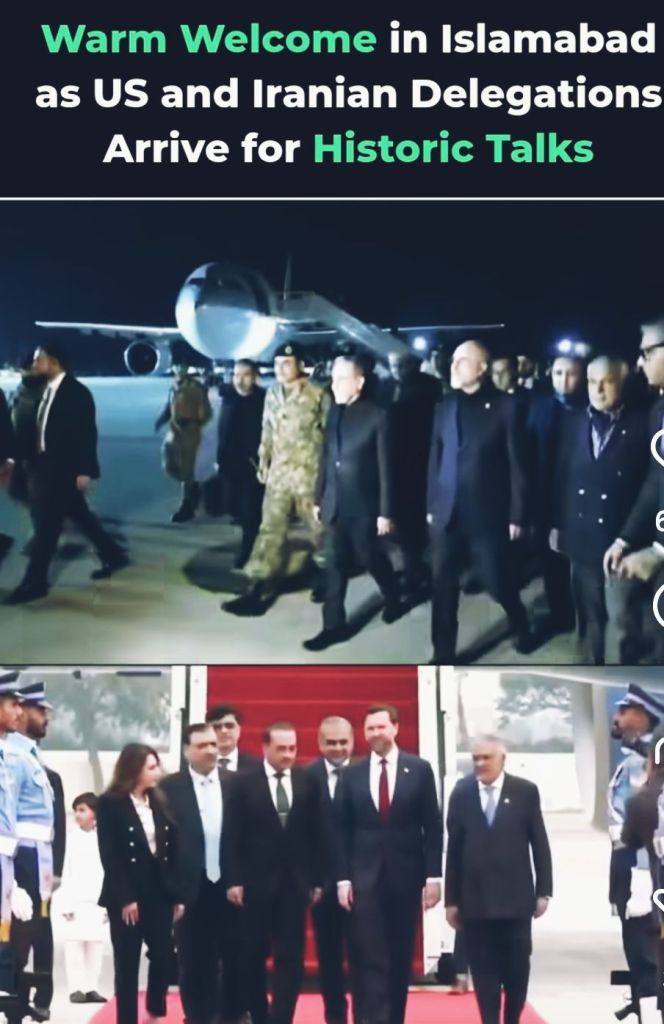
Equally damaging was procedural chaos disguised as urgency. Reports suggested conflicting draft frameworks, including confusion over whether Lebanon would fall under ceasefire provisions. In high-stakes diplomacy, ambiguity is not flexibility—it is sabotage. The parties arrived to debate fundamentals rather than finalize outcomes. Iran’s spokesperson had already cautioned that no agreement should be expected in a single session, yet the process was structured like a deadline-driven corporate merger. Diplomacy does not reward speed; it rewards sequencing, patience, and disciplined preparation.
At the core were five disputes too fundamental to be solved in one dramatic meeting. The nuclear issue was existential: Washington demanded abandonment of enrichment; Iran insisted enrichment is a sovereign right under the NPT. Hormuz became a geopolitical tariff dispute, with the US demanding free passage while Iran treated geography as leverage. Sanctions relief created sequencing paralysis—each side demanded guarantees without offering the first step. The proxy network question struck Iran’s deterrence architecture, and reparations became a battle of narrative and moral responsibility.
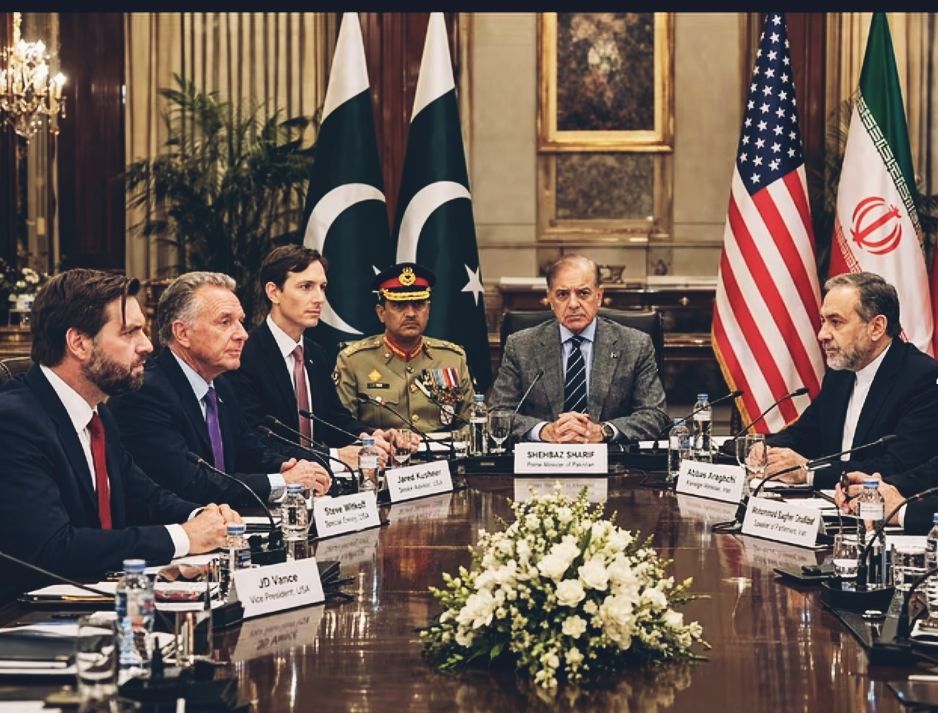
These were not negotiable items; they were competing definitions of power. Islamabad failed because both sides treated negotiation as dominance-management rather than risk-reduction. The US demanded strategic surrender; Iran demanded economic relief without binding constraints. A way forward requires abandoning the fantasy of a single grand bargain and adopting phased diplomacy: ceasefire stabilization, partial sanctions-for-verification trade-offs, and only then broader regional security architecture. Islamabad will not be remembered as a missed handshake. It will be remembered as a warning: when diplomacy becomes performance, war becomes the default sequel.
VISIT ARJASRIKANTH.IN FOR MORE INSIGHTS

