
History possesses a ruthless habit of exposing the illusions of violent politics. Across continents and decades, militant movements have emerged claiming to defend identity, liberate marginalized communities, or overthrow unjust states. Yet the historical record—from insurgencies in Asia to extremist campaigns across Africa and the Middle East—reveals a sobering truth: militancy rarely delivers the political transformation it promises. Instead, it creates spirals of destruction in which the greatest victims are often the very communities militants claim to represent. Violence that begins as a tool of liberation frequently evolves into a cycle of devastation that weakens societies rather than empowering them.
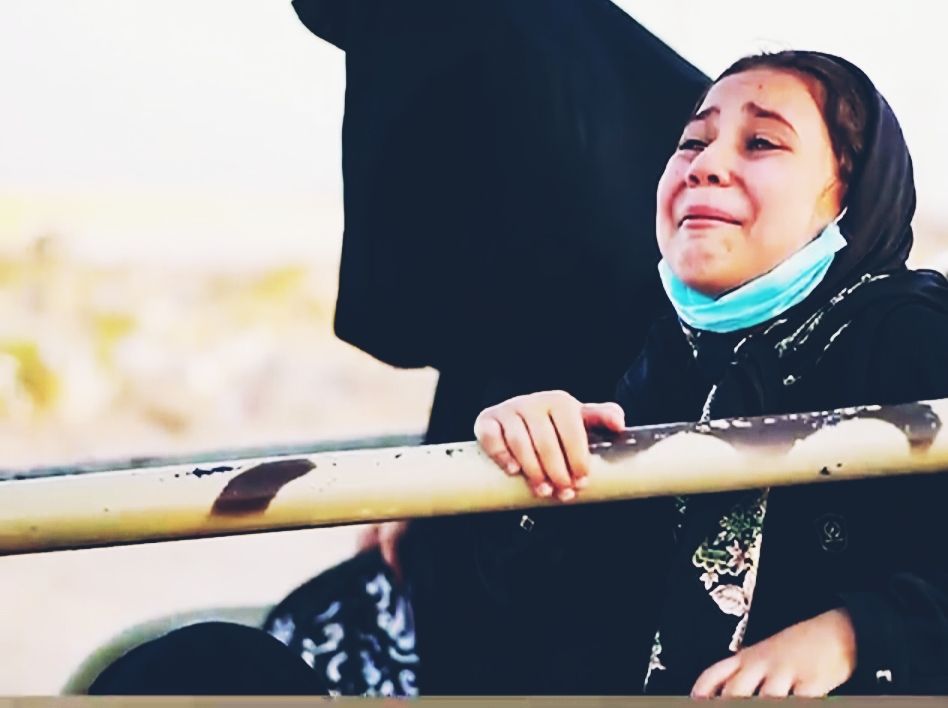
The contradiction lies in the logic of militancy itself. Armed movements argue that violence is necessary to achieve political change.
However, modern states command overwhelming military power, institutional legitimacy, and international alliances. Once militants initiate armed confrontation, escalation becomes almost inevitable. Governments respond with force, security operations intensify, and economies begin to fracture. Infrastructure collapses, investment disappears, and civilians are trapped in the crossfire. Over time, the original political objective becomes increasingly distant as instability and insecurity reshape the social fabric of entire regions.
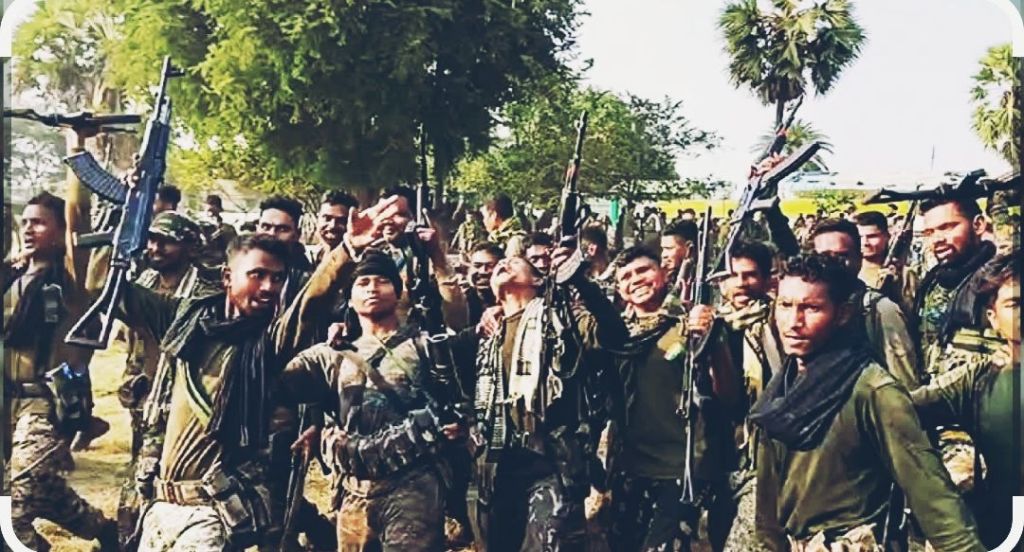
Few cases illustrate this tragic trajectory more clearly than the long civil war in Sri Lanka involving the Liberation Tigers of Tamil Eelam. The insurgency claimed to defend Tamil identity and establish an independent homeland. After twenty-six years of brutal conflict, the movement was decisively defeated in 2009 during the final phase of the Sri Lankan Civil War. Tens of thousands of Tamil civilians reportedly died in the war’s closing months, while the broader conflict claimed between 80,000 and 100,000 lives. The promised homeland never materialized; instead, the Tamil community endured immense loss and long-term trauma. Similar patterns appeared in Europe with the violent campaign of ETA in the Basque region of Spain, where four decades of bombings killed more than 800 people before the organization dissolved in 2018—without achieving independence.
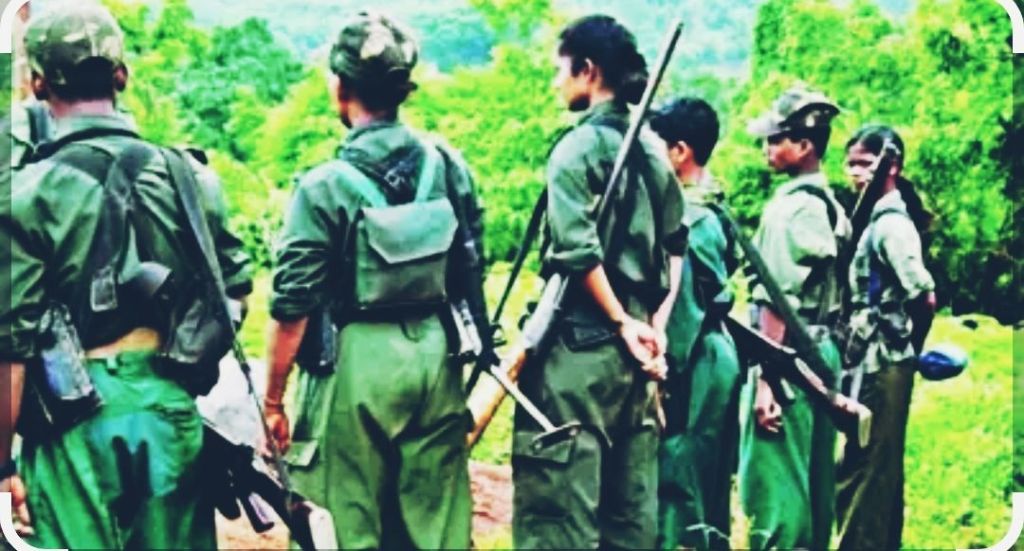
Latin America experienced its own prolonged example through the insurgency of the Revolutionary Armed Forces of Colombia. For more than five decades, the guerrilla movement attempted to overthrow the state in Colombia through armed struggle. The conflict devastated rural communities, displaced millions, and entangled militant networks with narcotics trafficking. Ultimately, the war ended not through revolutionary victory but through the 2016 peace agreement, demonstrating once again that negotiation, rather than violence, offered the only realistic path toward stability. Even today, the scars of that conflict—social mistrust, displacement, and economic disruption—continue to shape Colombian society.
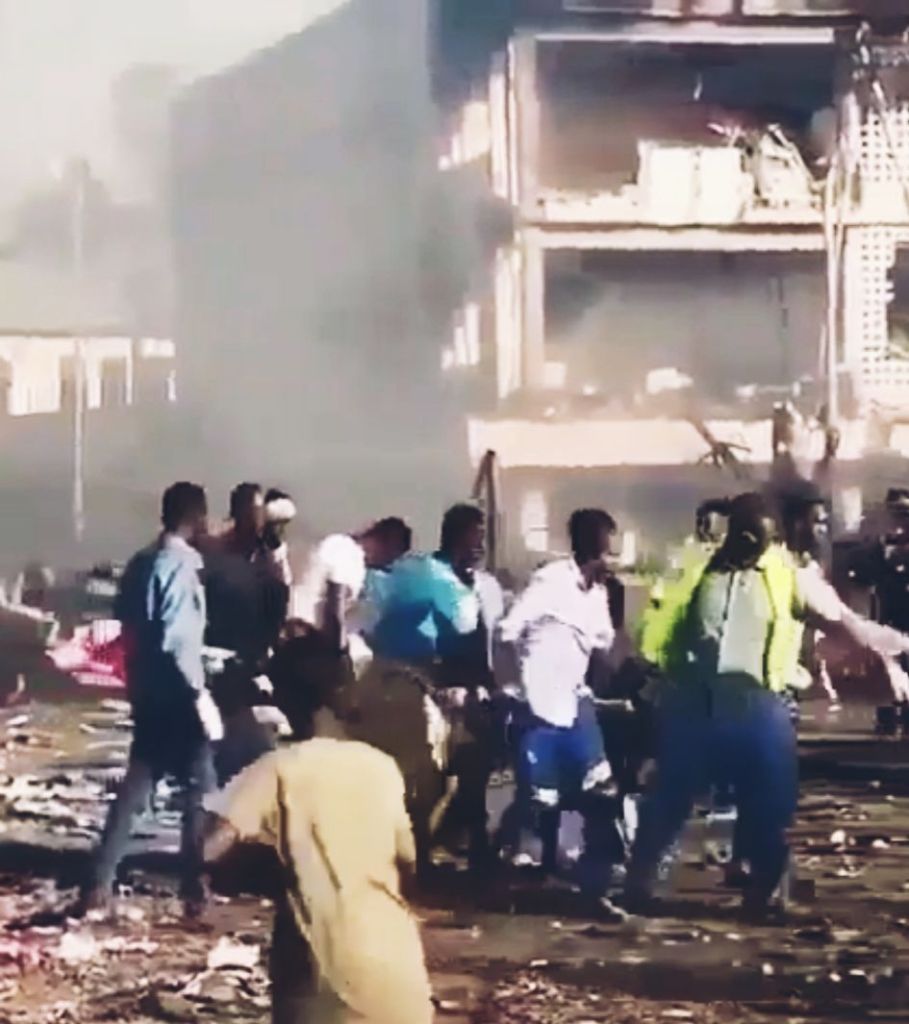
The tragedy remains painfully visible in the Middle East. The October 2023 attacks carried out by Hamas against Israel killed around 1,200 people and triggered a devastating war in Gaza. The resulting conflict has produced widespread destruction, large-scale displacement, and severe humanitarian suffering for civilians on both sides. Beyond the immediate casualties, militant conflicts leave long-lasting damage: education systems collapse, economies stagnate, and entire generations grow up amid fear and instability. Environmental damage, destroyed infrastructure, and psychological trauma often persist long after the fighting ends.
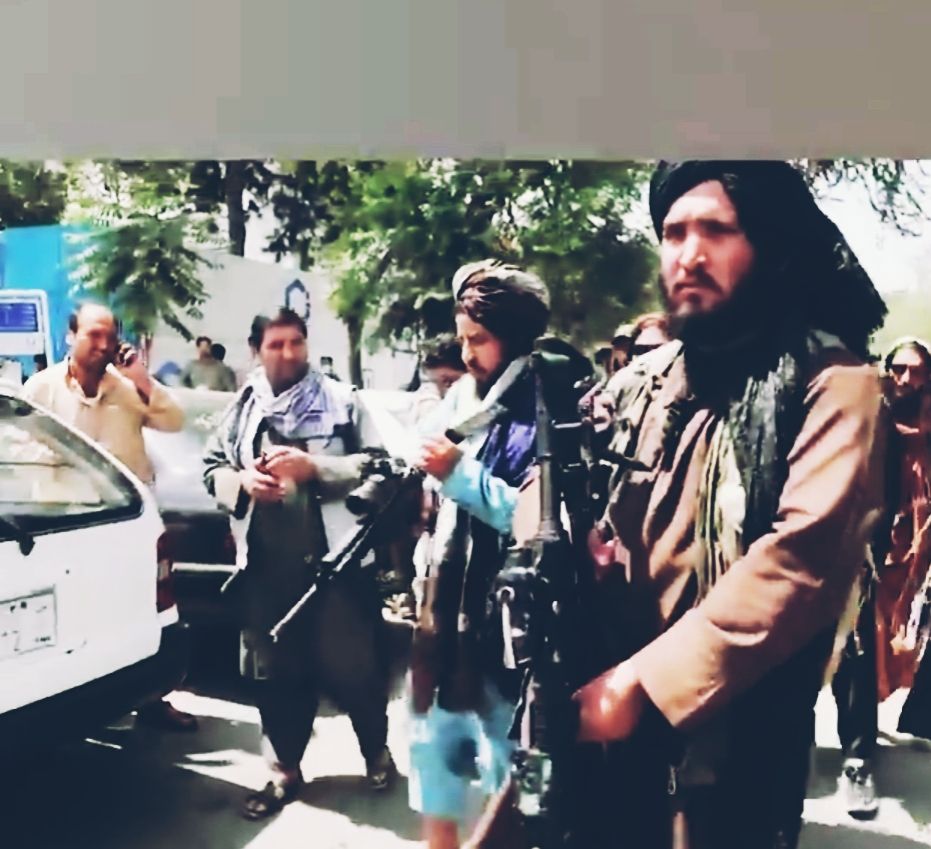
Despite these outcomes, militant movements continue to emerge because they grow out of genuine grievances—poverty, political exclusion, ethnic tension, and social marginalization. When democratic institutions appear weak or unresponsive, frustrated communities sometimes turn toward radical narratives promising rapid transformation through armed struggle. Yet history repeatedly demonstrates that violence rarely resolves these grievances; instead, it magnifies them. Sustainable political change emerges not from guns but from institutions capable of managing conflict through dialogue, law, and democratic participation. The global history of militancy therefore reads like a graveyard of failed promises—reminding us that guns rarely build nations; they bury them.
VISIT ARJASRIKANTH.IN FOR MORE INSIGHTS

