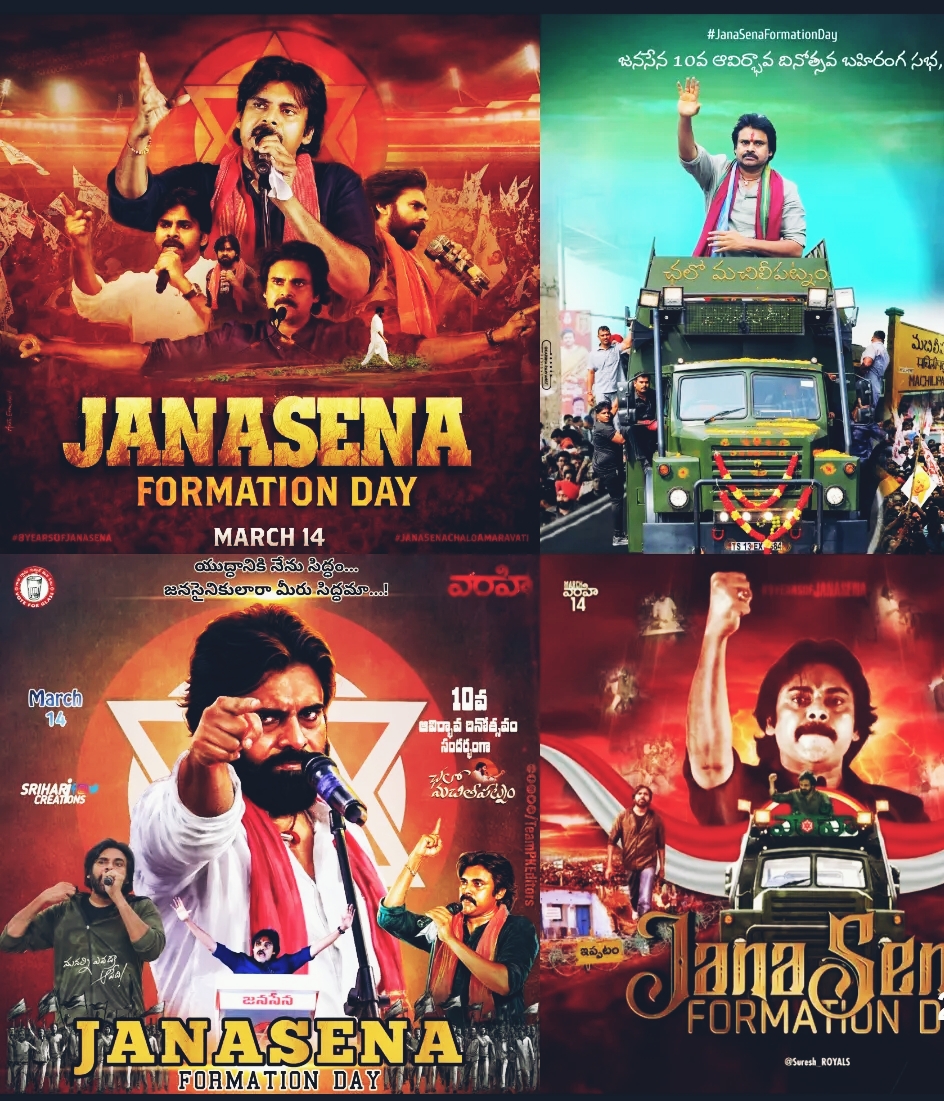
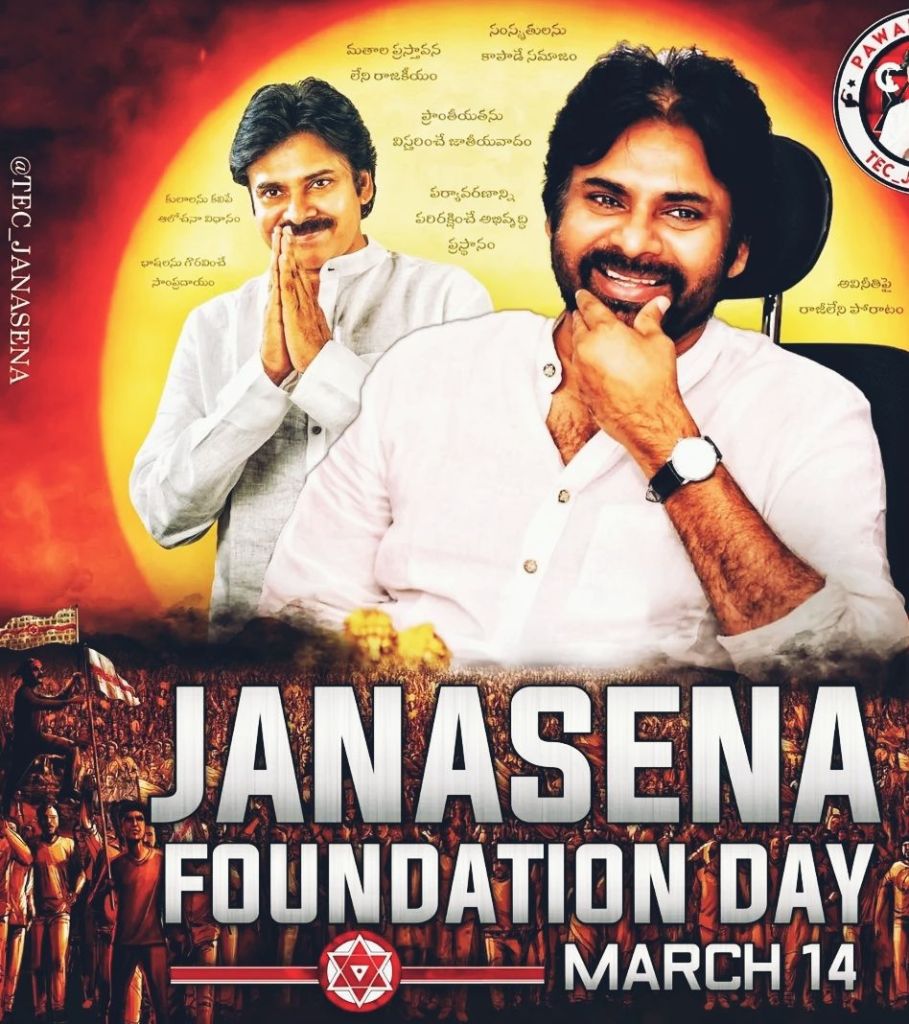
On 14 March 2014, the political theatre of Andhra Pradesh witnessed the birth of an unconventional experiment when Pawan Kalyan, film icon turned political crusader, launched the Jana Sena Party. The moment carried the unmistakable electricity of cinema—dramatic speeches, emotional crowds, and a promise to cleanse politics of corruption and complacency. A decade later, the party has travelled through turbulence, skepticism, and eventual validation. Its success in the 2024 elections, achieved within the National Democratic Alliance alongside the Telugu Desam Party, has propelled Jana Sena into the machinery of governance. Yet twelve years after its formation, a deeper intellectual question lingers: has the party matured into a durable political institution, or does it still exhibit the classic traits of charisma-driven politics—the lingering “silver screen syndrome”?
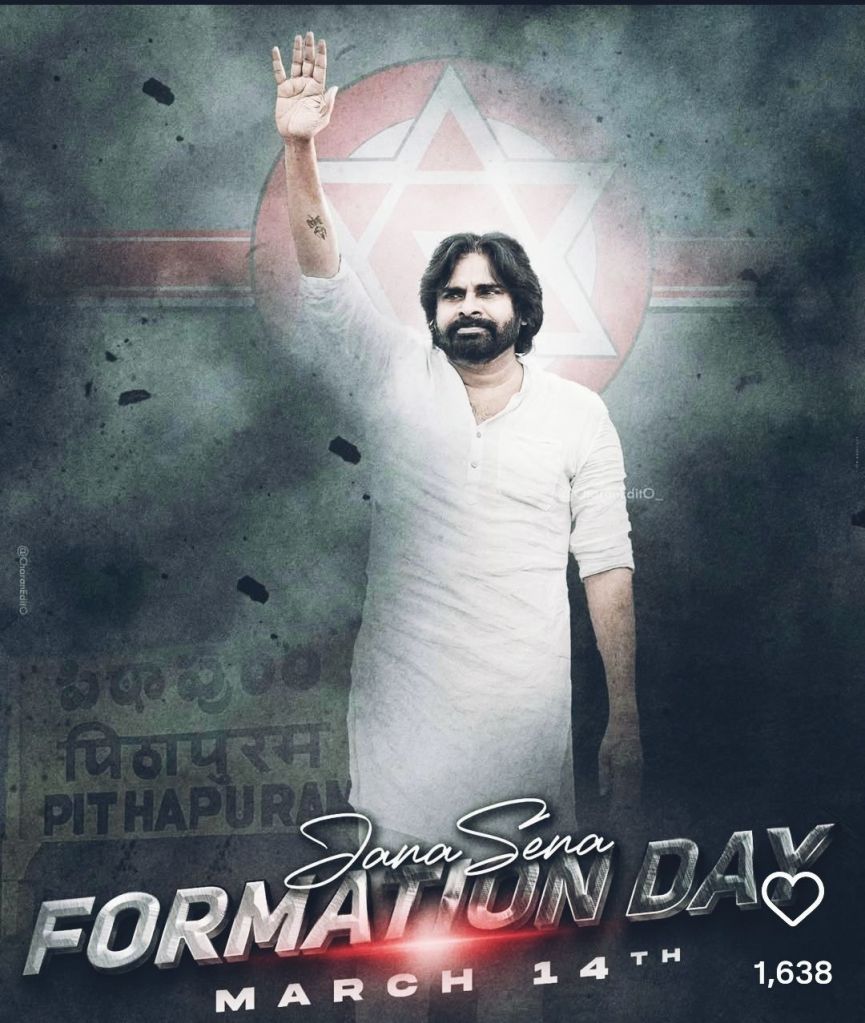
The idea of the “silver screen syndrome” is not unique to Andhra Pradesh. Across the world, celebrity-led political movements often surge with emotional energy but struggle to evolve into structured organizations. Charismatic leaders attract loyalty and attention, but institutional depth—cadre networks, ideological frameworks, and administrative structures—frequently remains underdeveloped. Jana Sena’s rise is inseparable from the personal magnetism of Pawan Kalyan. His cinematic legacy and rebellious rhetoric have resonated strongly with youth and disenchanted voters seeking a moral voice in politics. Yet democratic institutions ultimately survive not on charisma but on organizational resilience and ideological clarity.
The 2024 electoral breakthrough marked a turning point in Jana Sena’s political journey. After years of marginal representation, the party entered the corridors of power with significant influence within the coalition government. For supporters, it symbolized the culmination of a decade-long struggle against entrenched political forces. However, the very success that brought Jana Sena into governance has also introduced new complexities. As Pawan Kalyan assumed the responsibilities of Deputy Chief Minister, the demands of administration inevitably reduced his day-to-day engagement with the party’s grassroots machinery. Cadres who once thrived on direct interaction with their leader now sense a growing institutional distance.
This evolving gap between leadership and cadre has begun to influence internal morale. Political workers operate most energetically when they feel recognized and connected to the leadership structure. During election campaigns, enthusiasm peaks as volunteers rally behind a common objective. Once governance begins, however, the absence of structured organizational engagement can create uncertainty. Within Jana Sena, sections of grassroots supporters believe that their sacrifices during years of political struggle have not been proportionately reflected in appointments or institutional recognition within government.
Coalition politics adds another layer of complexity to this evolving narrative. Alliances strengthen electoral prospects but often dilute ideological identity. Within the ruling arrangement, some members of the Jana Sena cadre worry that their party risks being perceived as a junior partner rather than an independent political force. In coalition governments, identity is sustained not merely through positions of power but through a clearly articulated ideological voice. Without such clarity, even successful alliances can gradually blur the distinctiveness of smaller partners.
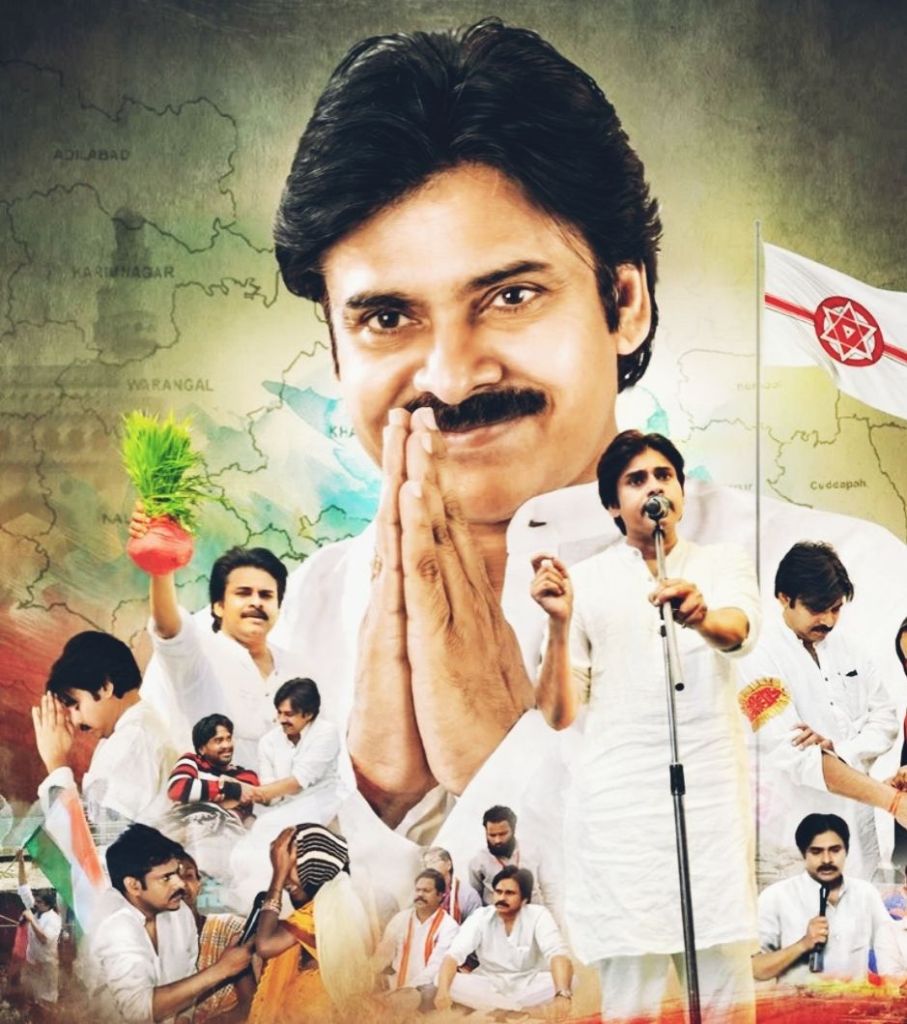
Ideological coherence remains another area demanding attention. Jana Sena emerged with a strong anti-corruption narrative and a promise of transparent governance and social justice. Over time, however, shifting alliances and political pragmatism have occasionally blurred the ideological contours of the movement. For political workers, ideology functions as a compass that transforms electoral enthusiasm into sustained civic engagement. Without a clearly articulated mission—whether focused on youth empowerment, economic transformation, or social equity—cadres struggle to translate political messaging into durable public mobilization.
The internal evolution of the party also reflects the growing pains typical of emerging political organizations. Episodes of factional disagreements among leaders highlight the absence of robust institutional mechanisms for conflict resolution. Mature parties often rely on established disciplinary frameworks and consultative bodies to manage such tensions. In contrast, younger movements frequently experience disputes in public view, which can undermine the perception of unity and organizational discipline.
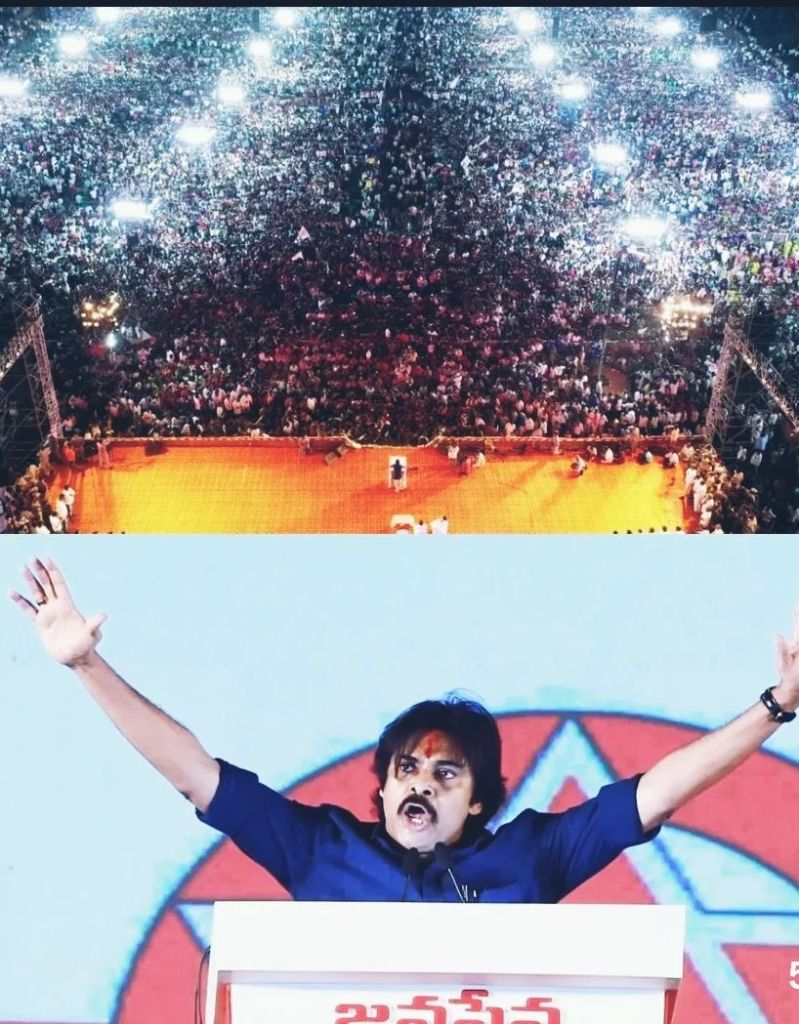
The central challenge before Pawan Kalyan, therefore, is not electoral popularity but institutional transformation. His charisma has been the party’s most powerful asset, drawing vast crowds and energizing supporters across Andhra Pradesh. Yet the next phase of Jana Sena’s journey demands a shift from personality-centric politics to institution-centric governance. This transition requires cultivating a strong second line of leadership capable of managing district structures, coordinating policy outreach, and sustaining grassroots engagement independent of the central figure.
Strengthening grassroots architecture could become the decisive turning point. Political history demonstrates that durable parties invest deeply in local networks—neighbourhood committees, leadership training platforms, and community engagement forums. Such mechanisms convert passionate supporters into disciplined political workers who remain active beyond electoral cycles. By establishing structured training and ideological discussions across districts, Jana Sena can nurture a new generation of leaders rooted in public service and political philosophy. Equally important is consistent communication between leadership and cadre. Regular consultations, grievance redressal systems, and recognition of grassroots contributions can restore morale among party workers. Political loyalty is sustained not only by ideology but also by emotional connection and acknowledgment of effort.
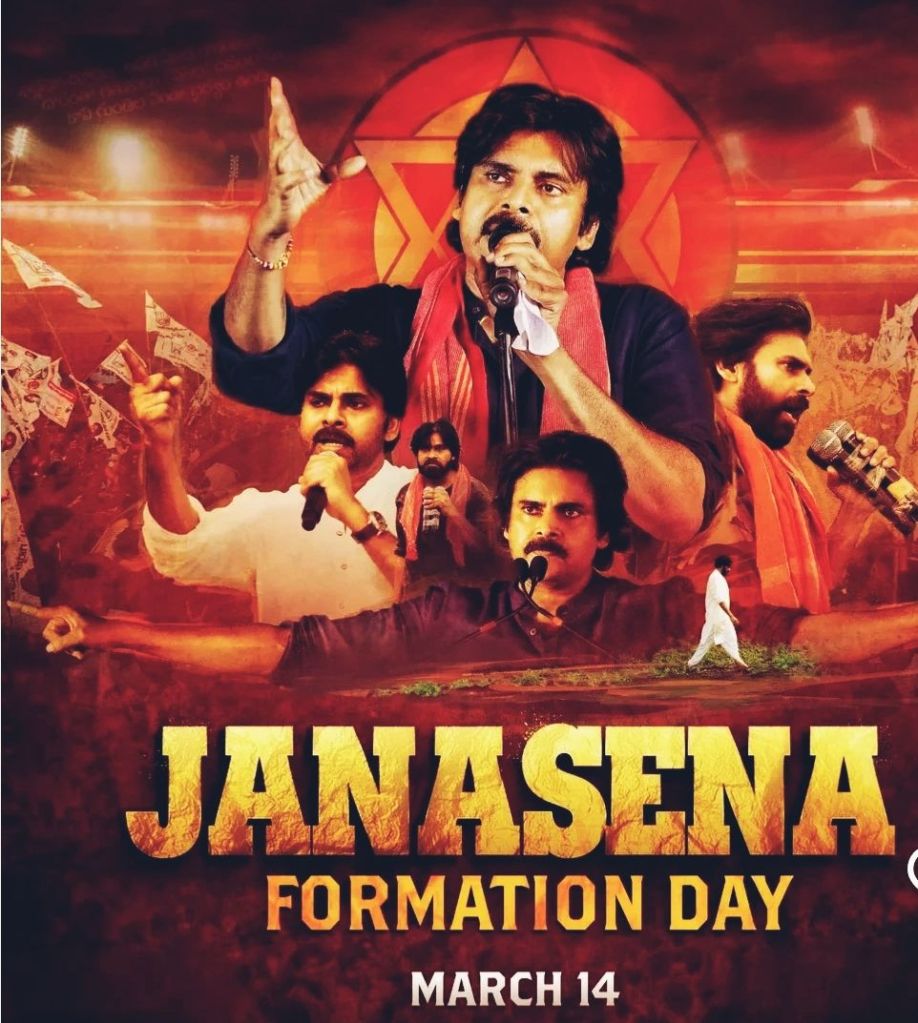
Another transformative step would be the creation of a professional policy think tank within the party. By developing independent policy proposals on industrial development, employment generation, education reform, and digital governance in Andhra Pradesh, Jana Sena could cultivate intellectual credibility and policy depth. Such a platform would equip cadres with a coherent narrative to articulate the party’s role in governance and distinguish its vision from that of its allies.
Ultimately, the destiny of Jana Sena lies in its ability to transcend the silver screen syndrome that shadows many celebrity-driven movements. Twelve years after its dramatic birth, the party stands at a historical crossroads. If it successfully converts charisma into institutional strength, it could evolve into one of the most transformative political forces in Andhra Pradesh. But if it continues to rely solely on the aura of its leader, it risks remaining what it began as—a powerful spectacle rather than a permanent pillar in the architecture of democracy.
VISIT ARJASRIKANTH.IN FOR MORE INSIGHTS
 ARJA SOCIAL PERSPECTIVES
One response to “From Silver Screen Thunder to Street-Level Power: Can Jana Sena Reignite Its Political Fire on Its 13th Formation Day? 🔥🎭🏛️ ”
good evolution
LikeLike