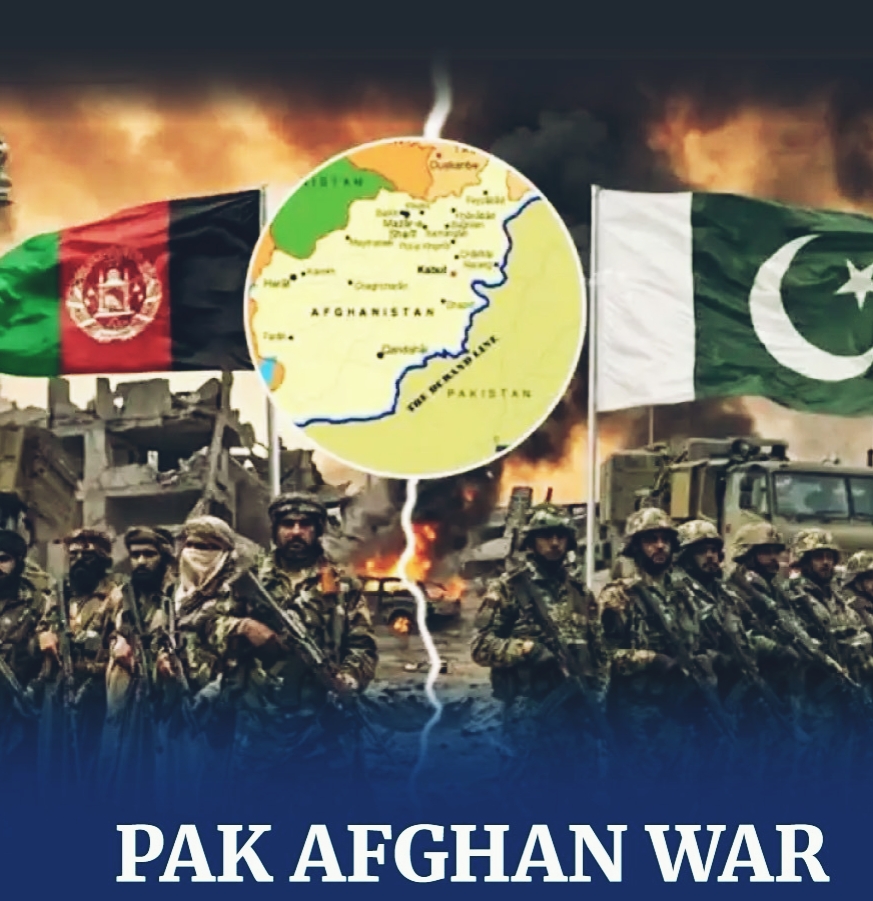
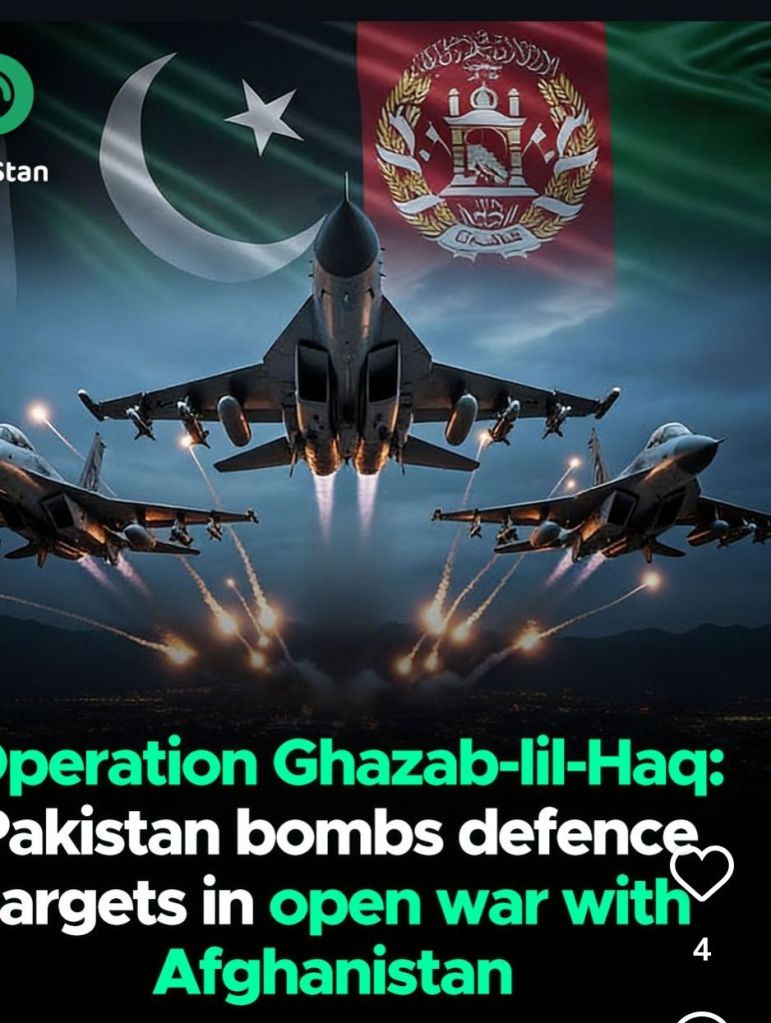
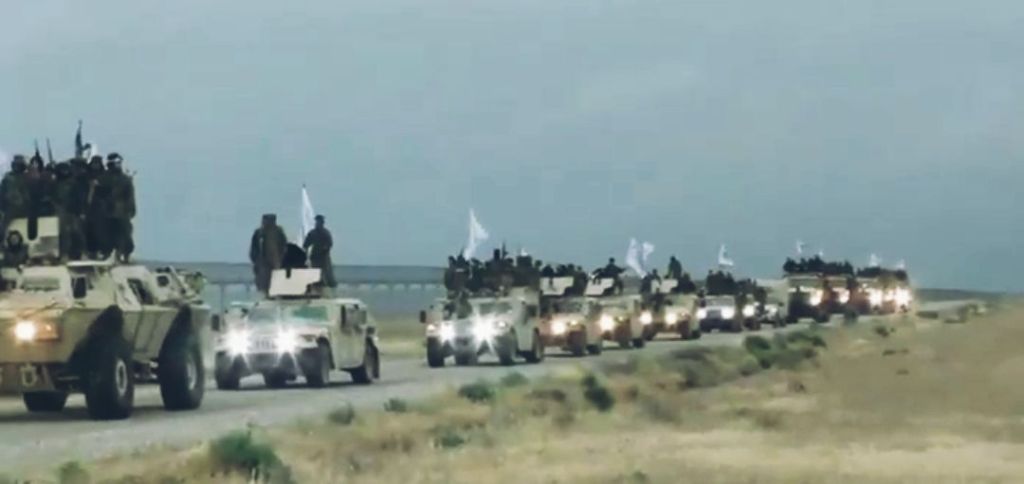
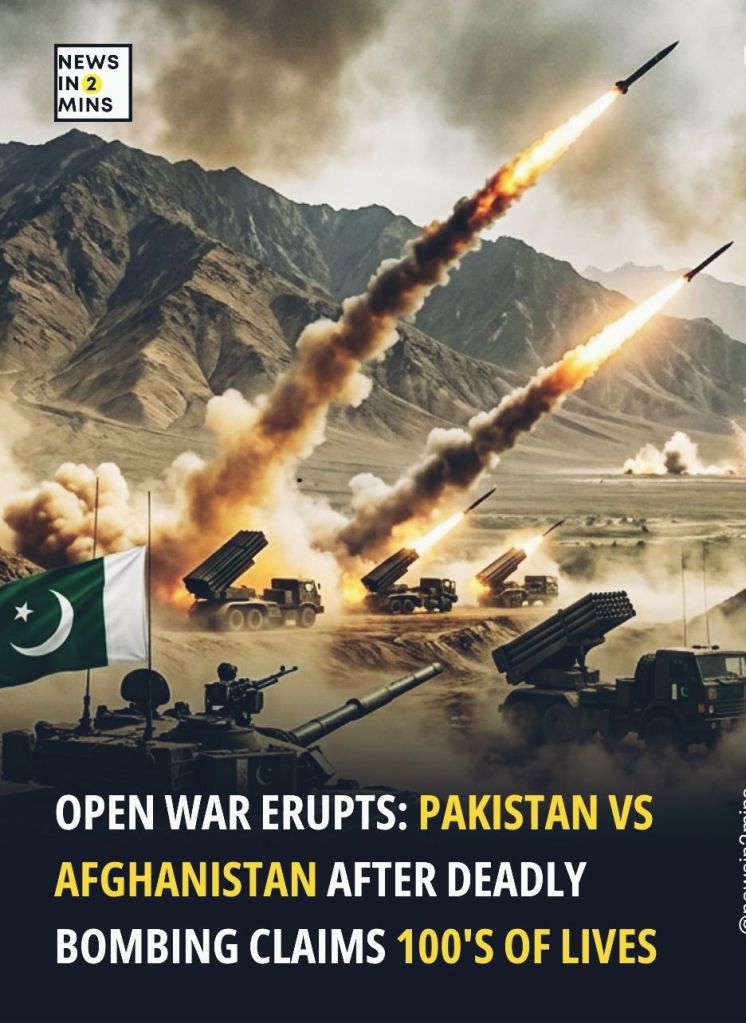
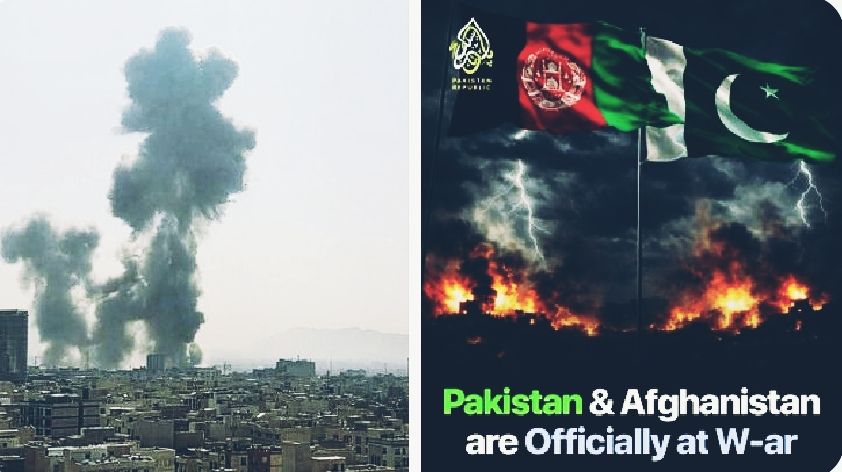
On 27 February 2026, Pakistan’s Defence Minister Khawaja Asif declared “open war” against Afghanistan, transforming weeks of artillery exchanges into an overt interstate confrontation. Airstrikes on Kabul, Kandahar, and Paktia followed heavy shelling across Chitral, Khyber, and Bajaur, pushing one of the world’s most fragile borders toward systemic rupture. Yet the volatility of this escalation lies not merely in kinetic force but in sedimented history: colonial cartography, militant sanctuaries, regional rivalries, and domestic political compulsions layered along the 2,640-kilometer Durand Line. Even as shells landed, both capitals invoked dialogue—revealing the defining paradox of this conflict: confrontation and negotiation advancing in uneasy tandem.
At the epicenter stands the Tehreek-e-Taliban Pakistan (TTP), which Islamabad accuses of orchestrating suicide attacks in Islamabad, Bajaur, and Bannu from sanctuaries inside Afghanistan. Pakistan frames the threat not as episodic militancy but as ideological export—violence incubated across the border and unleashed domestically. Kabul counters that the TTP is Pakistan’s internal problem and that cross-border strikes violate Afghan sovereignty. Analysts note that while the TTP is organizationally distinct from the Afghan Taliban, ideological affinities, factional overlap, and forbidding terrain complicate decisive containment. The “safe haven” dilemma thus converts counterterrorism into interstate confrontation, where each retaliatory strike risks widening the very war it seeks to prevent.
Beneath the immediate trigger lies the unhealed wound of the Durand Line. Drawn in 1893 by Sir Mortimer Durand under British India, the boundary cleaved Pashtun homelands and later became Pakistan’s western frontier. Successive Afghan governments have refused formal recognition, viewing the line as colonial imposition rather than legitimate border. For Pakistan, cross-border TTP movement constitutes infiltration demanding forceful response; for Afghanistan, Pakistani incursions reaffirm a century-old grievance of violated sovereignty. Consequently, even minor clashes acquire symbolic magnitude. Once artillery and airpower enter the equation, nationalist fervor begins to outpace diplomatic control, and tactical exchanges assume civilizational overtones.
External actors deepen volatility. Pakistan perceives Afghanistan’s engagement with India as strategic encirclement, suspecting New Delhi of leveraging Afghan territory to destabilize its western flank. India rejects these claims, describing its role as developmental and diplomatic. Yet in Islamabad’s security calculus, perception carries as much weight as proof. The irony is historically charged: during the Soviet-Afghan war, Pakistan functioned as conduit for Western-backed mujahideen. Today, Islamabad argues it confronts reverse proxy dynamics. Whether accurate or overstated, this belief magnifies each border clash into a theatre of regional chess, where symbolic victories matter as much as battlefield outcomes.
Domestic imperatives further constrict space for compromise. Pakistan grapples with inflation, debt distress, and public outrage over militant attacks; decisive retaliation becomes a litmus test of governmental credibility. Afghanistan’s Taliban-led administration, internationally isolated and economically strained, seeks legitimacy while managing internal divisions over TTP policy. For both governments, projecting resolve is politically safer than appearing conciliatory. The rhetoric of patience “overflowing” reflects leadership psychology under pressure—where escalation is framed as necessity rather than choice. In such atmospheres, de-escalation demands political courage greater than that required for airstrikes.
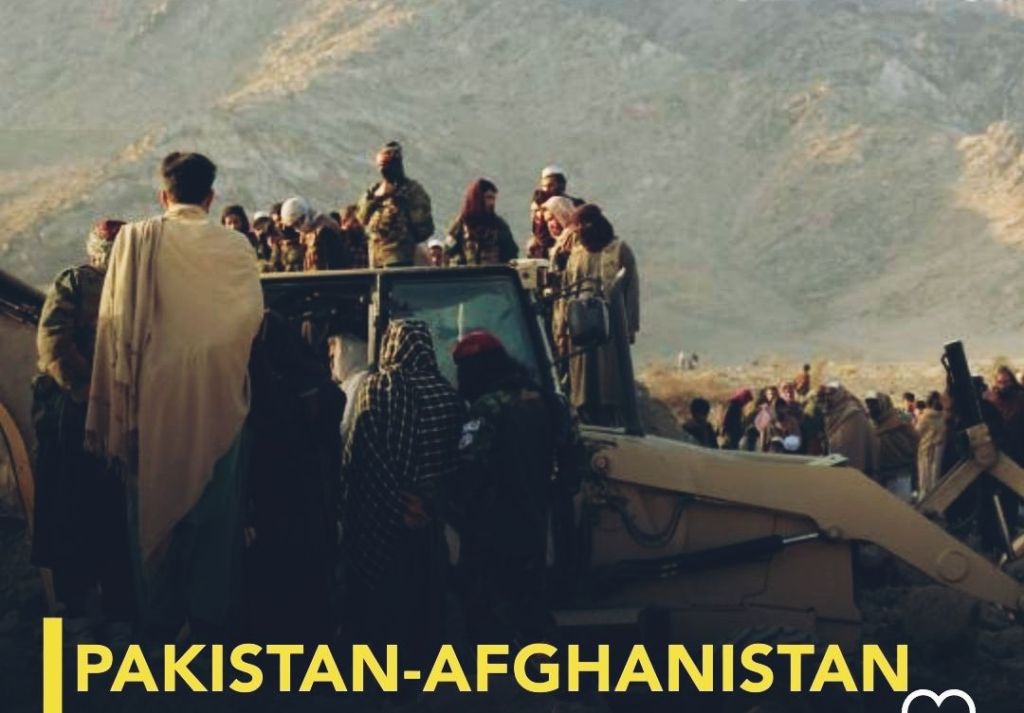
The human toll is immediate and sobering. Soldiers and civilians have been killed on both sides, displacement compounds trauma, and conflicting casualty figures illustrate not merely the fog of war but the weaponization of narrative. Border closures disrupt trade, humanitarian access, and fragile livelihoods in already vulnerable regions. Pashtun and Baloch communities straddling the frontier bear disproportionate cost, their daily survival entangled in geopolitical contest. Every airstrike deepens mistrust; every shell embeds grievance into collective memory. History offers cautionary parallels: the language of “safe havens” and “self-defense” echoes other South Asian disputes, underscoring how proxy logic eventually rebounds upon its architects.
Yet pathways away from perpetual escalation exist. Colombia’s negotiations with FARC demonstrated that phased demobilization, rural development, and independent verification can transform insurgency into political reintegration. Border management initiatives elsewhere show the stabilizing potential of joint patrols, regulated crossings, and economic incentives. Energy diplomacy—from CASA-1000 to the proposed TAPI pipeline—illustrates how shared economic stakes can temper rivalry. Sustainable peace emerges not from unilateral force but from structured, verified, and inclusive processes. Immediate ceasefire mechanisms, military hotlines, and humanitarian corridors are essential to prevent miscalculation. Mediation by culturally acceptable actors, supported by multilateral institutions, must evolve beyond episodic shuttle diplomacy toward enforceable frameworks.
Ultimately, Pakistan and Afghanistan confront a stark strategic choice. Continued confrontation risks civilian devastation, fiscal strain, and regional destabilization. Pragmatic dialogue—however politically costly—offers the only durable alternative. The Durand Line may have been drawn in colonial ink, but its future will be written by contemporary leadership. Whether it remains a bleeding scar or evolves into a managed frontier depends on prioritizing verification over accusation, civilians over rhetoric, and integration over isolation. In a region accustomed to historical repetition, breaking the cycle would be the most radical act of all.
VISIT ARJASRIKANTH.IN FOR MORE INSIGHTS

