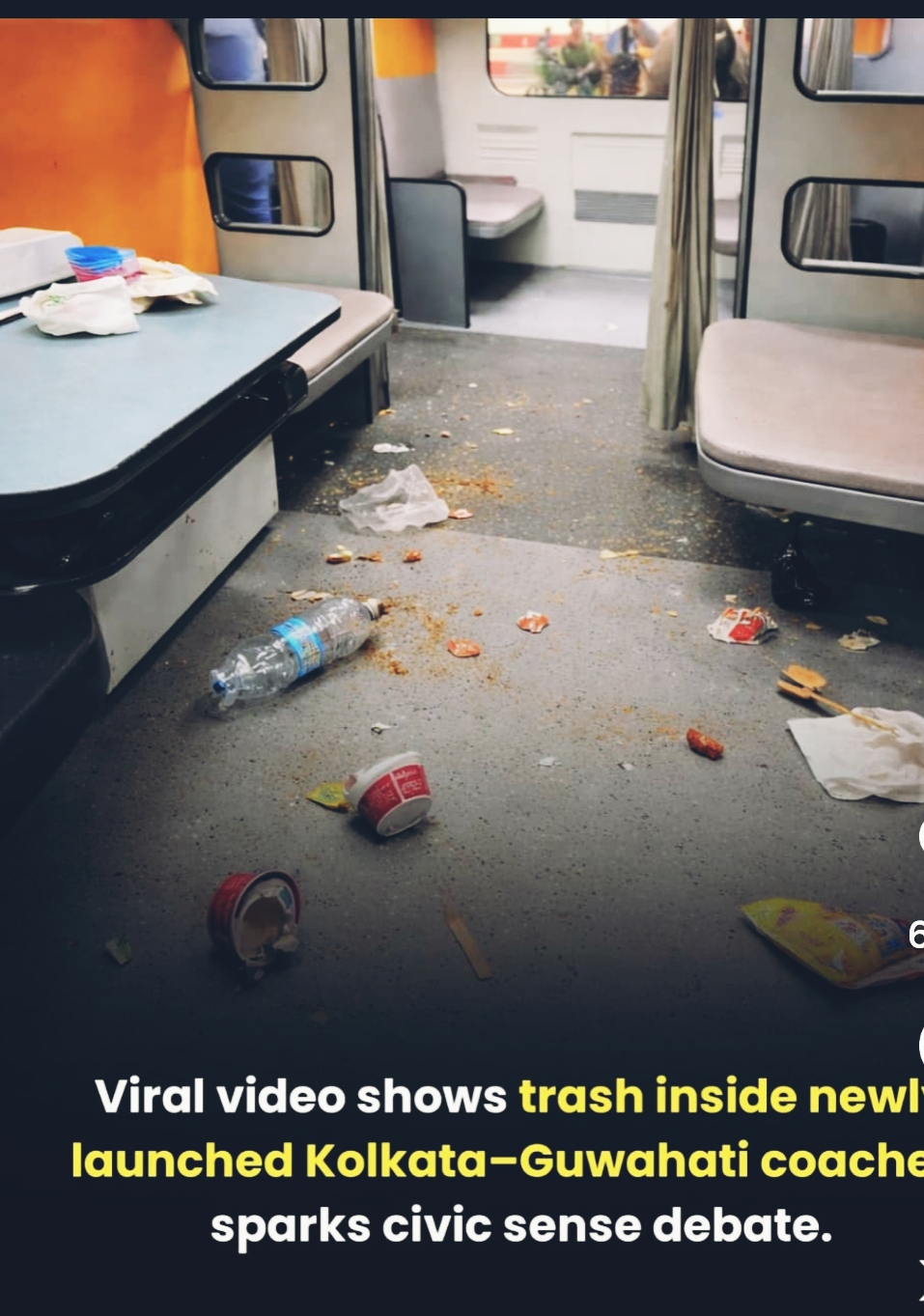
India’s infrastructure narrative today reads like a global investment brochure. High-speed corridors, glass-clad airports, seamless metro systems, and now sleeper trains designed to rival Europe in comfort and aesthetics. Yet, with unsettling regularity, reality intrudes—sometimes within hours of inauguration. The inaugural run of a flagship sleeper service from Howrah to Guwahati offered a telling vignette. Automatic doors, ambient lighting, and premium interiors were swiftly joined by plastic wrappers, discarded food trays, and disposable cutlery strewn across the coach floor. The train was world-class. The conduct within it was depressingly familiar.
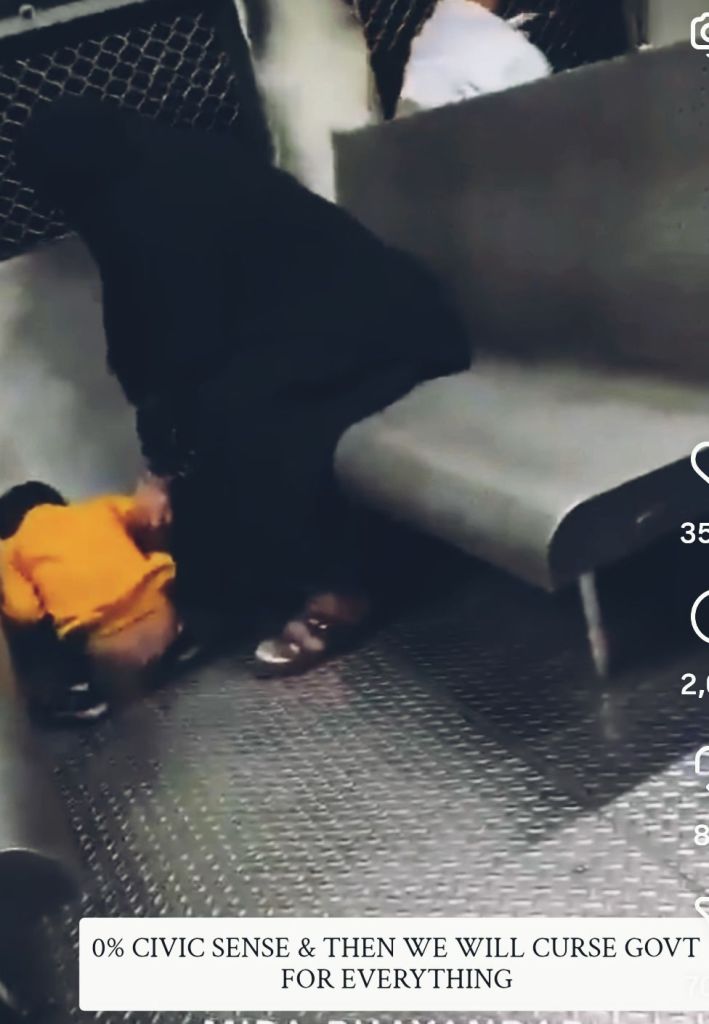
This is not a story of poverty or exclusion. A sleeper ticket priced at roughly ₹2,300 is not an act of compulsion; it is a choice. Nor can the blame be conveniently placed on the absence of cleaning staff. Housekeeping systems exist. What we are witnessing instead is a deeper, structural dissonance—the widening gap between India’s rapidly modernising hard infrastructure and its stagnant soft civic culture. We are upgrading hardware at record speed, but the software of public behaviour has failed to keep pace.

At the core lies a distinct civic psychology. Many Indians maintain spotless private homes while treating public spaces as anonymous, ownerless zones. Cleanliness, order, and care are viewed as private virtues, not collective obligations. The moment a space is labelled “government property,” personal responsibility quietly dissolves. This mindset has historical roots. Colonial governance created public systems that were distant and unowned.
Post-independence, the state evolved into a service provider rather than a shared civic enterprise. Over decades, this bred a corrosive belief: public assets exist to be consumed, not respected.
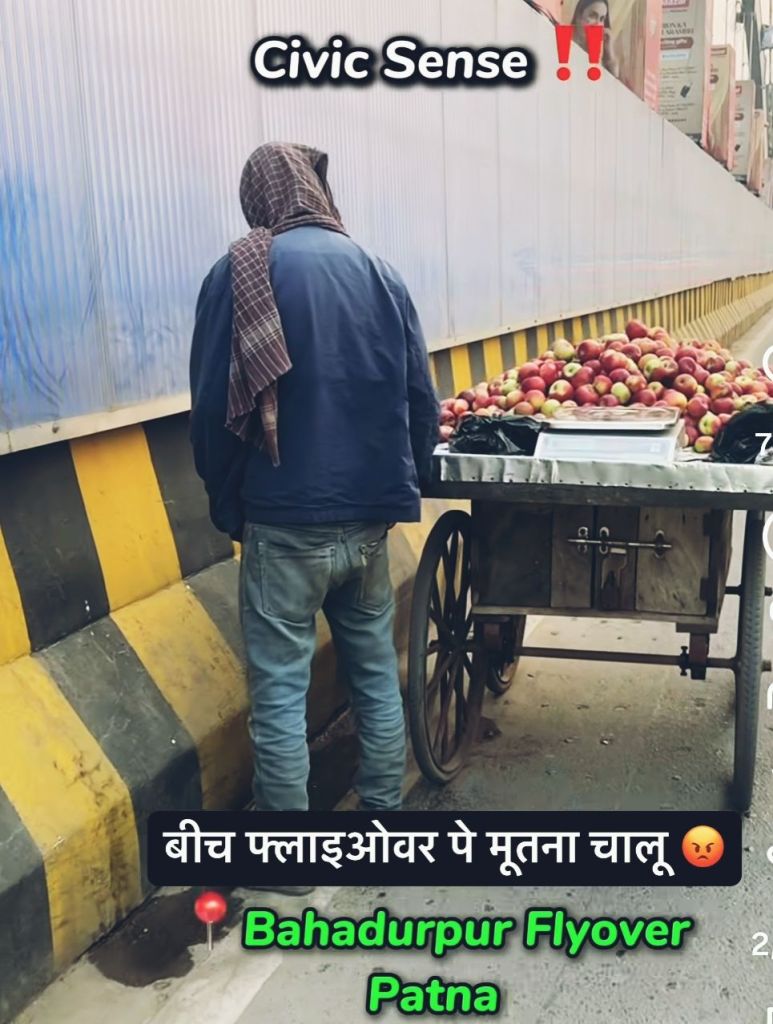
Compounding this is the deeply ingrained chalta hai ethos—a cultural tolerance for disorder and minor violations. Littering is normalised as inevitable. Damage is rationalised as inconsequential. Social sanction, the most powerful regulator of behaviour in many societies, is conspicuously absent. Where a disapproving glance or public censure acts as a deterrent elsewhere, in India, calling out misconduct is often dismissed as unnecessary confrontation or misplaced moralism.
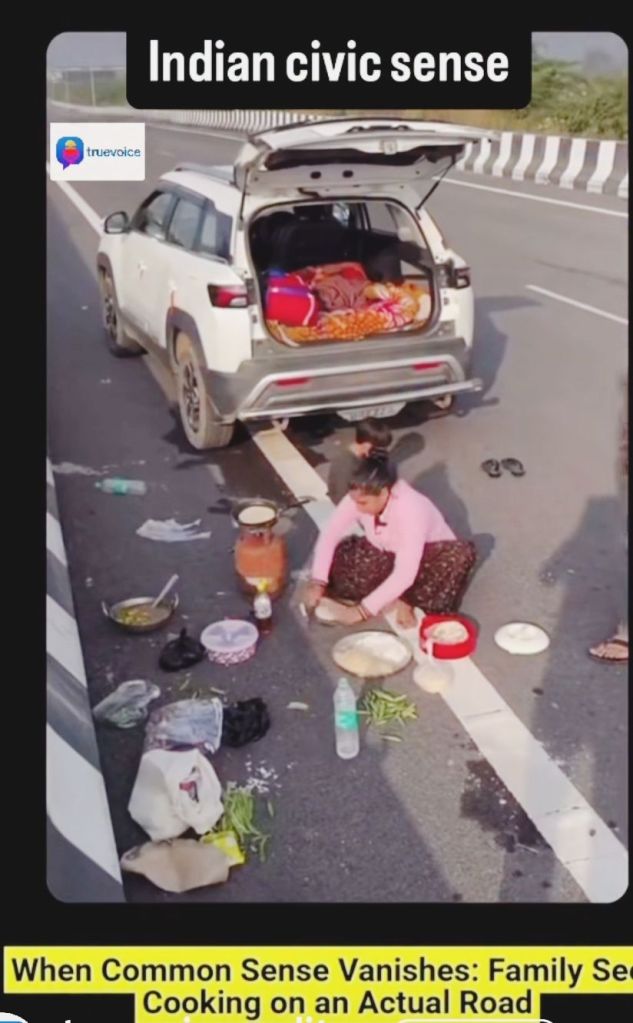
Governance has inadvertently reinforced this imbalance. Infrastructure creation is politically rewarding—visible, inauguratable, and photographable. Behavioural change, by contrast, is slow, unglamorous, and difficult to measure. Consequently, billions are invested in steel, glass, and technology, while negligible resources are devoted to civic education, social norming, or sustained behavioural campaigns. Enforcement mechanisms exist, but they are sporadic, underpowered, and frequently negotiable. Rules applied inconsistently eventually lose not just authority, but legitimacy.
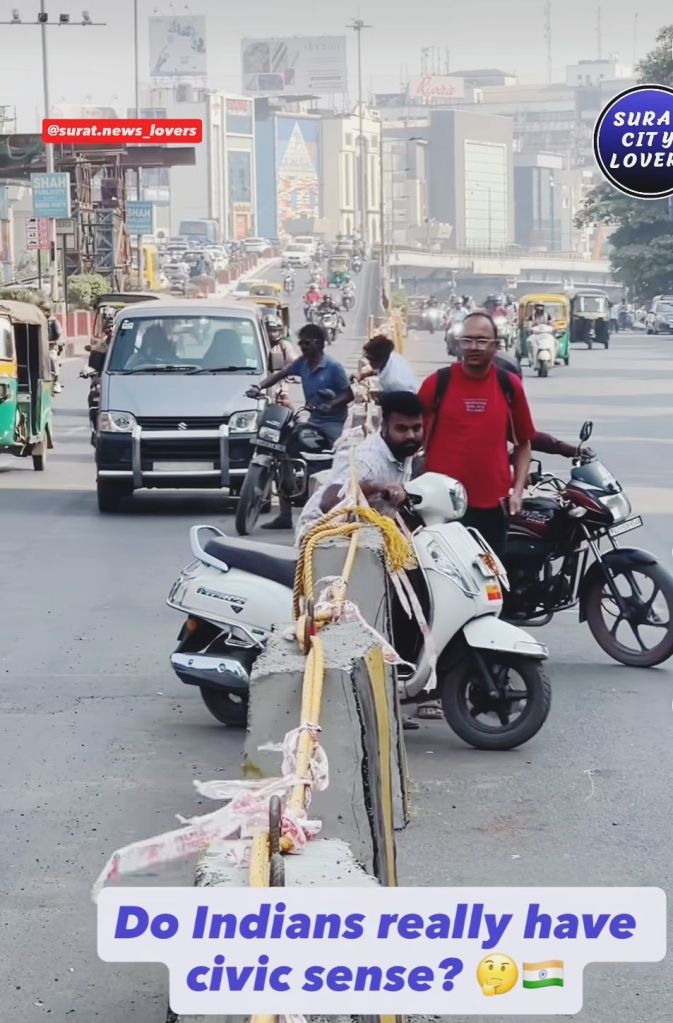
Rapid urbanisation has further strained the system. Millions have migrated into dense urban environments without being culturally inducted into urban civic norms. The education system offers little help. Civic sense is taught as a textbook concept rather than a lived discipline. Students memorise constitutional duties but are rarely trained in the everyday habits of citizenship—queuing, waste segregation, respect for shared assets. Values remain theoretical; behaviour remains unchanged.
The consequences are predictable. Expensive infrastructure deteriorates prematurely. Maintenance costs escalate. Public discourse turns cynical: What is the point of building world-class facilities when Indians cannot maintain them? The sentiment is unfair, but it persists—and corrodes national confidence from within.
The solution lies neither in moral grandstanding nor in nostalgic calls for discipline. It requires a deliberate alignment of infrastructure investment with civic conditioning. A small but mandated fraction of every infrastructure budget must be earmarked for behavioural interventions—localised campaigns, community engagement, sustained messaging, and norm-setting. Enforcement, particularly in the early years of a project, must be visible, technology-enabled, and non-negotiable to reset expectations. Equally important are positive social nudges—public recognition, peer reinforcement, and narratives that link pride with responsibility.
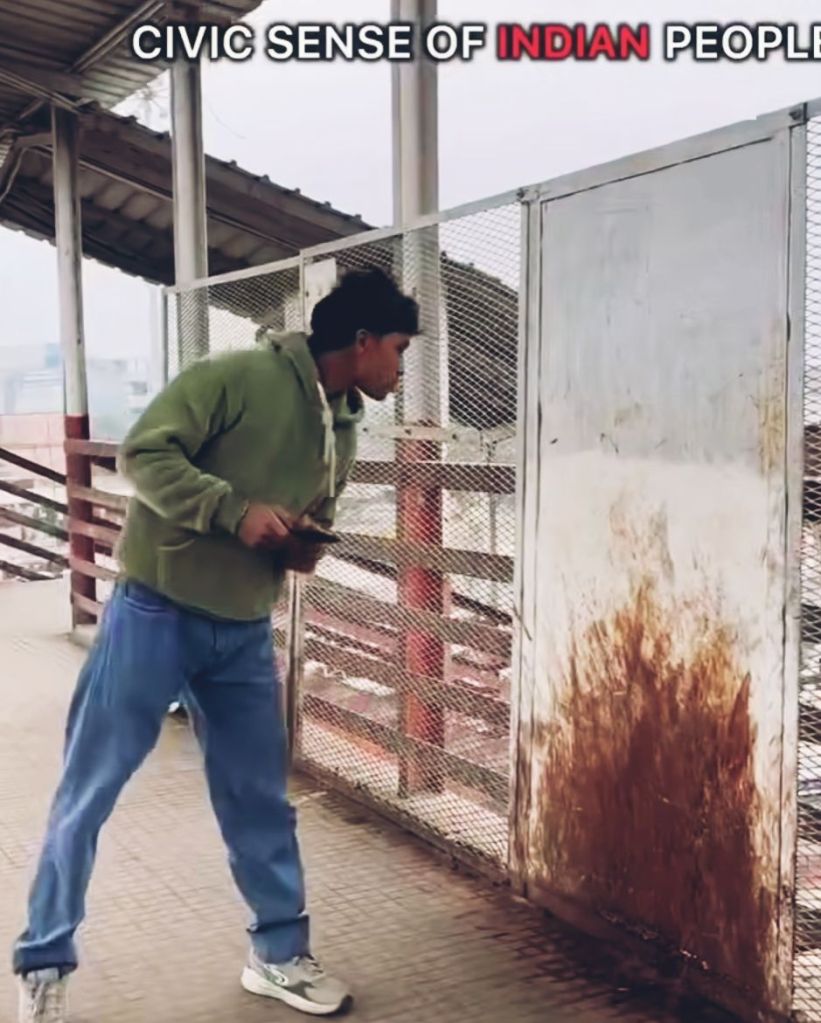
Above all, the narrative must shift. Civic sense cannot be framed as obedience to authority; it must be reframed as ownership. Respecting a train coach, a metro station, or a public footpath is not about pleasing the state. It is about respecting fellow citizens—and one’s own future. The cleanest societies are not those with the most cleaners, but those with the fewest people who assume someone else will clean up after them.
India’s development challenge has evolved. It is no longer just about building the future; it is about learning how to inhabit it. Until civic behaviour rises to meet civic ambition, we will continue to purchase first-class dreams—and travel through them like indifferent tenants, leaving behind a mess no amount of technology can truly erase.
Visit arjasrikanth.in for more insights
 SOCIAL PERSPECTIVES
One response to “World-Class Infra , Third-Class Habits: India’s Hardware Outpaces Its Civic Software”
What to comment?!
Pathetic people, abusing the hard earned Independence, without s care for our country nor the fellow country persons.
We will see Amrit Bharat trains being destroyed within no time.
When it comes to this type of behavior, nothing seperates us-
Class, Caste, Colour, Religion etc.
We are all animals!
LikeLike