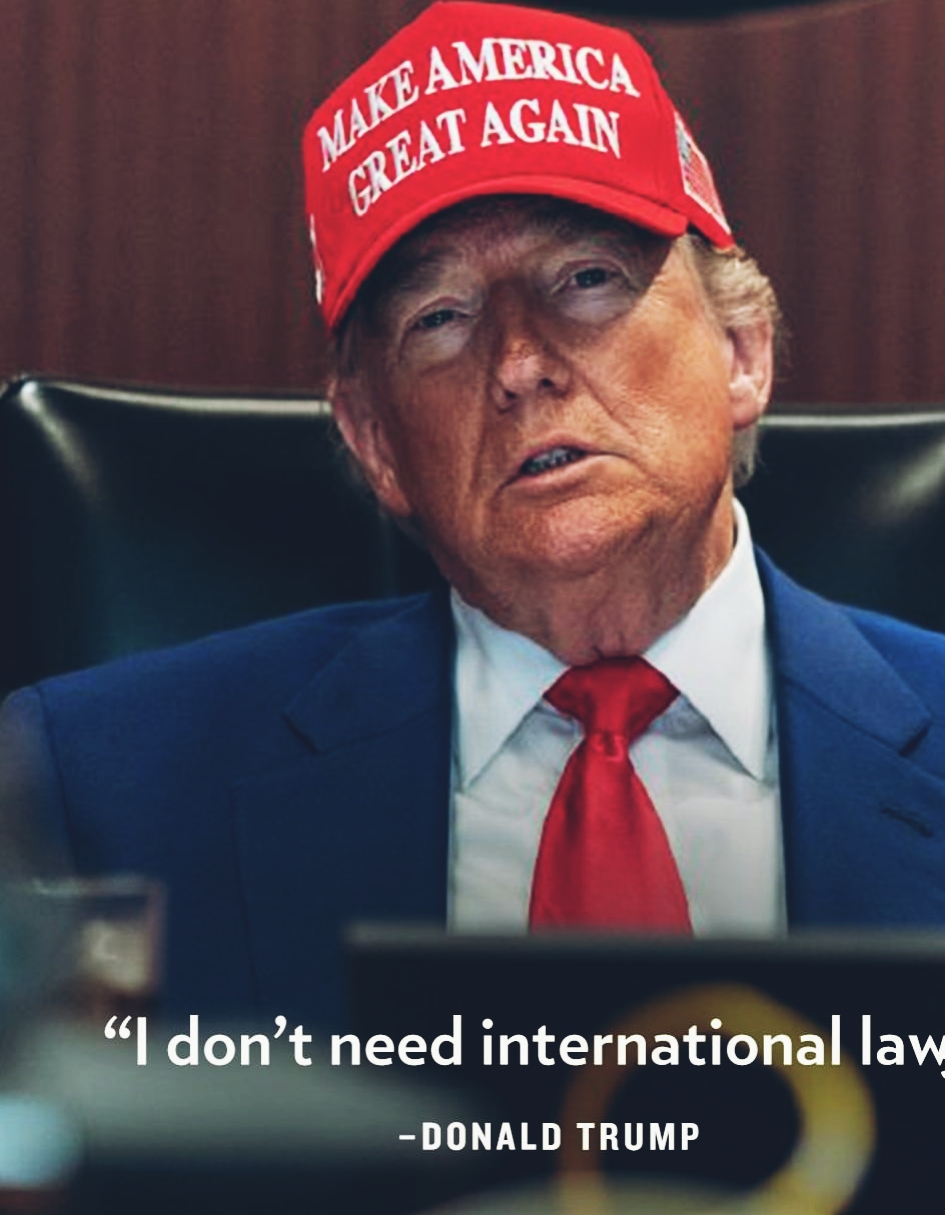
Donald Trump did not merely occupy the American presidency; he reprogrammed it. His governance was anchored less in ideology, party doctrine, or institutional continuity and more in psychology—his own. To understand the internal shifts within the American state and the global recalibration that followed his rise, one must begin not with policy documents but with personality. Trump governed as he lived: loudly, instinctively, transactionally, and theatrically. In doing so, he broke decisively from the managerial, process-driven presidency that had defined the post–Cold War era and replaced it with a model in which the leader’s inner wiring functioned as the state’s operating system.
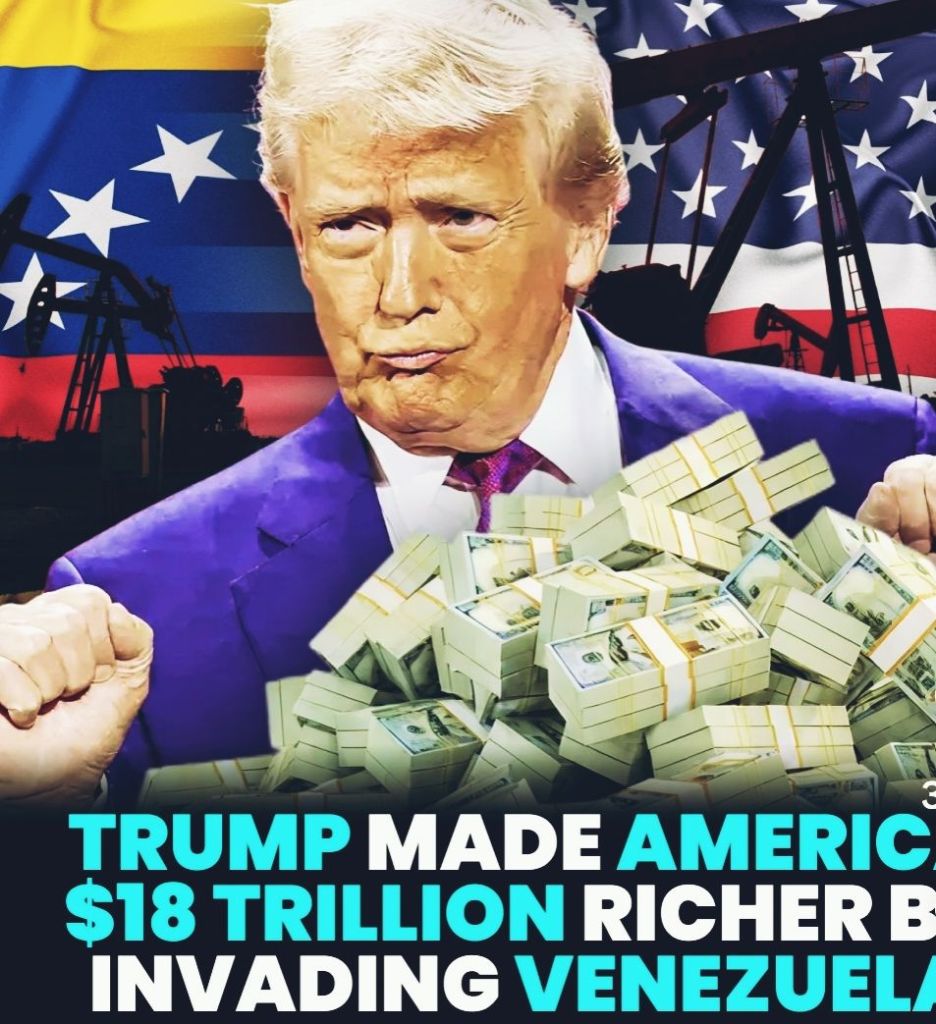
At the core of Trump’s psychology lay extreme dominance-seeking extroversion paired with low agreeableness. He thrived on confrontation, visibility, and conflict, instinctively framing politics as a zero-sum contest between winners and losers. Compromise, within this mental framework, appeared not as prudence but as weakness. This explains why his governance was adversarial not only toward opponents but also toward allies, institutions, and even members of his own administration. His well-documented narcissistic traits—grandiosity, craving for admiration, hypersensitivity to criticism—were not rhetorical flourishes; they structured access, loyalty, and survival within the White House. Praise translated into proximity, dissent into exile. Governance resembled a court orbiting a single gravitational ego rather than a modern bureaucracy.
Trump’s cognitive style intensified these tendencies. He privileged narrative over data, instinct over expertise, and repetition over nuance. Complex policy realities were compressed into emotionally resonant slogans—“America First,” “Make America Great Again,” “Fake News”—that reduced ambiguity and reinforced binary thinking. This was not mere simplification but psychological preference. Black-and-white framing allowed him to govern at the speed of impulse, bypassing the friction of deliberation and institutional review. Social media became not simply a communication tool but an extension of executive impulse itself, collapsing the distance between thought, emotion, and state action in real time.
These traits were not born in politics; they were honed long before. New York real estate taught Trump that negotiation is combat, leverage is everything, and relationships are disposable once utility expires. Reality television refined his understanding that attention is power and drama is governance by other means. From The Apprentice, he absorbed the logic of spectacle: narrative domination, public humiliation, surprise reversals, and the centrality of the strongman figure. Politics, for Trump, became not the art of the possible but the art of the watchable—an arena where visibility substituted for legitimacy and performance for process.
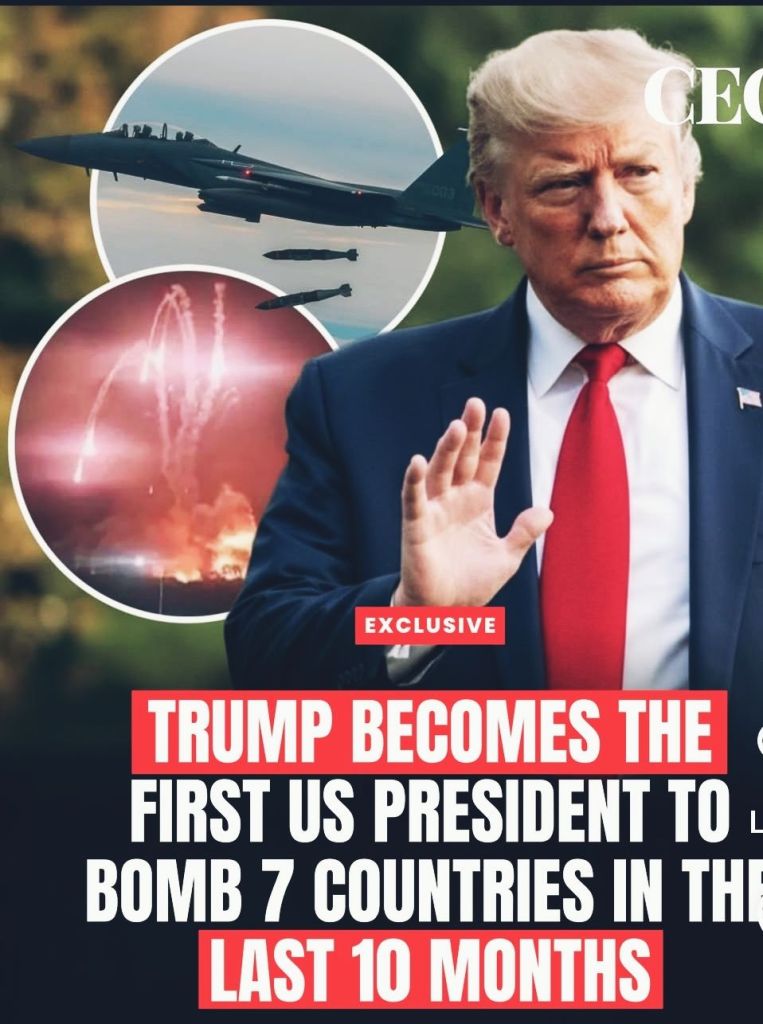
Domestically, this produced a personality-driven administration that strained democratic norms without formally dismantling them. Long-standing conventions—judicial independence, the insulation of law enforcement, transparency around conflicts of interest—were treated as negotiable obstacles rather than structural guardrails. Executive authority expanded not through constitutional rupture but through relentless pressure, acting appointments, public intimidation, and norm erosion. Governance increasingly targeted the political base rather than the national center, converting policy into a permanent campaign and politics into an existential identity struggle rather than a contest of ideas.
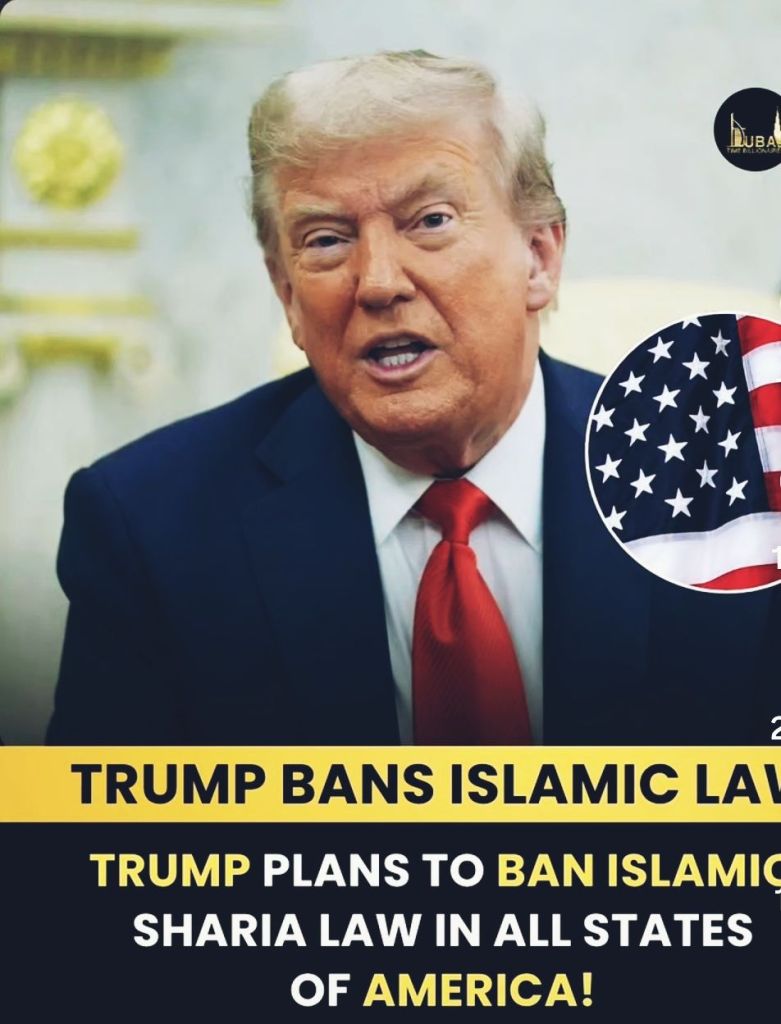
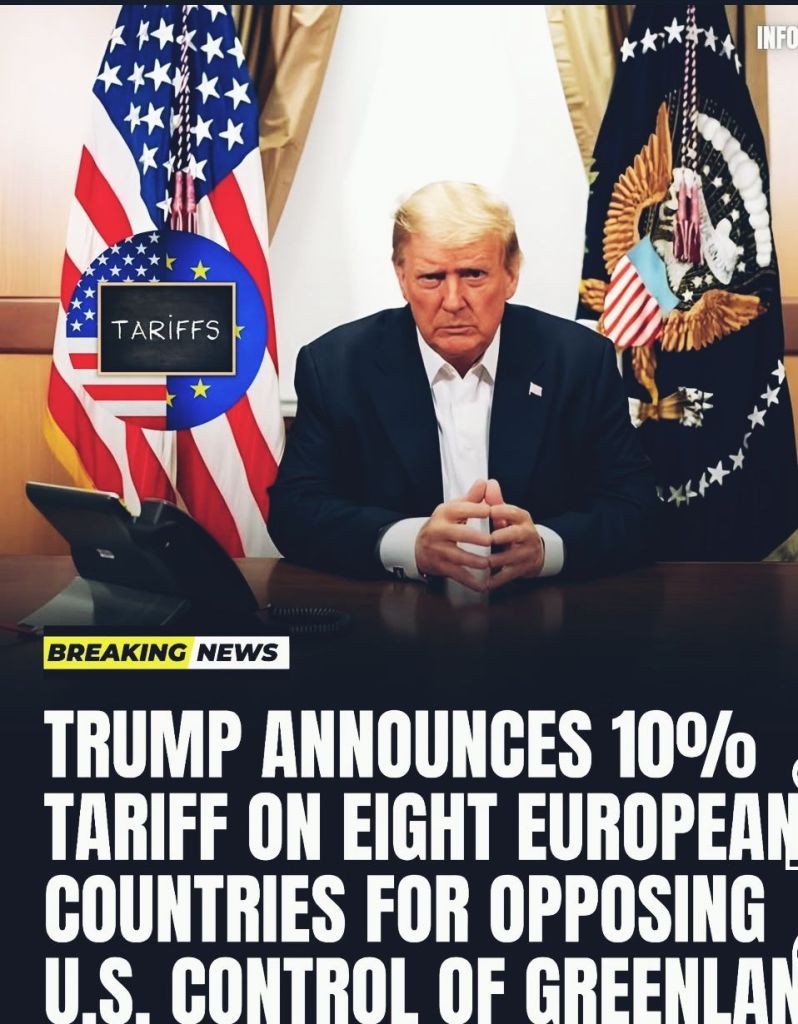
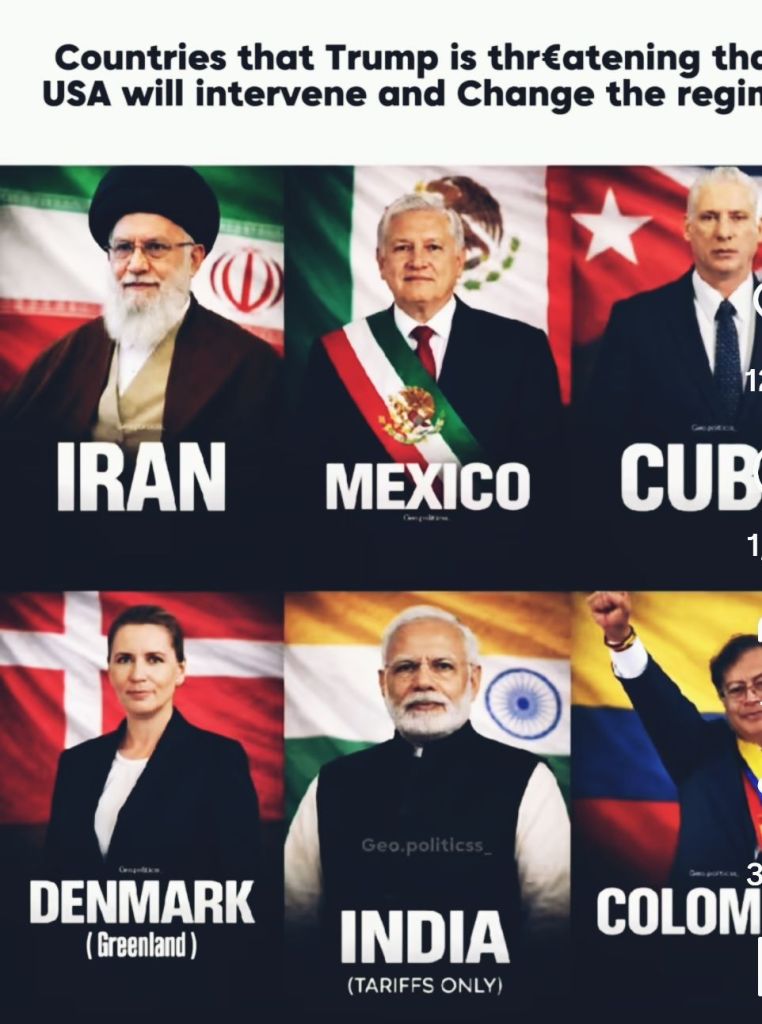
Globally, Trump’s psychology translated into a radically transactional foreign policy. Alliances were evaluated as balance sheets, multilateralism dismissed as constraint, and unpredictability weaponized as strategy. His affinity for authoritarian strongmen was not ideological but psychological—rooted in admiration for visible power, decisiveness, and personal control. While he avoided large-scale wars, his erratic signaling unsettled allies and encouraged strategic hedging, even as U.S. soft power eroded and great-power rivalry intensified. The long-term consequences are structural: a Republican Party reshaped around personal loyalty, a fragmented information ecosystem, allies recalibrating against American volatility, and a global populist template exported worldwide. Ultimately, the Trump phenomenon demonstrated that in the age of mass media and permanent attention, the psychology of a single leader can bend institutions, redefine norms, and reshape how power itself is imagined and exercised.
Visit ajrasrikanth.in for more insights
 SOCIAL PERSPECTIVES
One response to ““The Presidency as Personality: Donald Trump and the Psychological Rewiring of American Power” ”
excellent piece into the insights of trumps regime his personality
LikeLike