Mining in India, at first glance, resembles an accountant’s nightmare and a geologist’s boredom: endless tables of coordinates, grades, depths, probabilities, and risks stacked against uncertainty. But that impression comes from starting at the wrong end of the story. India’s mineral wealth is not a catalogue; it is a biography. It is the violent autobiography of a landmass that has been melted, drowned, torn apart, stitched together, scorched, buried, and finally hurled into another continent. Every tonne of iron, coal, bauxite, gold, limestone, or lithium extracted today is not merely a commodity—it is a footnote to a four-billion-year planetary drama that began long before India existed, before continents existed, before life itself learned how to breathe.
The story opens in a world without land. Early Earth was wrapped in a global ocean, capped by a thin, unstable crust floating on a convulsing mantle. Magma leaked constantly through this crust, cooled in seawater, sank, reheated, and was crushed again, slowly forming a crystalline basement of granite-like rock. These submerged foundations are among the oldest surviving rocks on Earth, now exposed in belts stretching from the Dharwar craton in the south to Singhbhum in the east. They became India’s first mineral vaults not by chance but by chemistry under extreme conditions. Three billion years ago, Earth’s oceans carried no oxygen. Molten iron dissolved freely in seawater—until microscopic life rewrote planetary chemistry.

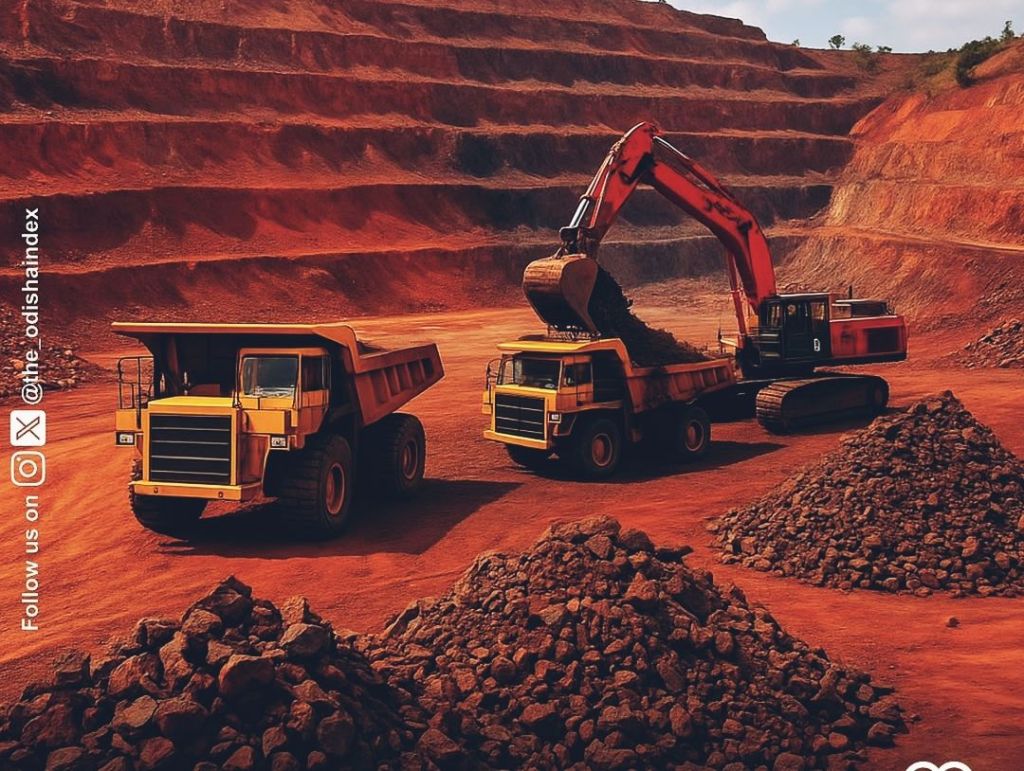
When early bacteria began releasing oxygen as waste, it reacted violently with dissolved iron. Rust precipitated out of the oceans in rhythmic pulses, settling on the seabed in layered sheets known as banded iron formations. These deposits, still visible across Jharkhand, Odisha, and Karnataka, now underpin India’s steel industry. Gold followed a different route. Superheated water deep underground dissolved metals and silica, forcing its way through fractures and cooling slowly to deposit quartz veins laced with gold. Karnataka’s ancient gold belts are not veins of luck; they are scars left by boiling fluids punching through primordial crust.
Once land emerged, it did not rest. Between one and two billion years ago, what is now Rajasthan was ripped apart by deep rifting. Ocean water rushed into fractures, heated beyond 200°C, and leached zinc, lead, copper, and silver from surrounding rocks. These metal-rich fluids erupted back onto the seabed like submarine geysers, cooling instantly and dropping sulphide layers as metallic snow. When tectonic forces later reversed, those thin layers were folded, compressed, and thickened into ore bodies. The base metal deposits of the Aravalli belt are fossils of submarine violence, preserved by continental collision.

As tectonic fury eased, geology entered a quieter phase. Shallow seas flooded the subcontinent’s interior, filling vast basins from the Vindhyas to the Cuddapah with sand, clay, lime, and mud. Calcium-rich seawater, periodically stirred by microbial life, deposited thick limestone blankets on the seabed. Pressure and time turned some of this limestone into marble. These unassuming sediments became India’s cement backbone and building stone, forming the literal foundations of cities long before humans imagined them. This was geology in a patient mood, storing strength for a future economy.

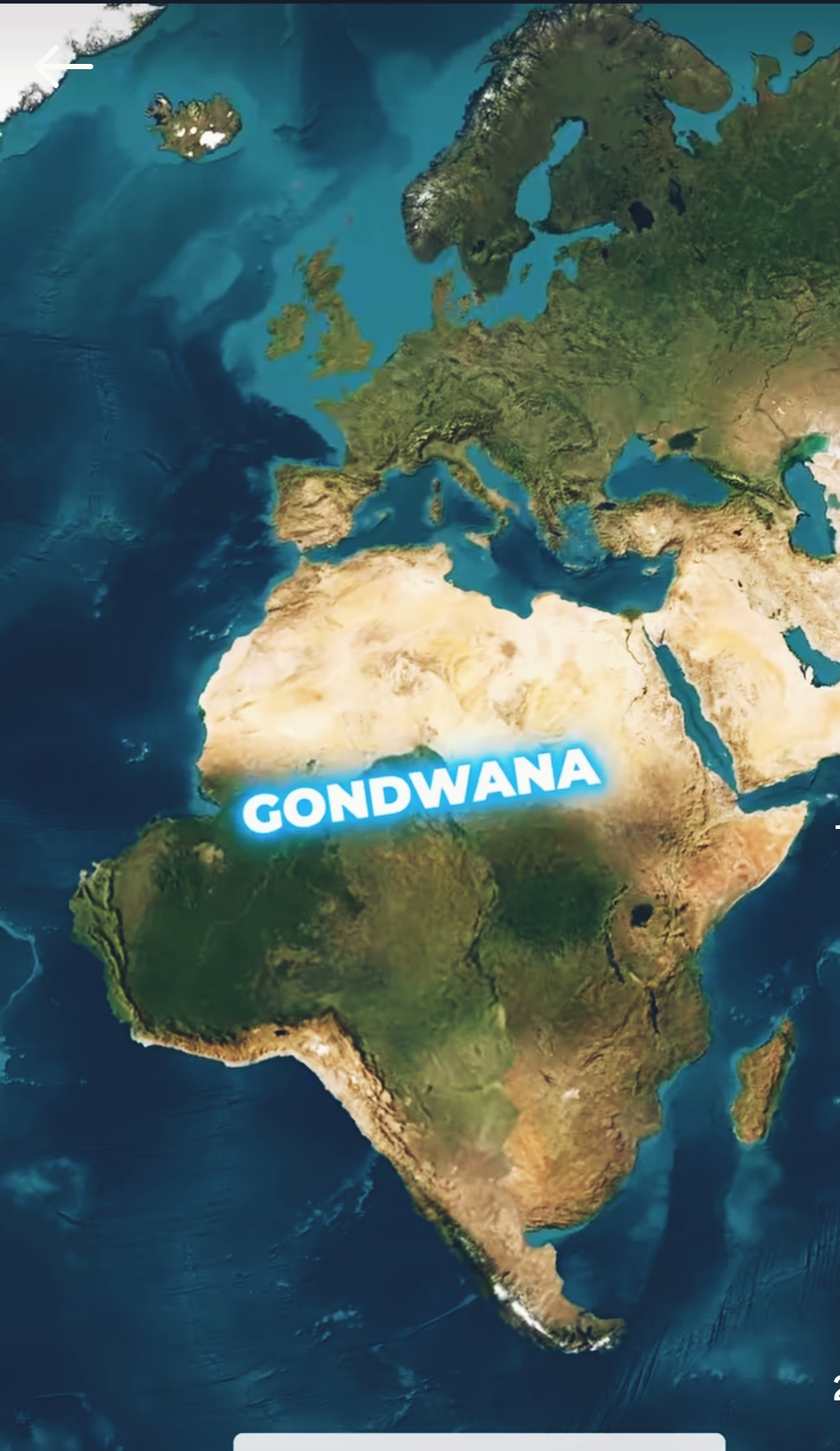
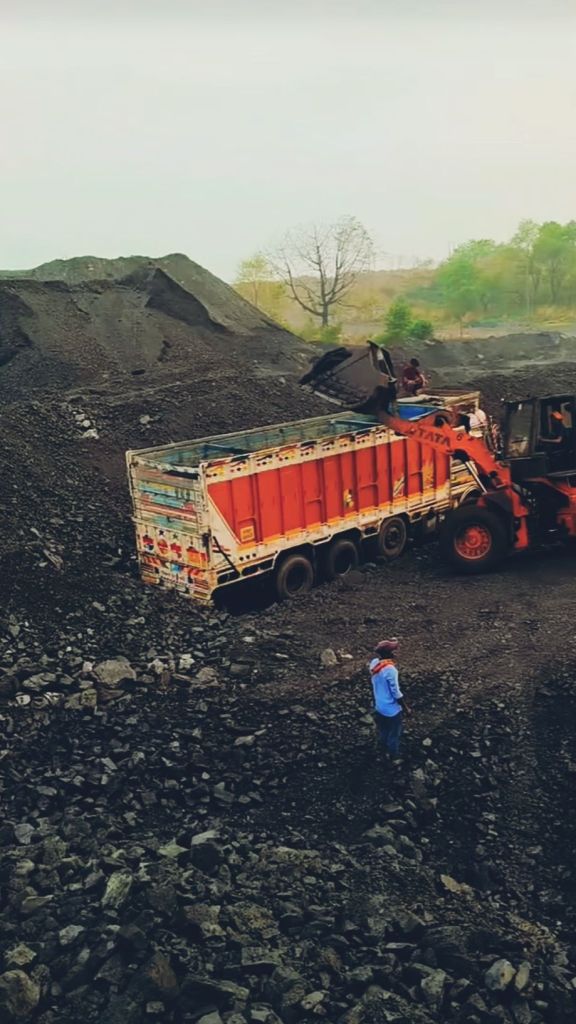
Around 300 million years ago, India was welded to Africa, Antarctica, and Australia within Gondwana. Contrary to its icy name, Gondwana was lush and humid. As it fractured, rift valleys opened across eastern and central India. Rivers poured vast quantities of plant matter into these troughs, burying it under sand and clay. Over millions of years, pressure transformed this biomass into coal. But transport mixed plant material with sediment, giving Indian coal its defining weakness: extraordinarily high ash content. Nearly all of India’s coal lies in these ancient river valleys, a geological inheritance that still shapes power economics today.
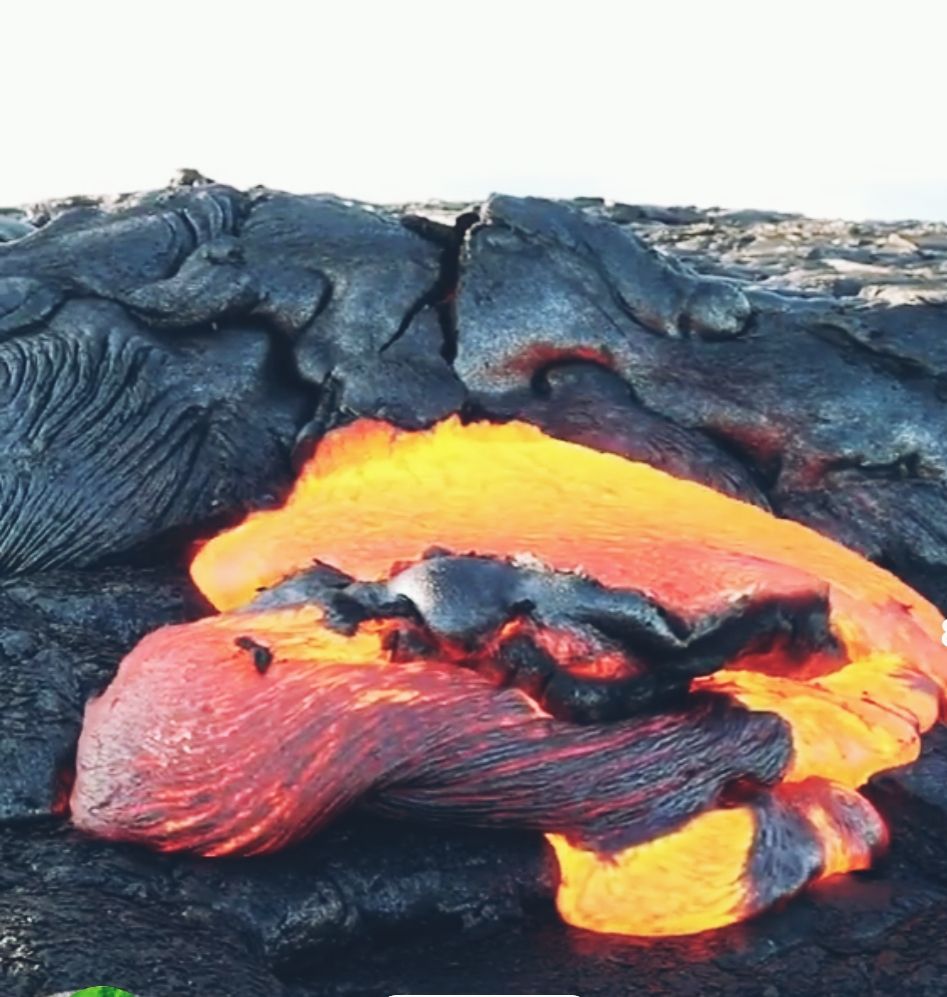
Then came catastrophe. Sixty-six million years ago, India drifted over the Réunion hotspot. Magma pooled beneath the crust until it erupted catastrophically, flooding western and central India with lava in one of Earth’s largest volcanic events. The Deccan Traps spread over half a million square kilometres, choking the atmosphere with carbon dioxide and helping end the age of dinosaurs. When the eruptions ceased, rain and heat leached the basalt, washing away soluble elements and leaving aluminium-rich residues. This chemical bleaching produced the bauxite caps that crown plateaus across Maharashtra and Gujarat today.
India’s final act was collision. Racing northward, it slammed into Asia, crumpling its edge into the Himalayas—a process still ongoing. This collision remobilised metals, driving hot fluids through fractures and depositing copper, zinc, lead, silver, and even lithium closer to the surface. Yet the same violence destroyed many older deposits, leaving the Himalayas rich in tectonic drama but poor in large, easily mineable ores.
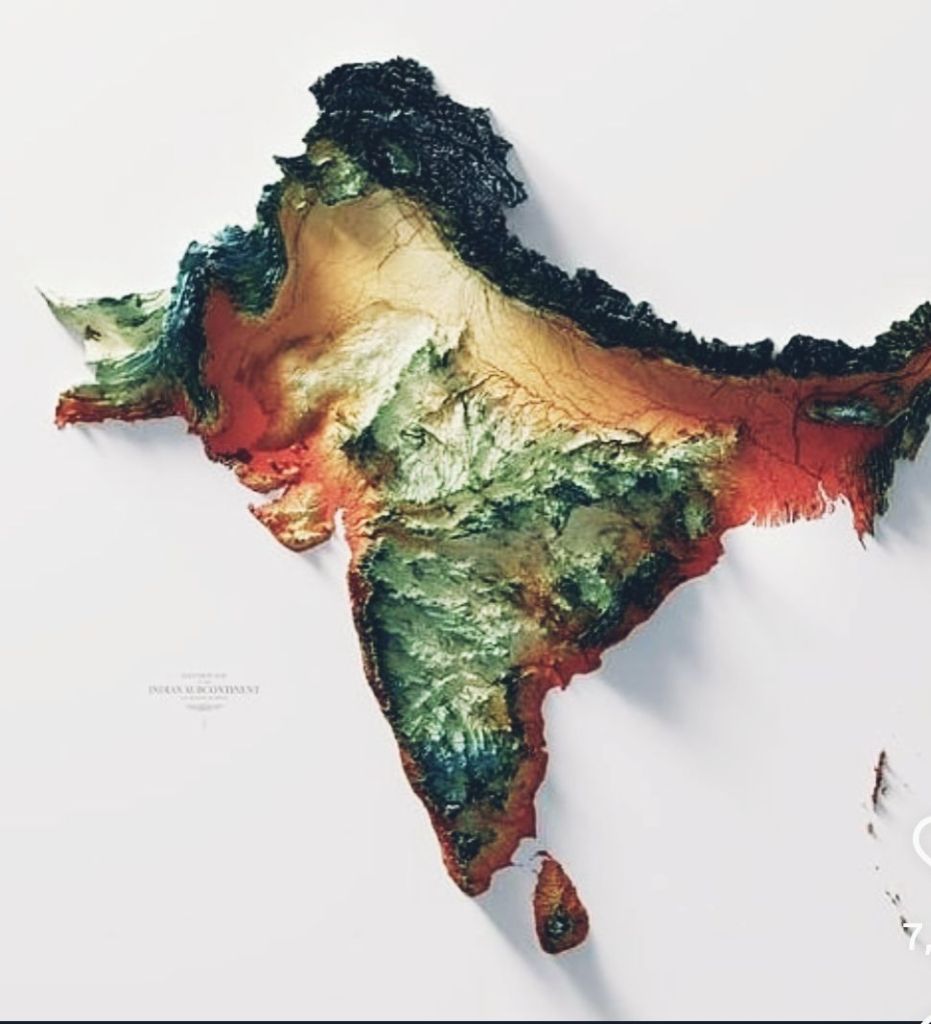
Even now, the autobiography continues quietly. Rivers grind mountains into sand, waves sort minerals by weight, and black sands rich in titanium gather along southern beaches. Every challenge in Indian mining—deep ore bodies, groundwater loss, high ash coal, complex beneficiation—flows directly from this history. Mining in India is difficult because India itself was never gentle. Its minerals are not gifts; they are survivors of Earth’s most brutal experiments, waiting for us to understand the forces that made them before we dare to extract them.
Visit arjasrikanth.in for more insights


5 responses to “India Is Not Mined—It Is Remembered: A Geological Autobiography Written in Ore and Fire”
This knowledge piece of write-up is both comprehensive and elaborate! It runs parallel only to the research work of a student of the discipline geology. It is well articulated and laced with data – factual as well as statistical. It reflects a deep involvement of yourself with the subject and testifies that you invest yourself in the study! Excellent! Keep it up. God bless you.
LikeLike
good sir
LikeLike
sir,
It’s absolutely thoughtful , and insightful piece of illuminating the professionals in the respective fields as it covers a wide range of domains. Thanks for educating us.
Warm regards,
LikeLike
excellent writing on plate tectonics,as well as mineral mountains and a geographical insight of the subcontinent very interesting sir
LikeLike
informative sir.good article.
LikeLike