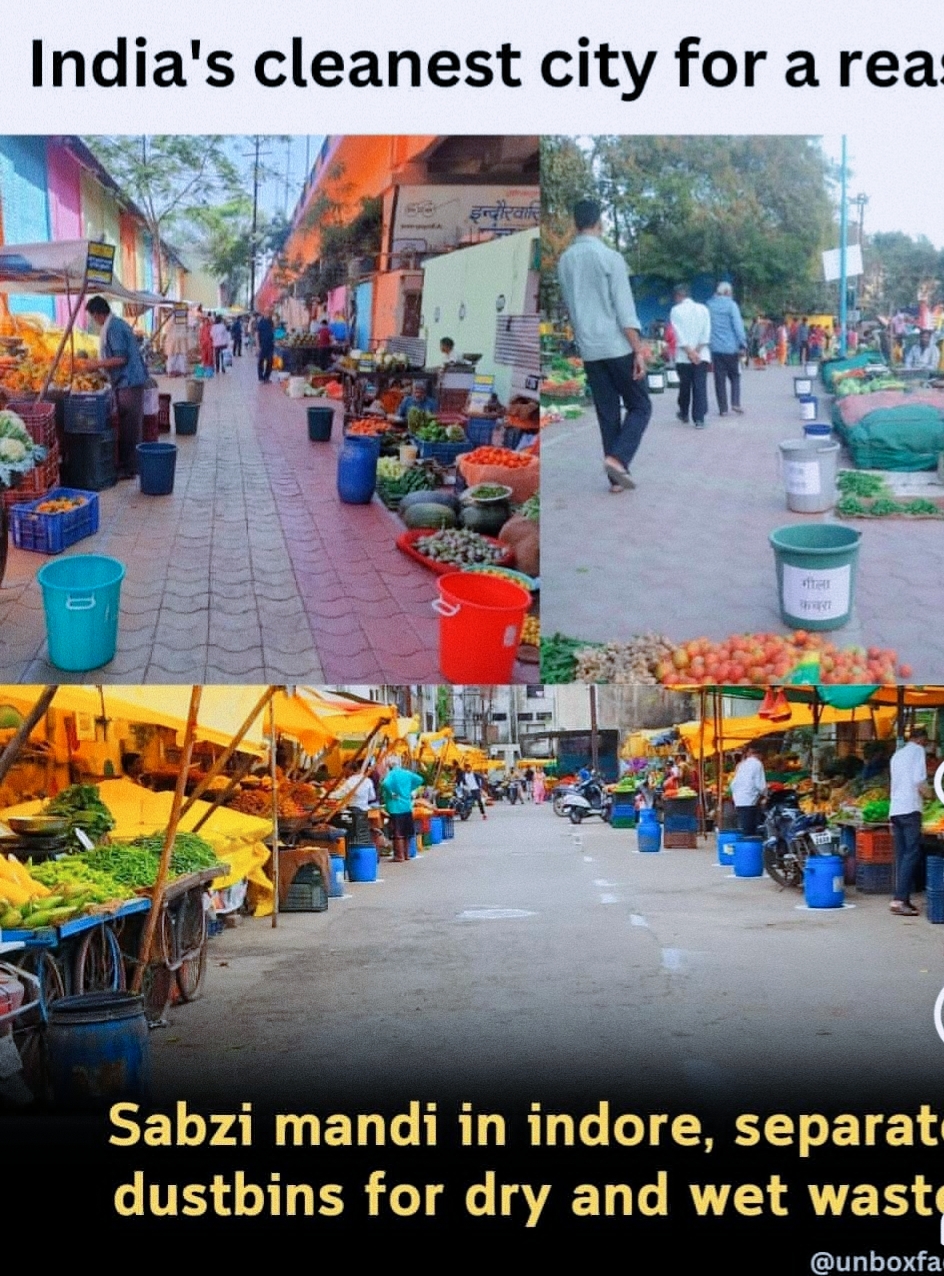
From trash heaps to national treasure—Indore’s unstoppable eight-year reign as India’s cleanest city rewrites the rules of urban transformation.
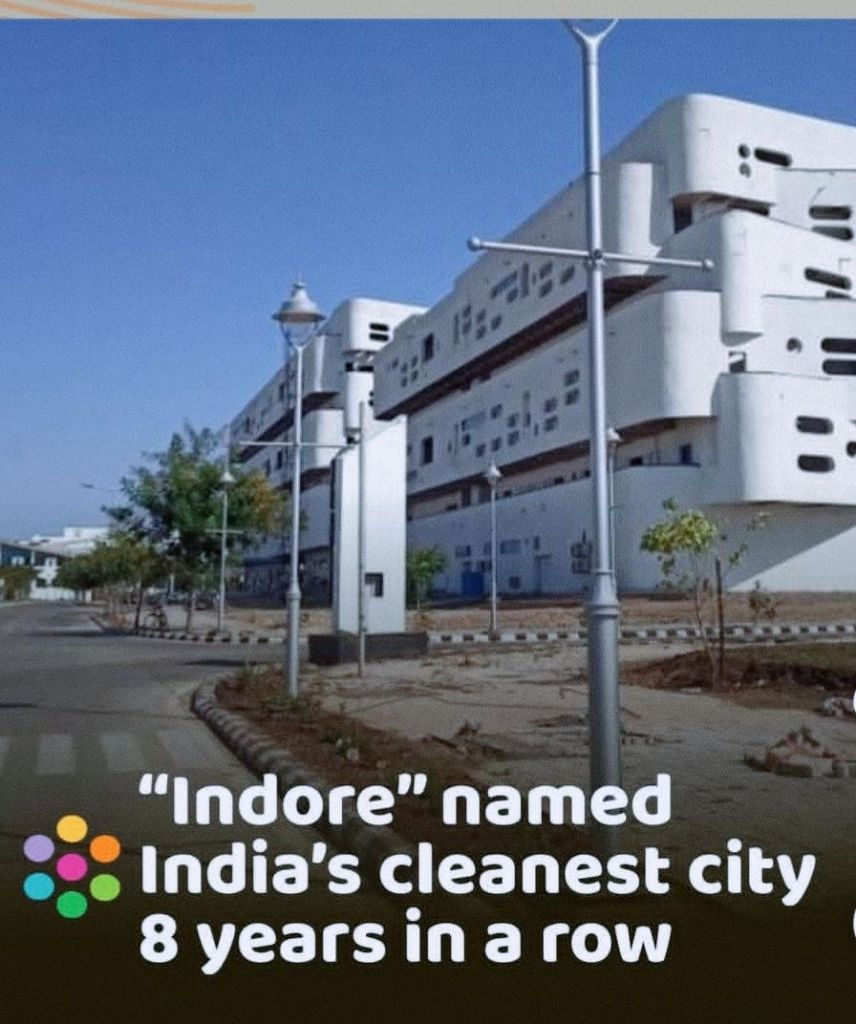
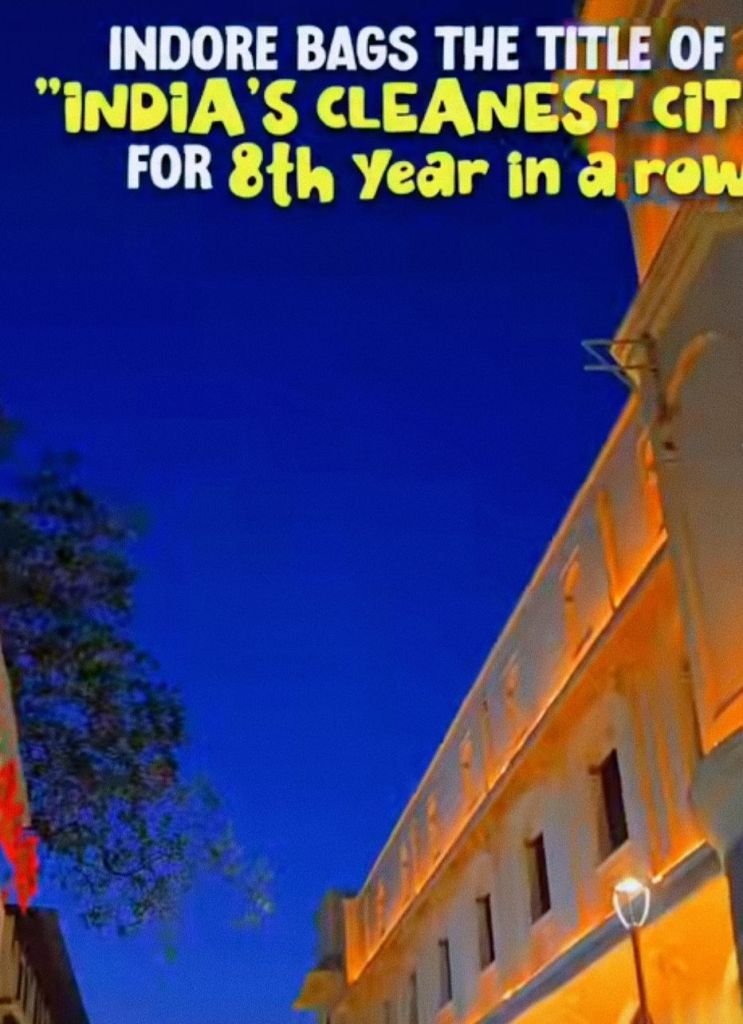
There’s a saying that cleanliness is next to godliness—but in Indore, it’s also next to greatness. The city that once choked under its own waste has now become India’s uncontested cleanliness capital, winning the crown of India’s cleanest city for an unprecedented eighth year in a row in the Swachh Survekshan 2024–25 rankings. What Indore has done is not just maintain hygiene—it has rewritten the very grammar of urban governance, proving that when systems, technology, and citizens unite, even the dirtiest problem can become a national miracle.
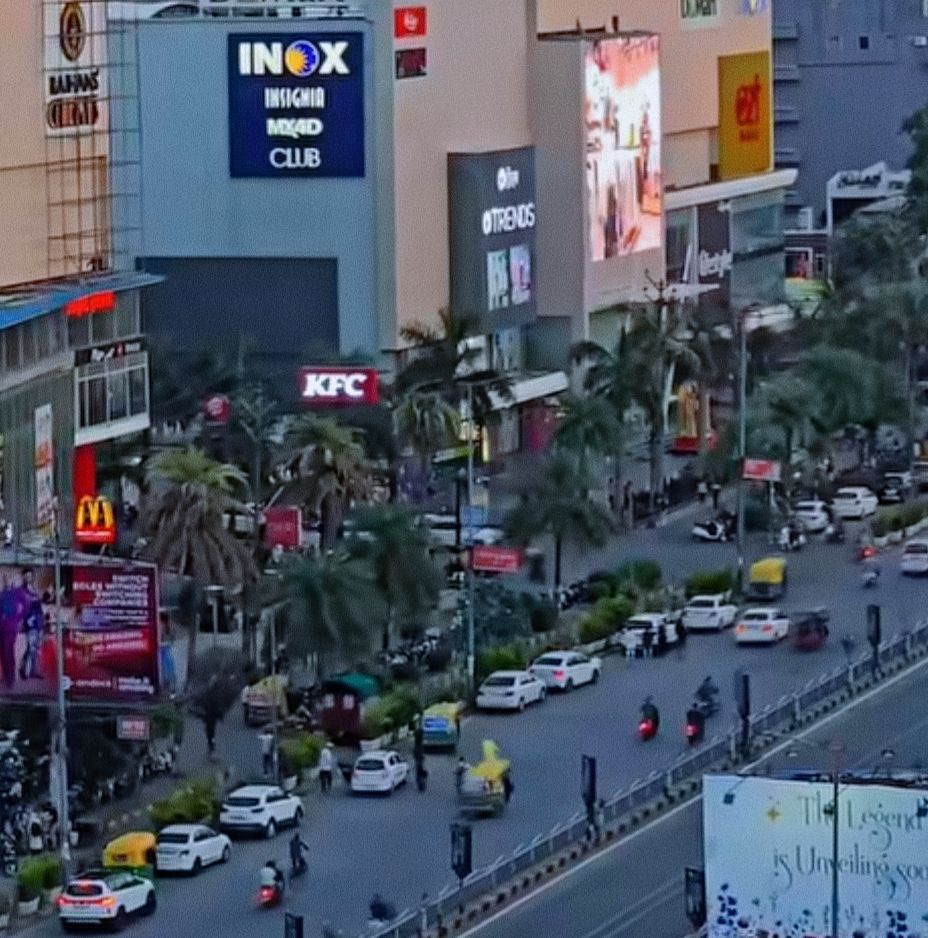
To understand Indore’s meteoric rise, one must go back to 2015, when the city languished at rank 149. Piles of garbage, chaotic collection systems, and indifferent citizens painted a bleak picture. Fast forward to today, and Indore has built a model so robust that it has become the “Oxford Dictionary” of cleanliness for other cities. Its formula is deceptively simple but powerfully effective: systemic waste management, technological governance, and deep community participation—all stitched together with unrelenting civic pride.
The backbone of Indore’s transformation lies in its systemic waste management. Every household now separates waste into six distinct categories—wet, dry, hazardous, sanitary, construction, and electronic. This segregation at source, which might sound like an urban utopia elsewhere, is a daily ritual in Indore. Over 850 GPS-enabled vehicles weave through the city’s lanes each morning, ensuring 100% door-to-door collection. Nothing is left to chance; everything is monitored, tracked, and analysed.
But Indore’s genius doesn’t stop at collection—it creates value from waste. Its Asia’s largest Bio-CNG plant, which processes 550 tonnes of wet waste every day, converts organic waste into clean energy that powers city buses. This “waste-to-wealth” ecosystem has transformed garbage from a civic nuisance into a renewable asset, generating both energy and revenue. What was once an unbearable smell of rot is now the fuel driving the city forward—literally.
Complementing this backbone is the city’s embrace of technology and governance. Every garbage truck is GPS-tracked, bins are IoT-enabled, and a central command centre watches over the city’s hygiene in real time. The Municipal Commissioner doesn’t rely on anecdotal reports but on data dashboards that measure performance by the hour. Littering isn’t just frowned upon—it’s fined. Over 2,000 public toilets are maintained to perfection, making cleanliness not a campaign but a civic habit. Indore’s governance model runs like a precision machine: transparent, data-driven, and unyielding in accountability.
Yet, no amount of technology could have worked without the people. Indore’s real superpower is its citizens. The administration didn’t just make them participants—it made them co-owners of the mission. The “Ho Halla” campaign turned cleanliness into a citywide celebration with catchy jingles that became street anthems. Communities joined WhatsApp groups to monitor their own neighbourhoods. Unique initiatives like Bartan Banks, which lend utensils to avoid disposable plastics, and Jhola Banks, which distribute cloth bags, redefined sustainability at a human level. Most heart-warming of all is the formalization of 8,500 Safai Mitras—the unsung sanitation warriors—who now wear uniforms, use protective gear, and receive fair salaries. Dignity of labor is no longer a slogan—it’s visible on every spotless street corner.
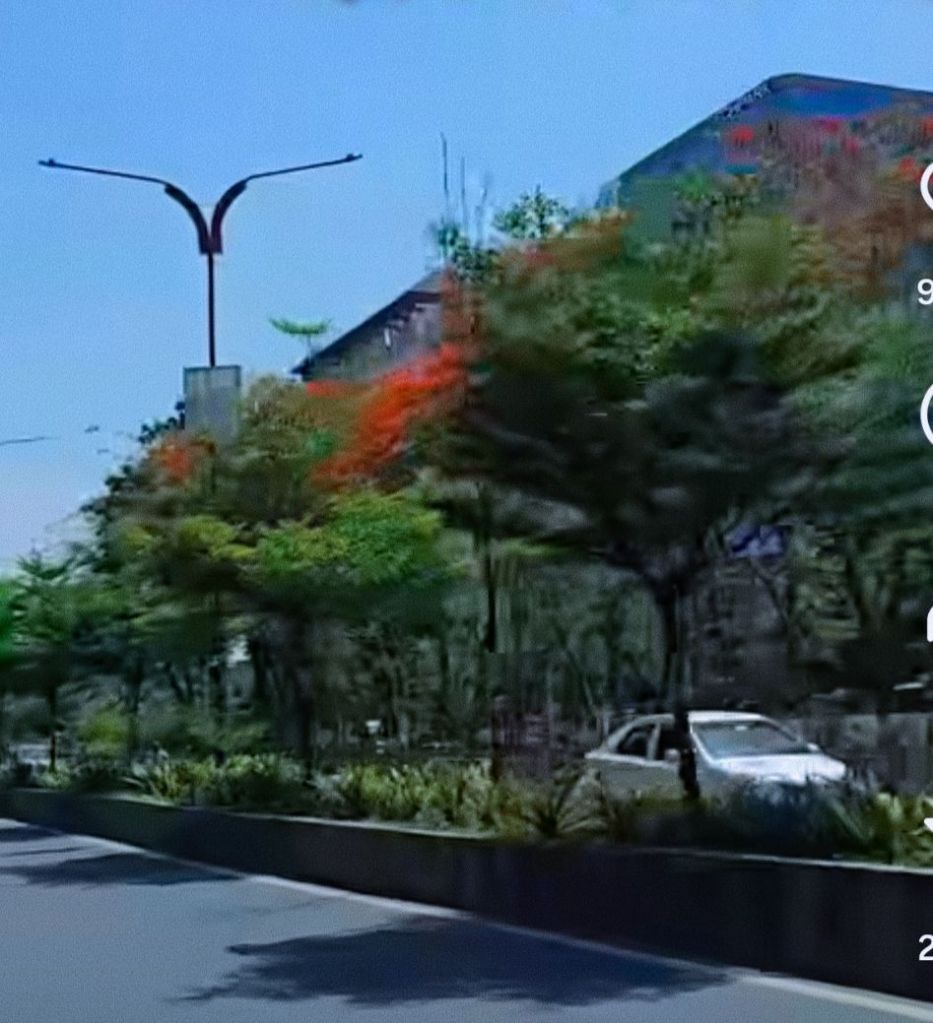
Indore’s victory isn’t a coincidence; it’s a culture. The city has proved that discipline and pride can coexist with joy and creativity. When a city internalizes cleanliness as a shared value rather than an imposed duty, transformation becomes self-sustaining. The difference between Indore and others isn’t in the bins or trucks—it’s in the belief that every citizen is accountable for the city’s image.
But the story doesn’t end with trophies and rankings. Indore’s next mission is even more ambitious: to minimize waste generation at the source, expand home composting, digitize waste tracking down to each household, grow urban forests, and achieve carbon neutrality by 2030. The focus is shifting from managing waste to eliminating it altogether—a leap from cleanliness to sustainability.
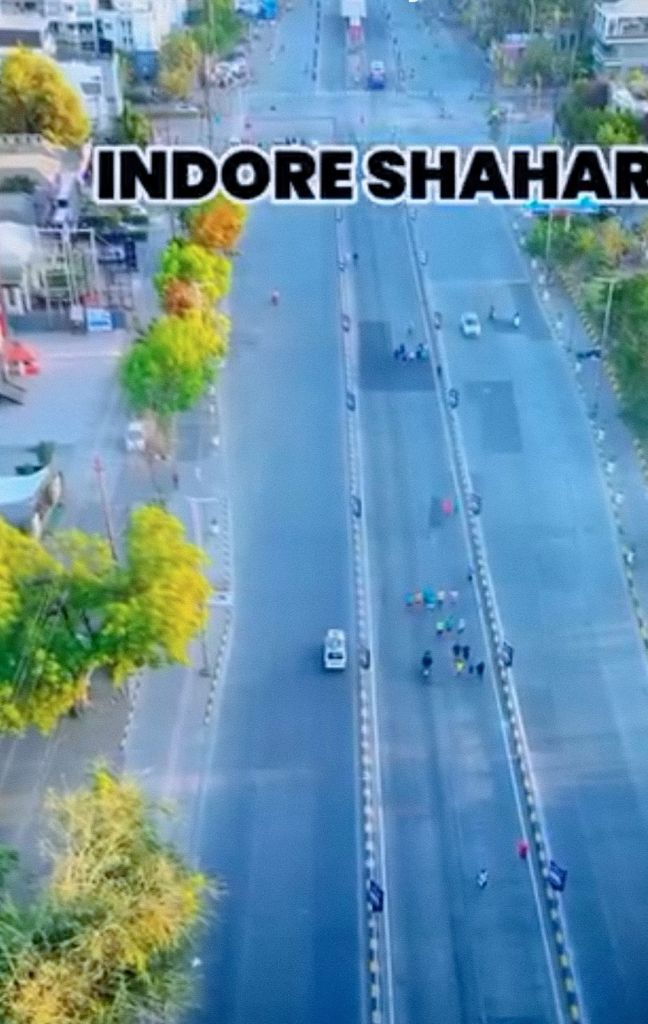
Challenges remain. A growing population, expanding city limits, and rising consumption patterns will test Indore’s resilience. Extending this level of sanitation to slums and peri-urban areas requires constant innovation and vigilance. Civic pride, like any flame, needs tending. But if there’s one city that has shown the grit to rise above complacency, it is Indore.
The Indore Model has now transcended geography. Cities across India—from Surat to Navi Mumbai—are studying and replicating its success. Indore’s journey from filth to fame is more than an urban transformation; it’s a civic renaissance. It has shown that good governance is not about grand speeches or massive budgets—it’s about systems that work and citizens who care.
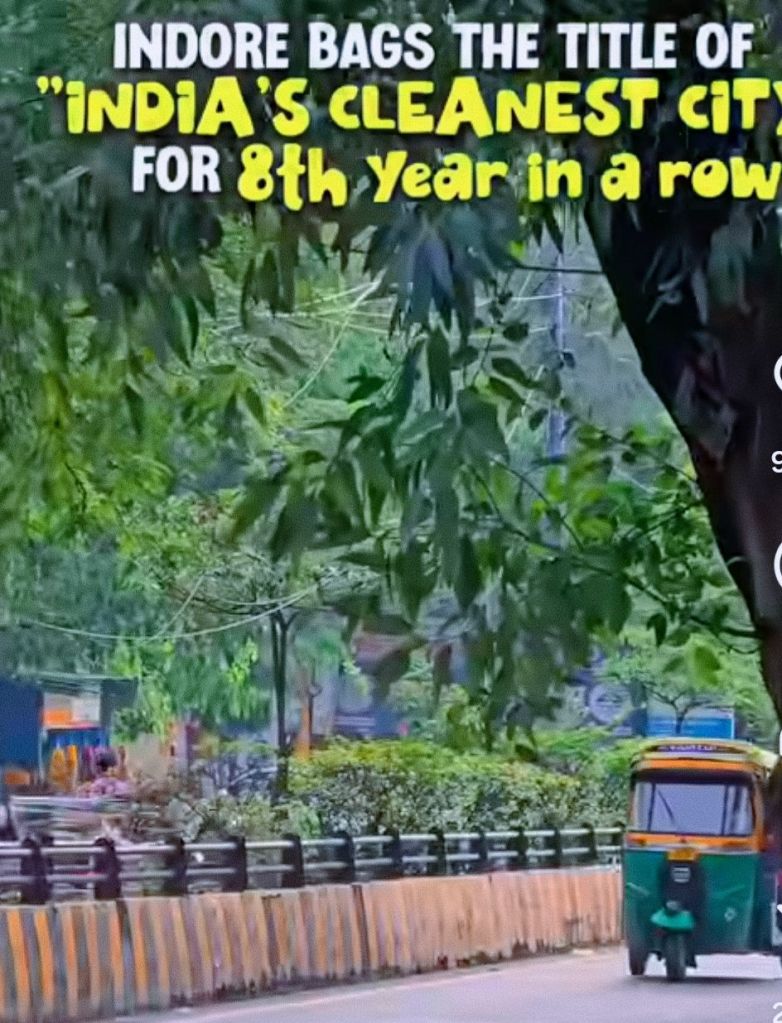
Eight consecutive years of being India’s cleanest city is not just a record—it’s a revolution. Indore has cleaned more than its streets; it has scrubbed away the cynicism that said Indian cities can’t change. Its message to the nation is crystal clear: cleanliness is not a campaign, but a conscience.
As India charts its path toward a greener, cleaner future, Indore stands as its brightest beacon—a living, breathing example that transformation begins not with technology or funding, but with collective conviction. The miracle of Indore is not just that it became clean; it made cleanliness contagious.
Visit arjasrikanth.in for more insights
 SOCIAL PERSPECTIVES
2 responses to “The“Indorefied India: One City Turned Trash into Triumph—Eight Years, Zero Excuses!””
it’s wonderful to read this..
INDORE is indeed a role model to be followed by our other cities in INDIA,
CONSCIOUSNESS AND CONCERN OF THE CITIZEN is highly Appreciable..
R. SRINIVASA RAO, from, VIJAYAWADA / ANDHRA PRADESH..
LikeLike
Every city in india 🇮🇳 can solve the problem of WASTE Management with
DROSS MAGIC
ZERO WASTE INDIA 🇮🇳 PATENTED TECHNOLOGY can convert any types of WASTE into useful products in minutes. ZERO pollution and ZERO land fills…
LikeLike