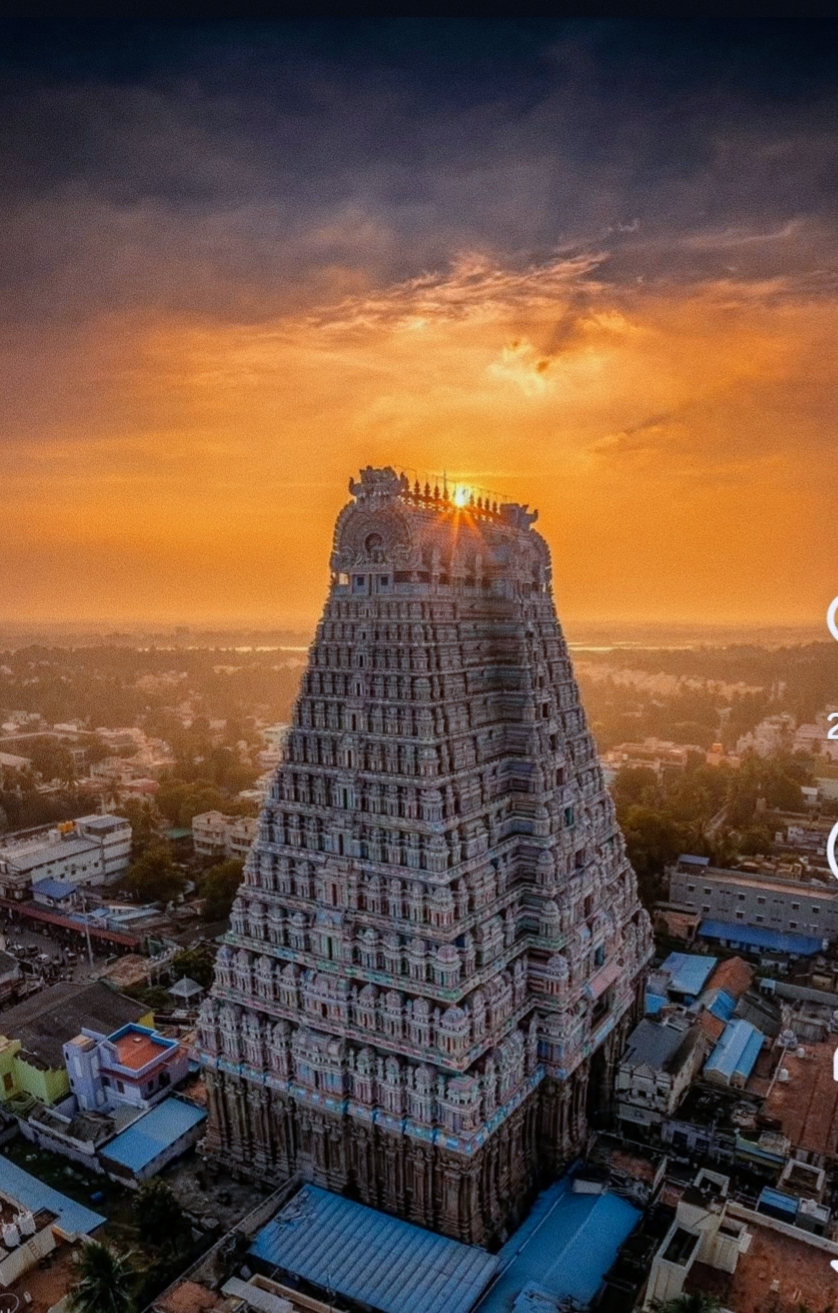
Technology, Transparency, and Tradition Must Unite to Save the Soul of a Civilization
India’s temples, once the luminous heart of its civilization, now stand at the crossroads of divinity and decay. Their crumbling towers, peeling murals, and disordered pilgrim queues whisper of an ancient glory lost to modern neglect. For millennia, these sanctums were more than houses of worship—they were centres of art, education, governance, and community life. But today, the very soul of these temples flickers uncertainly under layers of bureaucracy, corruption, and apathy.

Government control, once justified as a measure to protect temple wealth and ensure accountability, has metamorphosed into an iron grip that often strangles faith instead of safeguarding it. Political appointments replace priestly merit, funds meant for restoration are siphoned into administrative expenses, and spiritual sanctity bends before bureaucratic procedure. Temples that once echoed with sacred chants now echo with administrative files. The contrast between thriving institutions like Tirumala Tirupati Devasthanams or Kashi Vishwanath and the neglected rural shrines is not one of devotion—it is one of governance. The former prosper through professionalism and transparency, while the latter crumble beneath political inertia.

Yet, amid the dust and despair, there is a quiet revolution taking root. Across Tamil Nadu, Andhra Pradesh, and Karnataka, devotees are reclaiming their temples—not through protests, but through participation. The revival of the ancient Uzhavarapani tradition, where communities voluntarily clean and maintain temple premises, symbolizes a profound rediscovery of collective responsibility. Youth groups, cultural foundations, and social media campaigns are reviving forgotten shrines with modest means but mighty spirit. Their message is clear: temples do not need saviors from above; they need caretakers from within.
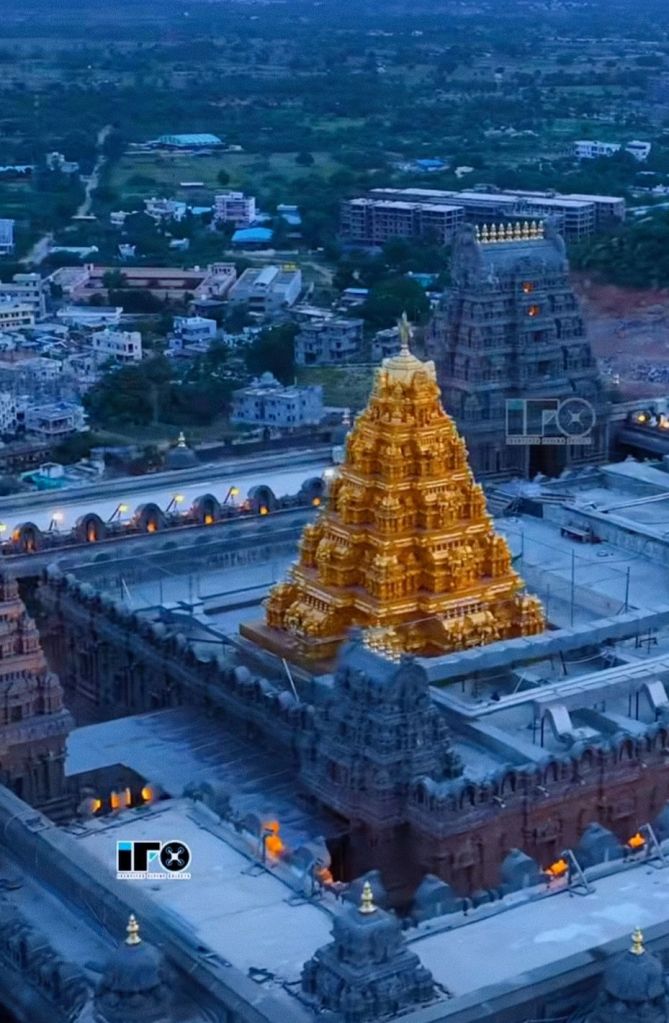
This awakening must evolve into a structured reform movement. India’s temples require a new management model that blends faith with professionalism. Administration should rest in the hands of independent boards comprising priests, devotees, financial experts, heritage architects, and community representatives, while the government remains a neutral regulator—not a controller. Transparency must be sacred. Every rupee offered by devotees should be traceable through digital donation platforms and publicly accessible audits. When the faithful see where their offerings flow, their devotion transforms into trust—a far stronger currency than gold or silver.
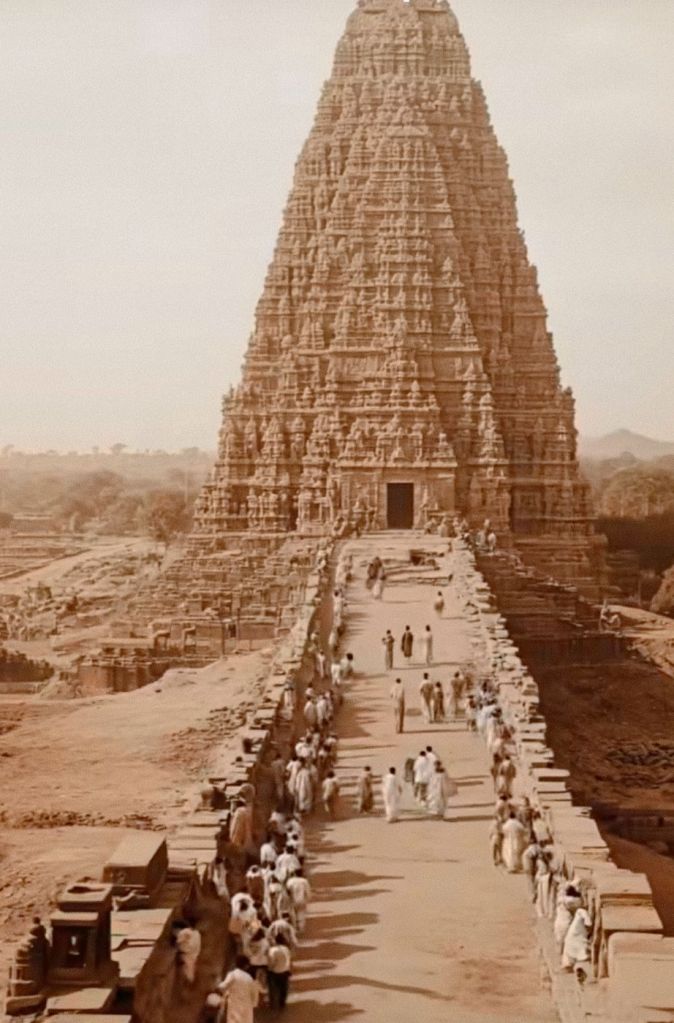
Technology, too, can be the modern deity that rescues ancient temples. Artificial intelligence and data analytics can predict crowd surges and prevent stampedes. RFID-tagged jewellery can protect priceless offerings from theft. Mobile apps for e-darshan and digital tokens can replace long queues with serene access. The Siddhivinayak Temple in Mumbai has already shown how technology can make devotion more dignified. When scaled across India, these innovations can turn chaos into choreography—where the rhythm of prayer is not drowned by disorder.

But the restoration of faith is incomplete without the restoration of form. Conservation must be scientific, not sentimental. Many temples suffer from crude cement patchwork that corrodes ancient stone. India needs temple heritage cells staffed with conservation architects, sculptors, and archaeologists who can preserve structures while respecting ritual requirements. Technologies like 3D scanning and drone mapping can record every pillar, carving, and mural—ensuring that even if time erodes stone, memory remains immortal. The Jagannath Temple in Puri has shown that ritual continuity and scientific precision can coexist when guided by expert stewardship.

Infrastructure, often dismissed as mundane, is equally divine in its impact. Pilgrims deserve clean restrooms, safe drinking water, digital queue systems, and accessible pathways for the elderly. The Kashi Vishwanath Corridor stands as a magnificent example of how thoughtful urban design can fuse modern convenience with spiritual grandeur. A pilgrim who feels cared for returns not just with faith renewed but with a deeper reverence for the sacred space itself.

In an age of climate anxiety, even temples must turn green. Solar panels on temple rooftops, rainwater harvesting systems, and biodegradable prasadam packaging can turn devotion into ecological stewardship. Shirdi’s adoption of solar energy and waste recycling points to a new kind of worship—where honoring God also means honoring the planet. A national “Green Temple Movement” can make sustainability a sacred duty.
At the heart of this renaissance lies Jan Bhagidari—people’s participation. Temples should nurture volunteer forces of Dharmic Sevaks, trained in first aid, hospitality, and crowd management. These volunteers can embody the ancient spirit of seva, bridging the gap between administration and devotees. Beyond rituals, temple funds should sustain traditional arts, music, and sculpture, ensuring that the living ecosystem around temples thrives—not just survives.

India’s temples are not relics of a bygone age; they are living organisms pulsating with history, culture, and belief. Their decay mirrors our collective indifference, just as their revival will reflect our civilizational maturity. The path forward lies in uniting the triad of Technology, Transparency, and Tradition—a synthesis where digital systems guard ancient sanctity, and human devotion fuels institutional reform.

The renaissance of India’s temples will not come from marble domes or digital dashboards alone. It will arise when every bell that tolls echoes with trust, every lamp lit shines with accountability, and every pilgrim returns not just blessed but inspired. When that day comes, the gods will no longer wait in queue, and the temples of India will once again become what they were always meant to be—living testaments to a civilization that worships not only its deities but the dignity of devotion itself.
Visit arjasrikanth.in for more insights
 SOCIAL PERSPECTIVES
2 responses to “Saving Temples Is Not About Religion—It’s About Reviving a Civilization ”
i agree fully
LikeLike
The modern ways are according to individual belief and society consensus.
LikeLike