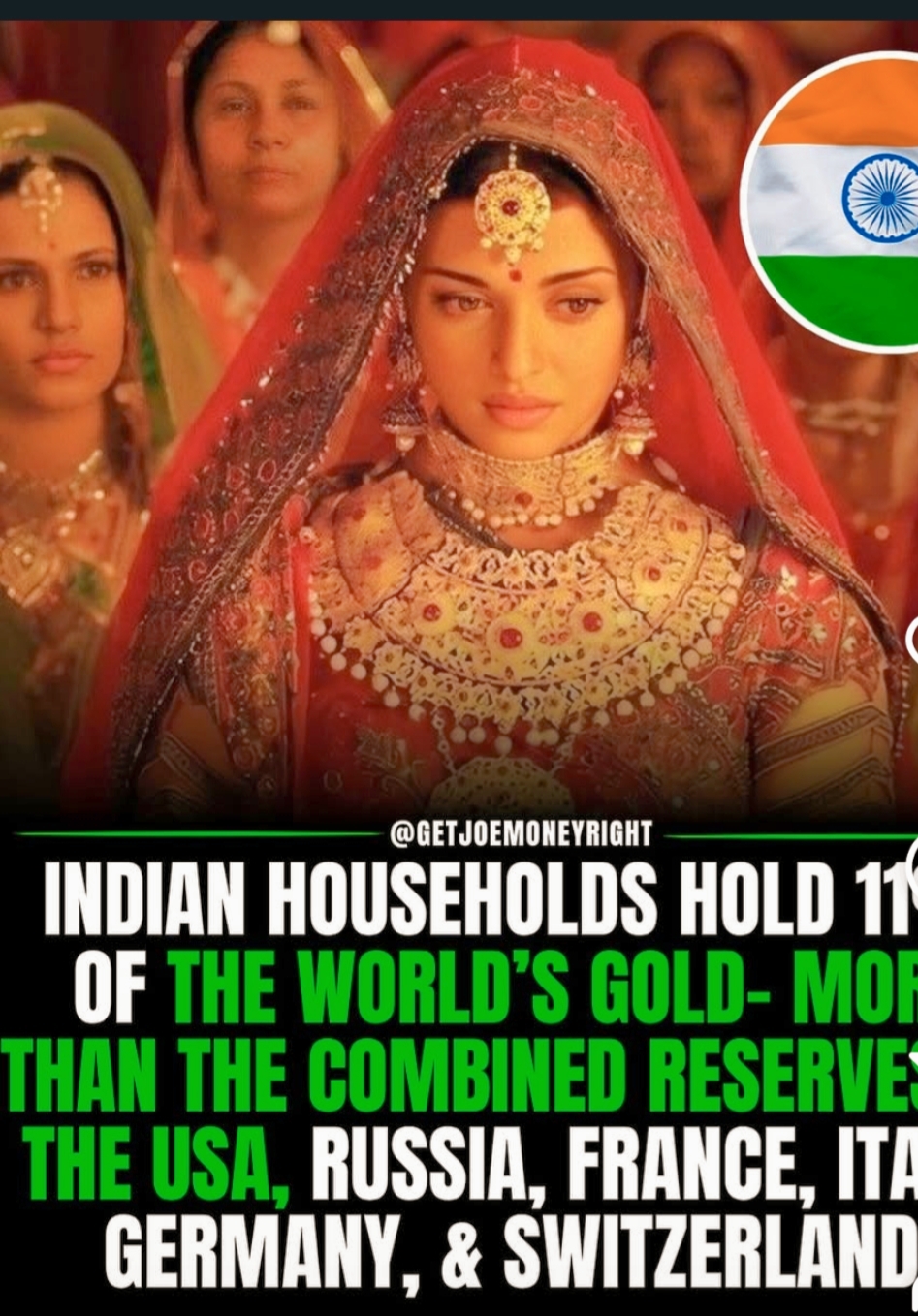
From ETF tsunamis to dowry downgrades, gold isn’t just rallying—it’s rewriting the rules of fear, faith, and finance in one glittering, unpredictable quarter.
In a world where fear fuels fortunes and algorithms spot safe havens faster than central banks can blink, gold has emerged as the unlikely rockstar of global capital flows. Think Taylor Swift moves crowds? Try gold. In a single quarter, global gold demand surged to an eye-popping $132 billion—a 45% spike from the same period last year—even though physical consumption barely ticked up 3%. This isn’t a love story; it’s an economic thriller where price and perception drive the plot, and every character—from hedge funds to Hindu festivals—plays a dramatic role.
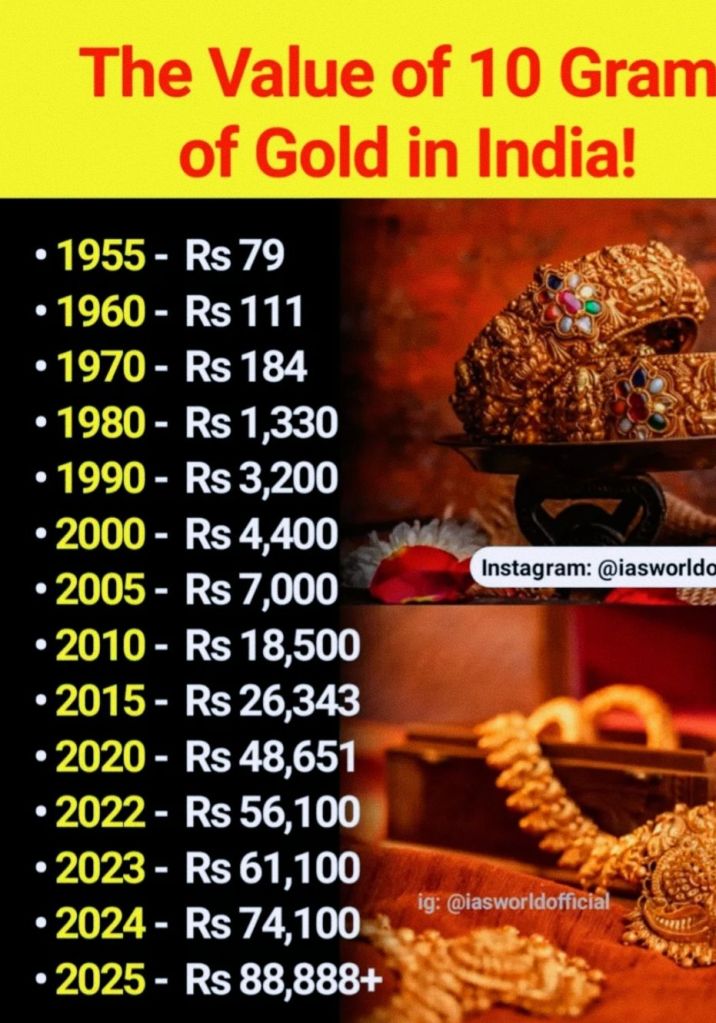
The headline number was blinding: an average international price of $3,280 per ounce (or ₹8,750 per gram), a staggering 40% jump year-on-year. While tonnage didn’t move much, the cash certainly did. This isn’t irrational exuberance—it’s strategic panic. The world isn’t just buying gold. It’s putting faith in it. And that belief, like all contagious market manias, is both dangerous and decisive.
Gold defies definition. It’s a hedge, a dowry, a semiconductor component, and your grandmother’s insurance policy all at once. It absorbs geopolitical anxiety and cultural rituals in equal measure. And this quarter, every facet of gold’s identity was triggered.
Let’s start with the suits: ETFs and OTC trades. Gold-backed ETFs added 397 tonnes in the first half of 2025, the highest since the COVID-rattled 2020. Meanwhile, OTC trades—the quiet lanes where institutional giants and high-net-worth players roam—returned with a roar, adding 170 tonnes after two dormant quarters. This isn’t noise. This is consensus. When hedge funds, institutions, and retail investors all rush the same gate, it means one thing: the world is bracing for volatility.
Investment demand soared 78% year-on-year. Gold has stopped being a fallback; it’s become the global pause button for anxious capital. And when money pauses, gold rallies.
Enter the grown-ups: central banks. They bought 166 tonnes this quarter. Not as aggressive as last quarter’s 244 tonnes or the 333-tonne binge in December, but still 41% above pre-pandemic norms. Here’s the twist: nearly 90 tonnes of these purchases were “unreported.” That means actual buying could be 54% higher than declared. It’s like seeing people hoard umbrellas on a sunny day—you know the forecast isn’t great.
But not all glitters equally. In India and China—gold’s heavyweight consumers—jewellery demand fell 17% and 20% respectively. The global jewellery market dropped to its lowest level since the COVID lockdowns. Even Akshaya Tritiya, India’s sacred gold-buying festival, couldn’t stop the retreat. People spent more rupees but took home fewer grams. Why? Sticker shock. Traditional buyers stepped back, and budget-conscious shoppers downgraded to 18-carat, or even gold-plated silver—a move that would have horrified any self-respecting Indian matriarch a decade ago.
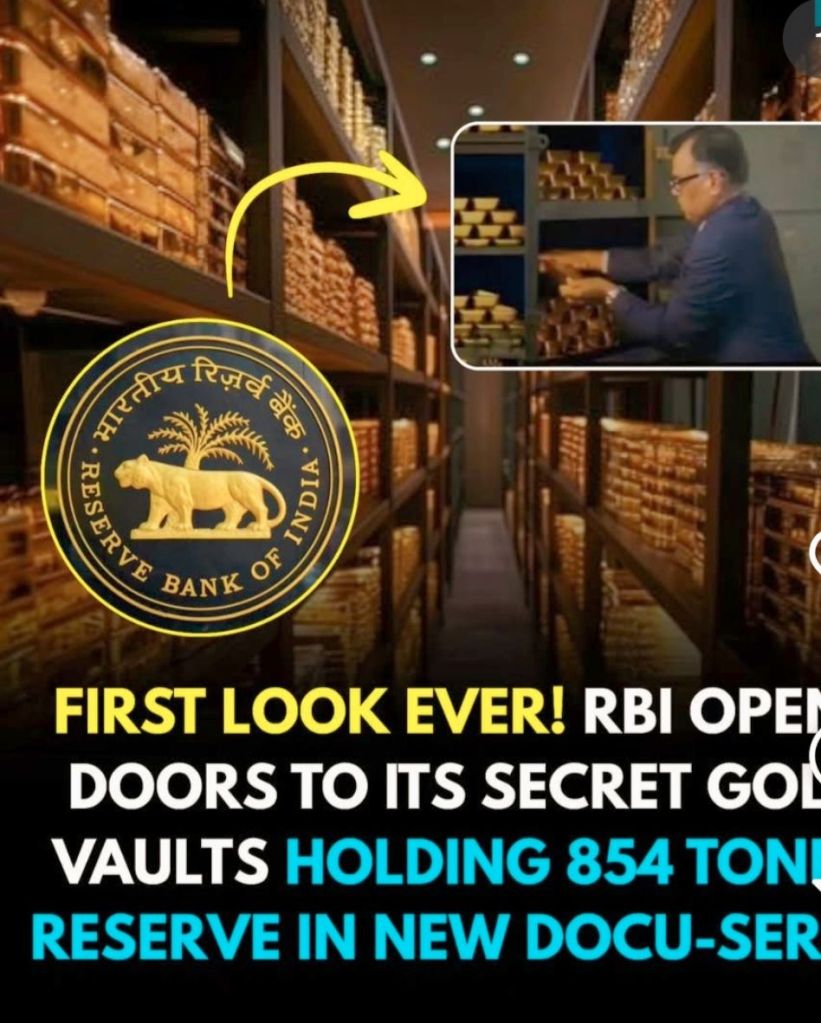
The Indian market is mutating. The Bureau of Indian Standards (BIS) is even pushing hallmarking for 9-carat gold—less than 40% purity. It’s not just inflation. It’s a cultural recalibration driven by affordability, aspiration, and ruthless price sensitivity.
Yet, while consumers are buying less, they aren’t selling either. Recycled gold supply rose a mere 4% to 347 tonnes. Despite record prices, there’s no liquidation frenzy. Why? Three reasons: many already sold during last year’s price spike; most expect further price gains; and above all, in India, gold isn’t a tradable asset—it’s emotional insurance.

Instead of selling, they’re pledging. Between 90 and 120 tonnes of household gold was used as collateral for loans last quarter. That gold is “consumed” without leaving the locker. It isn’t just sentimental anymore—it’s financial strategy.
Even technology has a golden subplot. Demand for gold in tech fell 2% to 79 tonnes—not because gold lost its conductivity, but because global chip demand slowed. Trade restrictions, especially against China, hurt exports. But AI is the unexpected golden goose. As demand for AI servers grows, gold’s role in advanced chips is quietly gaining momentum. One part of tech slumps; another hums with promise.
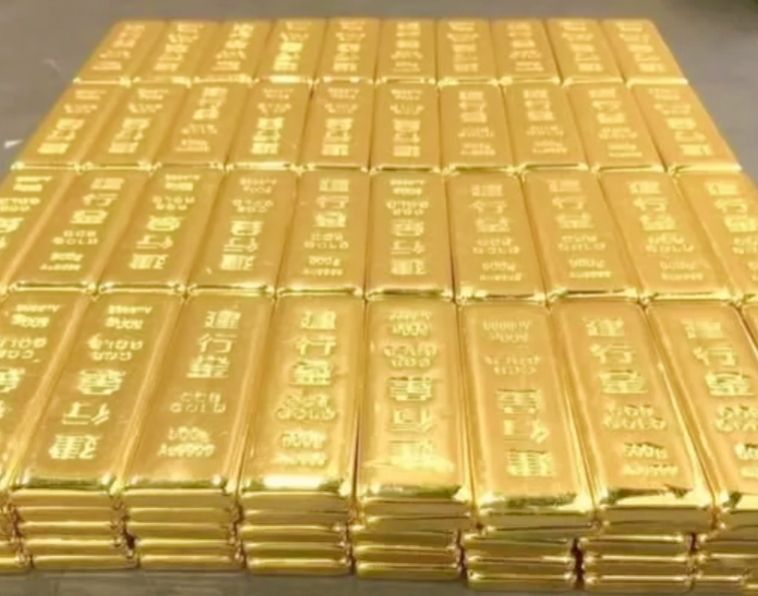
So, what’s really happening here? We’ve entered a quarter where gold became everything, everywhere, all at once. Hedge. Hope. Hardware. Hairpin. It’s both ornament and oracle. The tonnage may seem tame, but the dollars—and the decisions—scream otherwise.
This is not just a rally. It’s a revelation. ETFs are surging, while bangles shrink. Central banks buy in the dark, while families pledge with faith. Tech demand dips, but AI breathes life into new use cases. The only unifying thread is uncertainty. And when the world’s mood turns jittery, gold becomes the one language every investor—be it a Wall Street quant or a rural bride—understands.
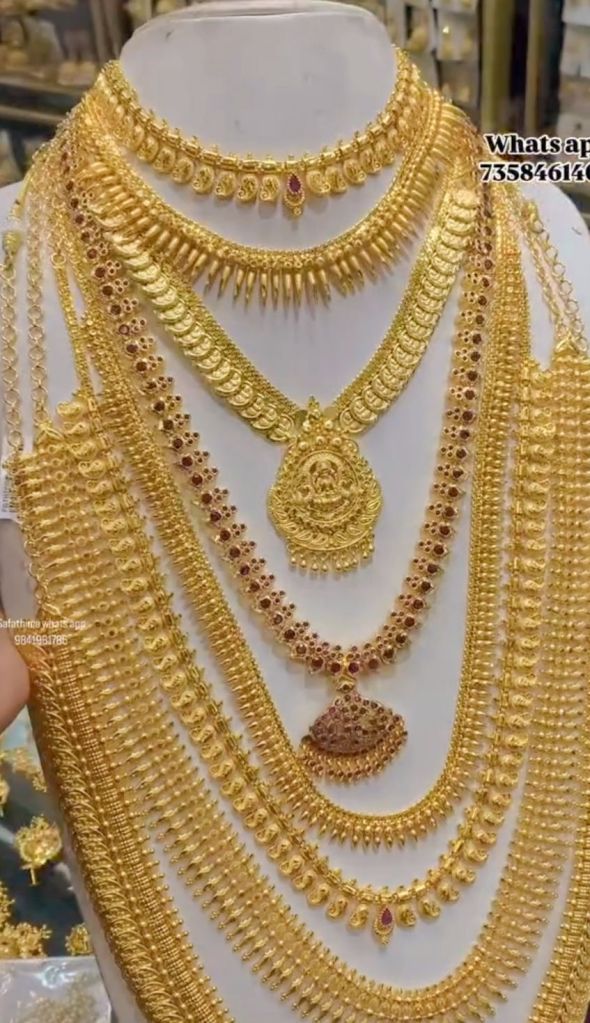
Gold has always had a story. This quarter, it became the story. A geopolitical whisper. A financial seatbelt. A cultural touchstone. A strategic signal. All packed into one shiny bar.
Goldzilla isn’t roaring. It’s resonating. And in a world searching for certainty, that echo is worth its weight in—well, gold.
Visit arjasrikanth.in for more insights

