
Unlocking the Green Gold Beneath Forgotten Waterways – Canal Slopes Are Becoming India’s Unlikely Islands of Prosperity
In the heartlands of rural India, where agriculture remains the backbone of the economy, canals silently snake their way through farmlands and villages—often overlooked, silted, and encroached. These neglected waterways, once the lifeblood of irrigation systems, now present a transformative opportunity. If revitalized with purpose, vision, and community ownership, canals can become engines of ecological restoration, livelihood generation, and inclusive rural growth.
Spanning thousands of kilometres, India’s canal networks are indispensable for irrigation, groundwater recharge, flood mitigation, and microclimatic regulation. Yet decades of administrative neglect, weed infestation, and encroachment have rendered them inefficient. In many regions, canals have devolved into stagnant drains—breeding disease vectors, choking water supply, and exacerbating rural distress. However, this decline is reversible. By embracing integrated solutions—ranging from mechanical cleaning innovations like floating canal flops to localized farming interventions—we can convert these linear assets into productive ecological infrastructure.

Canal cleaning must be viewed not merely as a maintenance task but as a catalyst for rural rejuvenation. Blocked and silted canals diminish water availability, reduce cropping intensity, and undermine food and fodder security. Technologies like Florida’s Truxor weed harvesters and Thailand’s BERKY mowing boats demonstrate how mechanized floating systems can clean canals effectively without harming the aquatic ecosystem. Adapted as cost-effective, small-scale “canal flops” for Indian conditions, these machines can be operated by trained Self-Help Groups (SHGs), reducing dependency on expensive contractors and creating local employment.
Yet, the true potential lies not just within the canal beds—but on their adjacent slopes, often underutilized, degraded, or disputed. These embankments can be systematically developed into green belts of vegetable cultivation and hydroponic fodder farming, led by local SHGs and farmer producer groups. This dual-purpose strategy enhances land productivity while simultaneously incentivizing canal maintenance by the very communities that depend on them.
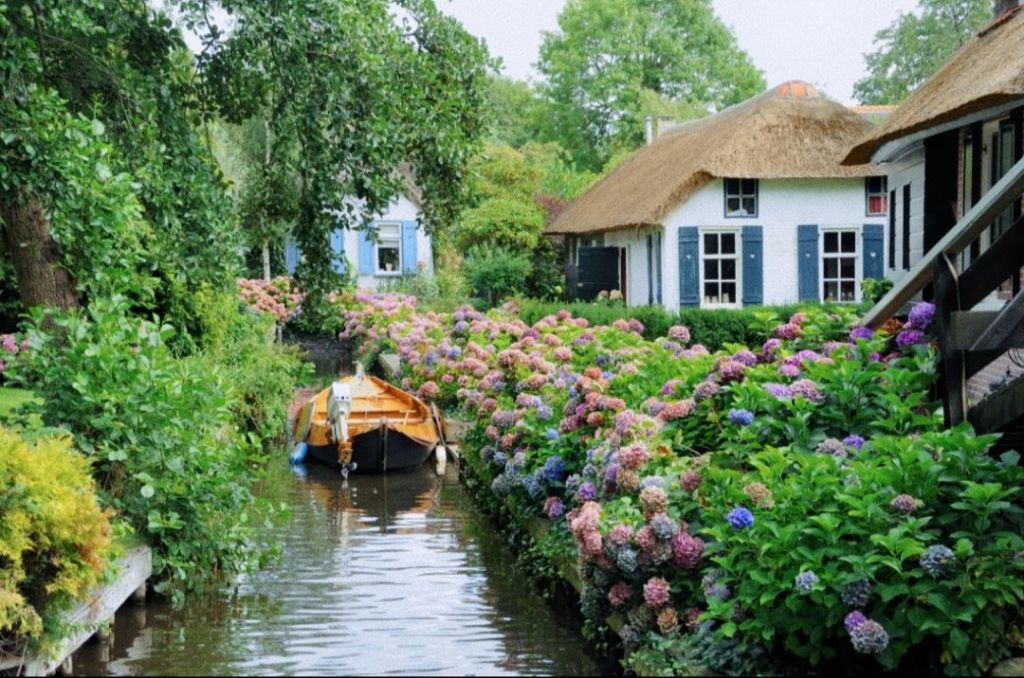
Hydroponics—soil-less agriculture using nutrient-rich water—offers a compelling solution for canal-side fodder production. This technology uses up to 90% less water and can yield nutrient-dense crops like barley, wheatgrass, and legumes. When deployed by women-led SHGs, hydroponic units can become a cornerstone of livestock nutrition strategies, reducing dependency on costly market fodder and enhancing dairy incomes. Kerala’s success with SHG-led canal-side cultivation and urban waste management offers a ready blueprint for replication.
However, there are structural challenges to address. Waterlogging and salinity—caused by poor drainage or unchecked seepage—threaten canal-slope cultivation. Innovative practices such as Green Channel Covers, used effectively in Singapore, can regulate seepage and mitigate salinization. Legal uncertainty over land tenure remains another hurdle. Many canal banks fall into administrative grey zones, discouraging investment and stewardship. State governments must enact clear lease policies enabling SHGs and farmer groups to adopt and cultivate canal embankments under mutually accountable arrangements.

Invasive aquatic weeds like water hyacinth further hamper canal efficiency. Nature-based solutions such as introducing grass carp, a fish species known to consume such vegetation, can offer cost-effective, ecologically sound alternatives to chemical herbicides. These interventions can be augmented with mechanical weed harvesters to ensure consistent canal flow.
Learning from international models can further enrich India’s approach. In Arizona, community canal monitors—called Zanjeros—play a vital role in the daily surveillance of canal systems. A similar model in India, powered by digital tools such as mobile apps and GPS tagging, could enable SHGs and local youth to act as canal stewards, reporting blockages, pollution, and unauthorized usage in real time. GIS-based canal mapping, coupled with community dashboards, can bring transparency and data-driven governance to the water management ecosystem.

The potential for scale and impact is enormous. Canal-cleaning programs can be converged with MGNREGA for labor-intensive tasks, and supplemented with CSR funds and NABARD support for capital investments in hydroponics, slope stabilization, and mechanized cleaning tools. Agricultural extension services, meanwhile, can provide training and market linkage support for canal-slope produce.
Equally critical is the power of local storytelling. When farmers witness their peers cultivating canal banks and earning supplementary income, or when school children learn about climate resilience through the lens of a nearby canal restored to life, a new culture of ecological ownership emerges. The canal transitions from a neglected ditch to a symbol of regenerative rural enterprise.
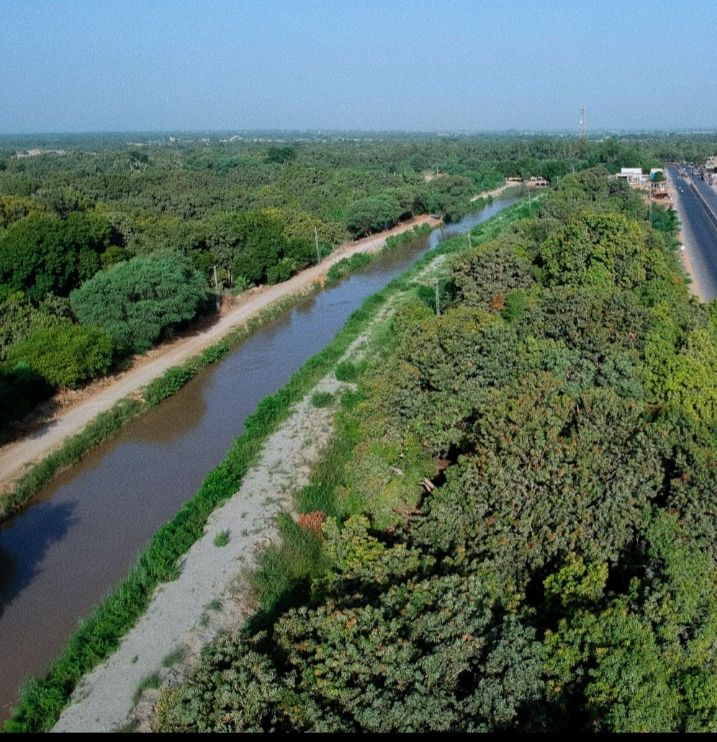
In essence, India’s canal networks are not liabilities—they are latent assets awaiting purposeful stewardship. With the right mix of technology, policy reform, community ownership, and financial support, canals can be transformed into linear incubators of prosperity. Clean water, nutritious food, sustainable fodder, empowered women, and climate adaptation—these outcomes are within reach if we are willing to look beyond the sludge and see the potential.
This is not about building new infrastructure; it’s about reclaiming the forgotten. It’s about recognizing that every canal is a corridor of hope, and that hope, like water, must be allowed to flow.
visit arjasrikanth.in for more insights
 SOCIAL PERSPECTIVES
One response to “ “From Muck to Magic: India’s Forgotten Canals Could Become the Green Highways of Rural Prosperity””
Very useful information thank you sir venkataratnam
LikeLike