
From Concrete Wastelands to Urban Eden’s—Rooftop Gardening Is Rewriting the Rules of City Living, One Plant at a Time
Amidst the concrete crescendo of India’s rapidly urbanizing cities, a quiet, upward revolution is underway. As land becomes a luxury and environmental degradation accelerates, rooftops—once ignored, idle expanses—are being transformed into verdant, productive spaces. Rooftop gardening is emerging not just as a lifestyle trend, but as a critical urban intervention—one that intersects sustainability, public health, climate resilience, and food security.
India’s urban sprawl is marked by paradoxes: increasing verticality alongside diminishing green cover, growing affluence alongside nutritional deficits, and rising temperatures amidst ecological collapse. Rooftop gardening offers a compelling synthesis of these contradictions. It embodies both innovation and tradition, aligning contemporary urban challenges with age-old agrarian wisdom. With over 35% of India’s population now residing in cities, and that figure expected to cross 40% by 2035, reimagining rooftops as ecosystems rather than unused infrastructure is no longer optional—it is imperative.
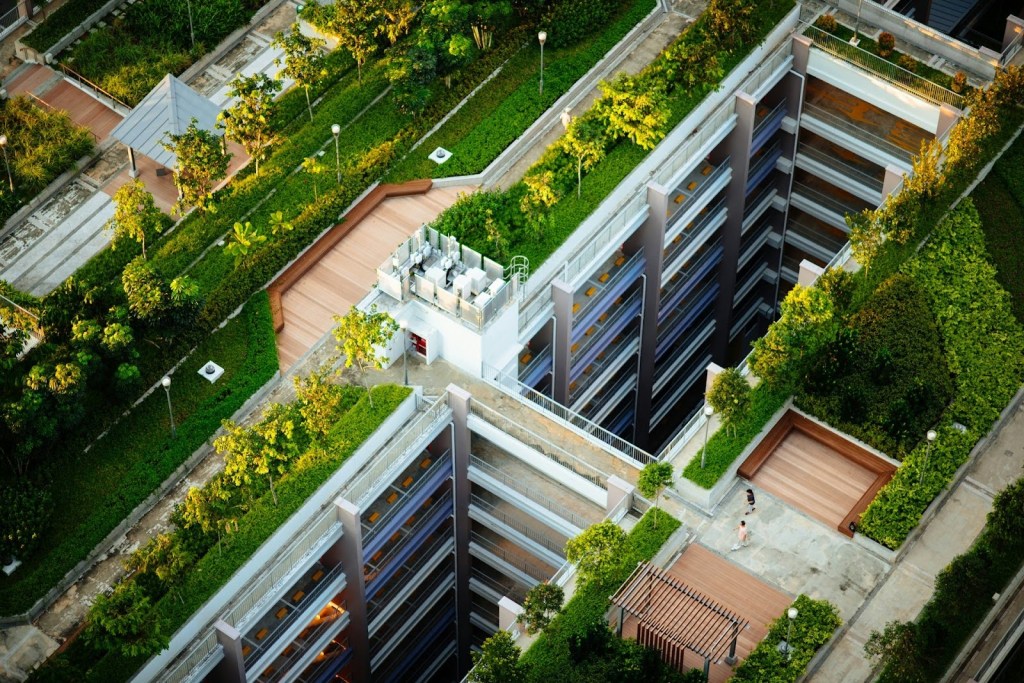
The environmental imperatives are urgent and well-documented. Urban areas suffer acutely from the heat island effect, where temperatures rise due to asphalt-heavy surfaces and limited vegetation. Rooftop gardens mitigate this phenomenon by absorbing solar radiation and increasing evapotranspiration, effectively reducing ambient temperatures and decreasing dependence on energy-intensive air conditioning. This translates into measurable reductions in electricity demand, particularly during peak summer months, thereby supporting national energy efficiency goals.
Moreover, rooftop gardens function as decentralized air purifiers, improving urban air quality by absorbing carbon dioxide and particulate matter. When integrated with rainwater harvesting systems, they facilitate better water management by reducing surface runoff, preventing urban flooding, and recharging depleted aquifers. These environmental benefits are not just additive; they are synergistic—positioning rooftop gardening as an essential pillar of sustainable urban development.
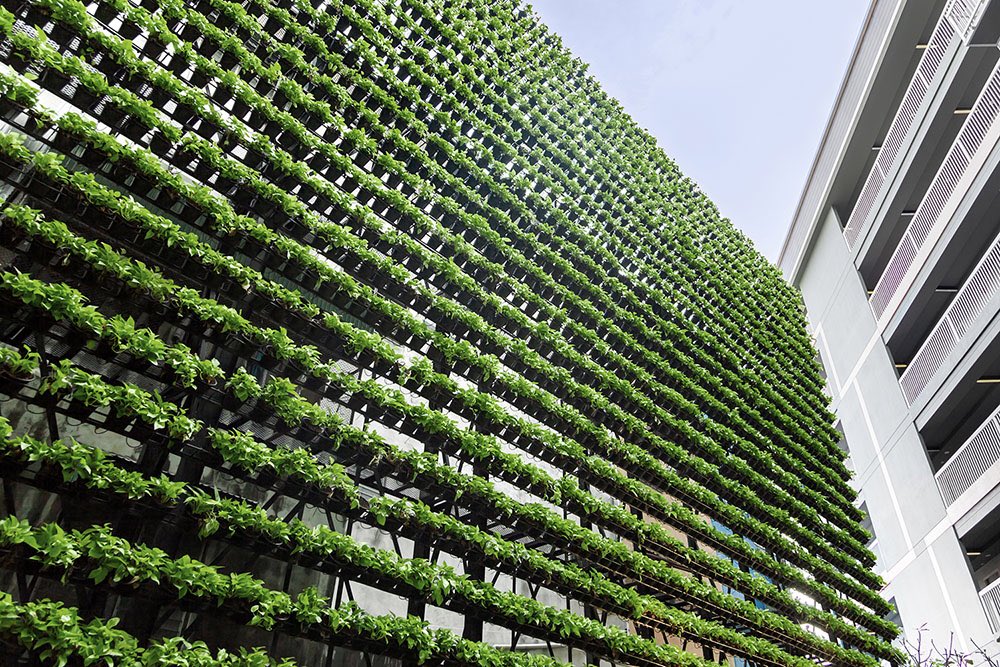
From an economic standpoint, the case is equally compelling. Beyond savings on cooling and food costs, rooftop gardens offer micro-entrepreneurial opportunities. Surplus produce—particularly herbs, leafy greens, and seasonal vegetables—can be monetized through local markets, residential welfare associations, and community-supported agriculture (CSA) models. For urban households, this represents a rare convergence of economic, ecological, and nutritional security.
Health and social dimensions further underscore the practice’s value. Rooftop gardening enhances food sovereignty by giving individuals direct control over the quality and sourcing of their food. In an age of chemically treated and nutritionally depleted produce, access to fresh, organically grown crops can significantly improve dietary outcomes. Moreover, the act of gardening itself has proven therapeutic effects: it reduces stress, promotes mindfulness, and combats urban alienation. In densely populated cities where personal space is scarce, these green sanctuaries serve as vital zones of psychological well-being and intergenerational engagement.
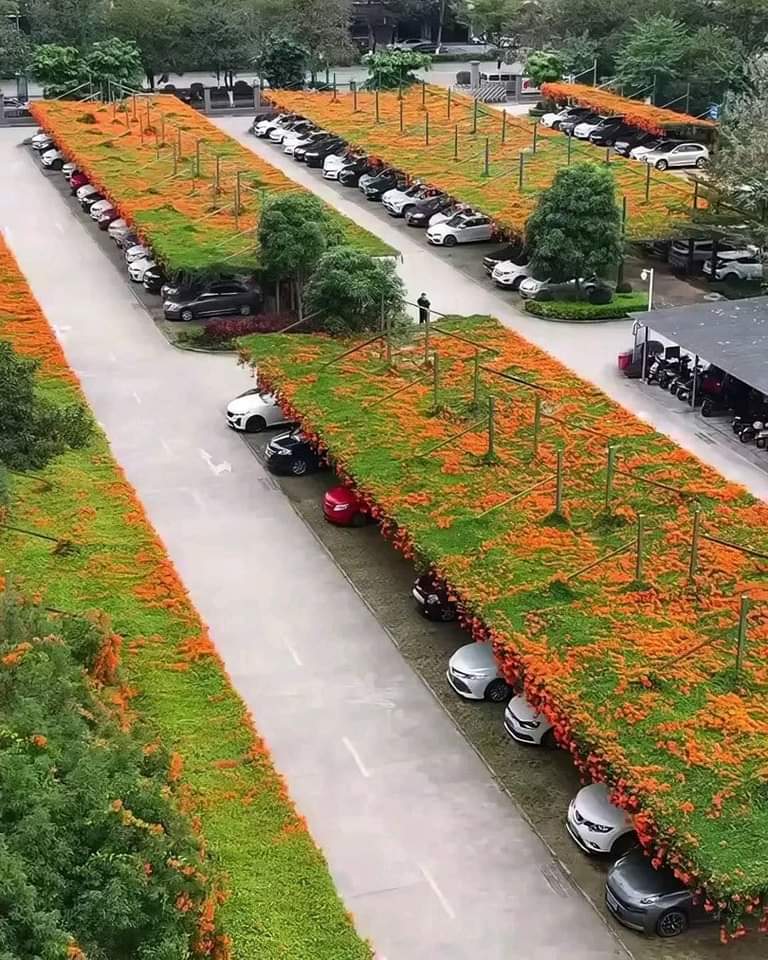
Yet, the path to mainstreaming rooftop gardening is riddled with systemic barriers. Most urban buildings are not structurally optimized to support the additional load of soil beds, planters, and irrigation systems. Concerns over water leakage, lack of proper drainage, and potential structural damage deter many residents and builders. Additionally, the upfront costs of soil, containers, composting units, and water-efficient technologies such as drip irrigation or hydroponics remain prohibitive for many.
Compounding these structural issues is the persistent knowledge gap. Many citizens lack the technical know-how to begin or sustain a rooftop garden—from choosing appropriate plant varieties to understanding seasonal cycles and soil composition. Moreover, regulatory bottlenecks—such as unclear guidelines on permissible rooftop use, lack of zoning integration, and negligible policy incentives—continue to disincentivize adoption.
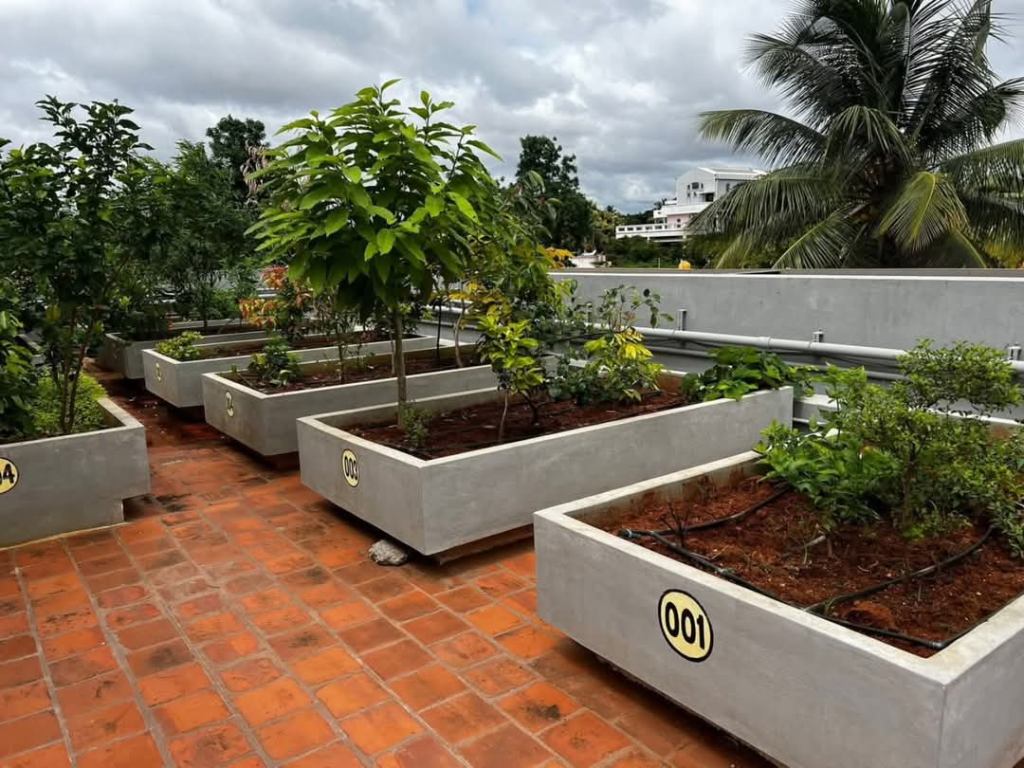
Despite these challenges, a number of innovative models have taken root across India. In Bengaluru, grassroots movements and enterprises have enabled the greening of thousands of rooftops through capacity-building workshops and community-driven implementation. Mumbai’s “Urban Leaves” initiative has fostered school- and hospital-based gardens that double as pedagogical tools and food sources. In Delhi and Pune, modular rooftop farming units are being integrated into residential and commercial complexes, while Chennai’s terrace gardening communities have developed low-cost, climate-adapted DIY models that promote biodiversity and local knowledge.
To scale such efforts nationally, a policy and planning framework is urgently required. Rooftop gardening must be woven into urban development and climate action policies, such as Smart Cities Mission, AMRUT, and state-level climate resilience strategies. Governments should offer tax rebates, startup grants, or green certification incentives to housing societies, builders, and individuals who invest in rooftop cultivation. Structural audits and retrofitting guidelines can be standardized to make old buildings rooftop-ready.
The role of educational institutions and civil society is equally vital. Urban farming should be embedded within school curricula as both a sustainability practice and a STEM learning opportunity. Digital platforms—offering tutorials, plant diagnostics, and marketplace integration—can democratize access to rooftop gardening tools and networks. Corporate social responsibility (CSR) arms of companies can facilitate pilot projects in under-served communities and public buildings, including Anganwadis, schools, and primary health centres.
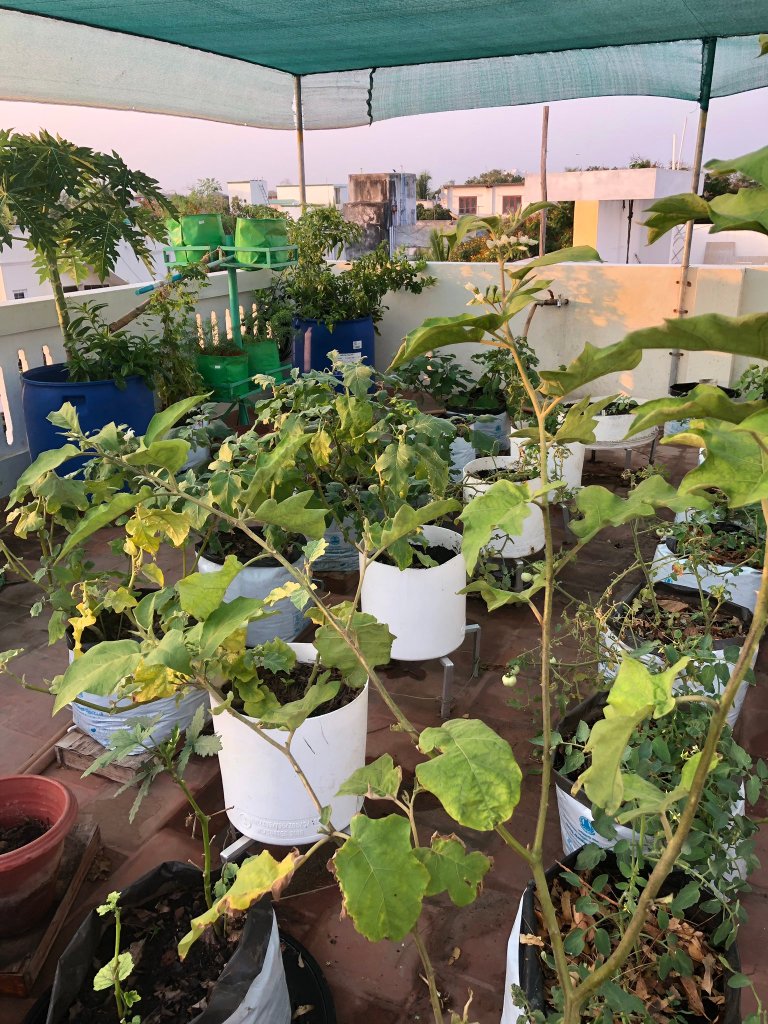
At its core, rooftop gardening is not merely about growing plants—it is about growing resilience, reclaiming agency, and reimagining urbanism. In a future fraught with climate uncertainty, food insecurity, and social fragmentation, these green roofs may well become the most vital layer of our cities—not for their elevation, but for their ability to ground us in sustainability, equity, and hope.
Let us then look not only ahead, but above—for the future of our cities may be sprouting not in laboratories or legislatures, but quietly, determinedly, on the rooftops of our own making.
Visit arjasrikanth.in for more insights
 SOCIAL PERSPECTIVES
One response to “The Skyward Harvest: Reimagining India’s Rooftops as Urban Ecosystems”
విస్తృతంగా ప్రచారం జరగాలి ఇంటిలో వాడే ఏసీల కంటే ఇంటి మీద ఇలా రూఫ్ గార్డెన్ పెంచుకోగలిగితే ఇంటి లోపల బాహ్య ప్రపంచంలో వేడిని తగ్గించవచ్చు తద్వారా విద్యుత్తు వినియోగాన్ని కూడా తగ్గించవచ్చు బహుళ ప్రచారంతో ఈ బృహత్తర కార్యక్రమాన్ని ముందుకు తీసుకెళ్లాలి
వందేమాతరం రవీంద్ర
LikeLike