
Saving the Musi: A Battle to Revive Hyderabad’s Lifeline Before it Drowns in its Own Waste
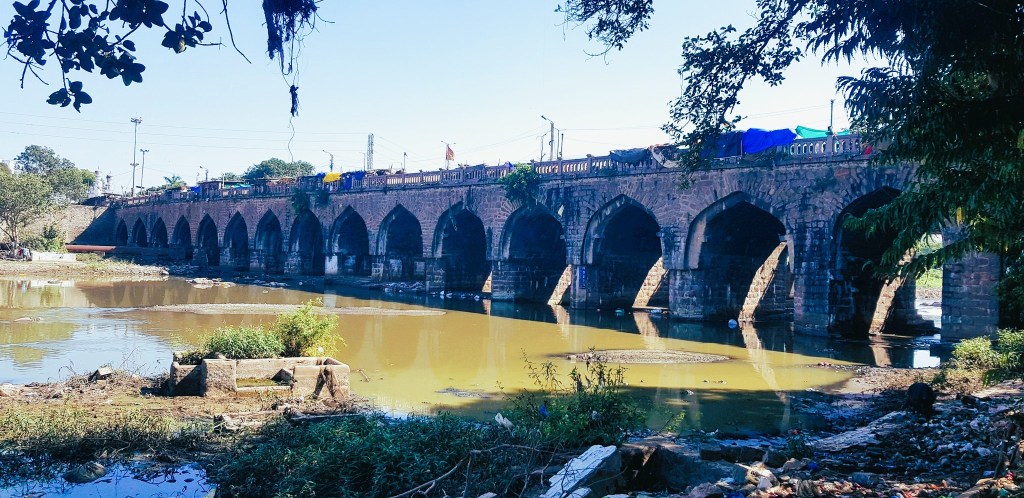
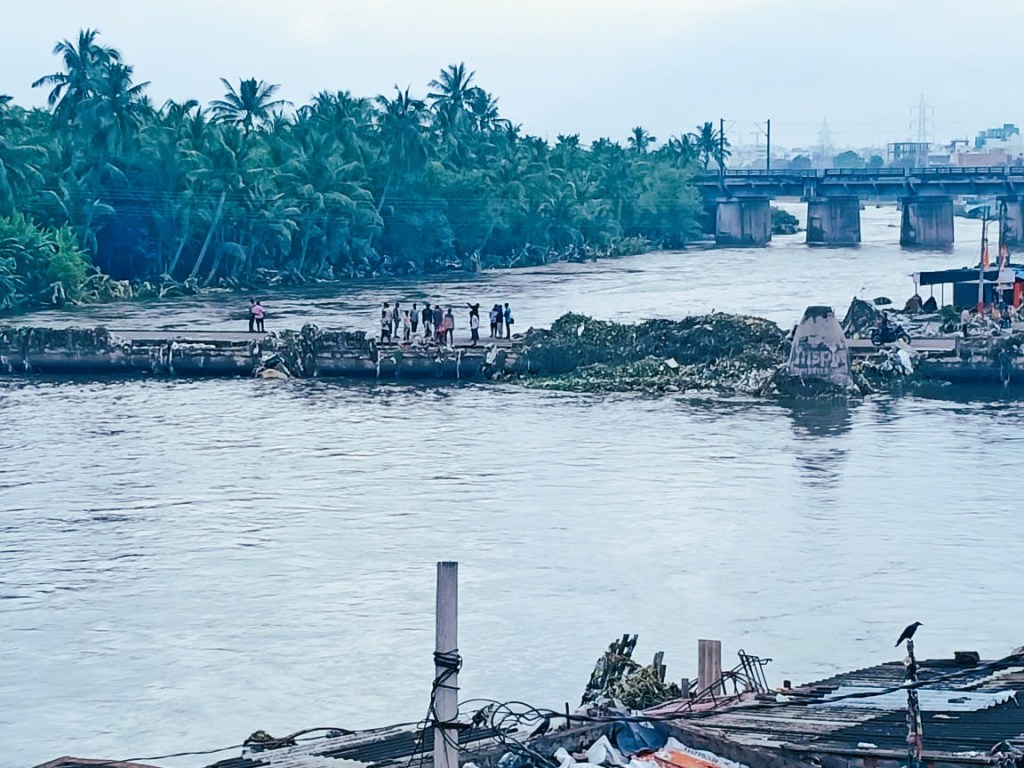
In a city once sustained by the crystalline currents of a river that shaped its history and culture, the Musi today reflects the consequences of urban neglect and environmental degradation. Once revered as a sacred waterway that nourished fields and communities, it has now become a shadow of its former self—a polluted corridor carrying untreated sewage and industrial effluents through the heart of Hyderabad.
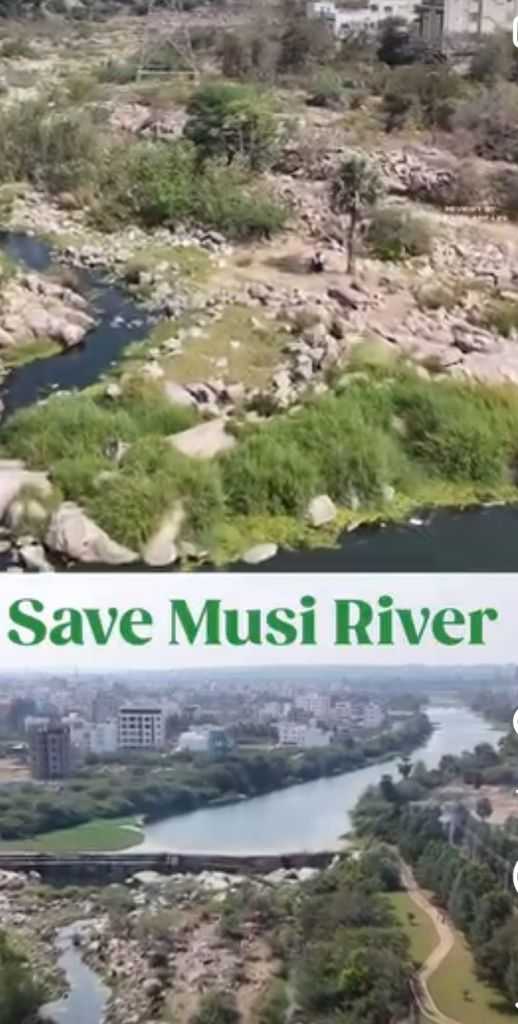
The decline of the Musi is emblematic of the broader challenges facing urban ecosystems in rapidly growing cities. Originating in the Ananthagiri Hills, the river once served as a vital lifeline, supporting agriculture, drinking water, and ecological balance. However, decades of unchecked urban expansion, ineffective regulation, and inadequate waste management have left it severely contaminated. Dissolved oxygen levels in certain stretches have plummeted to alarmingly low levels, insufficient to sustain aquatic life. Heavy metals such as chromium and lead persist in the water, posing a long-term threat to both human and ecological health.
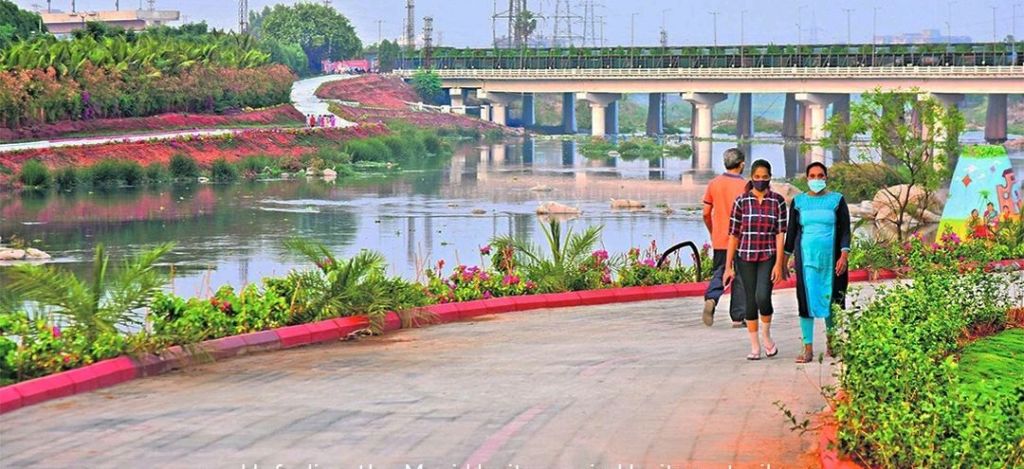
Previous interventions, including the construction of reservoirs and flood control mechanisms following the catastrophic floods of 1908, were reactive rather than preventive. These measures failed to anticipate the scale and nature of contemporary environmental challenges, allowing pollution to fester over time. The current rejuvenation project seeks to reverse this trajectory by transforming a 55-kilometre stretch of the river into a vibrant ecological and urban corridor. Drawing inspiration from successful riverfront models elsewhere in the country, the plan envisions landscaped parks, walkways, and restored riverbanks, designed to reconnect the city with its natural heritage.
With a projected investment of ₹50,000–60,000 crore, the initiative is as ambitious as it is urgent. The first phase, already under way with a substantial financial outlay, focuses on foundational interventions. However, challenges remain substantial. Beyond engineering and urban design, the project must confront complex ecological, social, and governance-related concerns.
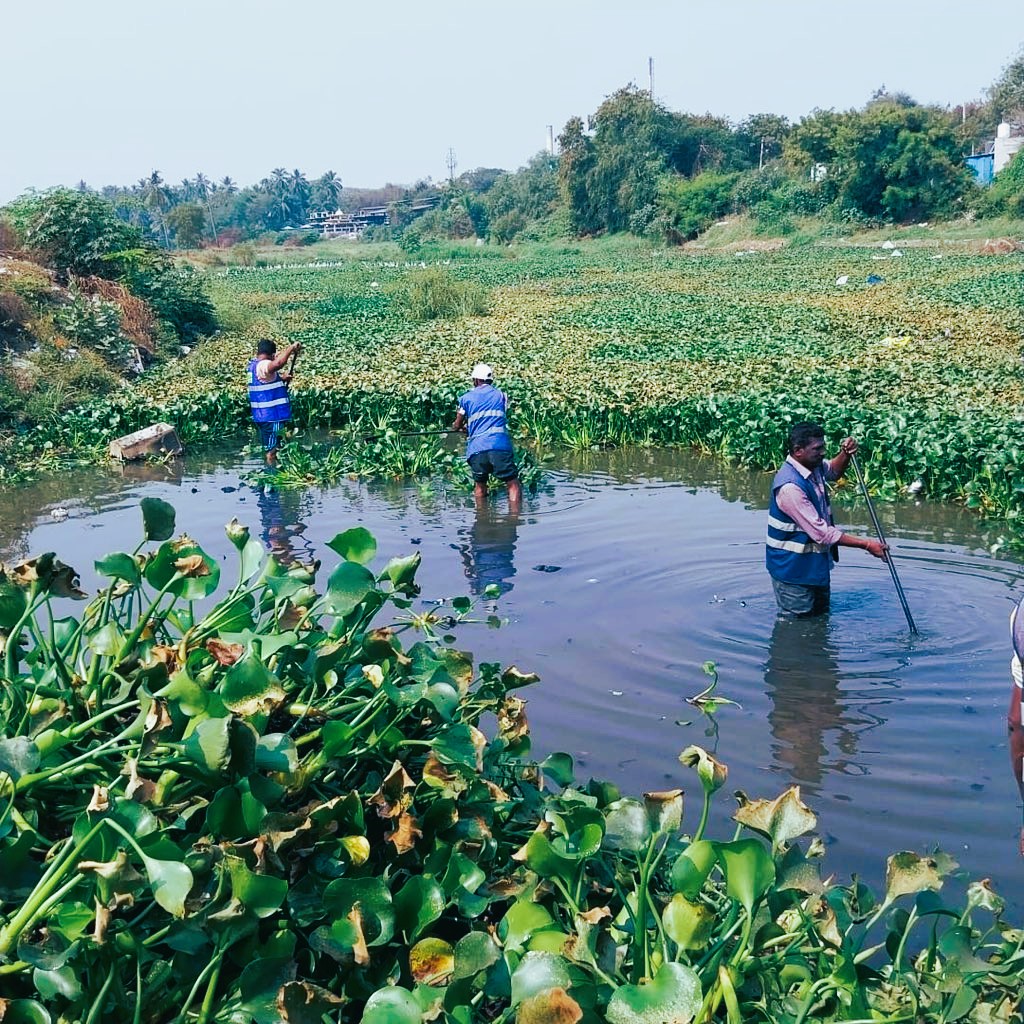
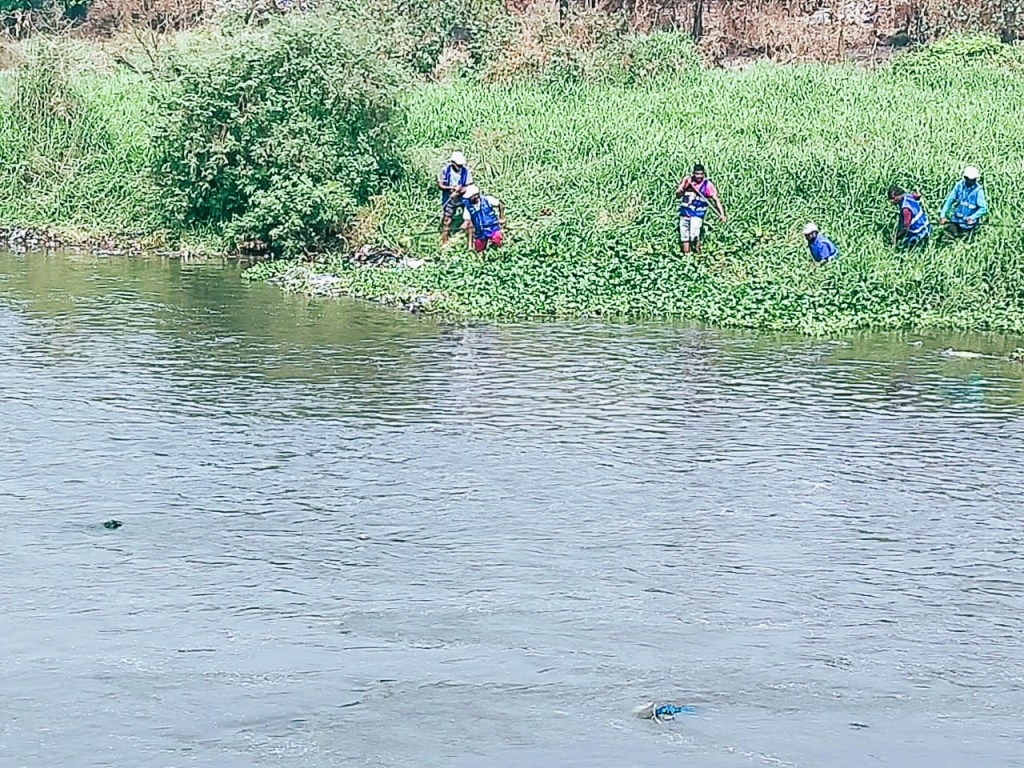
Environmental experts have recommended nature-based solutions such as the introduction of aquatic plant species capable of bio-remediation and natural decontamination, as well as sustainable purification through species like eel fish. These methods, though promising, require scientific rigor, careful monitoring, and long-term maintenance to be effective on a scale as vast as the Musi.
Crucially, the human dimension of the river’s restoration cannot be overlooked. Thousands of families residing within the buffer zones of the river stand at risk of displacement. While plans for compensation and resettlement have been announced, the process has, in some instances, led to confusion and discontent. The absence of a robust, inclusive rehabilitation framework threatens to undermine public trust and provoke social resistance. It is essential that environmental renewal does not come at the cost of human dignity and security.
Legal complexities further complicate the path forward. While judicial support for clearing encroachments has been secured, the lack of a comprehensive policy on equitable rehabilitation remains a pressing concern. Allegations regarding opaque contractual practices and insufficient oversight risk eroding credibility and stalling progress.
Effective restoration of the Musi requires a shared vision and coordinated action among stakeholders—urban planners, local communities, civil society organizations, and environmental institutions. Collaboration, transparency, and public engagement must be central pillars of the initiative. In particular, the introduction of decentralized sewage treatment systems and real-time water quality monitoring could mark a transformative shift toward sustainable river governance.
There is also a growing demand for integration into national-level river rejuvenation programmes, given the scale of investment required and the precedent set by other successful efforts. National support could bolster institutional capacity and ensure financial sustainability over the long term.
Ultimately, the project is not simply about engineering a cleaner riverfront; it is about reimagining the relationship between the city and its natural environment. Reviving the Musi presents an opportunity to embed ecological values into the fabric of urban development and to ensure that future generations inherit a river that is alive, resilient, and central to Hyderabad’s identity.

The Musi’s rejuvenation is more than an environmental initiative—it is a test of inclusive planning, environmental justice, and civic commitment. If pursued with foresight, integrity, and compassion, it can serve as a model for urban ecological restoration across India and beyond.
Visit arjasrikanth.in for more insights


One response to ““Musi Mayhem: Will Hyderabad’s Lifeline Survive the Toxic Tide?””
[…] 2024, over 500 families were displaced with less than a week’s notice, deepening cycles of poverty and homelessness. Women and children in these settlements bear disproportionate […]
LikeLike