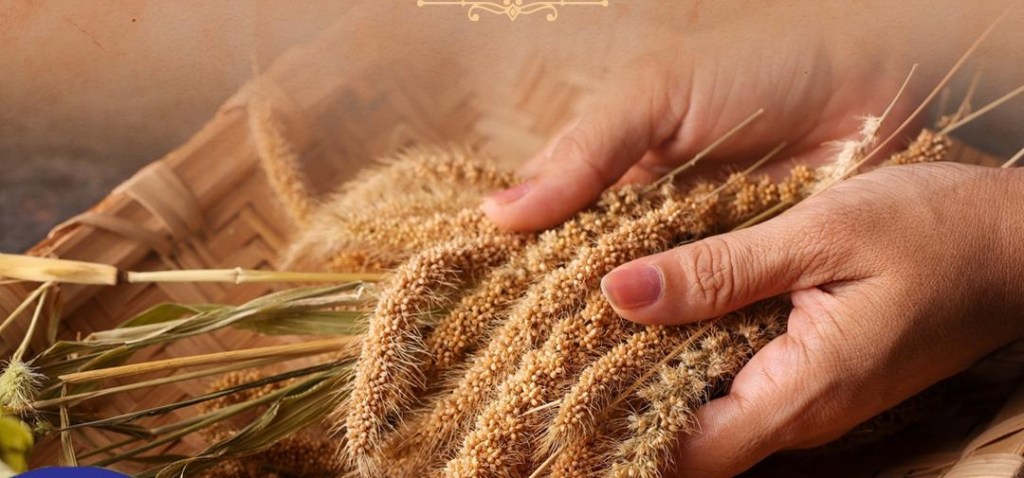
From mangoes to millets, these heat-defying heroes are bridging seasons, boosting farmer incomes, and powering a new era of nutritional and economic resilience.

In the dynamic canvas of India’s agricultural economy, summer crops—commonly referred to as Zaid crops—emerge as silent powerhouses driving transformation across rural livelihoods, agri-business value chains, and food security systems. Cultivated between March and June, these crops transcend the traditional view of seasonal fillers and stand as pivotal contributors to economic resilience, nutritional adequacy, and sustainable farming practices. Situated strategically between the Rabi and Kharif seasons, they optimize land use, ensure year-round engagement in agricultural activity, and provide critical support in stabilizing farm incomes.
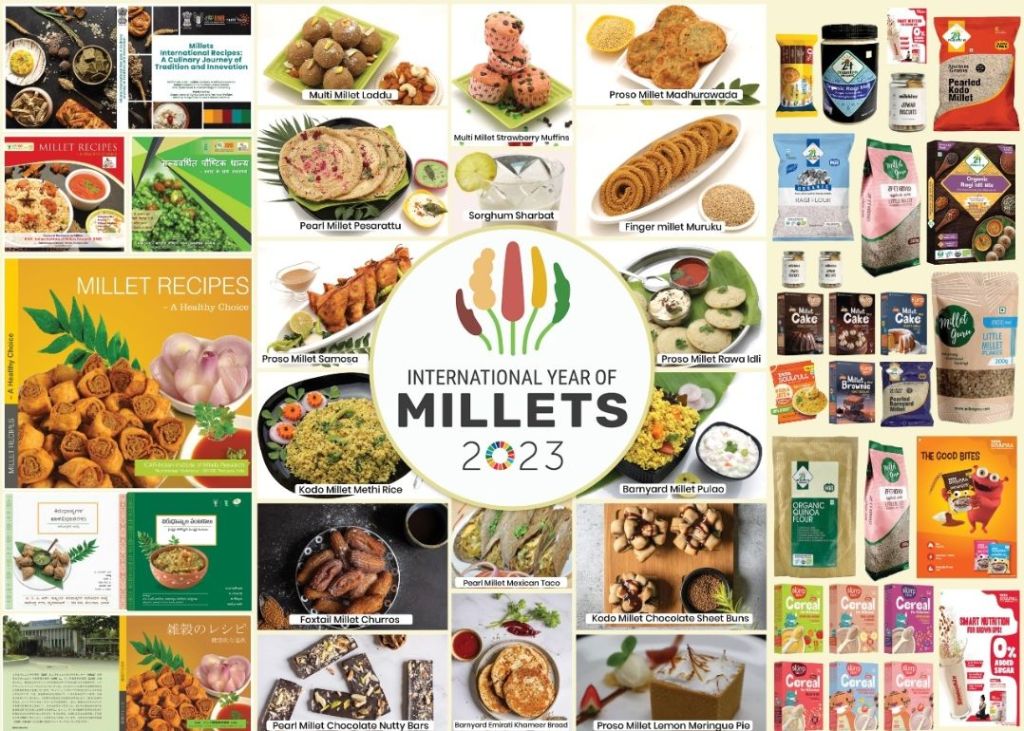
The economic footprint of summer crops is both substantial and strategic. With a cropping cycle of merely 60 to 90 days, they offer swift returns on investment and fill income gaps between major agricultural seasons. High-value crops such as cucumber, bitter gourd, okra, watermelon, muskmelon, and mango command premium prices in urban markets due to their seasonal exclusivity and high demand. Pulses like moong and urad contribute not only to domestic consumption but also to export revenues, while oilseeds such as sunflower and sesame play a vital role in curbing India’s reliance on edible oil imports, strengthening economic self-reliance within the sector.

Beyond immediate monetary gains, summer crops serve as the bedrock for value addition across agro-industrial chains. Their versatility supports the production of mango pulp, pickles, tomato purée, and dehydrated snacks—generating non-farm rural employment and reducing post-harvest losses. Startups like Ninjacart and WayCool are innovatively leveraging this segment to deliver fresh produce, cold-pressed juices, and processed kits directly to urban consumers, thereby narrowing the rural-urban divide and ushering in a new era of tech-enabled, farmer-centric commerce. India’s expanding agri-export portfolio—boasting annual mango exports exceeding $450 million and robust spice exports—further underscores the untapped potential of this cropping window.
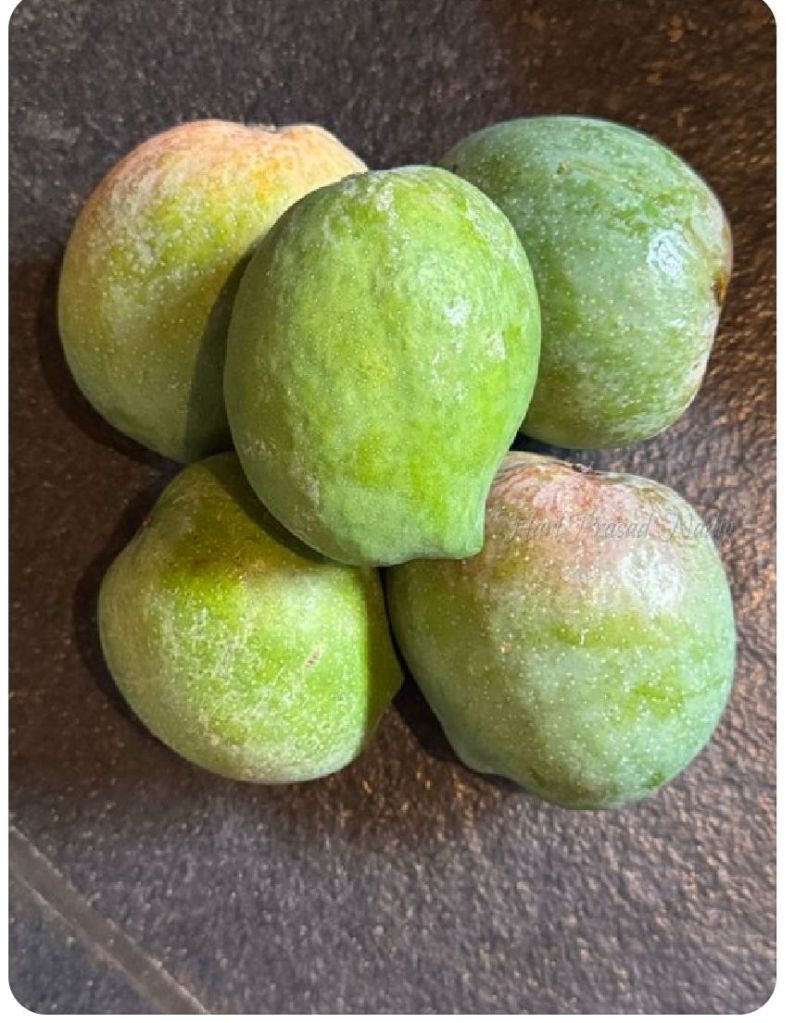
Equally compelling is the contribution of summer crops to nutritional security. In a nation facing persistent challenges of undernutrition and micronutrient deficiencies, these crops offer a rich source of vitamins, minerals, and dietary fibre. Vegetables like pumpkin and spinach, and fruits such as papaya and watermelon, enhance diet diversity and support public health objectives. Summer-grown millets like bajra and jowar—rebranded as “nutri-cereals”—are climate-resilient and nutrient-dense, offering sustainable solutions to rural malnutrition, particularly among women and children.
Climate resilience is another distinct advantage of Zaid crops. Adapted to high temperatures and low water availability, they provide continuity in cultivation amid increasingly erratic weather patterns. Drought-resistant crops such as pearl millet and guar thrive in semi-arid regions with minimal irrigation, aligning with India’s water conservation goals. The integration of climate-smart practices like intercropping, soil mulching, and drip irrigation—supported by government schemes such as the Pradhan Mantri Krishi Sinchayee Yojana—enables more efficient resource utilization and strengthens farming systems against climatic shocks.

Policy interventions have been instrumental in catalyzing the summer cropping ecosystem. Initiatives such as the Mission for Integrated Development of Horticulture (MIDH) and the National Food Security Mission (NFSM) offer comprehensive support through input subsidies, technical training, and minimum support price (MSP) assurance. Innovations like Kisan Drones are revolutionizing monitoring and spraying operations, enhancing accuracy and productivity while reducing environmental impacts.
Despite these advancements, critical challenges remain. Groundwater depletion and irregular rainfall patterns continue to threaten the viability of summer crop cultivation. To mitigate these risks, scalable solutions such as solar irrigation pumps, decentralized water harvesting systems, and watershed development must be prioritized. Market access also requires strengthening; small and marginal farmers often face barriers in realizing fair prices. Expanding the reach of Farmer Producer Organizations (FPOs) and reinforcing platforms like e-NAM can help democratize market participation and elevate farmers’ negotiating power. Additionally, rising incidences of pest infestations in summer necessitate the adoption of bio-pesticides, integrated pest management (IPM), and the widespread promotion of neem-coated urea.
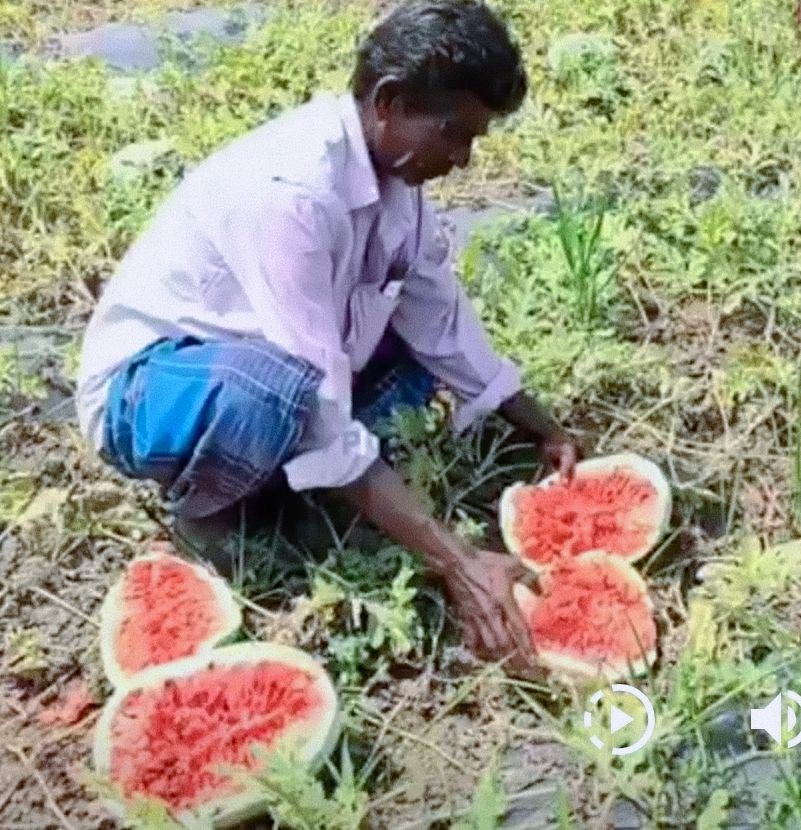
Ultimately, Zaid crops are not just seasonal produce—they represent an integrated approach to agricultural transformation. Their ability to generate income, enhance exports, improve nutrition, and withstand climatic variability makes them indispensable to India’s food and economic security frameworks. As the country aspires to become a $5 trillion economy and double farmer incomes by 2030, focusing on the optimization and mainstreaming of summer cropping systems will be crucial. With strategic investments, robust infrastructure, and inclusive policy frameworks, India can fully harness the latent potential of the Zaid season—redefining agrarian prosperity and charting a resilient future for its farmers.


One response to ““Zaid & the Sunny Side Up: India’s Summer Crops Are Sizzling Their Way to an Agri-Revolution””
very nnecessary , perfect and accurate advise to farmers as well as policy makers. Pyyavula venu gopal, kadapa, Pyyavulav36 @gmail.com
LikeLike