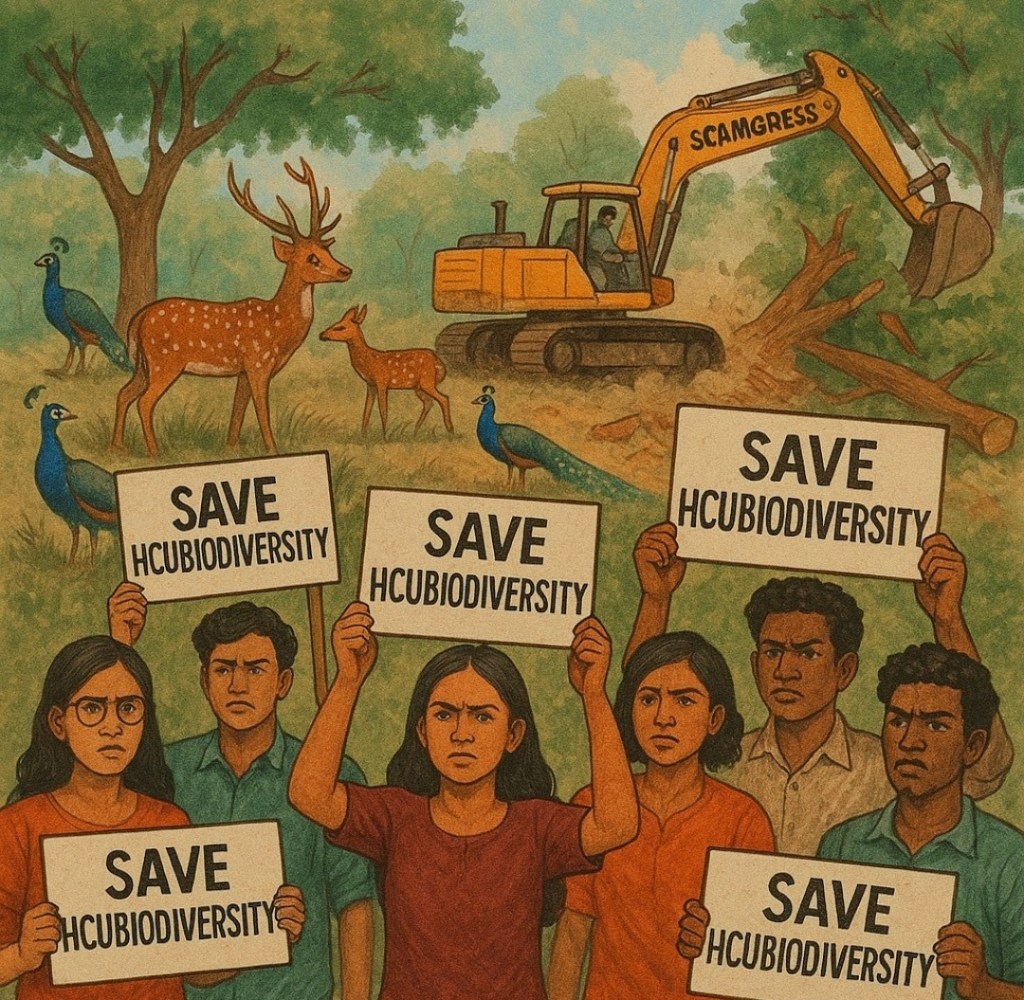
A University Meant to Educate Now Teaches the Cost of Development Without Conscience.
As Indian cities race for “smart city” status, Hyderabad risks losing its greatest ecological treasure—the 2,324-acre University of Hyderabad campus, a rare urban biodiversity haven. A proposed land-use shift has triggered widespread student protests, highlighting tensions between development and environmental preservation. The movement has evolved into a powerful symbol of resistance against commercial encroachment on academic spaces, sparking national debate and judicial attention. At its heart lies a call for sustainable development, youth-driven activism, and respect for educational sanctity. This episode marks a defining moment in how India balances urban growth with environmental integrity, civic engagement, and the future of public institutions.

At the heart of the current crisis lies the government’s decision to auction 400 acres of verdant land in Kancha Gachibowli for IT development — a parcel that UoH contends was part of its original allocation in 1975. The rationale offered is as conventional as it is alarming: convert forest into infrastructure, tranquillity into traffic, and public good into private gain. This approach underscores a deeply troubling trend — one where economic ambition overrides environmental stewardship.
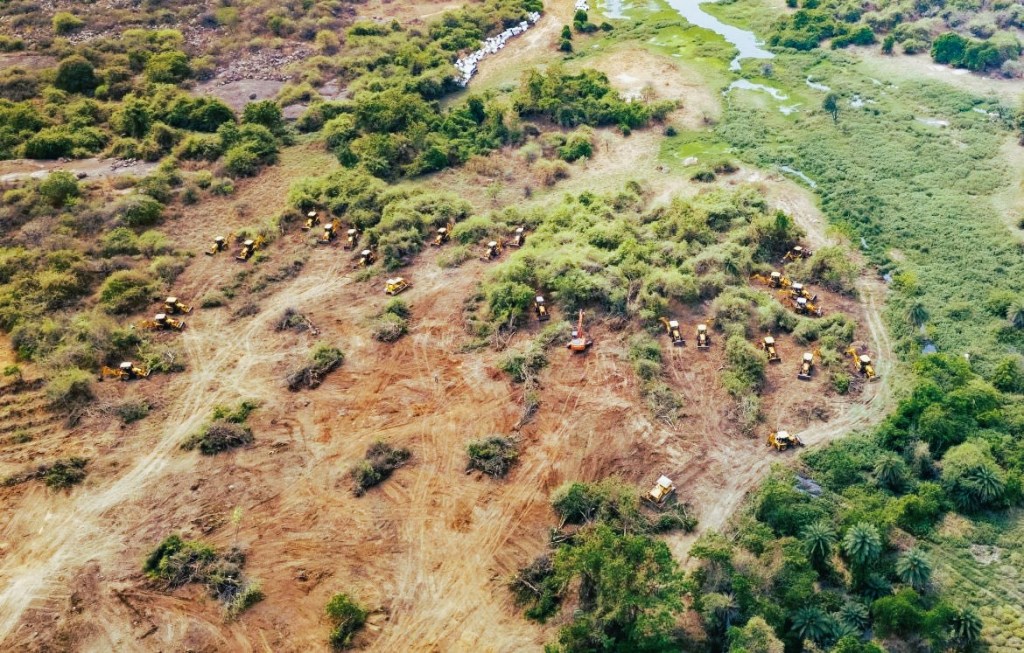
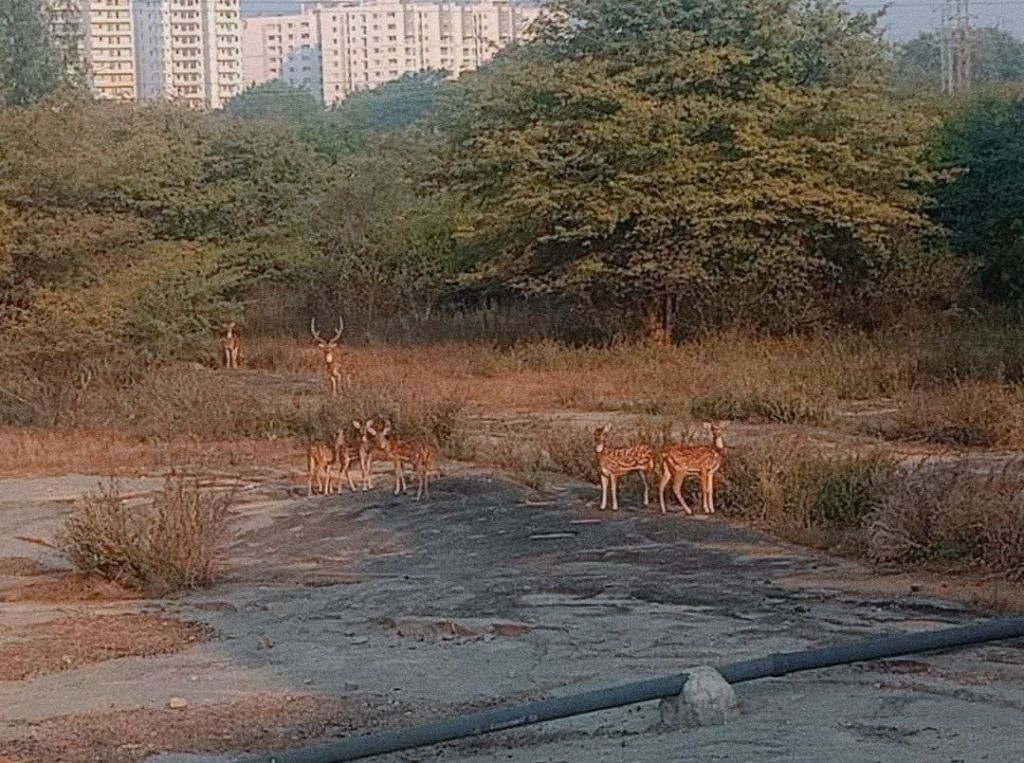
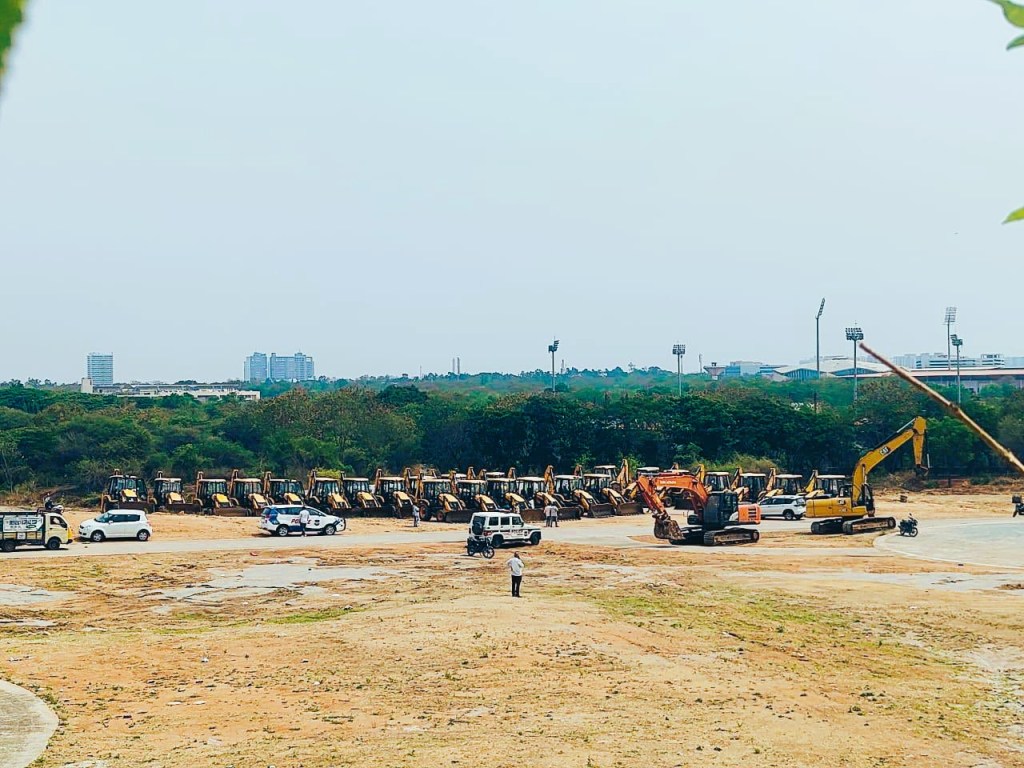
The UoH campus is more than a physical space; it is a living ecosystem. Home to over 455 species of flora and fauna — including endangered species — and unique geological formations like mushroom rocks, it serves as a critical carbon sink and a climatic cushion for western Hyderabad. In a city already battling the environmental costs of unchecked construction, the campus offers an irreplaceable green refuge. Despite this, bulldozers arrived unannounced, triggering a wave of protests from students, environmentalists, and concerned citizens.
The response was swift and fierce. Videos of trees being felled and wildlife fleeing the encroachment spread across social media, galvanizing public outrage. Prominent voices like actor John Abraham lent their support, calling the area a vital “green lung” for the city. His appeal to Chief Minister Revanth Reddy underscored a sentiment shared by many — that urban growth must not come at the cost of ecological collapse.
However, the government’s reaction has been unapologetically forceful. In a display of misplaced priorities, police reportedly manhandled student protestors, with more than 50 activists detained. Authorities cite a 2022 High Court ruling — upheld by the Supreme Court — which concluded that the land was never formally transferred to the university. Yet legality is not always synonymous with legitimacy. A court verdict may provide procedural cover, but it cannot erase the moral and environmental costs of such decisions.
The contradiction is stark. This is the same government that champions climate action and digital green initiatives, and that once launched the ambitious — though ultimately flawed — ‘Hydra’ campaign against illegal lake encroachments. That initiative, intended to reclaim public resources, ended up disproportionately affecting the poor, leaving behind broken homes and lost trust. Now, the axe falls again, this time on an ecological treasure that benefits the entire city.
Rather than investing in sustainable infrastructure, improving civic amenities, or strengthening urban resilience, the administration seems intent on monetizing every green patch in sight. This is not visionary development — it is the commodification of commons, executed without public consultation or regard for long-term consequences.
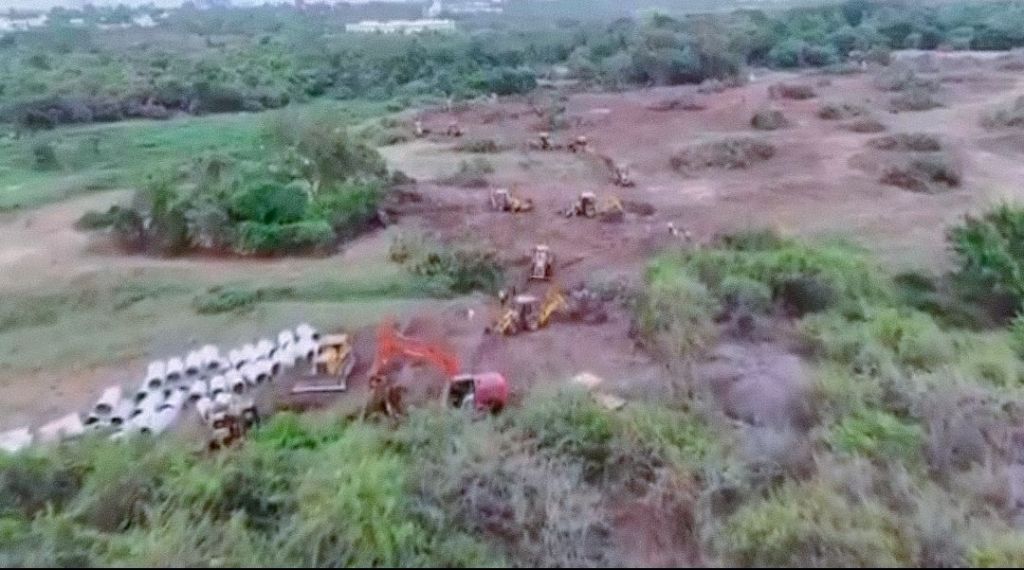
The lack of participatory governance is glaring. Students, teachers, scientists, and urban planners — all of whom recognize the ecological significance of the UoH land — have been excluded from the decision-making process. The Hyderabad Central University Teachers’ Association has expressed its strong opposition. Environmental groups such as the Vata Foundation have demanded that the area be accorded “deemed forest” status and protected as a national park. Multiple Public Interest Litigations have been filed, compelling the Supreme Court to question the state’s failure to conduct an Environmental Impact Assessment (EIA) and to justify the urgency behind such large-scale clearing.

The university has formally appealed to the government, requesting that the disputed land be retained under its jurisdiction to safeguard its ecological and academic integrity. Even the Union Ministry of Environment has intervened, asking for clarification on the state’s actions. Yet, the only respite so far has come from the judiciary, which has issued a temporary stay — a pause that owes more to legal intervention than administrative reconsideration.
The narrative of “balancing development with environmental concerns” rings hollow when bulldozers arrive before studies are conducted, when public dissent is met with suppression, and when conservationists are detained for defending what should never have been under threat. The government’s actions reflect not balance but bias — a bias that favours immediate financial gains over the enduring value of nature.

The University of Hyderabad is not merely an institution of higher learning. It symbolizes a national vision for sustainable education, scientific progress, and ecological consciousness. It has, over decades, nurtured generations of scholars, innovators, and public intellectuals. To reduce its land to just another line item in a real estate portfolio is to undermine that legacy and compromise the very soul of the city.
If this is the model of urban development we are pursuing — one that prizes concrete over conscience, short-term revenue over long-term resilience — then it is imperative to ask: what kind of future are we building? A metropolis without green lungs will, sooner or later, suffocate. And when that time comes, it will not be trees or students who are to blame, but those who mistook destruction for progress.
Visit arjasrikanth.in for more insights
 SOCIAL PERSPECTIVES
2 responses to ““Hyderabad’s Green Heart Is Under Siege — And the Chainsaws Are Winning””
It is not understood why these Universities need thousands of acres land. Now the most sought after education is medicine, engineering, CA, Law, pharmacy agri etc and however these studies are not any more imparted in these so called universities. For some of these students, these universities have become free lodging boarding units with free or no fees facility.
Ecology- what is the necessity of ecology in urban areas of modern city like Hyderabad. This is not Adilabad or Mulugu forest area. Further Govt wants to monetise the expensive land inside a city to the benefit of people who continuously demand free bees.
All those who raise the objection are first to develop their land property into commercial establishment and ecology is not an issue.
I have seen many universities with lot of unused land with ‘pitchi mokkalu’, snakes dirty bushes used for filthy activities.
The so called students never contribute to maintain their surroundings but fight with Govt on issues which are not their concern.
Cinema actors statements are the highlight of the issue.
We have to think rationally on the merit of the subject.
LikeLike
U go and check what actually university means and why the universities are given that much land.. it’s not universities that is filled with pichi mokkalu it’s your mind that is filled with poisonous way of thinking..
LikeLike