
From Sacred Lifeline to Toxic Wasteland—Apathy, Politics, and Urban Chaos Turned Delhi’s River into a Ghost of Its Former Self
Picture a river in the heart of a metropolis, a lifeline that breathes culture, economy, and social vibrance into the city. Now, picture a river that has been choked to death by its own people, abandoned to politics, apathy, and an insatiable appetite for urban expansion. This is the story of the Yamuna, the river that Delhi forgot.
In every major city across the world, rivers are celebrated. They are the nucleus of nightlife, economic activity, and cultural heritage. The Seine in Paris, the Thames in London, the Hudson in New York—each of these rivers forms the backbone of their respective cities. They are pristine, well-maintained, and bustling with life. Meanwhile, in the capital of India, the Yamuna is a toxic graveyard, smothered in frothing industrial waste, and reduced to a political tug-of-war. The river that once sustained Delhi now struggles to sustain itself.
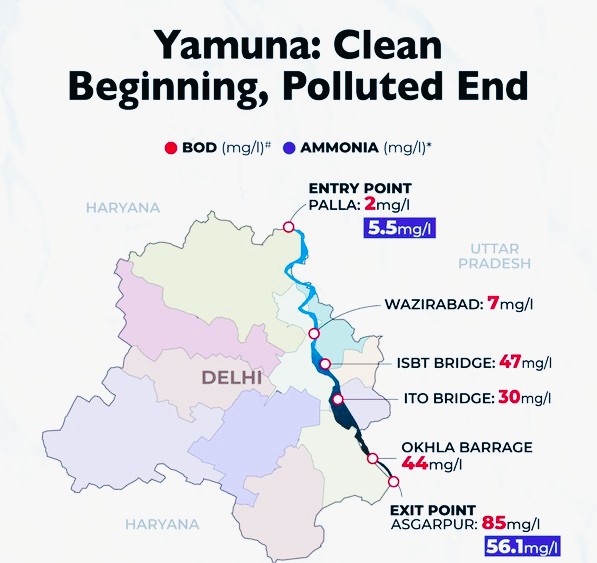
Every few months, the Yamuna transforms into an eerie spectacle—clouds of toxic foam float on its surface, forming a ghostly white carpet that hides the horrors underneath. Industrial waste and untreated sewage have turned this river into a festering drain, a deathbed for aquatic life, and a danger zone for public health. The Central Pollution Control Board’s reports indicate catastrophic oxygen levels, where entire stretches of the river have become uninhabitable. The fish are gone. The birds are gone. What remains is an unholy concoction of chemical discharge, raw sewage, and political apathy.
But it’s not just an environmental crisis; it’s a human crisis. Thousands of lives are directly dependent on the Yamuna—fishermen, washermen, farmers, and those who live by its banks. The river was once their sustenance, their livelihood. Today, they stand at its poisoned edge, watching their futures slip away into its murky depths. And yet, amid all this devastation, the Yamuna continues to hold spiritual significance. Pilgrims and priests perform sacred rituals in its waters, unaware or unwilling to acknowledge the silent killer lurking beneath the surface.

The political landscape surrounding the Yamuna is nothing short of a blame game circus. As elections roll around, the river is paraded as a campaign promise, a convenient talking point to lure voters. Delhi blames Haryana for sending toxic water downstream. The Centre blames the state for failing to act. The ruling party blames the opposition, and the opposition returns the favor. It’s an endless cycle of accusations, promises, and, ultimately, inaction. Meanwhile, the river continues to decay, trapped in the crossfire of bureaucratic inefficiency and administrative neglect.
The so-called ‘Yamuna Master Plan,’ a blueprint for the river’s revival, has been in discussion for years. Expert consultations have been conducted, budgets have been sanctioned, and ambitious clean-up projects have been announced. Yet, the river remains a wasteland. The much-publicized inclusion of the Yamuna under the Namami Gange Programme has resulted in limited progress, with project deadlines stretched indefinitely. The ₹4,290 crore sanctioned for sewage treatment plants and effluent control measures remains entangled in procedural red tape, delaying any tangible results. Even the Supreme Court has had to step in, mandating urgent pollution control measures and ordering coordinated action across Delhi, Haryana, and Uttar Pradesh.
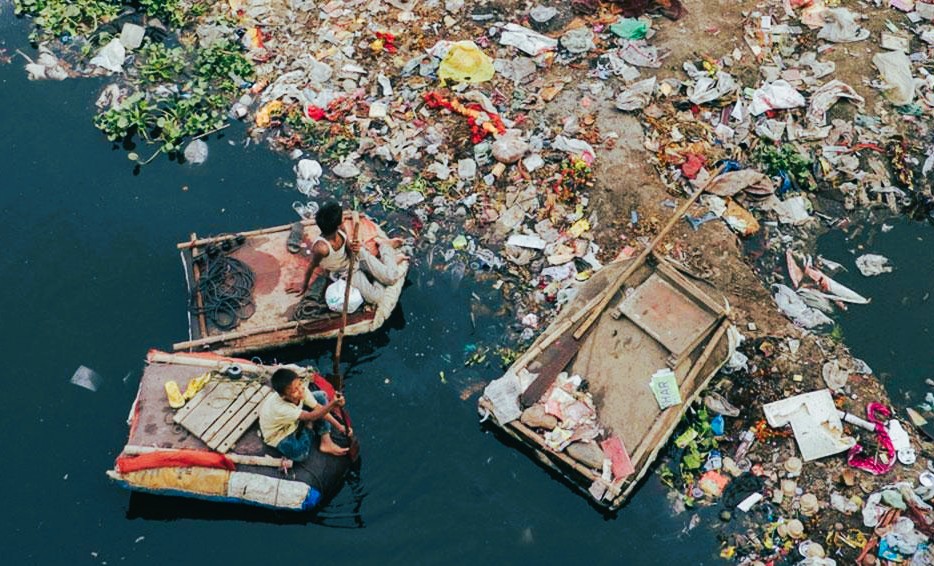
Despite all these so-called efforts, cleaning the Yamuna in three years is a delusion. Even with an army of skimmers, weed harvesters, and sewage treatment plants, the fundamental issue remains unaddressed—the river lacks fresh water. Upstream dams have strangled its flow, turning it into a stagnant, lifeless channel where toxins accumulate with no escape. Without restoring continuous water flow, every clean-up initiative will be nothing more than an expensive band-aid on a gaping wound.
The people of Delhi, too, share the blame. Apathy runs deep in the veins of the capital, where residents have learned to ignore the silent suffering of the river that was once their pride. The Yamuna is not just a victim of government failure; it is a casualty of collective neglect. Cities like London and Paris have revived their rivers through public participation, through citizens demanding action, through people treating their waterways as extensions of their own homes. But in Delhi, the Yamuna is out of sight, out of mind—a forgotten relic drowning in its own filth.
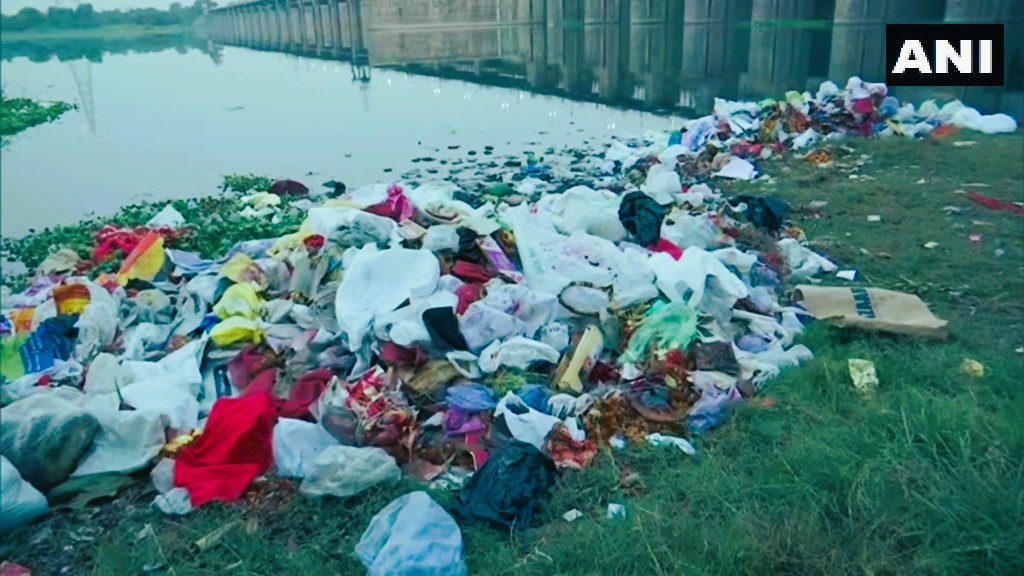
There is only one way forward. The Yamuna must be treated not as a lost cause but as a symbol of revival. Its banks should be transformed into vibrant public spaces, bustling with life, like the riverfronts of Ahmedabad and Sabarmati. Instead of a lifeless drain, it should become a haven for recreation, a thriving hub for tourism, culture, and community engagement. The clean-up must go beyond surface-level cosmetic efforts—it must include restoring the river’s natural flow, preventing untreated sewage from entering its waters, and enforcing strict penalties on industries that continue to violate pollution norms.
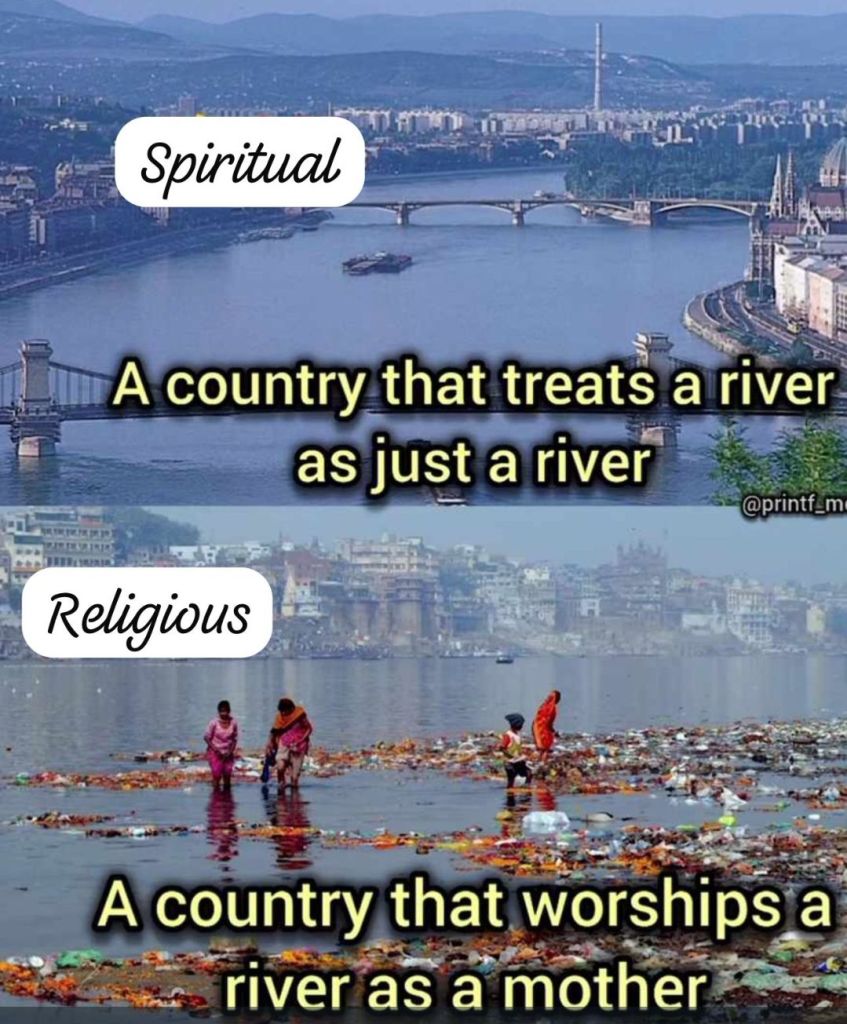
The Yamuna is more than just a river; it is a reflection of Delhi’s identity. It is a mirror showing us who we are—a city that has turned its back on its own lifeline. But it doesn’t have to be this way. The river still flows, however feebly, waiting for redemption. The question is—will we let it die, or will we finally fight to bring it back to life?
Visit arjasrikanth.in for more insights
 SOCIAL PERSPECTIVES
One response to “Yamuna: The River That Delhi Murdered and Buried Alive”
A powerful wake-up call highlighting both the tragedy and the potential revival of the Yamuna. Restoring the river demands collective action, renewed commitment, and genuine civic responsibility. Transforming this neglected lifeline into a thriving cultural hub could redefine Delhi’s identity for generations.
LikeLike