
Cancer in the Air: The Alarming Rise of Disease in India and the Toxic Triangle of Pollution, Processed Foods, and Lifestyle Choices**
In a disconcerting trend that is sending shockwaves across the nation, India is witnessing a staggering rise in cancer cases, with the Indian Council of Medical Research’s national cancer registry program projecting a 12% increase in cases between 2020 and 2025. This year alone, an estimated 15.7 lakh new cancer cases are expected to be reported, with the most alarming statistic being the spike in cancer diagnoses among young adults aged 20 to 49. While factors such as tobacco use, alcohol consumption, and obesity are well-known culprits, a more insidious trio of environmental pollution, ultra-processed foods, and lifestyle choices is becoming increasingly evident as a significant risk factor in this health crisis.

Cancer is a growing public health crisis in India, with 1.46 million new cases recorded in 2022 and an anticipated 12.8% rise by 2025. India ranks third globally in cancer incidence after China and the U.S. Lung cancer is the most common among males, while breast cancer is predominant among females, and lymphoid leukemia is the leading childhood cancer. Cancer is now the fifth leading cause of death in India, accounting for 5.7% of all fatalities. The cancer burden is projected to increase in terms of disability-adjusted life years (DALYs), with higher prevalence in northern and northeastern states. A significant concern is late diagnosis, as many cases are detected at advanced stages, reducing survival rates. The economic burden is substantial, with treatment costs placing immense pressure on individuals and the healthcare system. Tobacco-related cancers contribute significantly to the rising cases, given that India has one of the highest tobacco consumption rates in the world. Nearly 90% of cancers are attributed to environmental factors, including industrial pollution, changing lifestyles, and dietary shifts. Delhi reports the highest number of cancer cases among Indian metropolitan cities. Efforts to combat the disease include public awareness campaigns, improved cancer care infrastructure, and the establishment of the National Cancer Grid, which connects major research centres to enhance treatment affordability. Palliative care organizations, such as Pallium India, are working to improve the quality of life for terminally ill patients. Research and development in cancer treatment and prevention are ongoing, with a focus on early diagnosis and affordable therapies. Strengthening healthcare accessibility, particularly in rural areas, remains a key challenge. Addressing these factors through policy interventions, prevention strategies, and better healthcare infrastructure is essential to mitigate the rising cancer burden in India.

The numbers are staggering: over 14 lakh new cancer cases and nearly 9 lakh deaths attributed to cancer annually in India. The country accounts for the third-highest number of cancer cases and fatalities globally, and the burden is expected to grow dramatically. The leading types of cancer include lung and throat cancers among men, while cervical cancer is the most common among women. However, the rise in cancer cases among young adults is particularly concerning. What could be behind this surge?
Environmental pollution is one of the primary suspects. Contaminants infiltrate our air, water, and soil, emanating from various sources such as industrial activities, vehicular emissions, and agricultural practices. The World Health Organization’s International Agency for Research on Cancer has classified several pollutants as human carcinogens, including outdoor air pollution, toxic metals, and certain chemicals. In India, air pollution has been linked to a notable increase in lung cancer cases, with emerging evidence suggesting its potential role in other cancer types as well.
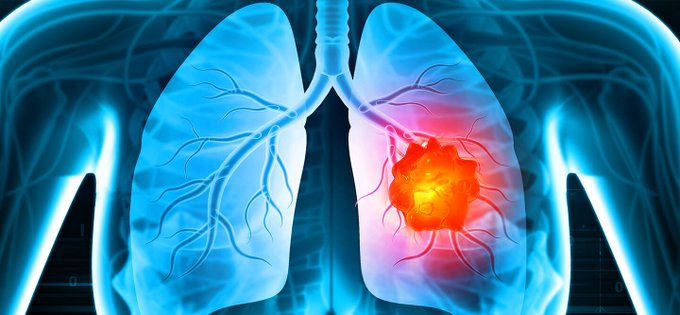
As the air quality deteriorates in many Indian cities, the health implications are profound. The relationship between air pollution and cancer is well-documented, with studies indicating that higher levels of particulate matter are correlated with increased cancer risk. Data from the National Cancer Registry Program reveals a concerning pattern: as tobacco use rates decline, lung cancer cases remain stable or even rise, indicating that pollution is playing an increasingly significant role in the cancer epidemic.
But air pollution is just one piece of the puzzle. The alarming rise in ultra-processed food consumption adds another layer of complexity to the health crisis. As more Indians turn to packaged and processed foods for convenience, the potential health risks associated with these dietary choices are becoming clearer. Ultra-processed foods often contain additives, preservatives, and unhealthy fats, which have been linked to various health issues, including obesity, heart disease, and diabetes. While the research on their direct link to cancer remains inconclusive, the correlation with chronic conditions raises red flags.
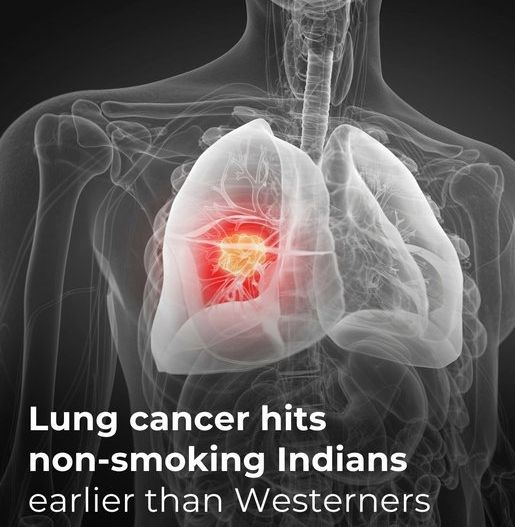
Moreover, the presence of “forever chemicals,” or per- and polyfluoroalkyl substances (PFAS), in our environment poses another serious risk. These synthetic chemicals are notoriously resistant to degradation, accumulating in the human body and the environment. Studies have shown links between PFAS exposure and various health issues, including cancer. The detection of these chemicals in water bodies across India, as highlighted by recent research from IIT Madras, raises significant concerns about the potential long-term health impacts on the population.
So, what can be done? As individuals, awareness is the first step toward combating these risks. Understanding the sources of exposure is vital. For instance, opting for clean cooking fuels, washing fruits and vegetables thoroughly, and avoiding the use of plastics and other potentially harmful materials can help reduce exposure to toxins. Additionally, supporting local and organic food sources can mitigate the consumption of ultra-processed foods laden with chemicals.

At a systemic level, government initiatives aimed at addressing air quality and pollution must be prioritized. Policies promoting clean energy, stricter regulations on industrial emissions, and increased public awareness campaigns about the dangers of pollution and unhealthy diets are essential. Moreover, healthcare systems must be equipped to deal with the rising cancer burden, including improved access to screening, early detection, and treatment options.

The intersection of environmental factors, lifestyle choices, and dietary habits presents a complex challenge in the fight against cancer in India. The alarming rise in cases, particularly among younger populations, highlights the urgent need for a multifaceted approach to tackle this growing health crisis. Individuals, communities, and policymakers must work collaboratively to create a healthier environment, ensuring that future generations are not burdened by the same avoidable health issues.
As we confront this cancer epidemic, it is crucial to remember that prevention is possible. By addressing the root causes of cancer, including environmental pollution and unhealthy lifestyles, we can turn the tide on this growing health crisis. The time for action is now; the health of millions is at stake, and together, we can forge a path toward a healthier, cancer-free future.
Visit arjasrikanth.in for more insights
 SOCIAL PERSPECTIVES
One response to “The Silent Genocide: Pollution and Junk Food are Turning Young India into a Cancer Capital”
A deeply impactful and urgent exposé on a silent public health emergency gripping India. The link between pollution, processed foods, and rising cancer rates—especially among youth—demands immediate, coordinated action. Prevention through awareness, policy reform, and healthier living must become a national priority.
LikeLike