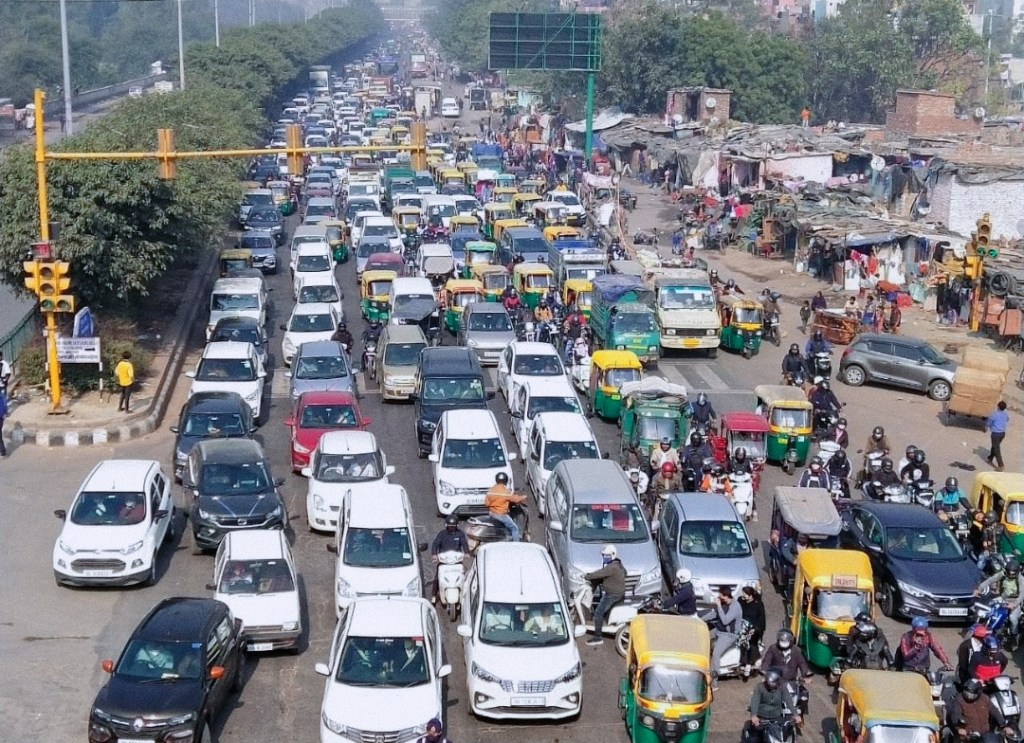
Smogged Minds: The Illusion of Fixing Delhi’s Air with Half-Measures.
Delhi’s latest attempt to tackle its persistent air pollution crisis has once again sparked intense debate. From April 1, 2025, the government will prohibit fuel supply to petrol vehicles older than 15 years and diesel vehicles older than 10 years. While this move appears to be a strong regulatory step, its effectiveness in meaningfully reducing pollution remains highly questionable. At best, this policy is a reactive measure that oversimplifies a complex problem. Without comprehensive and systemic reforms, Delhi’s toxic air will remain an annual catastrophe.
Year after year, Delhi ranks among the most polluted cities in the world. The thick smog that blankets the capital every winter is not just a seasonal nuisance but a public health emergency. Yet, rather than addressing the multifaceted sources of pollution, policymakers often resort to convenient but largely ineffective solutions. Targeting older vehicles may create an impression of decisive action, but it does little to mitigate the actual factors fuelling the crisis. The real culprits include uncontrolled urban expansion, rampant traffic congestion, poor enforcement of vehicular regulations, and a lack of sustainable public transportation alternatives. A policy that merely removes older vehicles without addressing these underlying issues is akin to treating a terminal disease with a band-aid.
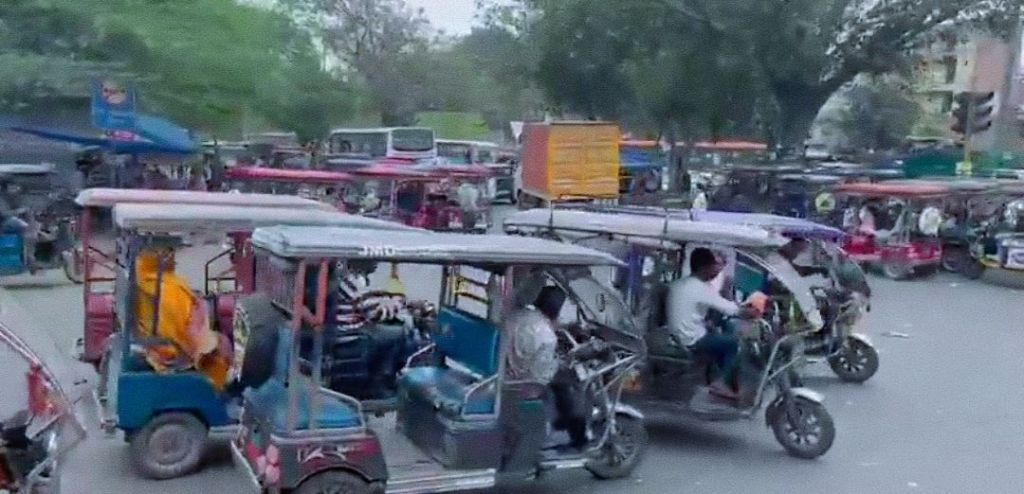
The focus on vehicle age as the primary determinant of pollution is misplaced. Scientific studies show that well-maintained vehicles, even if older, can be less polluting than poorly maintained newer models. Instead of enforcing an arbitrary age limit, authorities should prioritize strict emission-based regulations supported by robust monitoring mechanisms. The Pollution Under Control (PUC) certification system, currently the main regulatory tool, is riddled with loopholes. Certificates are often issued without proper testing, making them unreliable. AI-driven surveillance and real-time emission tracking could offer a more scientific approach, ensuring that only truly high-emission vehicles are removed from the roads.
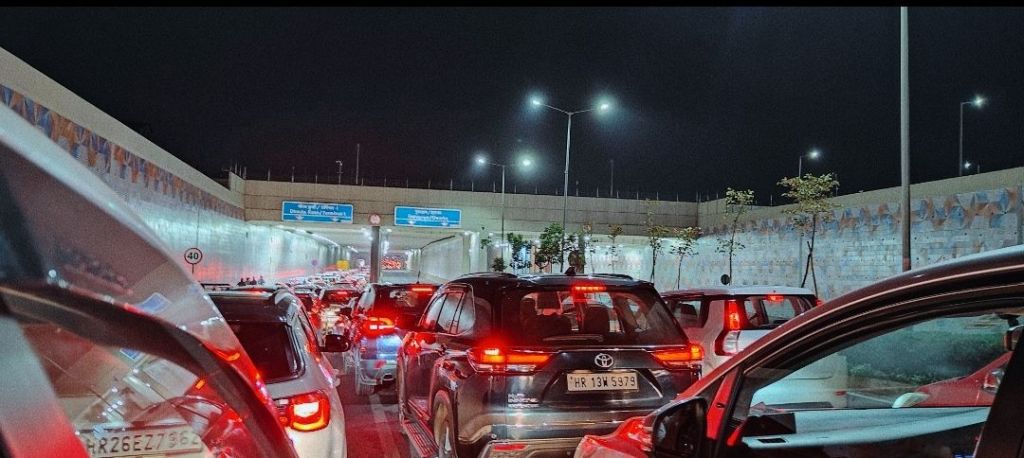
Traffic congestion is one of the most significant contributors to vehicular pollution. Yet, little has been done to improve traffic management in Delhi. Poorly planned roads, encroached public spaces, and illegal parking exacerbate gridlocks, causing vehicles to idle for extended periods and emit excessive pollutants. Many commercial establishments have illegally converted designated parking areas into shops or offices, forcing vehicles onto the streets and further congesting already overburdened roads. Enforcing parking regulations and reclaiming encroached spaces could dramatically improve traffic flow and reduce emissions.
Delhi’s roads are a chaotic mix of private vehicles, buses, auto-rickshaws, and motorcycles, all competing for limited space. The lack of dedicated lanes for public transport and high-occupancy vehicles further worsens congestion. Implementing a well-planned traffic management system with dedicated lanes, intelligent traffic signals, and real-time congestion pricing could significantly alleviate these issues. Encouraging carpooling and expanding the public transport network, particularly the last-mile connectivity for the metro and buses, would also reduce dependency on private vehicles.

The role of technology in combating pollution cannot be overstated. Cities around the world have successfully implemented AI-driven traffic control systems, automated parking enforcement, and emission-tracking solutions to manage pollution effectively. Smart cameras capable of identifying and penalizing high-emission vehicles in real time could be a game-changer. Similarly, dynamic traffic light management—where signals adjust based on congestion levels—can ensure smoother traffic movement, reducing both travel time and emissions. The technology already exists; what’s missing is the political will to implement and enforce these measures at scale.
A long-term solution to Delhi’s pollution crisis must prioritize sustainable urban mobility. While the Delhi Metro has been a major success, gaps in connectivity discourage many residents from completely relying on public transport. Strengthening last-mile connectivity through a well-integrated network of buses, feeder services, and shared mobility options is crucial. Additionally, investing in pedestrian-friendly infrastructure and promoting cycling as a viable mode of transport can reduce vehicular dependency. Cities like Amsterdam and Copenhagen have demonstrated how pedestrian and cycling-friendly policies can significantly lower urban pollution while improving overall quality of life.
Symbolic, knee-jerk policies like banning older vehicles may generate short-term headlines, but they do little to address the core issues at hand. Real progress demands bold, systemic changes, including stricter enforcement of urban planning laws, intelligent traffic management, and the large-scale adoption of green mobility solutions. Policymakers must be willing to challenge entrenched interests—whether it be businesses violating parking norms, builders flouting zoning laws, or political lobbies resisting congestion pricing. Without such decisive action, Delhi will continue to battle the same toxic air, year after year, with no lasting relief in sight.
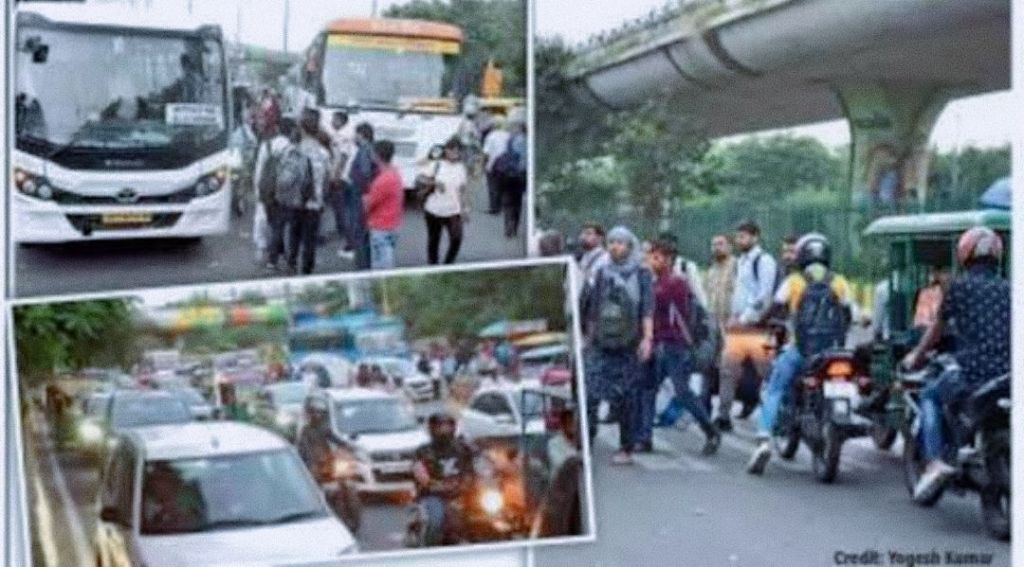
Addressing Delhi’s air pollution crisis requires a paradigm shift in governance, moving away from superficial measures to evidence-based policymaking. The focus should not be on blanket bans that fail to consider actual emission levels but on dynamic, data-driven solutions that tackle pollution at its source. The government must take an integrated approach that combines stricter vehicle emission norms, better urban planning, traffic decongestion strategies, and a significant push for sustainable public transport. Without such a holistic vision, Delhi’s residents will remain trapped in an endless cycle of pollution and ineffective policymaking.
The time for superficial fixes is over. What Delhi needs now is a transformative approach—one that is ambitious, technology-driven, and committed to delivering real, lasting change. Anything less would be a disservice to the millions who continue to suffer the devastating health impacts of Delhi’s toxic air.
Visit arjasrikanth.in for more insights
 SOCIAL PERSPECTIVES
2 responses to “Delhi’s 15-Year-Old Petrol Ban: A Temporary Fix for a Permanent Mess!”
Sir, A bold and insightful critique that cuts through the noise to expose the urgent need for systemic reform. This piece rightly calls for a shift from token measures to technology-driven, sustainable solutions that address pollution at its root. A must-read for policymakers aiming to create a cleaner, healthier Delhi for future generations.
LikeLike
Truly speaking relating vehcle pollution with the age of vehcles is unscientific nd unethical. Issuance of PUC certificates should be more authentic nd instead of only relying on these certificates, actual monitoring of vehicle pollution should be done by some designated / accredited agency. If actual results vary significantly from valuues PUC, the licence of PUC issuing station should be cancelled without fail nd a substantial fine should be imposed simultaneously.
Besides, need to check other pollution breading points effectively nd not in superfluous way.
LikeLike